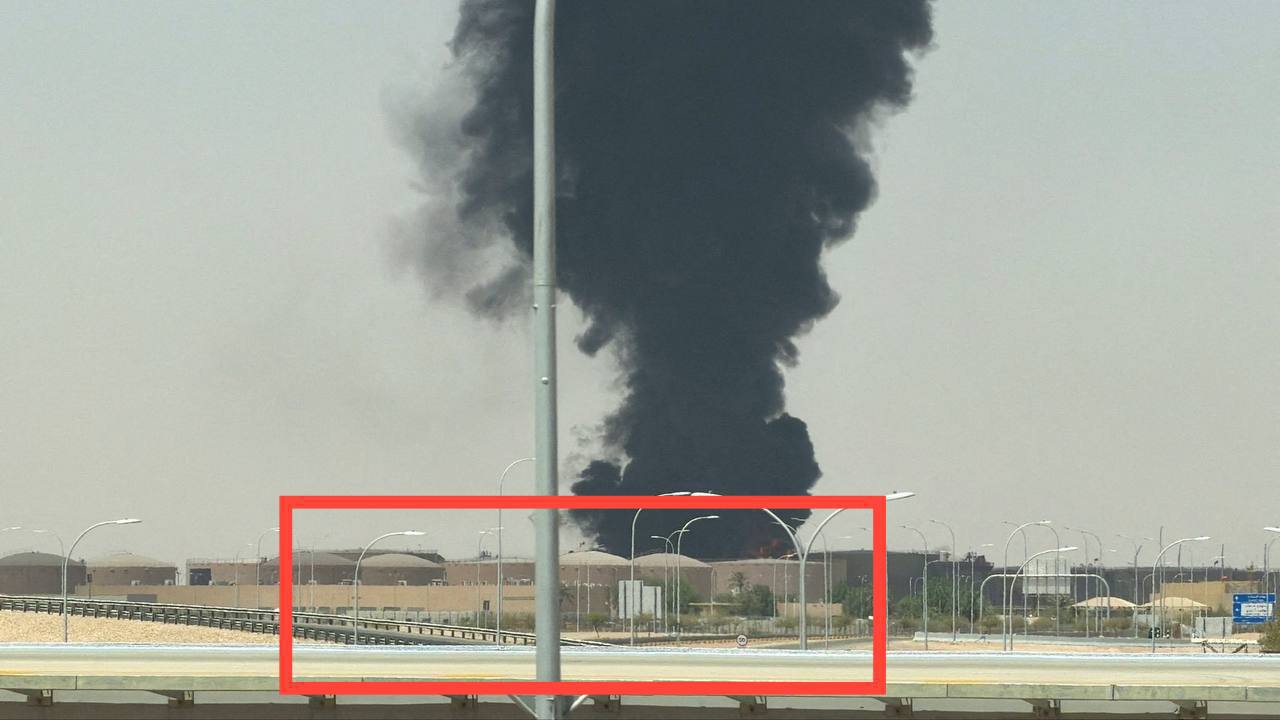
On 19 September 2026, Yemeni Houthi forces announced a large‑scale kinetic operation against Saudi Arabia, combining ballistic and cruise missiles with unmanned aerial systems. The attack targeted the capital, Riyadh, and the strategic Saudi Aramco complex in Yanbu, marking the most extensive use of long‑range weaponry against the kingdom in a single day.
Riyadh and Yanbu: Coordinated Missile‑Drone Strike
According to the Telegram channel monitor_the_situation, the Houthi statement described the deployment of multiple ballistic missiles, cruise missiles, and drones aimed at “sensitive sites in Riyadh and Saudi Aramco facilities in Yanbu.” The claim was accompanied by a video showing missile trajectories and smoke plumes over the targeted areas. No immediate casualty figures were released, and Saudi authorities have not yet confirmed the extent of damage. The use of both ballistic and cruise missiles suggests a layered approach designed to overwhelm air‑defence systems and strike high‑value infrastructure simultaneously.
"Houthis Launch Major Missile and Drone Attack on Saudi Arabia" – monitor_the_situation, 19 Sep 2026, https://t.me/monitor_the_situation/31590
Ballistic Missile Strike on Riyadh International Airport
Earlier that morning, at 11:30 local time, a cargo building and two fuel tanks at Riyadh International Airport were hit by a ballistic missile. The strike was attributed to the Yemeni militia Ansarallah, as reported by the Telegram channel GeoPWatch. Photographic evidence showed a cratered cargo structure and visible damage to the fuel storage tanks. Again, no casualties were reported, but the targeting of fuel assets raises concerns about potential disruptions to civilian and military logistics.
"A cargo building and 2 fuel tanks were hit at Riyadh International Airport during Ansurallah's overnight BM strike" – GeoPWatch, 19 Sep 2026, https://t.me/GeoPWatch/40065
Houthi Attack on King Khalid International Airport Fuel Depot
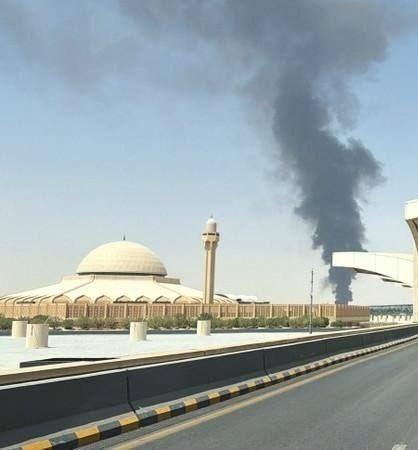
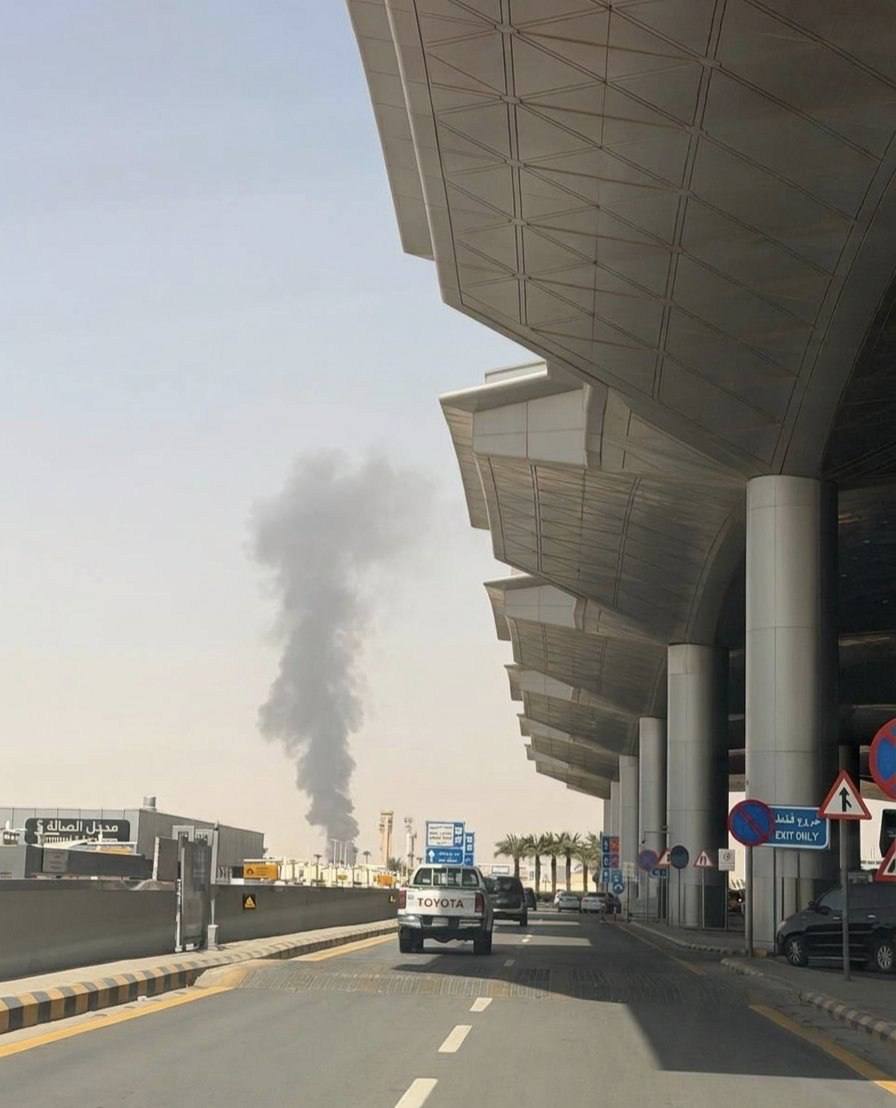
At 11:14 UTC, smoke was observed rising from the fuel storage depot at King Khalid International Airport, also in Riyadh. The incident was documented by BellumActaNews, which identified the source as a missile strike by Houthi forces. Subsequent footage confirmed a plume of black smoke, though the exact weapon type was not disclosed beyond the generic term “missile.” The incident aligns with the broader pattern of targeting aviation fuel infrastructure.
"Smoke rises from the fuel storage depot at King Khalid International Airport following a Houthi attack" – BellumActaNews, 19 Sep 2026, https://t.me/BellumActaNews/177101
Ballistic Missile Hits Crown Prince Residence
At 10:35 local time, a ballistic missile launched from Houthi‑controlled territory struck a residence of Crown Prince Mohammed bin Salman, located approximately 1,200 km from the launch point. The claim, posted by the Telegram channel intelslava, did not include casualty data, and Saudi officials have not publicly confirmed the incident. The distance covered underscores the Houthi forces’ growing capability to project power deep into Saudi territory.
"Yemeni Houthis struck one of the residences of Saudi Crown Prince Mohammed bin Salman with a ballistic missile" – intelslava, 19 Sep 2026, https://t.me/intelslava/94909
Additional Confirmations of Airport Fuel Tank Damage
Later in the afternoon, the channel CIG_telegram provided further confirmation that fuel tanks at an unspecified Saudi airport had been hit. While the earlier reports already identified Riyadh International Airport as a target, this additional statement reinforces the pattern of attacks on aviation fuel storage across the kingdom.
"Fuel tanks at an airport were confirmed hit" – CIG_telegram, 19 Sep 2026, https://t.me/CIG_telegram/84174
Smoke Observation at King Khalid Airport
At 12:10 UTC, intelslava posted a short video showing smoke rising from King Khalid International Airport. The footage corroborates the earlier missile strike report and indicates that the damage may have been more extensive than initially assessed.
"Smoke is rising from King Khalid International Airport" – intelslava, 19 Sep 2026, https://t.me/intelslava/94923
Attack on Taif Air Base Involving Italian Asset
At 11:35 local time, the Italian Defense Minister Guido Crosetto reported an attack on Taif Air Base that damaged an Italian F‑2000 aircraft. The incident, relayed by CIG_telegram, caused no injuries to Italian personnel and did not affect other equipment or infrastructure. The presence of Italian forces under Operation "Inherent Resolve" highlights the multinational dimension of the security environment in Saudi Arabia.
"Italian F‑2000 aircraft damaged at Taif airbase, no injuries" – CIG_telegram, 19 Sep 2026, https://t.me/CIG_telegram/84164
The clustering of these kinetic events within a single 24‑hour period suggests a coordinated escalation by Houthi forces, potentially aimed at pressuring Saudi energy production and transport hubs while also demonstrating reach into high‑profile political targets. The simultaneous use of ballistic missiles, cruise missiles, and drones indicates a diversification of the Houthi arsenal, likely supported by external suppliers. Saudi defensive measures, including air‑defence intercepts and rapid response teams, appear to have mitigated immediate loss of life, but the repeated strikes on fuel infrastructure could have longer‑term economic and operational repercussions.
Regional analysts note that the attacks coincide with heightened diplomatic activity surrounding the Yemen conflict, and the inclusion of an Italian asset underscores the risk of broader international involvement. While Saudi authorities have not yet released an official assessment, the pattern of targeting aviation fuel depots, a Crown Prince residence, and a major oil‑processing complex points to a strategic intent to disrupt both civilian mobility and the kingdom’s energy export capacity.