On 18 September 2026, Saudi Arabia experienced a series of kinetic attacks that targeted critical military and energy infrastructure, highlighting the kingdom's exposure to multi‑domain threats amid escalating regional hostilities. The most consequential incident was a rocket strike on an undisclosed Saudi air base, reported by the intelligence outlet intelslava at 17:28 UTC. While casualty figures were not released, the attack demonstrates the capability of Houthi militants to project force deep into Saudi territory, extending the conflict beyond the Bab el‑Mandeb maritime corridor.
Rocket Attack on Saudi Air Base
According to intelslava, Houthi militants launched a rocket at a Saudi air base located within the kingdom’s borders, though the precise installation was not identified in the source material. The strike occurred amid ongoing fighting around the Bab el‑Mandeb Strait, a chokepoint that has become a flashpoint for Yemen‑Saudi confrontations. No weapons other than the rocket were specified, and there were no immediate reports of personnel injuries or equipment loss. The incident was documented in a Telegram post (https://t.me/intelslava/94876) that emphasized the broader escalation of Middle‑East tensions.
⚠️🌍 — Middle East Tensions Escalate
Key implications include the potential for further incursions into Saudi air defense zones and the need for reinforced perimeter security at forward operating bases. The attack also signals a possible shift in Houthi tactics, moving from maritime interdiction to direct kinetic operations against land‑based targets.
Drone Strike on East‑West Pipeline
Earlier that day, at 11:46 UTC, a hostile unmanned aerial vehicle (UAV) struck Saudi Arabia’s East‑West pipeline, a critical artery that transports crude oil from the Persian Gulf to the Red Sea. The incident was reported by monitor_the_situation, which noted that the damage forced Saudi Aramco to announce a temporary suspension of crude deliveries to at least two European refiners for the following month. The pipeline supplies roughly 30 million tonnes of oil annually to Europe, and the interruption could affect market dynamics and contractual obligations.
Saudi Aramco Halts Crude Deliveries to European Refiners
The UAV employed a conventional drone platform, though specific technical specifications were not disclosed. No casualties were reported, and the attack appears to have been aimed at economic disruption rather than personnel harm. The source URL (https://t.me/monitor_the_situation/31372) highlighted the strategic intent of the strike: to leverage energy dependency as a pressure lever against the kingdom and its allies.
Operational impact includes the immediate need for pipeline integrity assessments, rerouting of oil flows, and potential escalation of security protocols for critical energy infrastructure across the Gulf region.
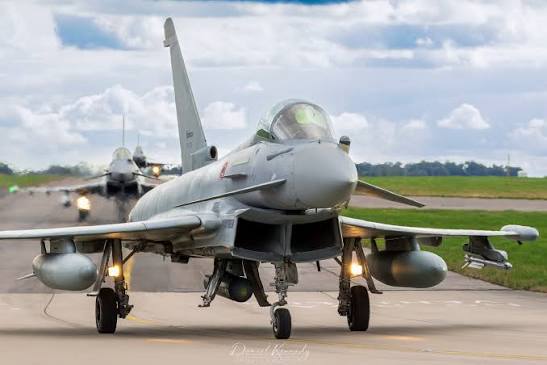
Italian Eurofighter Hit at King Fahd Air Base
At 10:08 UTC, GeoPWatch reported that an Italian Air Force F‑2000 Eurofighter was struck during overnight attacks on King Fahd Air Base in Taif, Mecca Region. The Italian Defense Ministry confirmed the incident, though it did not disclose the weapon system used, indicating that the aircraft was hit but remained operational. No pilot injuries were reported, and the event was accompanied by a single photographic item released by GeoPWatch (https://t.me/GeoPWatch/40034).
An Italian Air Force F‑2000 Eurofighter was hit during overnight attacks on King Fahd Air Base in Taif, Mecca region, Saudi Arabia according to the Italian Defense Ministry.
This development underscores the transnational dimension of the conflict, as coalition forces operating from Saudi bases become direct targets. The presence of Italian aircraft in the kingdom reflects ongoing multinational cooperation against Houthi aggression, and the attack may prompt a reassessment of force protection measures for allied air assets.
Strategic considerations involve the potential for diplomatic friction if coalition partners perceive an increased risk to their personnel, as well as the necessity for enhanced air defense coordination between Saudi and allied forces.
Analytical Overview
The three incidents, while distinct in modality—rocket, UAV, and airstrike—share common threads: they were executed by non‑state actors or hostile forces with the capacity to reach deep into Saudi territory, and they targeted assets that are vital to national security and economic stability. The absence of reported casualties suggests that the attacks were either precisely calibrated to avoid loss of life or that casualty data remains unverified. Nonetheless, the material damage to infrastructure and the psychological impact on both military personnel and civilian stakeholders are significant.
From a risk‑management perspective, Saudi authorities are likely to prioritize the following actions: bolstering radar and missile‑defence coverage around air bases, hardening pipeline corridors against aerial threats, and increasing intelligence sharing with coalition partners to pre‑empt future incursions. The events also reinforce the importance of maritime security around the Bab el‑Mandeb, as control of that strait directly influences the operational reach of Houthi forces.
In the broader geopolitical context, these kinetic events may influence energy markets, given the temporary reduction in crude exports to Europe, and could affect diplomatic negotiations concerning the Yemen conflict. Monitoring agencies will need to track any escalation in attack frequency or sophistication, as well as the response measures adopted by Saudi defense and energy ministries.