In the early hours of 18 September 2026, Russian defence officials announced the downing of 629 Ukrainian unmanned aerial vehicles (UAVs) overnight, marking the largest single‑day UAV loss reported by Moscow since the conflict began. The claim, posted by the monitoring channel GeoPWatch at 05:44 UTC, underscores a dramatic escalation in aerial contestation along the front lines and over Russian‑controlled territory. Russia’s air‑defence network engaged multiple attack waves across several sectors, reporting successful interceptions of both reconnaissance and combat drones. The statement did not specify the locations of the engagements, but the sheer volume suggests a coordinated Ukrainian UAV campaign targeting strategic assets deep within Russian‑held areas.
Ukrainian UAV Campaign Against Russian Ground Assets
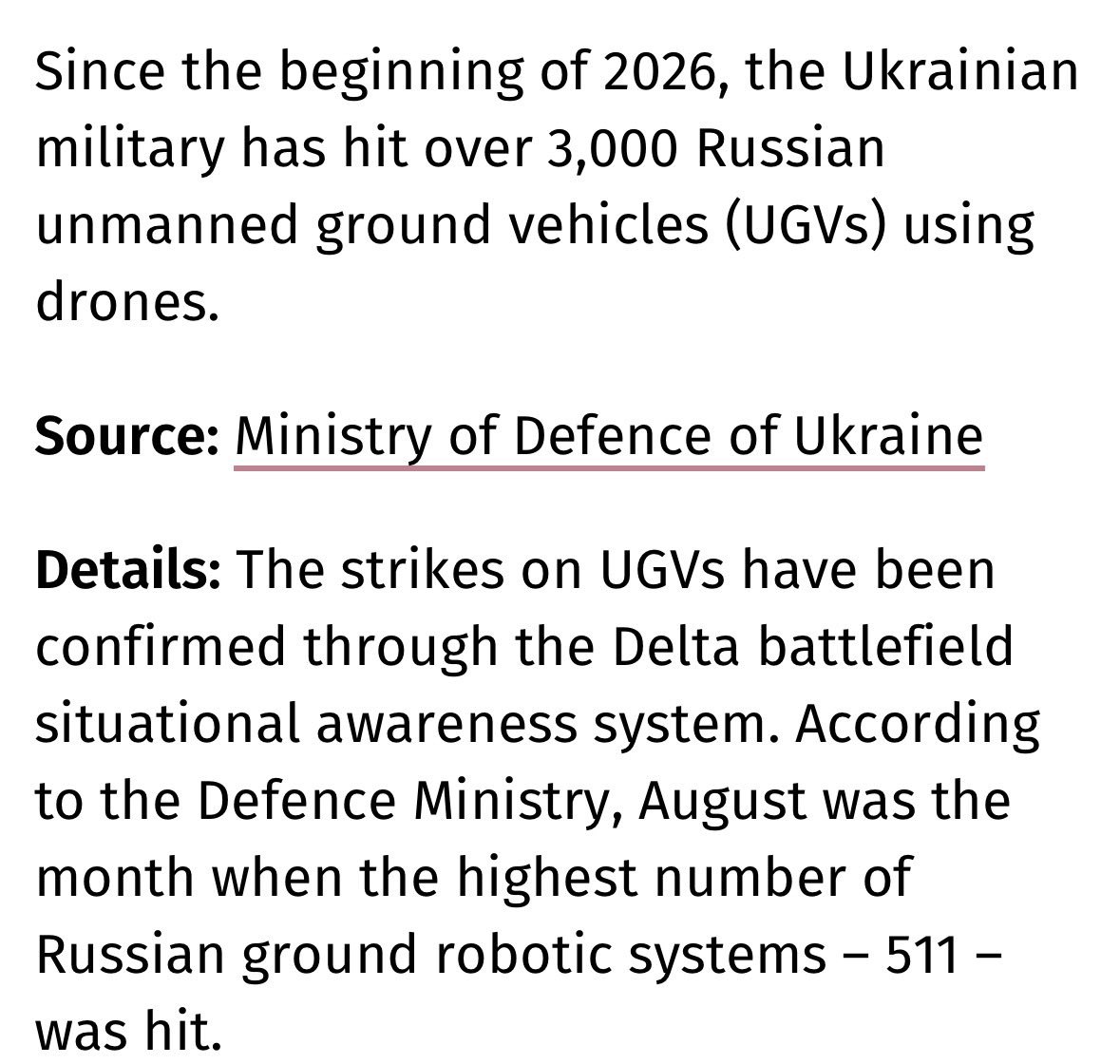
Concurrently, Ukraine’s Ministry of Defence released figures indicating that its drone operations have destroyed more than 3,000 Russian unmanned ground vehicles (UGVs) since the start of 2026, with 511 eliminated in August alone. The data, disseminated by the Telegram channel monitor_the_situation at 04:44 UTC, were derived from the Defence Ministry’s Delta analytics system. The report highlighted the use of armed UAVs to strike UGVs operating in logistics, engineering, and reconnaissance roles, thereby degrading Russian mechanised capabilities on the battlefield. Photographic evidence accompanying the claim showed damaged vehicle hulls and debris, reinforcing the credibility of the Ukrainian assessment.
Massive Drone Assault on Rostov Oblast
In the Rostov region of Russia, a separate wave of UAV attacks unfolded overnight, according to the intelligence outlet intelslava at 04:30 UTC. More than 50 Ukrainian drones were reportedly shot down by regional air‑defence units after they inflicted damage on five private houses, eight apartment blocks, gas pipelines, and eight civilian vehicles. The governor of Rostov Oblast, quoted in a regional briefing, warned that “the air‑defence system faced significant challenges, allowing hostile UAVs to penetrate deep into populated areas.”
“Our forces intercepted over fifty drones, but the damage to civilian infrastructure underscores the growing reach of Ukrainian UAV operations,” the governor said.The incident illustrates the expanding geographic scope of drone warfare beyond the immediate front line.
Russian Artillery Strike on Ukrainian MLRS
On the ground, Russian artillery continued to target Ukrainian firepower assets. At 01:14 UTC, the 79th Guards Rocket Artillery Brigade of the Russian Ground Forces’ “West” (Zapad) Group of Forces employed a Tornado‑S multiple‑launch rocket system to destroy a U.S.-made multiple launch rocket system (MLRS) positioned in the Kharkiv region. The strike was guided by aerial reconnaissance that identified the MLRS concealed within a tree line, and a reconnaissance UAV later confirmed the target’s elimination. The event, reported by intelslava, demonstrates the continued effectiveness of Russian precision‑guided artillery against high‑value Ukrainian assets.
Operational Analysis of the Drone‑Artillery Surge
The convergence of high‑volume UAV interceptions, extensive UGV attrition, and targeted artillery strikes indicates a multi‑dimensional escalation in the conflict. Ukrainian forces appear to be leveraging large‑scale drone swarms to overwhelm Russian air‑defence capacities while simultaneously employing UAVs in a kinetic role against ground platforms. Russian responses, including the deployment of advanced Tornado‑S systems and intensified air‑defence alerts, reflect an adaptive posture aimed at mitigating the UAV threat and preserving critical fire support capabilities.
Implications for Military Capabilities
The reported loss of 629 drones represents a substantial attrition rate for Ukraine’s UAV fleet, potentially constraining future sortie generation unless replenishment pipelines are accelerated. Conversely, the destruction of over 3,000 Russian UGVs suggests a significant degradation of Russian autonomous ground operations, which could impair logistical sustainment and battlefield engineering tasks. The successful Russian artillery strike on a U.S.-supplied MLRS further highlights the vulnerability of high‑value Ukrainian fire systems to coordinated reconnaissance‑guided attacks.
Regional Security and Civilian Impact
Beyond the immediate military dimensions, the Rostov drone attack underscores the growing risk to civilian populations in border regions. Damage to residential structures and critical infrastructure, such as gas pipelines, raises concerns about secondary hazards and the potential for broader humanitarian repercussions. The incident also illustrates the blurring of front‑line and rear‑area distinctions, as UAVs capable of long‑range flight increasingly target locations previously considered secure.
Outlook
While both sides continue to claim operational successes, the data from 18 September 2026 point to an intensifying cycle of drone‑centric engagements complemented by precision artillery. Monitoring agencies will need to track UAV sortie rates, air‑defence interception efficiency, and the attrition of autonomous ground platforms to assess the evolving balance of power. The sustained high‑intensity exchange of drones and artillery is likely to shape tactical doctrines and resource allocations for both Ukraine and Russia in the weeks ahead.