On September 18, 2026, Russian forces escalated the kinetic phase of the war by employing S‑400 training missiles against civilian targets in Kyiv Oblast, resulting in multiple casualties and underscoring a shift toward repurposing air‑defence ordnance for offensive use.
"Russia Uses S-400 Training Missiles to Strike Ukraine. Civilian casualties near Kyiv highlight Russia's adaptation of a training missile to bolster its ballistic attacks, escalating the air war in Ukraine." – monitor_the_situation
The strike, reported at 17:17 UTC, hit a residential area outside Kyiv, injuring several civilians and killing at least one non‑combatant. The use of a training variant of the S‑400 system marks a notable development in Russian missile tactics, as the weapon was originally designed for target simulation rather than combat deployment.
High‑Intensity Missile and Rocket Campaign Across Central Ukraine
Earlier in the day, Russian Oniks supersonic cruise missiles struck Kyiv itself, with a second missile reportedly heading toward Nizhyn in Chernihiv Oblast. The Oniks attacks, logged at 16:33 UTC, caused additional civilian injuries and demonstrated Russia’s capacity to launch long‑range, high‑speed cruise missiles against urban centers.
In the northern Zhytomyr region, a strike near Korosten killed six civilians and wounded 34, according to Governor Vitaliy Buchenko’s Telegram briefing (12:53 UTC). The incident highlights the continued vulnerability of industrial zones and transport corridors to Russian artillery and missile fire.
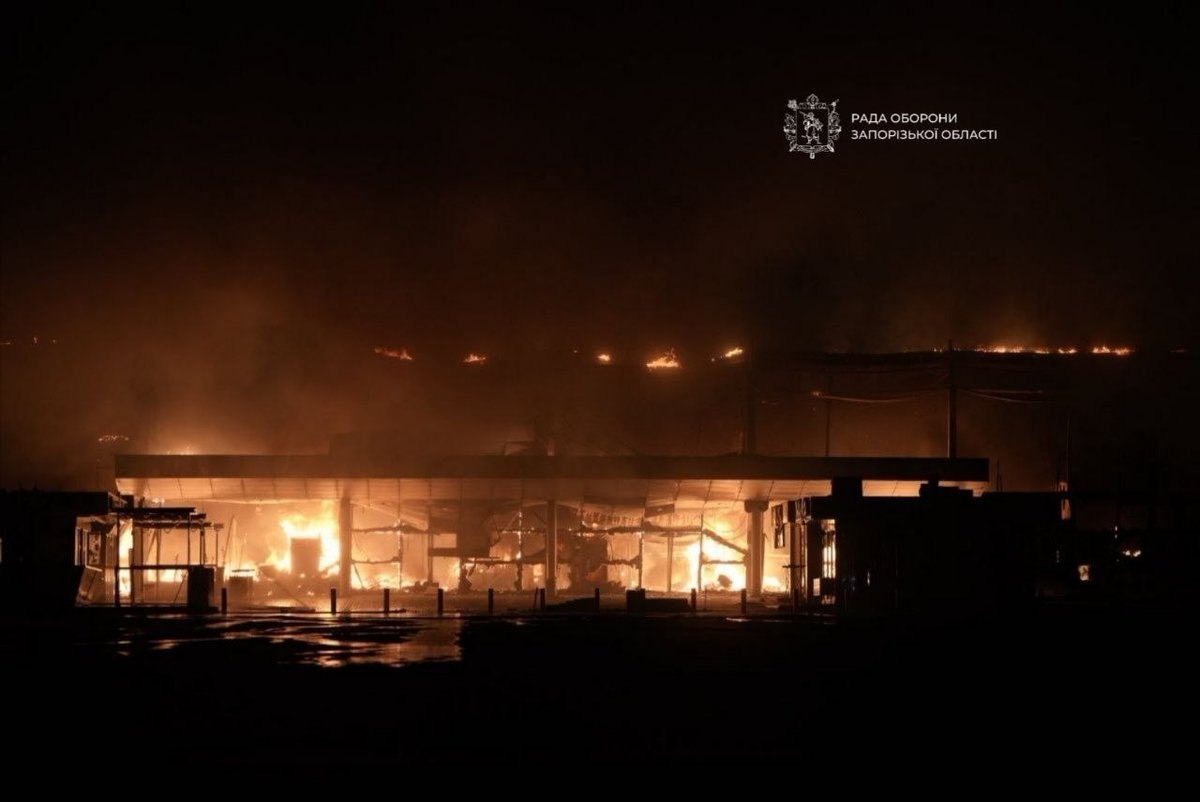
Further south, a Russian rocket attack on a shopping centre in Zaporizhzhia ignited a major fire, with damage assessments ongoing (07:50 UTC). While casualty figures remain unconfirmed, the targeting of a civilian commercial hub reflects a broader pattern of strikes on densely populated infrastructure.
Compounding the civilian toll, a coordinated series of strikes over a 24‑hour period across Kyiv, Sumy and Kharkiv regions resulted in 18 civilian deaths and 111 injuries. The attacks, reported by monitor_the_situation at 13:46 UTC, included three child casualties in Kyiv region and a teenage fatality in Sumy.
Ukrainian Air‑Defense Performance
Amid the intensified missile barrage, Ukrainian air‑defence units achieved a significant interception record, downing 72 of 93 Russian drones over Kyiv overnight (06:53 UTC). The intercepted fleet comprised 69 Shahed/Gerbera and Banderol drones, with 13 impact reports still confirmed. This defensive success, documented by NOELreports, demonstrates the resilience and adaptability of Ukraine’s integrated air‑defence network.
Ground Operations: Russian Advances and Ukrainian Counter‑Moves
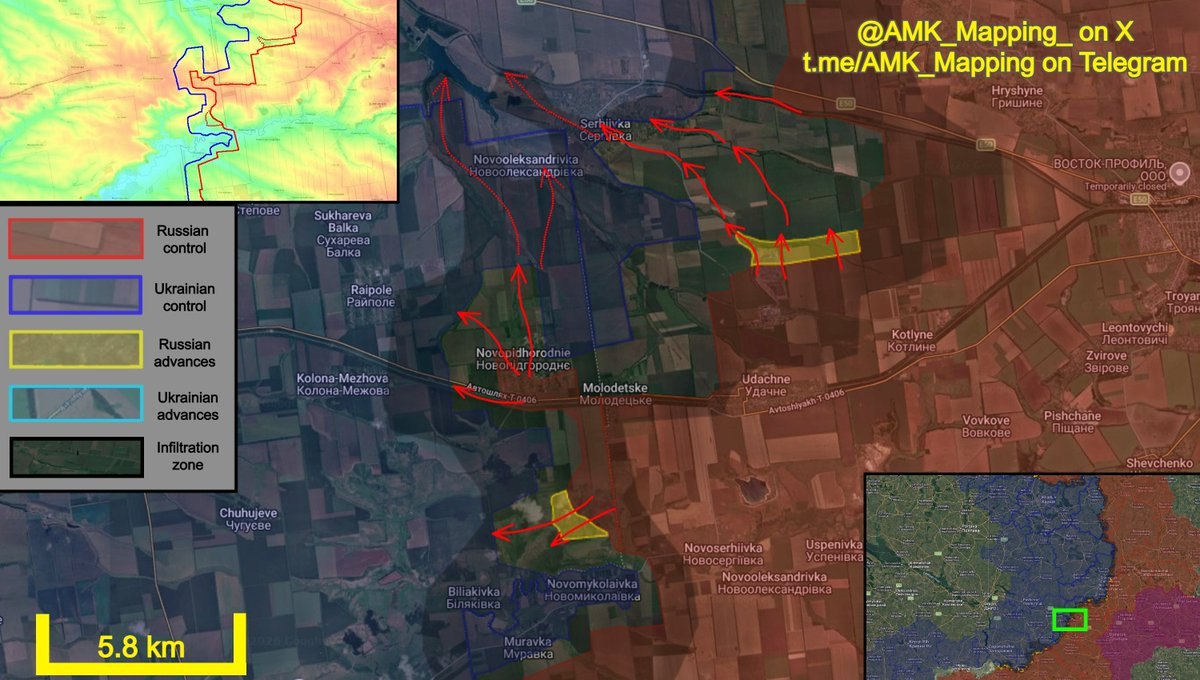
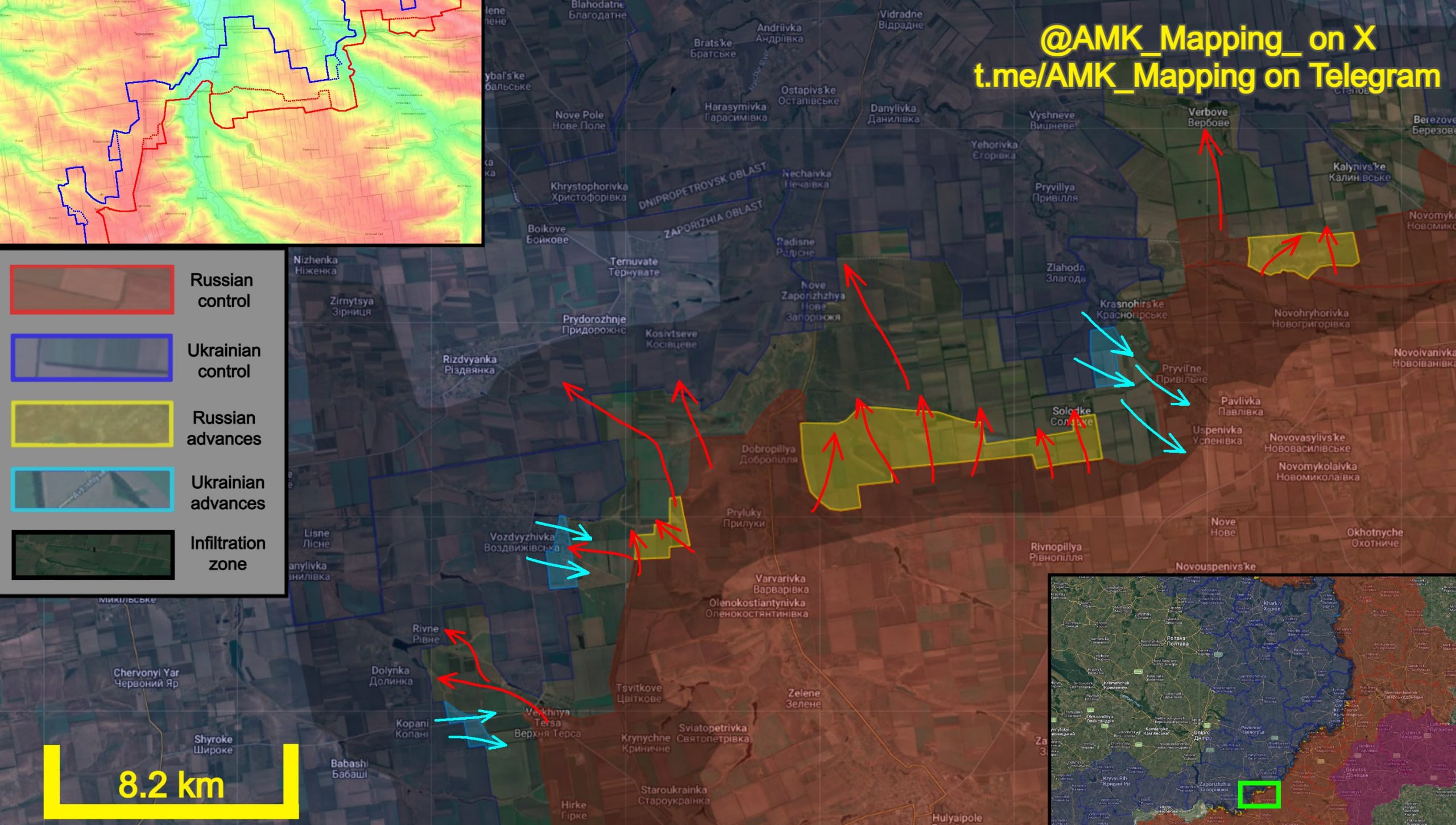
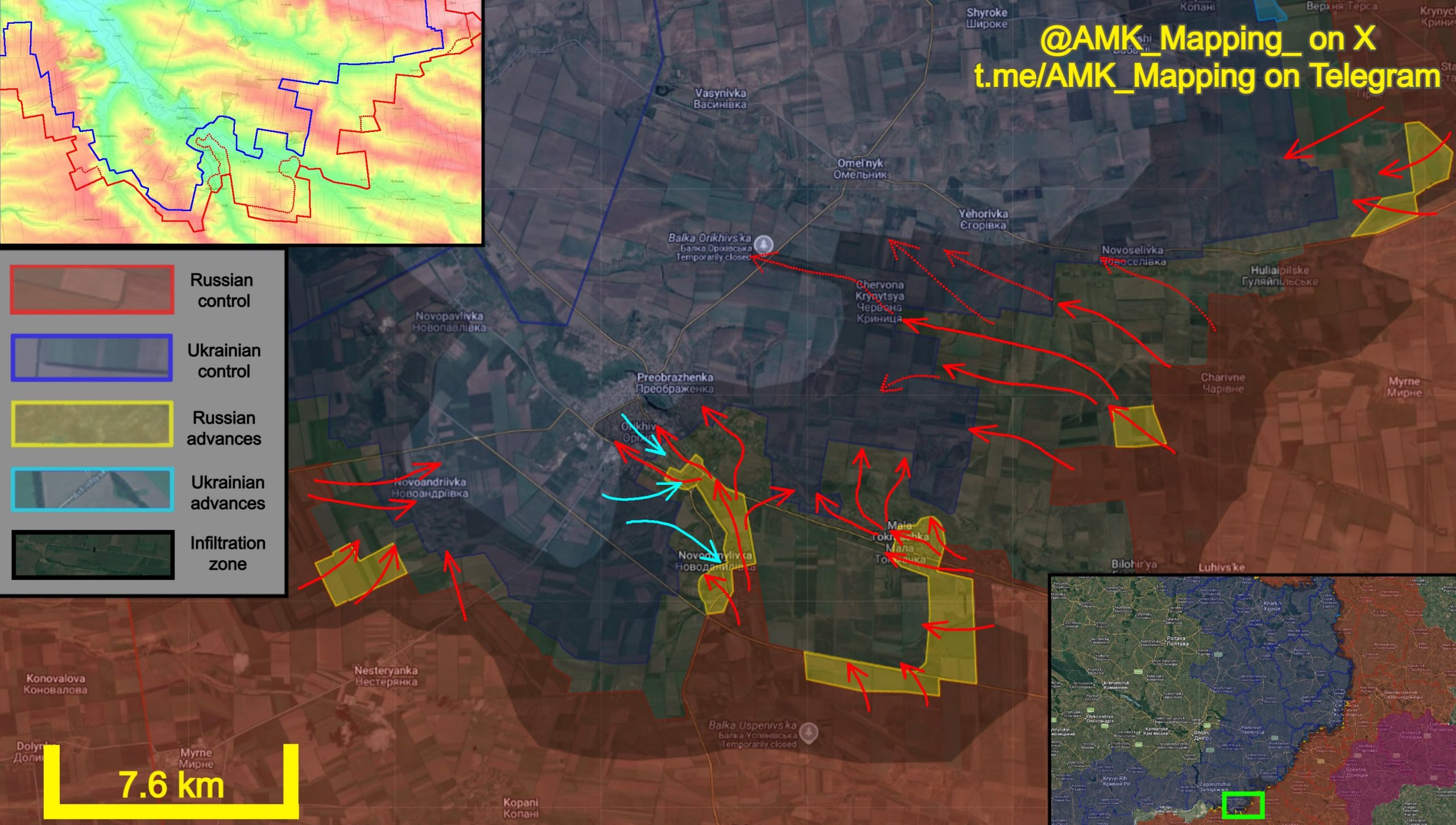
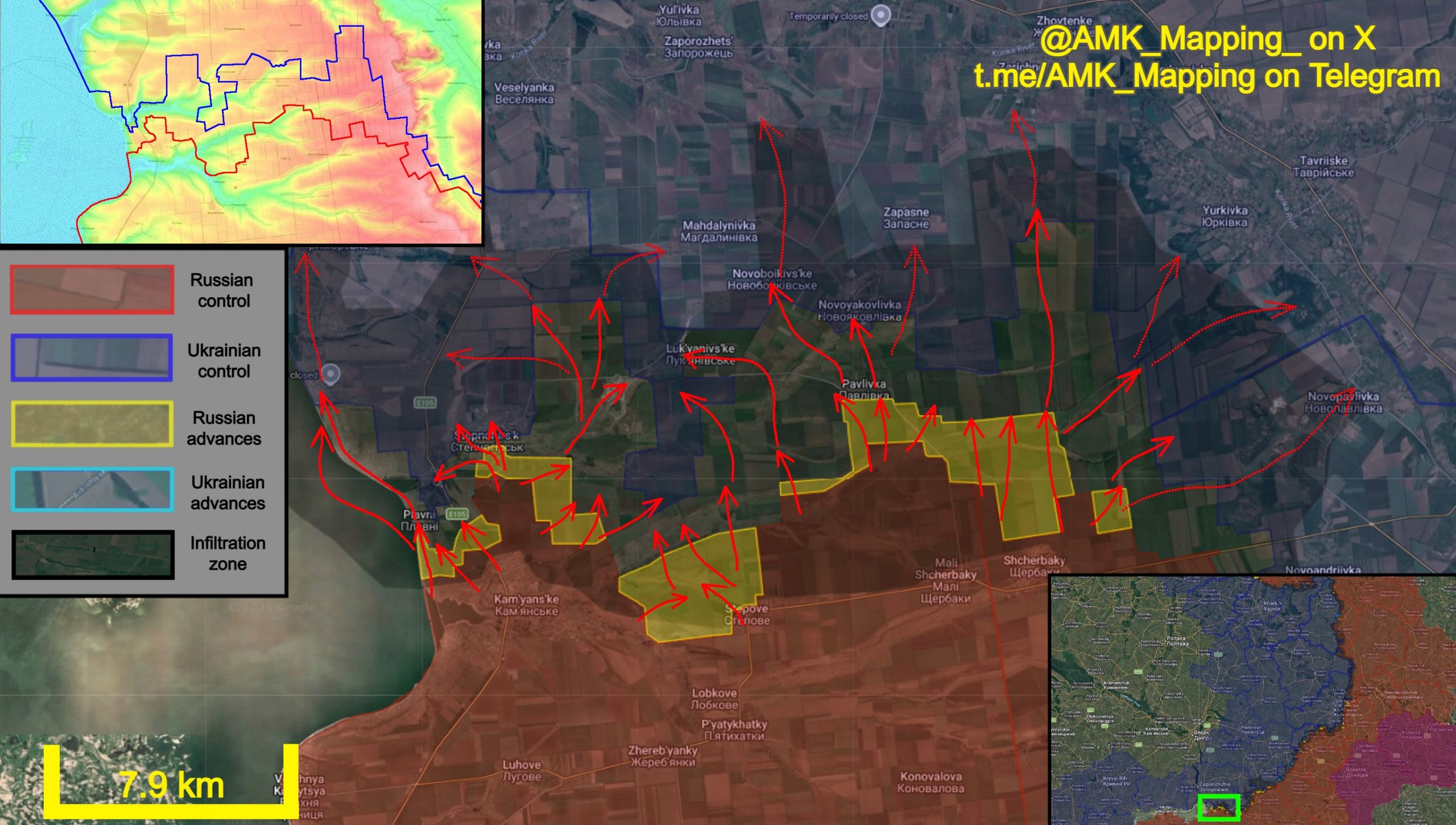
On the eastern front, Russian troops seized trench fortifications north of Novoolekandrivka and pushed westward toward Novopavlivka and Dobropillya, intensifying pressure near the Donetsk‑Dnipropetrovsk border (17:49 UTC). The advance, reported by monitor_the_situation, reflects a two‑week effort to expand infiltration zones and secure footholds in contested terrain.
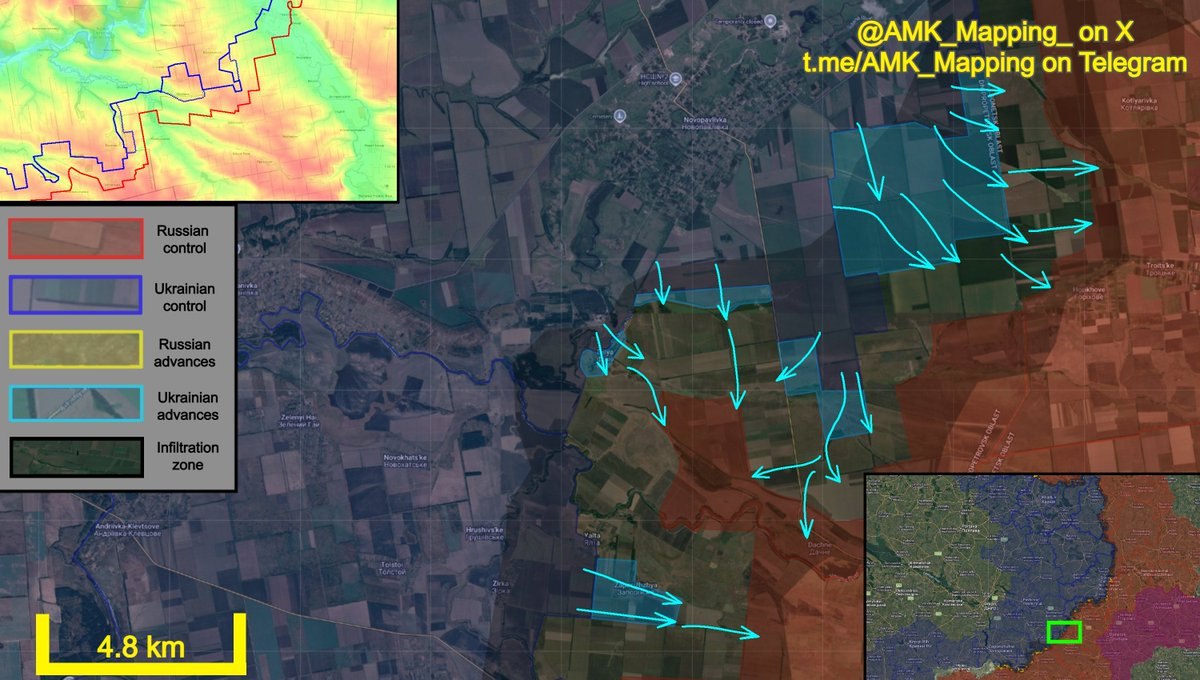
Conversely, Ukrainian forces reclaimed the village of Zaporizhzhya near Novopavlivka and advanced eastward, as detailed by monitor_the_situation at 17:27 UTC. The recapture underscores Kyiv’s ongoing counter‑offensive momentum in Donetsk Oblast.
In a notable tactical operation, the 425th Skelia Regiment breached Russian lines in Donetsk Oblast to rescue 21 encircled Ukrainian soldiers, evacuate two civilians, and capture nine Russian combatants (15:25 UTC). This maneuver, highlighted by monitor_the_situation, illustrates the effectiveness of Ukrainian assault brigades in disrupting Russian defensive depth.
Ukraine’s 210th Regiment employed BM‑21 Grad rockets and coordinated drone strikes to target Russian concentrations in Donetsk Oblast (16:05 UTC). The combined arms approach neutralized a Russian ambush drone and disrupted sabotage teams, showcasing the integration of artillery and unmanned systems in Ukrainian offensive doctrine.
Drone Warfare and Maritime Threats
Russian loitering munitions continued to pose a threat to Ukrainian maritime and infrastructure assets. Geran‑4 drones attacked dry cargo ships in the Port of Odesa and the Black Sea (13:44 UTC), with Russian Ministry of Defence claims that the vessels carried military equipment. Video evidence, shared by intelslava, confirms the precision strike capability of these loitering munitions.
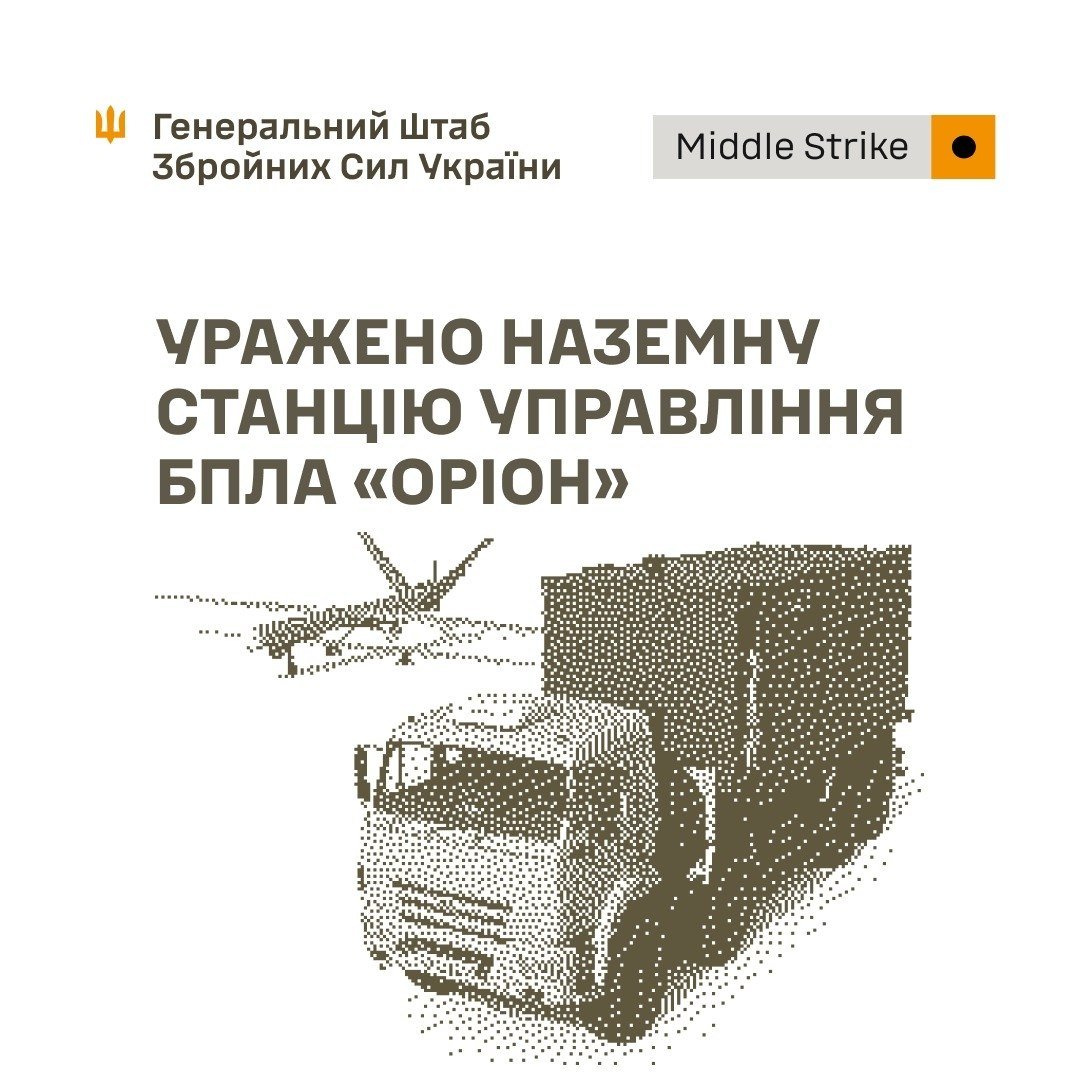
In Dnipropetrovsk Oblast, Geran‑4 drones destroyed a P‑19MA radar and an electronic‑warfare station near Shyroke (13:03 UTC). The same munition type also targeted a convoy transporting a 79K6 Pelican radar in Odesa Oblast, further degrading Ukraine’s air‑defence early‑warning network.
Additional UAV activity included Russian jet‑powered drones striking two cargo ships in the Black Sea (13:21 UTC) and a separate Geran‑4 attack on energy infrastructure in Alchevsk, Luhansk Oblast, causing citywide power outages (06:08 UTC). These actions reflect a sustained Russian emphasis on disrupting logistics and command‑and‑control assets via unmanned platforms.
Strategic Implications
The convergence of high‑precision missile strikes, extensive drone deployments, and aggressive ground maneuvers on September 18 signals a deliberate Russian effort to intensify kinetic pressure across multiple fronts. The adaptation of S‑400 training missiles for combat use suggests a willingness to repurpose existing arsenals to overcome logistical constraints and achieve tactical surprise.
Ukrainian defensive successes, particularly in air‑defence interceptions and localized ground counter‑attacks, demonstrate continued operational resilience. However, the civilian casualty figures and the targeting of civilian infrastructure underscore the escalating humanitarian cost of the conflict.
Monitoring agencies and open‑source intelligence channels will need to track the evolving use of repurposed missile systems, the effectiveness of Ukrainian counter‑UAV measures, and the impact of ground offensives on the broader front line dynamics.