Russian Air and Missile Campaign Across Ukraine
On 17 September 2026, Russian aerial assets conducted a coordinated strike wave that resulted in the deadliest civilian toll reported in Ukraine for the day. According to monitor_the_situation, UAV and missile attacks in the Kyiv, Sumy and Kharkiv regions killed at least 15 civilians and injured 87 others. The attacks were described in the source feed as follows:
🟠 **Russian Strikes Kill 15 Civilians in Ukraine**
The strikes targeted residential districts, a school in Sumy and a commercial area in Kharkiv. No Ukrainian air‑defence interceptions were reported for the missiles involved, underscoring a gap in short‑range coverage.
In a separate but related incident, a series of rocket salvos hit four Ukrainian cities—Kyiv, Odesa, Zaporizhzhia and Kropyvnytskyi—overnight, injuring 22 people, including two children in Kyiv. The rockets, identified as unguided artillery rockets, caused damage to residential blocks, a school and a railway line, and ignited a fire in Zaporizhzhia. The source (monitor_the_situation, 06:25:45) noted that the attacks were part of a sustained pressure campaign aimed at disrupting civilian infrastructure.
Industrial targets also featured in the day’s kinetic events. At 14:36 UTC, Russian forces launched two ballistic missiles at the Zaporizhstal Iron and Steel Works in Zaporizhzhia, injuring a single worker and marking the fourth strike on the plant within the month (monitor_the_situation, 14:36:29). The plant, a key supplier of steel for both civilian and military production, sustained structural damage to its north‑west processing hall.
In Kharkiv, a missile struck the Epicenter shopping centre at 12:41 UTC. While the source (intelslava) did not provide casualty figures, video footage showed extensive façade damage and a subsequent evacuation of shoppers. The incident illustrates the expanding reach of Russian precision strikes into densely populated commercial zones.
Ukrainian Counteroffensive Gains
Amid the Russian bombardment, Ukrainian ground forces continued to exploit momentum on the frontlines. The 66th Mechanized Brigade, operating under Operation Vivaldi, liberated the village of Serednie in Donetsk Oblast at 17:16 UTC. The operation combined artillery barrages with coordinated drone reconnaissance, forcing Russian units to retreat across the Nitrius River. The source (monitor_the_situation, 17:16:46) highlighted the tactical significance of Serednie as a logistics hub for Russian supply lines.
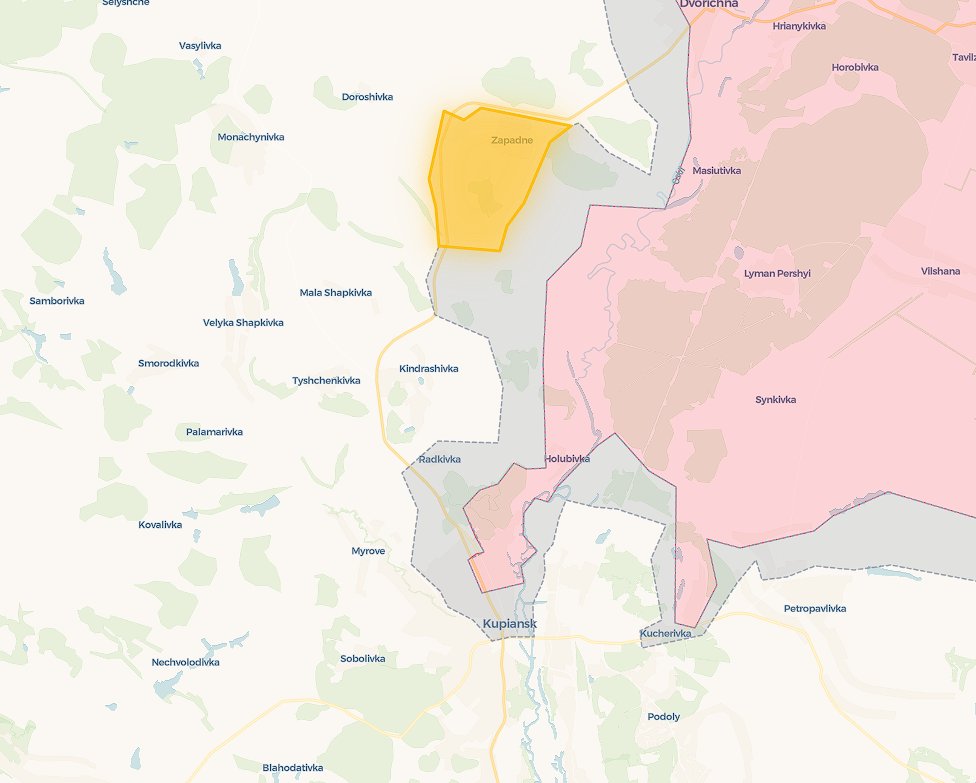
Further north, Ukrainian troops advanced beyond the Kupyansk axis, extending their foothold toward the Kharkiv region. The movement, reported at 06:14 UTC, involved mechanized infantry supported by anti‑tank guided missiles, consolidating a corridor that threatens the Russian defensive line along the Oskil River (monitor_the_situation, 06:14:53).
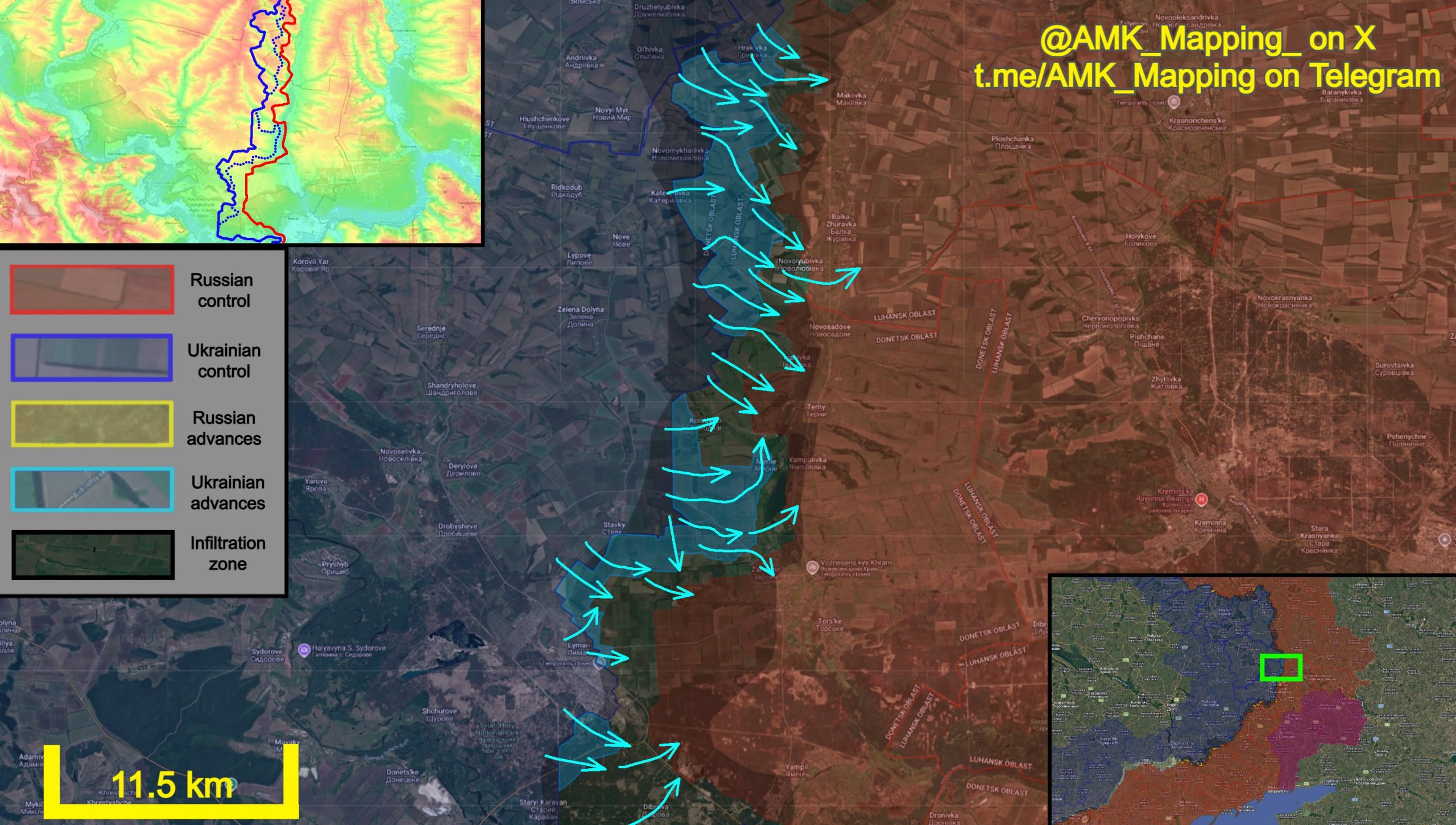
In the Krasny Lyman sector, Ukrainian forces continued a two‑week push that saw the recapture of multiple villages and a crossing of the Zherebets River into Luhansk Oblast. According to a CIG_telegram update at 10:34 UTC, the advance has brought Ukrainian units within 5 km of the remaining Russian bridgehead, tightening pressure on supply routes from the Donetsk direction.
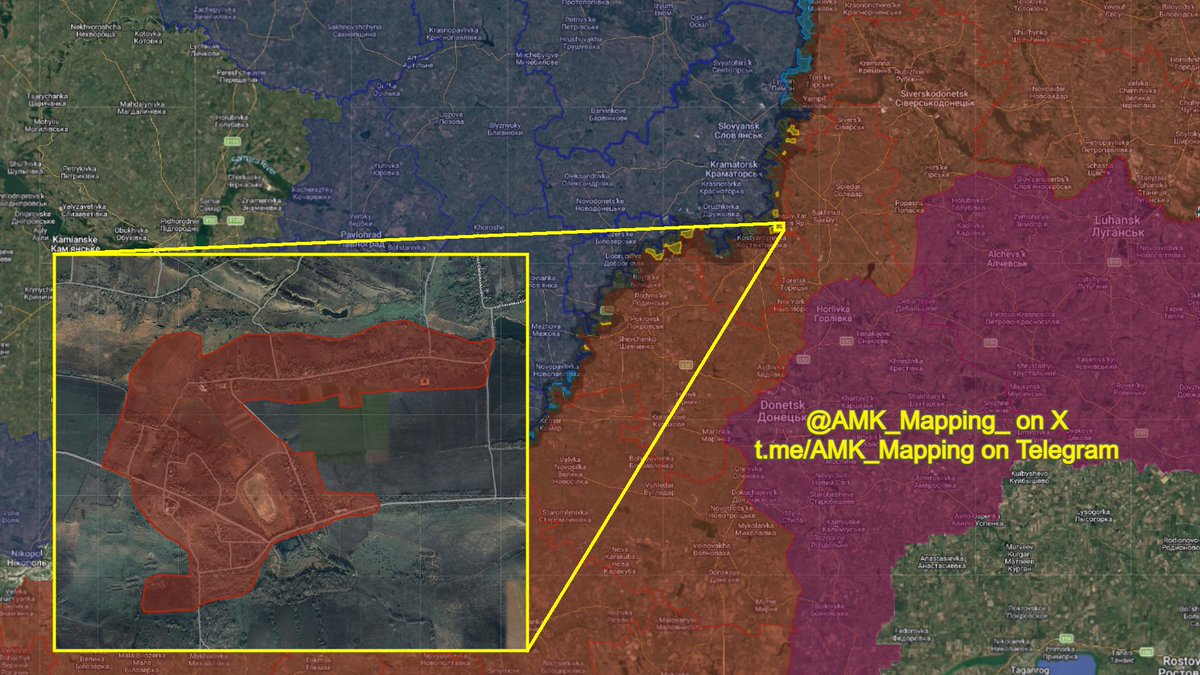
Conversely, Russian forces secured a tactical victory by capturing the village of Chervone in Donetsk Oblast after a 3.5‑month battle (monitor_the_situation, 10:06:23). The capture restores a Russian‑controlled corridor along the Kostyantynivka axis, potentially enabling renewed artillery fire on nearby Ukrainian positions.
Drone Warfare and Border Incidents
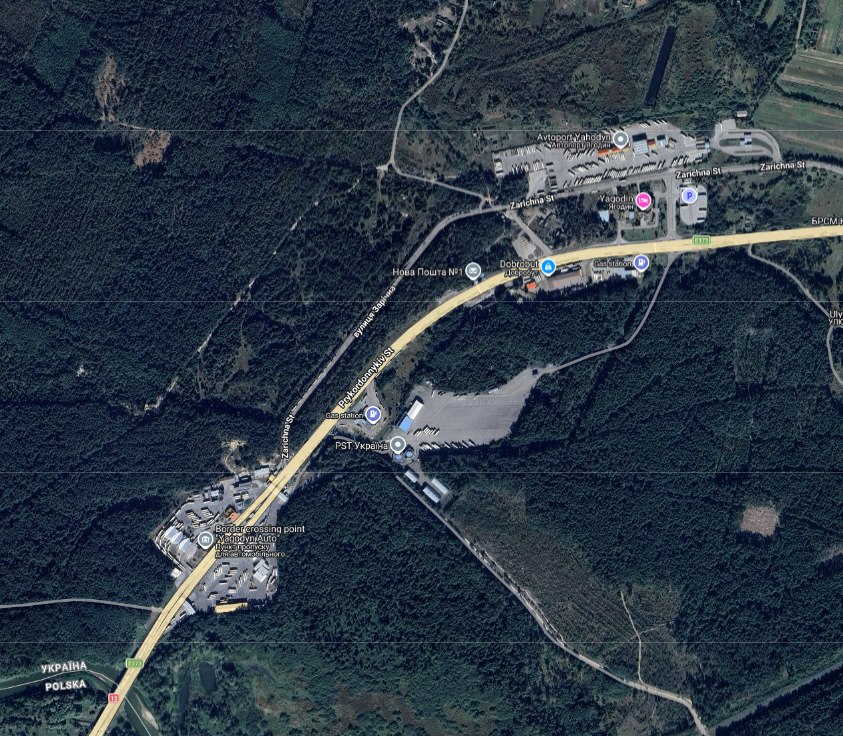
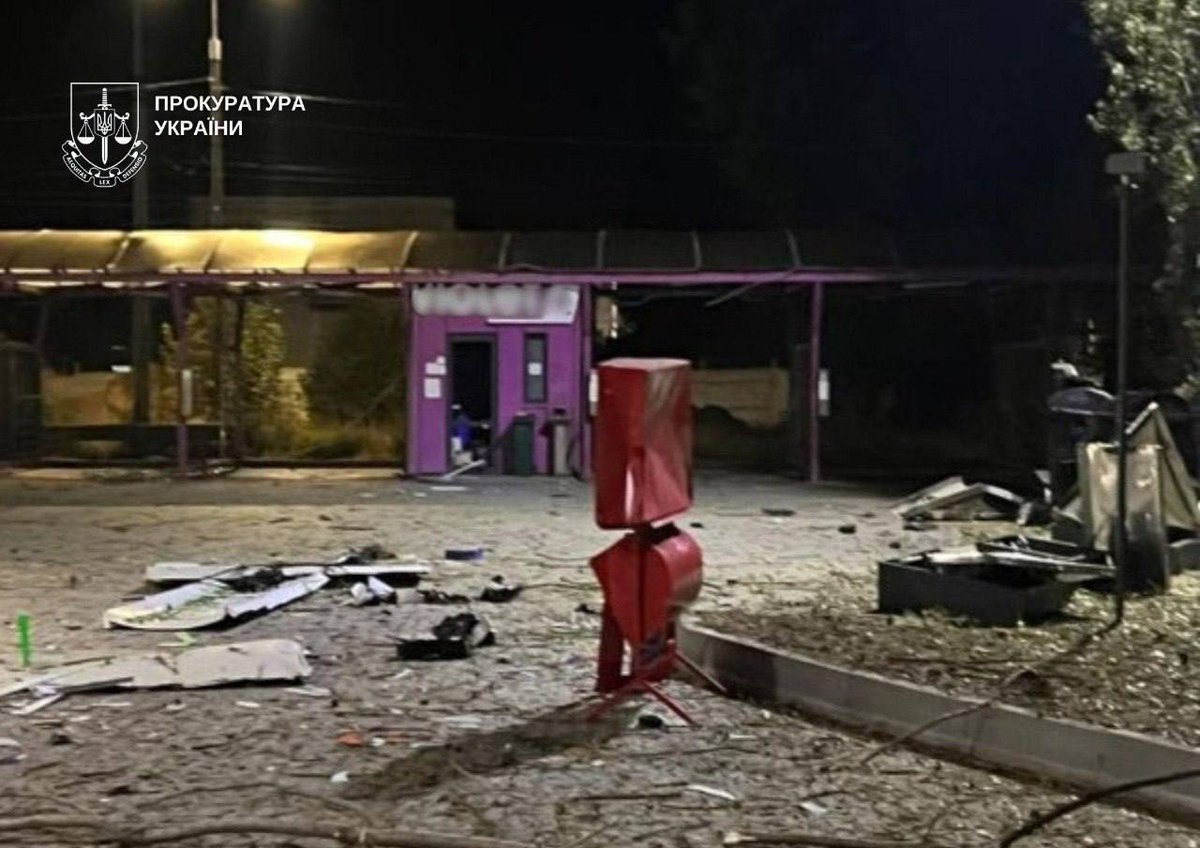
Unmanned aerial systems featured prominently on both sides of the conflict. At 10:02 UTC, a Russian Geran‑4 jet‑drone struck the Yagodyn border crossing in Volyn Oblast, near the Polish frontier. Sirens sounded in Lublin, Poland, but the drone did not breach Polish airspace. The incident, documented by monitor_the_situation, underscores the risk of cross‑border escalation as Russian drones operate close to NATO territory.
Ukrainian drone units achieved notable successes. The 237th Battalion destroyed two Russian BM‑21 Grad launchers on the Huliaipole‑Pology supply route in Zaporizhzhia Oblast at 09:22 UTC, disrupting artillery resupply for Russian forces (monitor_the_situation, 09:22:06). Later, the Yastruby Regiment employed Seth‑X loitering munitions to strike Russian positions in Donbas, demonstrating the expanding role of autonomous strike platforms in Ukrainian offensive doctrine (monitor_the_situation, 09:16:46).
Poland responded to the threat of Russian Shahed‑type drones operating over western Ukraine. At 10:48 UTC, Polish fighter jets were scrambled as a Shahed drone entered Lviv Oblast airspace; the drone later fell near the Polish border, prompting heightened alert status for Polish air‑defence units (monitor_the_situation, 10:48:39).
Casualty and Loss Reporting
The Ukrainian General Staff released a casualty assessment indicating that Russian forces suffered approximately 1,960 combat losses in Ukraine over the previous 24 hours, bringing the cumulative war‑time loss figure to over 1.5 million since the invasion began (monitor_the_situation, 06:17:35). While the Ukrainian side did not disclose its own loss figures for the day, the report reflects the intensity of ongoing kinetic engagements across multiple fronts.
Overall, the day's events illustrate a dual trajectory: intensified Russian kinetic pressure on civilian and industrial targets, paired with a Ukrainian counteroffensive that continues to reclaim territory and degrade Russian logistical capabilities through precision drone strikes and coordinated ground maneuvers.