On September 16, 2026, a building collapse in Gaza City resulted in at least ten fatalities and left up to seventy individuals missing, marking the day’s most severe humanitarian incident.
“At least 10 dead, dozens missing in Gaza building collapse,” Al Jazeera reported.
The structure, located in a densely populated district of Gaza City, gave way early in the morning, trapping residents under rubble. Rescue teams, hampered by limited access and ongoing hostilities, continue to search for survivors. The incident underscores the fragility of civilian infrastructure amid the protracted conflict.
Ceasefire Toll Continues to Rise
According to the Gaza Health Ministry, the death toll since the October ceasefire has approached 1,400 Palestinians. The ministry’s statement, disseminated via the monitor_the_situation channel, emphasizes that the truce has not halted violence, with casualties accruing from intermittent airstrikes, artillery fire, and ground incursions.
“Gaza’s Health Ministry reports nearly 1,400 Palestinians killed since the October ceasefire,” the source noted.
The cumulative figure reflects both direct combat losses and indirect deaths caused by deteriorating medical services, water shortages, and power outages.
Regional Air Defense Engagements
In a coordinated defensive operation, United States forces deployed between 60 and 70 Patriot interceptors and more than a dozen Terminal High Altitude Area Defense (THAAD) missiles to counter an estimated twenty Iranian ballistic missiles launched toward Jordan. The engagement took place over Muwaffaq Salti Air Base in the Al Karak Governorate at approximately 01:29 UTC.
Despite the dense missile barrage, several projectiles penetrated the defensive envelope, striking aircraft stationed at the base. The incident, reported by monitor_the_situation, illustrates the heightened risk of escalation between Tehran and Washington‑aligned forces in the region.
Drone and Missile Activity in the Gulf
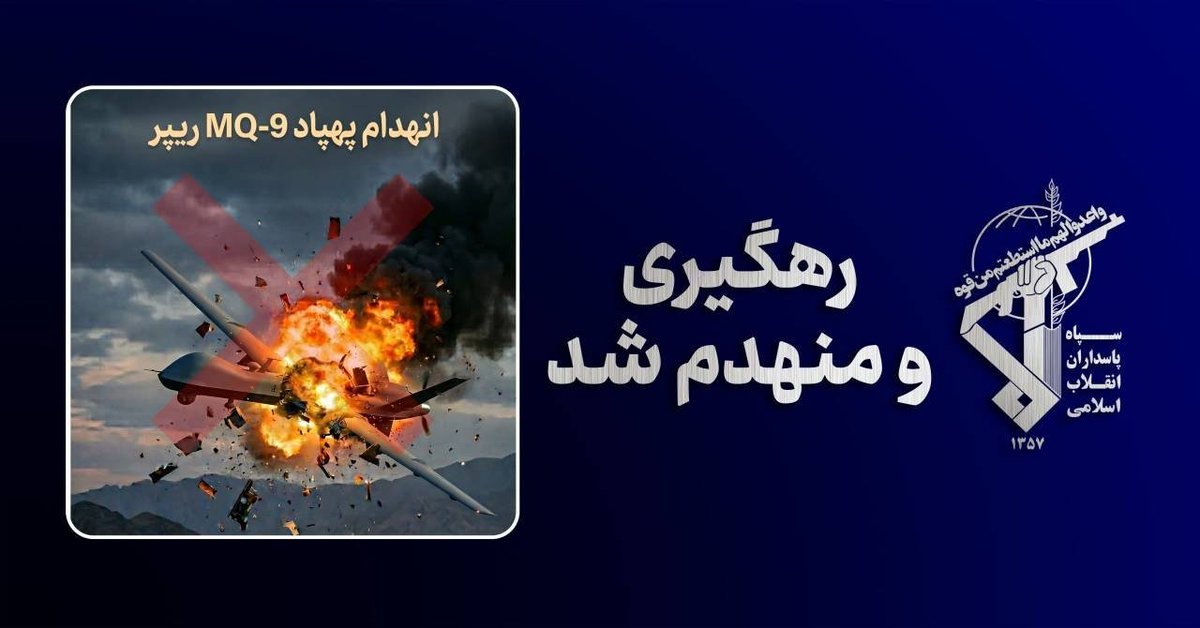
Iran’s Islamic Revolutionary Guard Corps (IRGC) claimed to have shot down a United States MQ‑9 Reaper drone over Qeshm Island in the Strait of Hormuz. The claim, posted on monitor_the_situation, marks the 52nd alleged interception of a U.S. UAV by Iranian air defenses since the war began. Independent verification remains pending.
Separately, Saudi Arabian forces intercepted a Houthi‑operated drone near Mecca, and later, a Houthi ballistic missile attempting to enter the city’s airspace. Both events were documented by JPost and idkunim_il respectively, highlighting the expanding reach of Yemen’s Houthi militia toward Saudi religious sites.
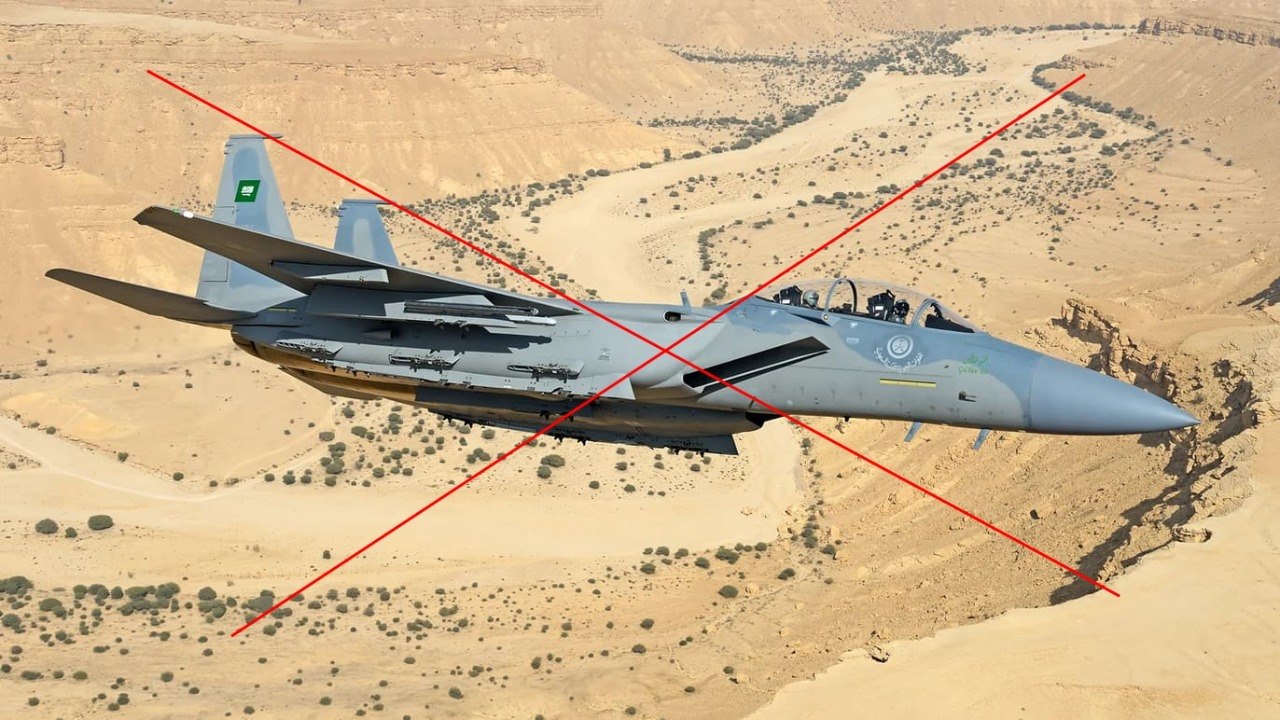
In a related development, a Saudi RSAF F‑15SA fighter was reported shot down over Marib, Yemen, according to a statement from the Ansar Allah Political Bureau. An earlier, unconfirmed report also suggested a Saudi F‑15SA was downed within Saudi territory. Both claims await independent confirmation.
Cross‑Border Strikes and Claims
Ukraine launched a cruise missile that struck a warehouse adjacent to the Atlant Aero drone plant in Taganrog, Rostov Oblast, Russia. The missile caused a severe fire and partial structural collapse, as captured in video footage shared by monitor_the_situation. The attack demonstrates Ukraine’s continued use of long‑range precision weapons against Russian military‑industrial assets.
In northern Iraq, drones linked to Iran targeted the headquarters of a Kurdish opposition group. The JPost reported that the strike was part of a broader pattern of Iranian covert operations against dissident factions operating from Iraqi territory.
Ground Operations in the West Bank
Israeli Defense Forces (IDF) conducted a helicopter‑borne raid on a residential building in Yatta, West Bank. Soldiers descended via ropes onto the roof, an operation reported by AlJazeera. The raid, which did not involve direct fire, is part of a series of IDF incursions aimed at apprehending suspected militants.
Overall, the day’s events reflect a multi‑theater environment where humanitarian crises, high‑intensity air defense engagements, and covert drone operations intersect, raising the risk of broader regional destabilization.