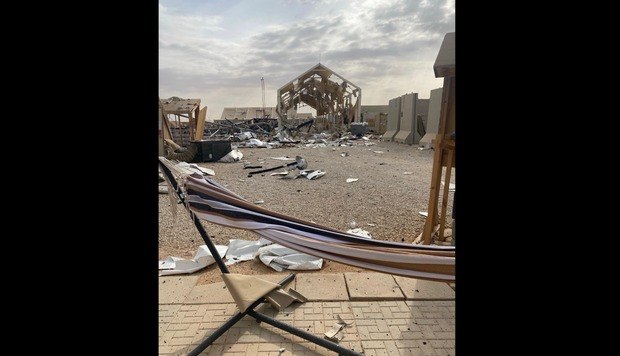
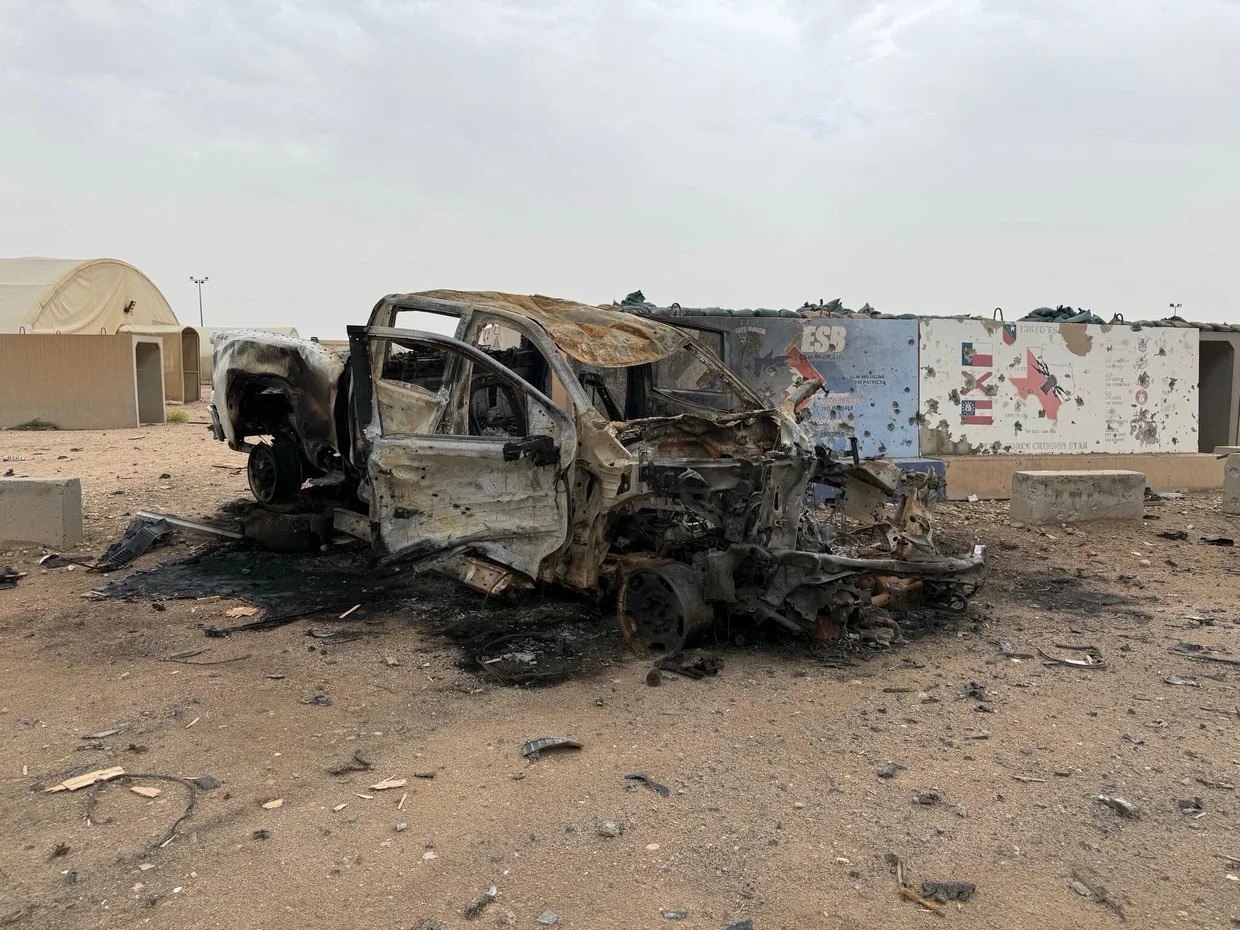
On September 16, 2026, a war‑damaged building in Gaza City collapsed at 17:07, killing at least 21 Palestinians. The incident, reported by Al Jazeera, highlights the lethal danger posed by unstable ruins that remain after weeks of intensive bombardment. The collapse occurred in a densely populated district, where many families continue to shelter in structures that have already sustained extensive damage.
"Nowhere to go": Gaza’s damaged buildings turn deadly
Al Jazeera’s coverage (source) notes that the building had been compromised by prior airstrikes and shelling, yet no evacuation was possible due to the lack of safe alternatives for the displaced population.
Earlier airstrike‑induced collapse adds to the toll
Earlier that morning, at 10:32, an Israeli Defense Forces (IDF) airstrike weakened the foundation of a residential block in western Gaza City. The structure collapsed, killing at least 20 people, including six children, and leaving 68 individuals missing. The report from GeoPWatch (source) described the building as having been hit days earlier, suggesting a cumulative effect of repeated strikes on structural integrity.
Artillery shelling compounds civilian risk
At 10:26, Israeli artillery fire struck the Al‑Bureij refugee camp in central Gaza, wounding several Palestinians. The monitor_the_situation channel (source) posted video evidence of the impact, confirming the use of conventional artillery shells. Later, at 14:07, artillery shelling in Gaza City resulted in one civilian death and two injuries, as reported by the same source (source).
Double‑tap airstrikes target first responders
Two separate double‑tap strikes were documented on September 16. The first, at 10:21, killed a 15‑year‑old boy and a paramedic who was attending to earlier casualties (Al Jazeera video). A second, at 15:00, repeated the pattern, again killing a paramedic and a 15‑year‑old schoolboy in Gaza City (source). These attacks illustrate a tactical approach that targets medical personnel and civilians responding to initial strikes.
Broader humanitarian context
The cumulative effect of structural collapses, artillery, and airstrikes compounds an already dire humanitarian situation. At 14:51, the United Nations Development Programme (UNDP) warned that 300,000 people in the Gaza Strip remain without adequate shelter (source). The Gaza Health Ministry, at 10:51, cautioned that the health system is on the brink of total collapse due to severe fuel and medicine shortages (source). These statements underscore the systemic vulnerability that amplifies the impact of kinetic events.
Targeted killings of Hamas operatives
While the focus of this briefing is kinetic civilian harm, it is notable that the IDF also conducted targeted strikes against Hamas leadership on the same day. At 14:31, a strike in Khan Younis eliminated Hamas Nukhba commander Jihad Samih Mahmoud Ismail (source). Later, at 17:59, an IDF operation in Daraj Tuffah killed Hamas commander Sa'id As'ad Sa'id Akrim and two additional militants (source). Although these actions are classified as assassinations, they occurred within the same operational environment that produced the civilian casualties described above.
Overall, the events of September 16 demonstrate a pattern in which repeated kinetic actions—airstrikes, artillery, and structural collapses—directly translate into high civilian mortality and injury rates. The lack of safe shelter, combined with ongoing shortages of medical supplies, creates a feedback loop that magnifies the human cost of each subsequent strike.