On September 15, 2026, Israeli military actions escalated across the Palestinian territories, beginning with a critical airstrike that hit the Shaikh Ridwan neighborhood in western Gaza City. The strike, reported by the monitoring channel monitor_the_situation, resulted in undisclosed civilian casualties and underscored a pattern of high‑intensity kinetic engagements targeting both militant infrastructure and individual operatives.
Critical Airstrike in Shaikh Ridwan
At 12:47 UTC, two Israeli airstrikes struck the densely populated Shaikh Ridwan district of Gaza City. The attacks were confirmed by a Telegram post from monitor_the_situation. While the exact number of fatalities and injuries has not been released, the source indicated that “casualties are reported following the strikes.” The neighborhood, located in the western sector of Gaza City, has historically been a civilian hub, raising immediate concerns about proportionality and the protection of non‑combatants.
"Two Israeli airstrikes targeted the Shaikh Ridwan neighborhood in western Gaza City; casualties are reported following the strikes." – monitor_the_situation, 12:47 UTC, 15 Sept 2026
The weapons employed were conventional aerial munitions, though the specific ordnance type was not disclosed. No militant organization claimed responsibility for the target, suggesting the strike may have been aimed at perceived infrastructure or a suspected weapons cache.
Targeted Assassinations of Hamas and PIJ Leaders
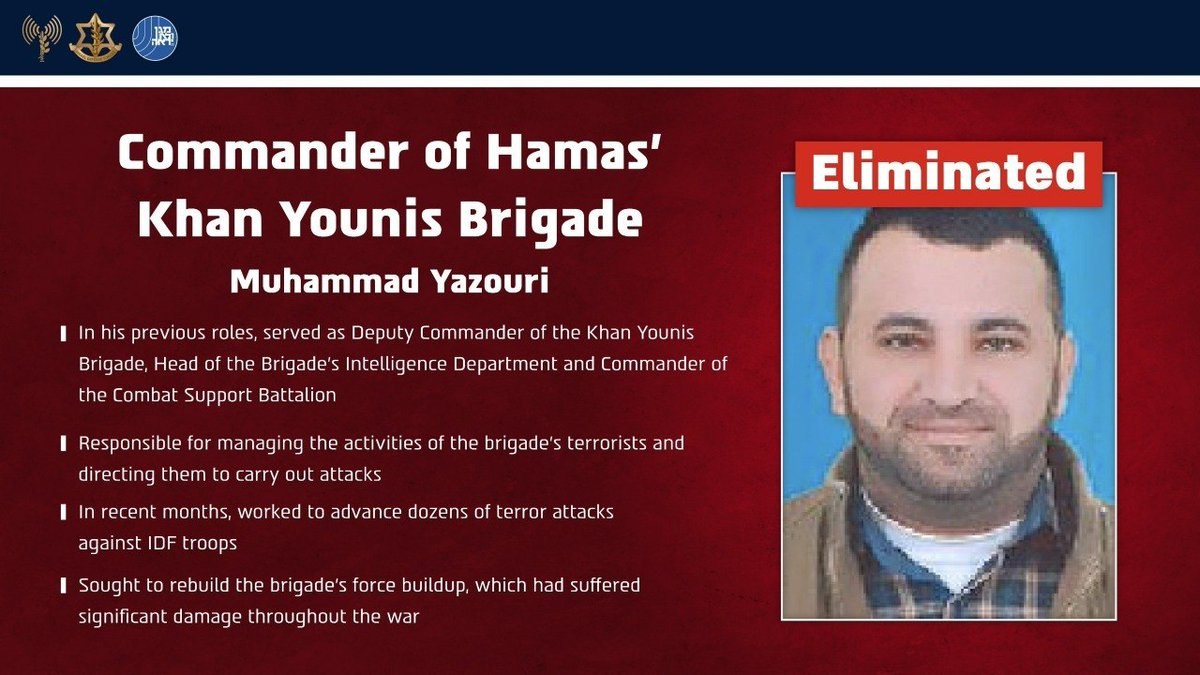
Within the same day, Israeli forces conducted a series of precision killings of senior militants in both Gaza City and Khan Younis. At 16:33 UTC, the IDF eliminated six Hamas operatives, including Muhammad Yazouri, commander of the Al‑Qassam Brigades’ Khan Yunis Brigade. The announcement, posted by monitor_the_situation and cross‑referenced on X by @no_itsmyturn, highlighted the strategic value of removing brigade leadership.
Earlier, at 16:13 UTC, the Israeli Air Force carried out an airstrike in Khan Younis that killed Mohsen Farid Said Abu al‑Had, a rocket squad leader of the Palestinian Islamic Jihad (PIJ). Abu al‑Had had participated in the October 7 massacre at Kissufim, according to the same source. The operation employed an air‑delivered precision munition, and a video of the strike was circulated by the monitoring channel.
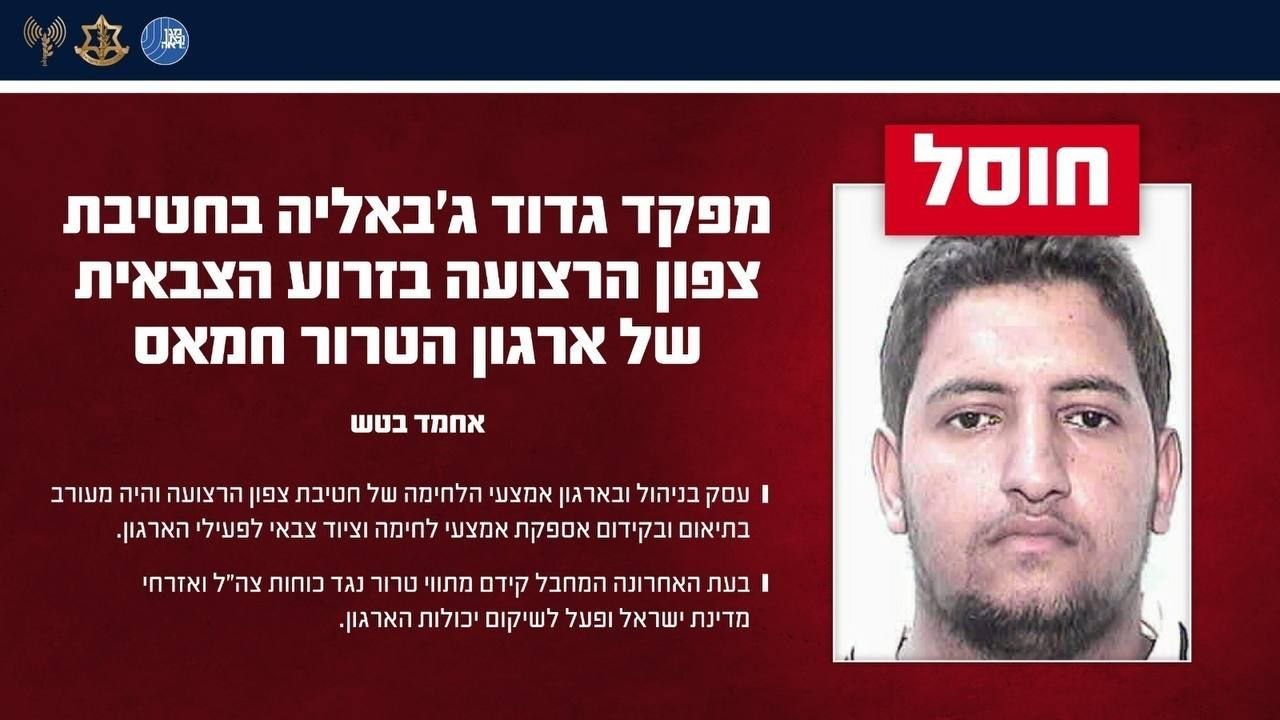
In northern Gaza, at 15:01 UTC, the Israeli Defense Forces (IDF) targeted and killed Ahmad Batash, a Hamas logistics commander responsible for supplying weapons to the Northern Gaza Brigade. This strike was reported by the Jerusalem Post and confirmed via satellite imagery showing the impact site.
These assassinations collectively removed key operational leaders from both Hamas and PIJ, potentially disrupting command‑and‑control networks and supply chains. However, the immediate tactical impact on ground combat remains to be assessed.
UAV Interception Near Ain Jalout
At 15:29 UTC, the Israeli Air Force deployed a combat drone to engage an unmanned aerial vehicle (UAV) near Ain Jalout in central Gaza. The strike, documented by monitor_the_situation, demonstrated Israel’s expanding use of aerial platforms to deny the enemy aerial reconnaissance capabilities. No casualties were reported, and the UAV was destroyed in mid‑air.
Additional Airstrikes on Command Posts
Earlier in the afternoon, at 14:08 UTC, the IDF destroyed a Hamas command post in Jabalia, a densely populated suburb north of Gaza City. The operation, reported by the Telegram channel idkunim_il, involved a ground‑based precision strike, though the exact weapon system was not specified. Photographic evidence released by the source showed the aftermath of the blast, confirming the elimination of the command facility.
Ground Operations in the West Bank
Parallel to the Gaza‑focused kinetic actions, Israeli forces conducted a series of raids in the West Bank. At 07:01 UTC, a coordinated sweep across multiple locations resulted in the detention of 21 Palestinians, as reported by monitor_the_situation. The operation was described as part of “ongoing operations in the occupied territory,” though specific intelligence objectives were not disclosed.
Later, at 06:37 UTC, Israeli troops entered a residential home in Al‑Bireh, West Bank, and opened fire, killing a Palestinian man. Video footage released by the same monitoring channel captured the moment of the shooting, indicating the use of firearms by the Israeli forces. The incident underscores the heightened risk of lethal engagements during night‑time raids.
Overall Assessment
The sequence of events on September 15 reflects a multi‑theater approach by Israeli security forces, combining high‑intensity airpower with targeted assassinations and ground raids. The critical airstrike in Shaikh Ridwan marks the most severe kinetic event of the day, given its location in a civilian‑dense urban area and the reported casualties. Subsequent precision killings of Hamas and PIJ leaders suggest an intelligence‑driven campaign aimed at degrading militant command structures.
Simultaneously, the use of drones to neutralize enemy UAVs and the destruction of a Hamas command post in Jabalia illustrate Israel’s emphasis on air superiority and pre‑emptive disruption of enemy coordination. In the West Bank, the raids and lethal force employed against a civilian underscore the broader security posture extending beyond Gaza.
While the immediate tactical gains for Israeli forces are evident—removal of senior militants and the degradation of command facilities—the longer‑term strategic implications remain uncertain. Civilian casualties, particularly in the Shaikh Ridwan strike, may exacerbate humanitarian concerns and fuel further cycles of retaliation. Continuous monitoring of casualty figures, displacement data, and militant response will be essential for assessing the evolving security dynamics in the region.