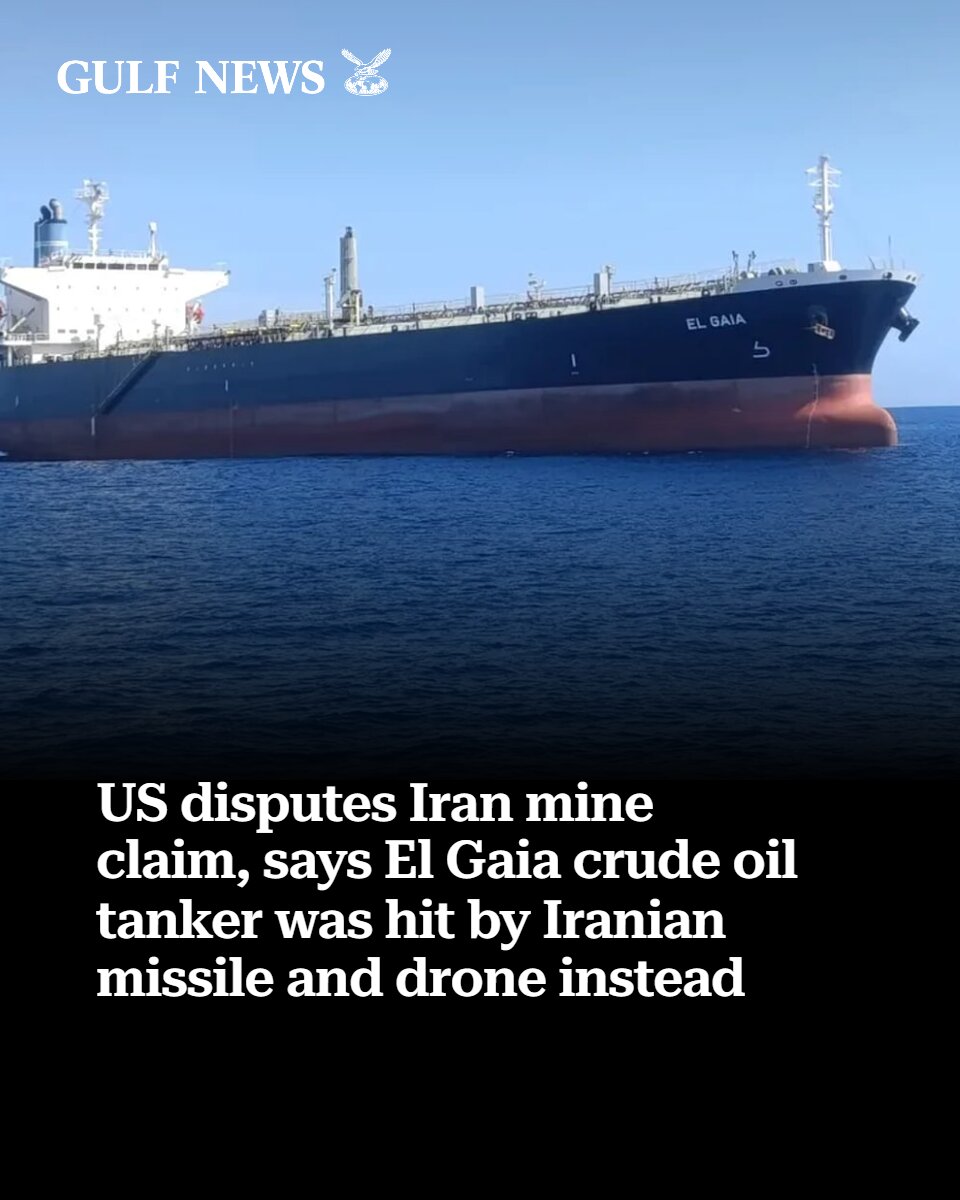
On 15 September 2026, the United States Central Command (CENTCOM) publicly denied Iran’s assertion that a Paraguayan‑flagged tanker, the El Gaia, had struck a naval mine in the Strait of Hormuz. Instead, CENTCOM attributed the recent hostile actions in the narrow waterway to Iranian‑launched missiles and unmanned aerial systems, underscoring a rapid escalation in a region already fraught with geopolitical friction.
Strait of Hormuz: US‑Iran Confrontation
The incident occurred at 02:18 UTC, when Iranian forces claimed that the El Gaia had detonated a mine while transiting the strategic chokepoint between Oman and Iran. CENTCOM’s statement, released via the monitoring channel monitor_the_situation, categorically rejected the mine narrative, stating that “the attacks were from Iranian missiles and drones.” No casualties were reported among the tanker’s crew, and the vessel continued its voyage after a brief inspection.
"Iran’s claim that a Paraguayan‑flagged tanker hit a mine is false. The attacks were carried out with missiles and drones launched from Iranian positions," – US Central Command, 15 Sept 2026.
The denial highlights two critical security concerns. First, the presence of Iranian missile systems capable of striking maritime traffic in the Strait raises the risk of commercial shipping disruptions. Second, the use of drones—both for reconnaissance and kinetic strikes—demonstrates a widening of Iran’s asymmetric warfare toolkit, complicating detection and response for U.S. and allied naval forces.
Missile Strikes on Russian Industrial Targets
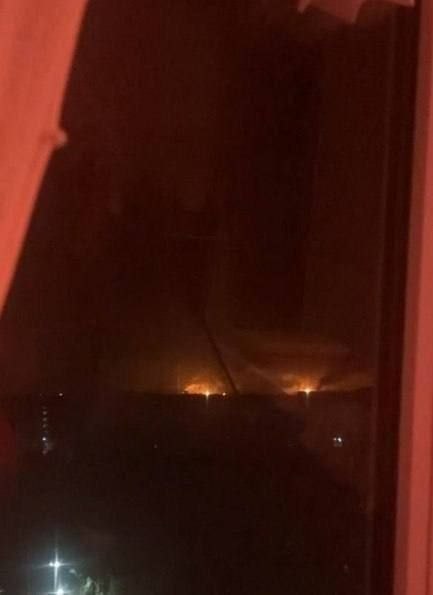
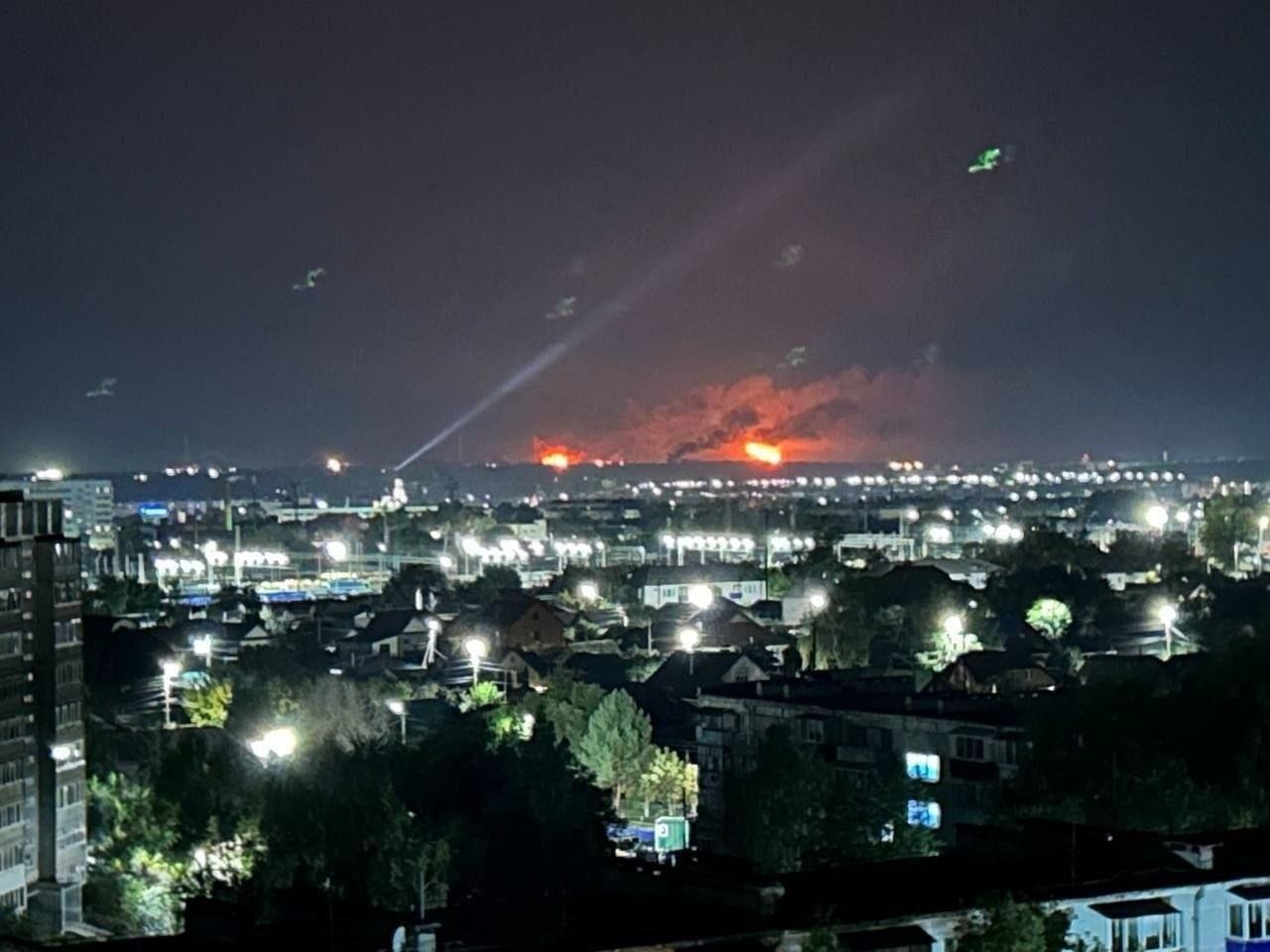
In a separate theater, Ukrainian‑aligned forces launched missile attacks against two high‑value Russian installations. At 04:26 UTC, the Syzran Oil Refinery in Samara Oblast suffered a direct hit, marking the latest in a series of assaults on Russia’s energy infrastructure. Simultaneously, the Beriev Aircraft Company in Taganrog, a key manufacturer of maritime patrol and amphibious aircraft, was struck by a missile, according to footage disseminated by the Telegram channel intelslava.
"🇺🇦🇷🇺⚡️ — The enemy attacked the Syzran Oil Refinery once again. Taganrog was also subjected to a missile attack. Preliminary reports indicate that the target was the Beriev Aircraft Company," – intelslava, 15 Sept 2026.
Both attacks were captured by local residents and posted as video and photographic evidence. While official casualty figures have not been released, on‑site reports indicate no immediate fatalities, though damage to processing units at Syzran and production lines at Beriev could impair regional fuel supplies and aircraft output for several weeks. The weapons employed were identified as conventional ballistic missiles, though the exact type remains unconfirmed.
Iran Downing a U.S. MQ‑1 Drone
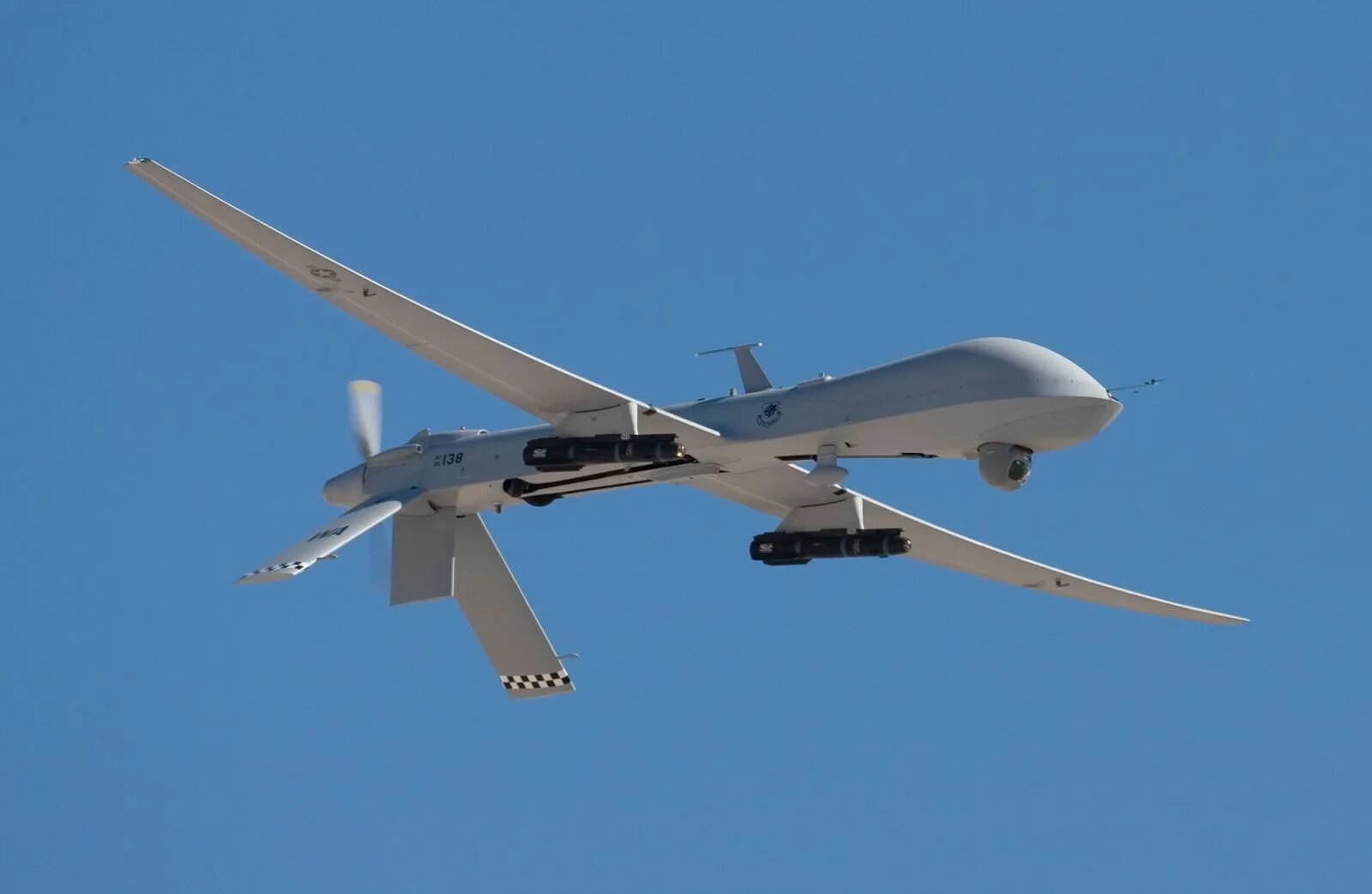
Adding to the maritime tension, Iran announced at 03:56 UTC that its air defense forces had successfully intercepted and downed a United States Air Force MQ‑1 Predator drone over the Strait of Hormuz. The claim, posted by the Telegram channel GeoPWatch, cited visual confirmation of the drone’s wreckage floating near the Iranian coastline.
"Iran claimed it shot down another USAF MQ-1 drone over the Strait of Hormuz," – GeoPWatch, 15 Sept 2026.
The United States has not yet issued an official response, and no U.S. casualties were reported. The incident marks the first confirmed shoot‑down of a U.S. UAV in the Gulf since the 2023 escalation, raising questions about the robustness of existing de‑confliction protocols and the potential for inadvertent escalation should a manned aircraft be involved in future engagements.
Russian Advances in Eastern Ukraine
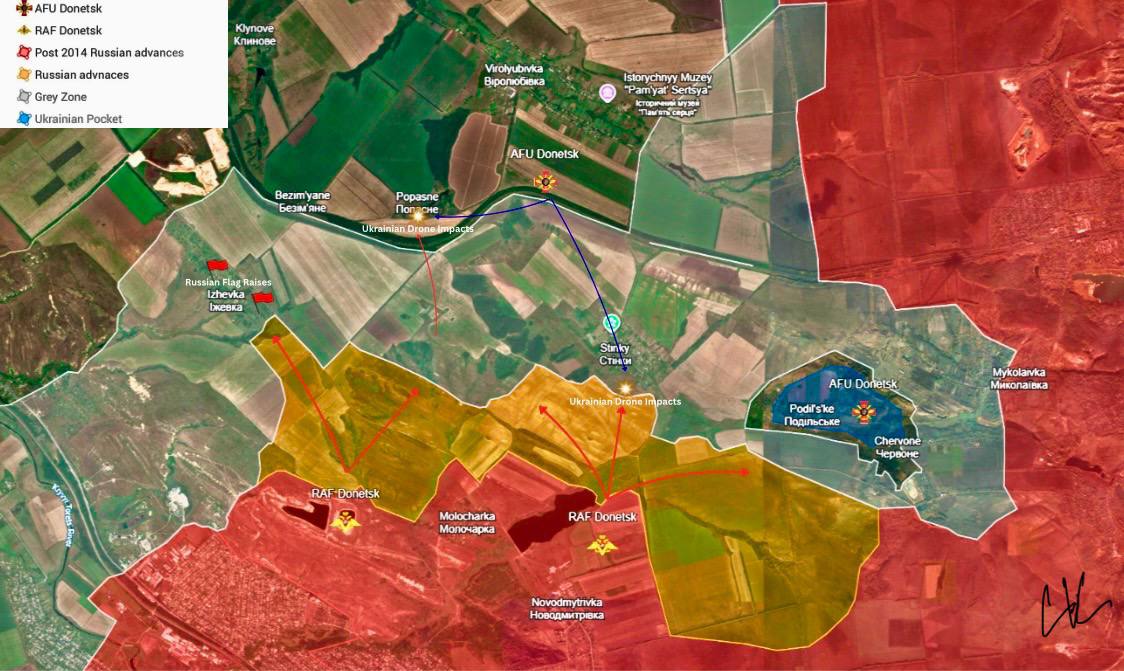
While the Middle East theater dominated headlines, ground movements in Eastern Ukraine continued unabated. At 01:59 UTC, the Telegram channel GeoPWatch reported that Russian forces were advancing north of Kostyantynivka, threatening Ukrainian positions near Chasiv Yar. Concurrently, Ukrainian drones conducted strikes on Russian-held locations in Izhevka, Popasne, and south of Stinky, illustrating the ongoing contest for air superiority at the tactical level.
"🇷🇺❌🇺🇦- In recent weeks Russian forces continue to push north of Kostyantynivka with the remaining Ukrainian formations west of Chasiv Yar now under threat of being physically encircled. ➡️ Media surfaced of Russian personnel raising their flags over the village of Izhevka along with Ukrainian drones attacking Russian positions in Popasne and south of Stinky," – GeoPWatch, 15 Sept 2026.
No casualty numbers were disclosed for either side, and the engagements appear limited to localized skirmishes rather than large‑scale offensives. Nevertheless, the reported flag‑raising in Izhevka suggests a symbolic effort by Russian forces to consolidate control over newly captured settlements, while Ukrainian drone activity indicates a sustained capability to conduct precision strikes despite supply constraints.
Analytical Assessment
The convergence of these events on a single day underscores a broader pattern of heightened security risks across multiple domains. In the Persian Gulf, Iran’s willingness to employ both missile and drone assets against commercial and military targets reflects an escalation strategy aimed at leveraging asymmetrical tools to offset conventional naval superiority. The U.S. denial of a mine incident, coupled with the downing of an MQ‑1 drone, signals a fragile de‑confliction environment where misinterpretations could rapidly spiral.
Simultaneously, the missile attacks on Russian industrial sites demonstrate Ukraine’s continued focus on degrading Russia’s war‑fighting capacity through precision strikes on energy and aerospace assets. Although casualty reports remain minimal, the strategic impact of disrupting fuel processing and aircraft production could have longer‑term implications for Russia’s logistical sustainment.
Finally, the ground movements in Eastern Ukraine illustrate that, despite diplomatic overtures elsewhere, the conflict on the Eastern Front remains dynamic, with both sides employing drones for reconnaissance and strike missions. The lack of reported casualties suggests that these engagements are still largely limited to probing actions rather than decisive battles.
Collectively, these incidents highlight the interconnected nature of modern conflict, where actions in one theater can reverberate through global supply chains, energy markets, and diplomatic calculations. Stakeholders should monitor the Strait of Hormuz closely for further escalation, while also tracking the efficacy of Ukrainian missile strikes on Russian industrial capacity as a barometer of Kyiv’s offensive capabilities.