On 14 September 2026, the Houthis announced that Saudi Arabia conducted a coordinated air campaign involving 54 strikes by F‑15 and Eurofighter Typhoon aircraft across five Yemeni governorates. The attacks, reported by the CIG_telegram channel, targeted locations in Taiz, Lahij, Al‑Jawf, Marib and Hajjah. The Houthis warned that these actions "will not go unpunished," underscoring the heightened risk of retaliation.
Scale and Composition of the Air Campaign
The strikes were launched from Saudi air bases in Khamis Mushait and Taif, employing both legacy F‑15 fighter jets and newer Typhoon platforms. While casualty figures were not disclosed in the initial report, the breadth of the operation—spanning five governorates within a 24‑hour window—suggests a significant escalation in kinetic activity. The CIG_telegram source (https://t.me/CIG_telegram/83896) provided the primary details, noting that the targets included military installations, supply depots and alleged Houthi command centres.
"The attacks will not go unpunished," Houthis warned after the airstrikes.
Key takeaway: The use of both F‑15s and Typhoons indicates a concerted effort by Riyadh to leverage its most capable air assets in a bid to degrade Houthi operational capacity.
Introduction of Chinese DF‑15A Ballistic Missiles
In parallel with the air campaign, Saudi forces deployed Chinese‑made Dong Feng‑15 (DF‑15A) short‑range ballistic missiles against Houthi‑controlled areas. This marks the first confirmed use of the DF‑15A by Saudi Arabia, as documented by multiple open‑source channels.
At 11:27 local time, the monitor_the_situation channel reported that a DF‑15A missile misfired, striking a populated district in western Marib. Casualty numbers were not released, and the incident was described as a malfunction rather than a deliberate targeting of civilians. Shortly thereafter, GeoPWatch (https://t.me/GeoPWatch/39925) confirmed the recovery of a DF‑15A booster in Marib, providing physical evidence of the missile’s deployment.
Later, at 12:31, CIG_telegram (https://t.me/CIG_telegram/83879) added that Saudi Arabia launched additional Dong Feng‑15 ballistic missiles, some of which also misfired and impacted civilian areas in Marib. The channel noted that the acquisition of these missiles had been a closely guarded secret until this operation, suggesting a rapid procurement and fielding process.
Weapon profile: The DF‑15A is a short‑range, solid‑fuel ballistic missile with a typical range of 600 km, capable of delivering conventional warheads. Its introduction expands the Saudi coalition’s strike envelope, allowing engagement of targets beyond the reach of conventional air‑to‑ground munitions.
Ground Movements and Territorial Shifts
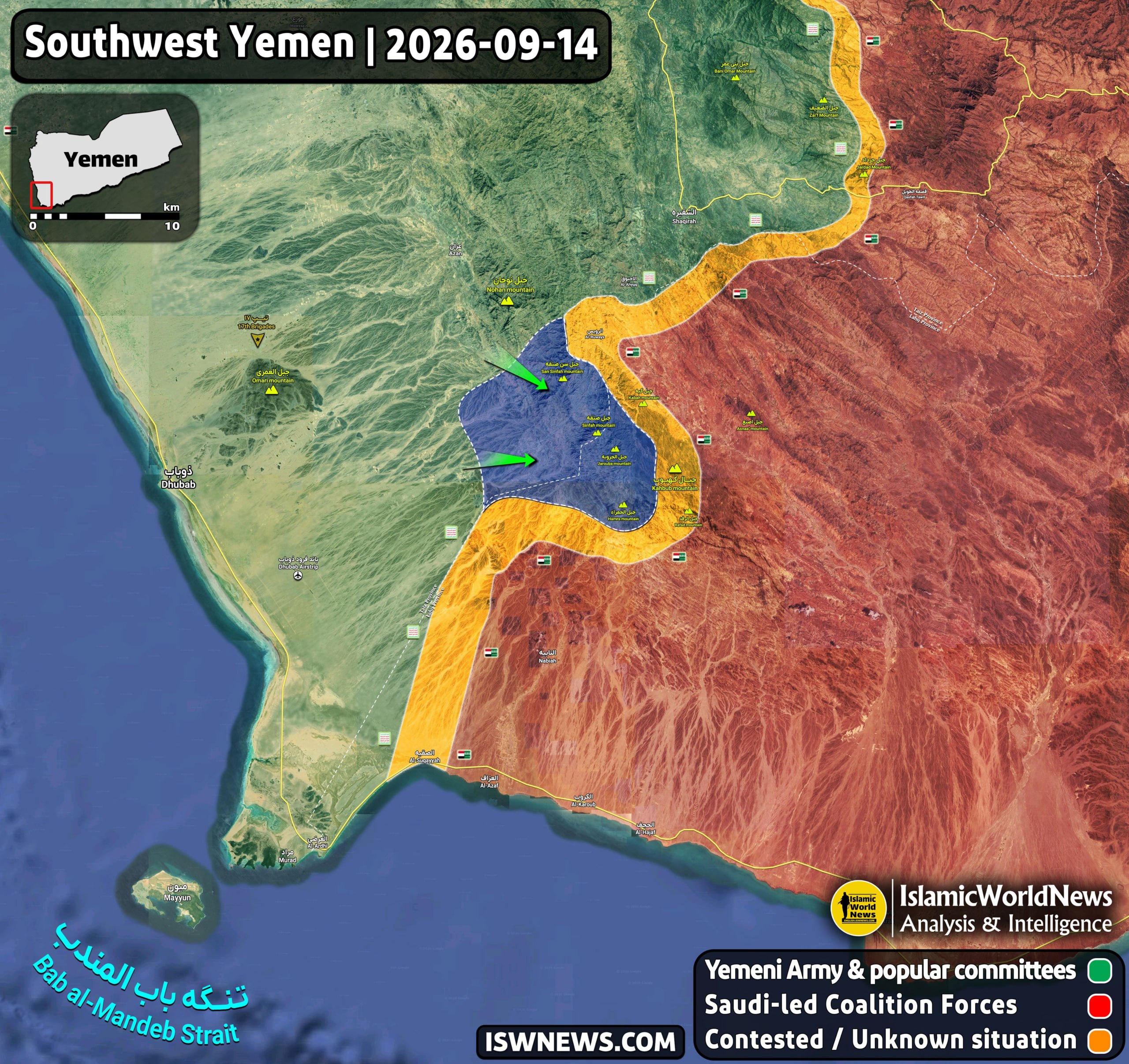
While kinetic strikes dominated the airspace, ground operations also intensified. Yemeni armed forces, supported by popular committees, seized strategic high ground in the Kahbub mountain range overlooking the Bab al‑Mandab Strait. According to CIG_telegram (https://t.me/CIG_telegram/83882), the operation cleared the heights of San Sanfah, Sanfah and Al‑Jarub, disrupting coalition observation posts.
During the same period, Saudi‑backed forces faced counter‑attacks that resulted in at least ten fatalities, as reported by the same source. The engagement involved a mix of ballistic missiles, a Rajum hexacopter drone and over a dozen Saudi fighter‑jet sorties, illustrating the multi‑domain nature of the conflict.
In the southern front, Yemeni forces captured Jabal Jardad and Jabal Habashi on Taiz’s western front, liberating several villages previously under government‑aligned control. Monitor_the_situation (https://t.me/monitor_the_situation/30774) documented the advance, noting that the terrain offers a tactical advantage for artillery placement and observation.
Simultaneously, Saudi logistical support continued unabated. At 17:24, monitor_the_situation reported the arrival of additional Saudi military equipment and vehicles in Ataq, Shabwah Governorate, reinforcing coalition ground capabilities (https://t.me/monitor_the_situation/30833).
Maritime Developments in the Southern Red Sea
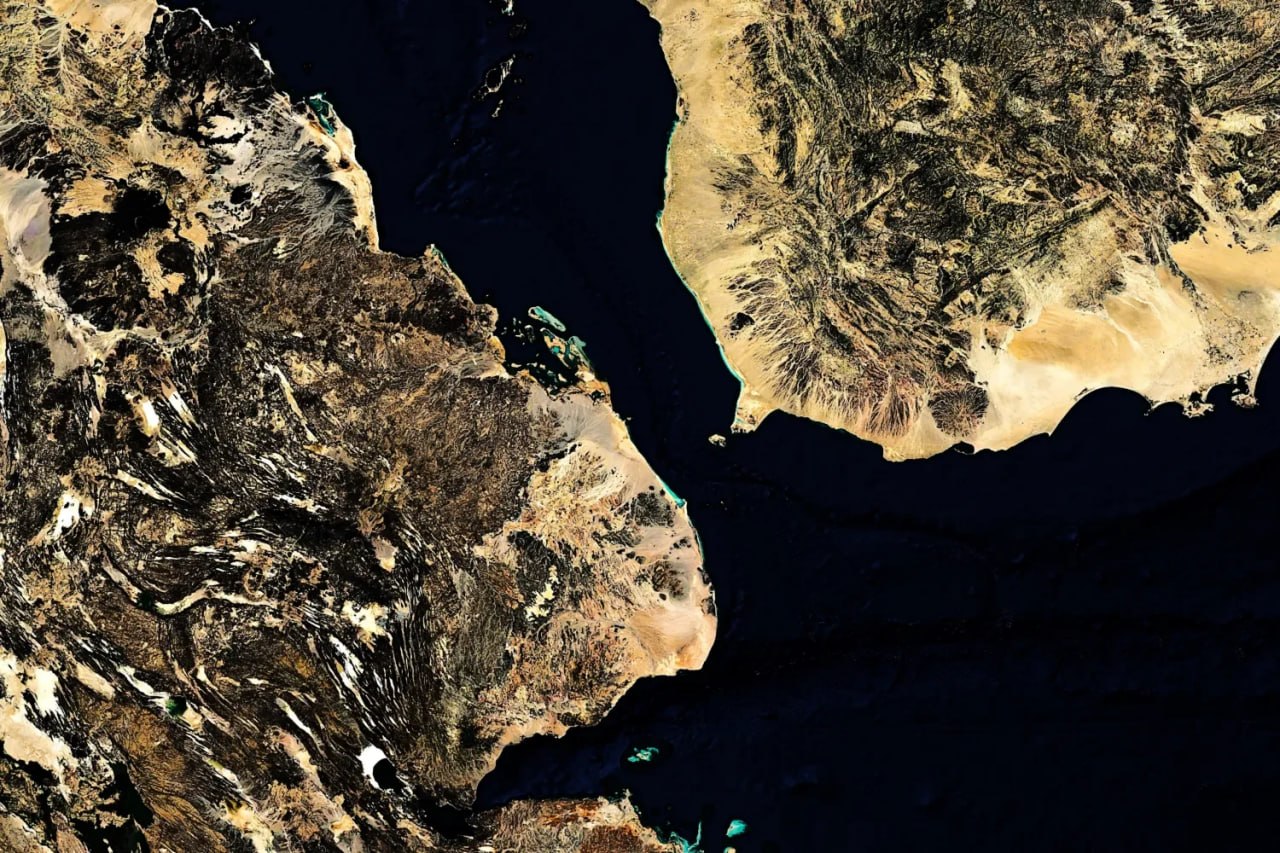
Control of the Bab al‑Mandab shipping lane remained a focal point. Houthis expanded their maritime presence by seizing Greater and Lesser Hanish islands, as well as additional unnamed islands in the southern Red Sea. OSINTdefender (https://t.me/OSINTdefender/20233) and monitor_the_situation (https://t.me/monitor_the_situation/30778) provided visual confirmation of the occupations.
The capture of these islands enhances Houthi leverage over one of the world’s busiest maritime chokepoints, potentially affecting commercial shipping and naval patrol patterns. No direct kinetic engagements were reported in the immediate vicinity of the islands on 14 September, but the strategic implication is significant.
Analytical Assessment
The coordinated use of high‑performance fighter jets, newly fielded Chinese ballistic missiles, and sustained ground offensives indicates a deliberate escalation by the Saudi‑led coalition. The airstrikes, described as the most extensive in a single day this year, aim to degrade Houthi command and control structures across multiple fronts.
Conversely, the misfires of DF‑15A missiles highlight operational challenges associated with rapid integration of foreign weapon systems. While the coalition gains a longer‑range strike capability, the incidents raise concerns about collateral damage and the potential for civilian casualties, which could influence international perception and humanitarian response.
On the ground, Yemeni forces continue to exploit terrain advantages, reclaiming high‑ground positions that could limit coalition air‑to‑ground effectiveness. The capture of strategic heights in the Kahbub range and on Taiz’s western front demonstrates coordinated planning between regular forces and local popular committees.
Maritime control remains contested. Houthi seizures of the Hanish islands extend their influence over the Bab al‑Mandab corridor, complicating coalition naval operations and raising the stakes for future engagements in the Red Sea.
Overall, the events of 14 September illustrate a multi‑layered escalation, combining air power, ballistic missile deployment, ground advances and maritime territorial gains. The convergence of these kinetic actions suggests a heightened phase of the Yemen conflict, with potential ramifications for regional security and international shipping.