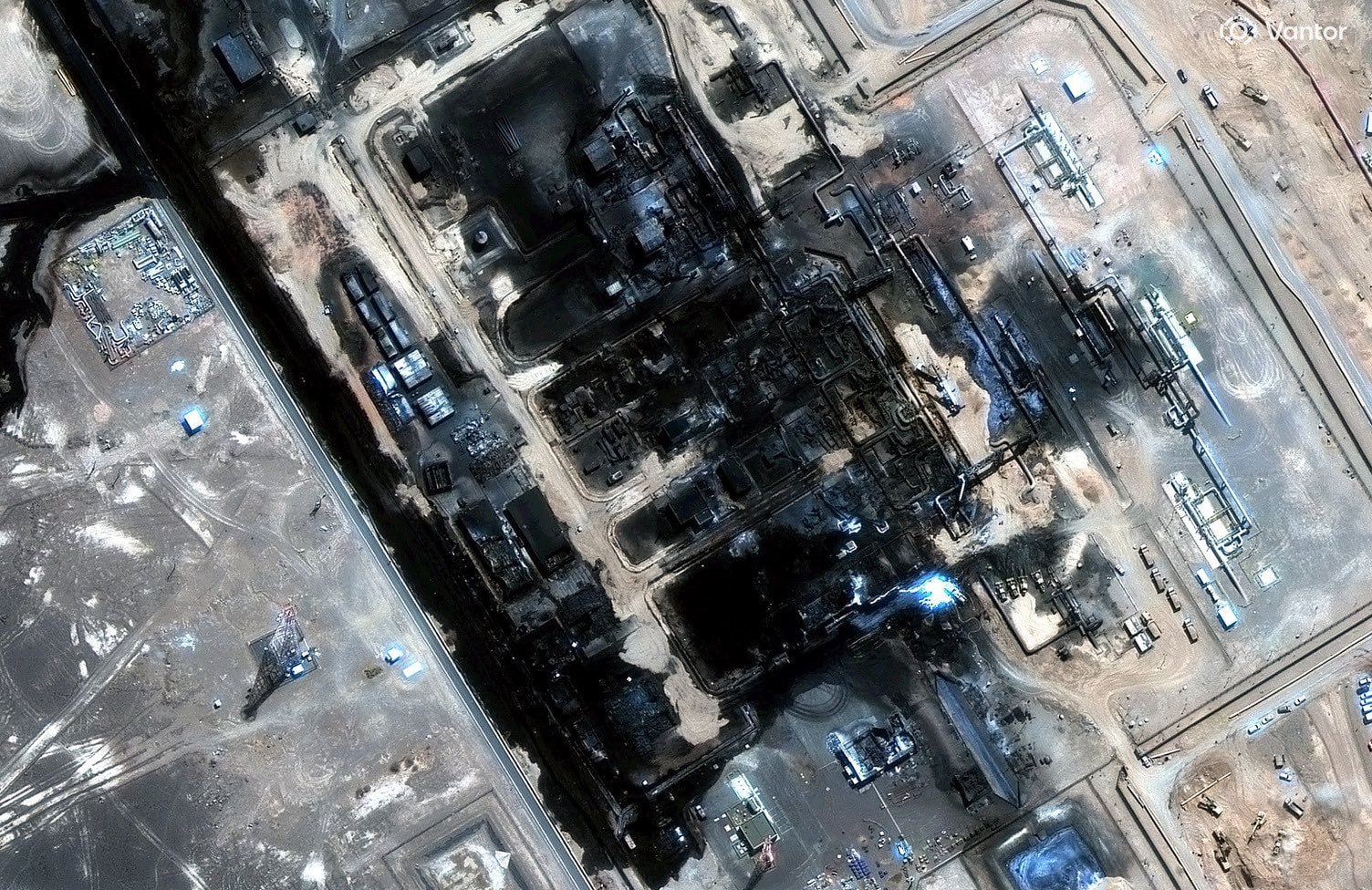
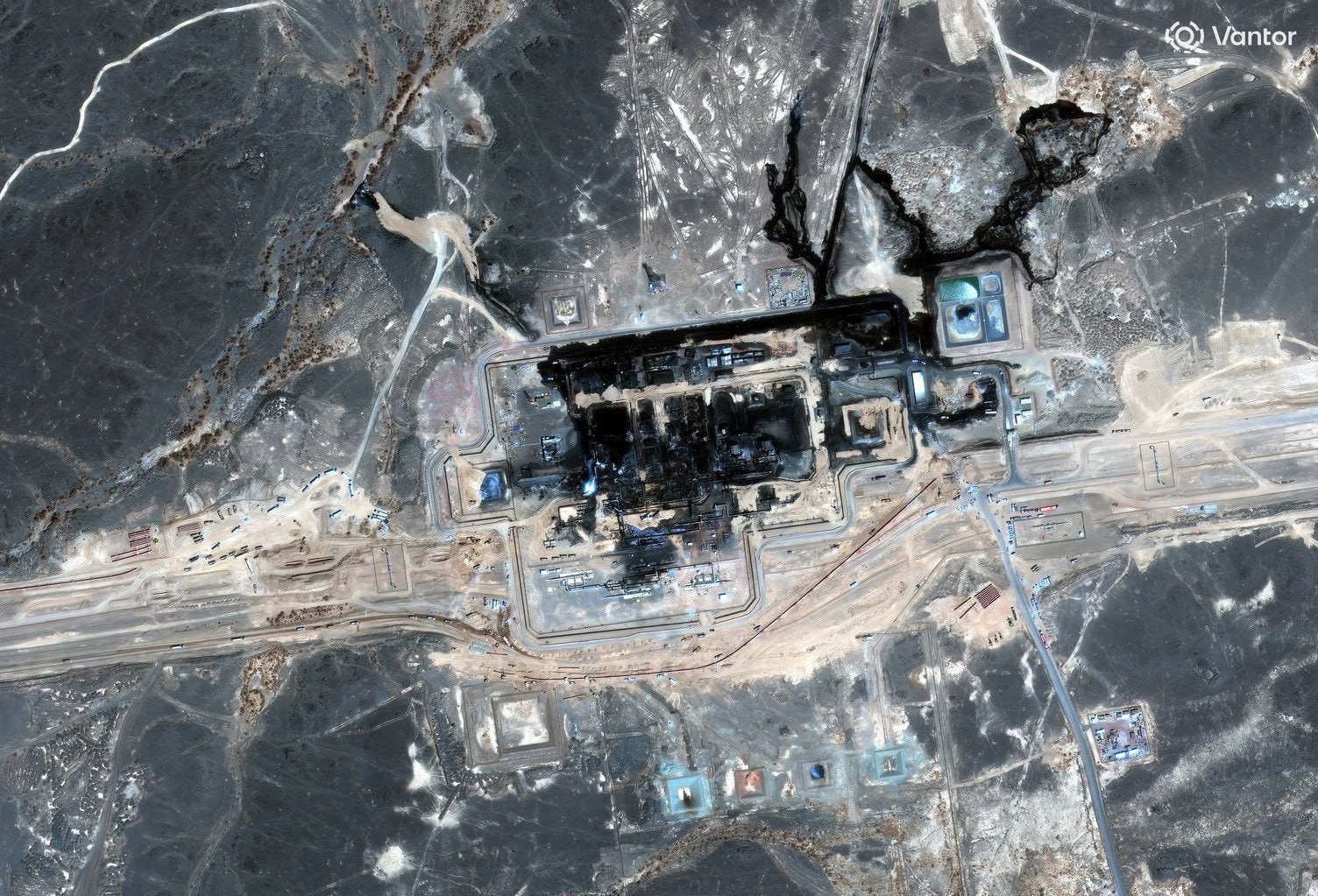
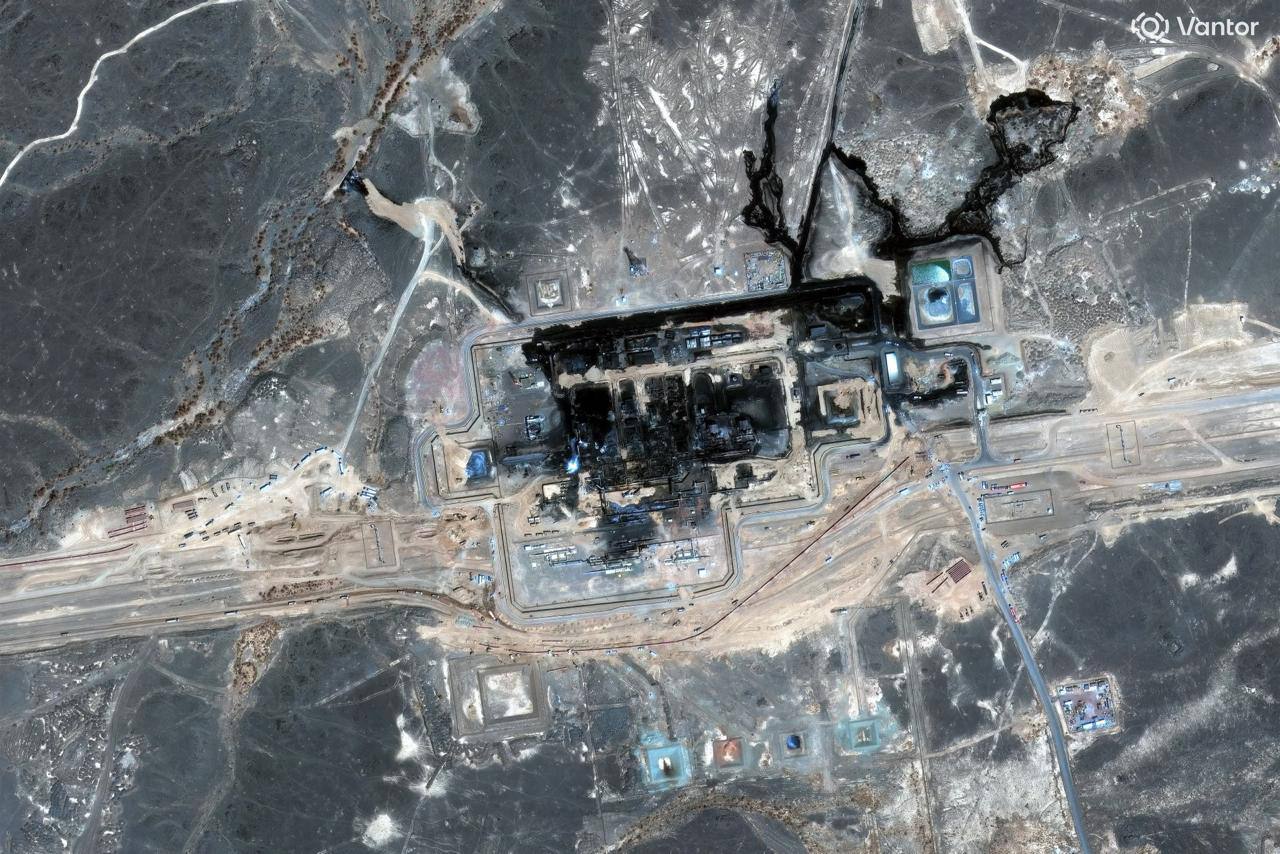
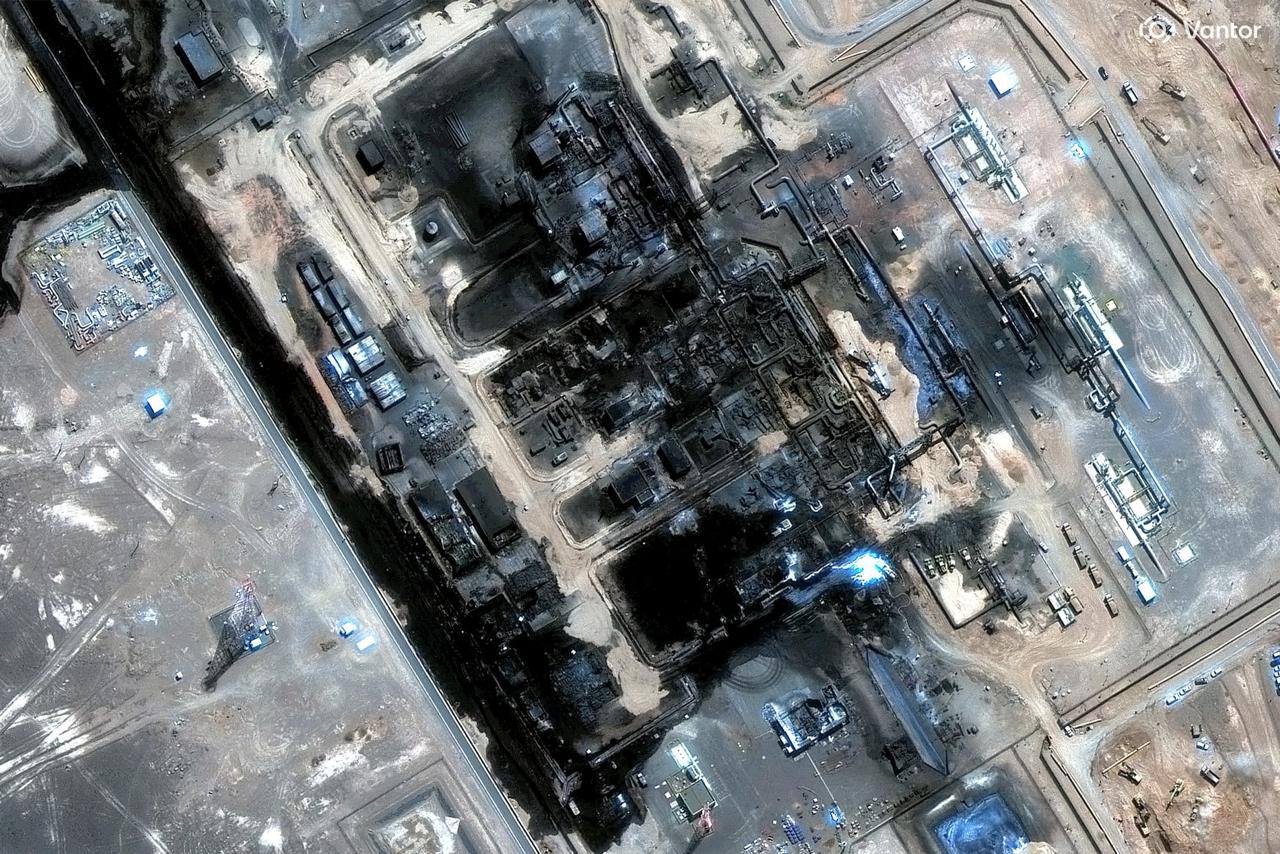
On 14 September 2026, high‑resolution satellite imagery confirmed that Houthi‑launched missiles struck the Yanbu‑Abqaiq pumping station, a critical node of Saudi Arabia’s East‑West crude oil pipeline. The damage, captured by Vantor imagery and reported by the CIG_telegram channel, threatens to curtail oil exports from the Red Sea port of Yanbu for several months, far exceeding the Saudi Ministry of Energy’s initial estimate of a 4‑6 week repair window.
Yanbu‑Abqaiq Pumping Station Attack
The Yanbu‑Abqaiq facility, located on the East‑West pipeline that transports up to 5 million barrels per day, sustained multiple missile impacts that compromised both the pump house and adjacent storage tanks.
"Satellite images show Houthi missile damage to a Yanbu‑Abqaiq pumping station in Saudi Arabia, threatening oil exports,"the CIG_telegram feed noted (source: https://t.me/CIG_telegram/83888). The imagery reveals cratered rooftops, shattered containment structures, and visible fuel spillage. Analysts estimate that full operational restoration could require several months, given the need to replace damaged turbines, re‑calibrate pressure systems, and conduct safety inspections.
King Khalid Air Base Assault
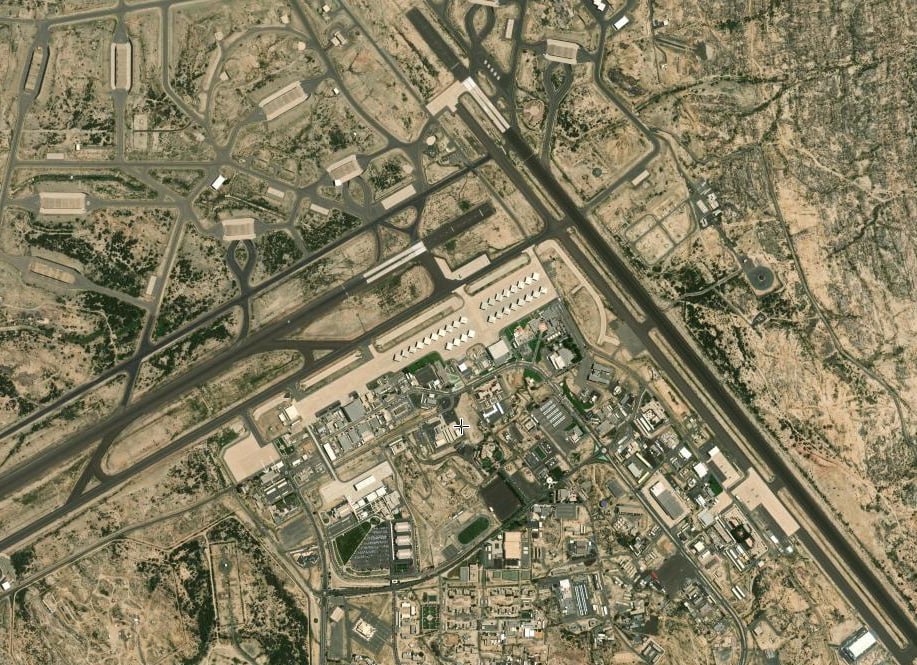
Earlier that day, at 11:12 UTC, the intelslava channel reported a coordinated barrage of dozens of ballistic missiles and unmanned aerial systems (UAS) targeting King Khalid Air Base in Khamis Mushait. The strike aimed at hangars, radar installations, runways and ammunition depots, representing one of the most extensive aerial attacks on a Saudi airfield in the conflict’s history. While casualty figures have not been disclosed, the Saudi Air Force confirmed temporary suspension of flight operations pending damage assessment.
Additional Air Base Strikes
At 09:51 UTC, the JPost feed relayed a claim by the Houthis of a large‑scale missile and drone attack on an unnamed Saudi air base, framed as retaliation for more than 300 Saudi airstrikes across Yemen in the preceding five days. Although the specific base was not identified, the pattern mirrors the earlier King Khalid assault, underscoring a sustained campaign to degrade Saudi aerial capabilities.
State of Emergency in Khamis Mushait
Following the 16:18 UTC report from OSINTdefender, Saudi authorities declared a state of emergency in Khamis Mushait and three additional southern cities. The declaration came after the Houthis launched another wave of missiles and drones at the same airbase, again striking aircraft hangars, radar systems, runways and ammunition depots. The repeated targeting has forced the Saudi Ministry of Interior to mobilize additional emergency services and restrict civilian movement in the affected zones.
Drone Damage to East‑West Pipeline
Separate from the missile strikes, two drone‑related incidents further jeopardized the East‑West pipeline. On 10 September, a drone launched from Iraq damaged Pump Station 9, as documented by CIG_telegram (source: https://t.me/CIG_telegram/83891). Subsequent satellite analysis by GeoPWatch on 14 September confirmed extensive damage to another pumping station, noting that the disruption could affect up to 4 % of global oil supply and deplete Yanbu export hub stocks within a week. The intelslava channel added that the pipeline would remain largely offline for several weeks while repairs are undertaken (source: https://t.me/intelslava/94582).
Implications for Global Oil Supply
The convergence of missile and drone attacks on both oil transport infrastructure and military installations amplifies risk to global energy markets. The East‑West pipeline bypasses the Strait of Hormuz, a chokepoint frequently targeted in regional disputes. Its partial shutdown forces Saudi exporters to rely on alternative, less efficient routes, potentially raising freight costs and tightening supply. Moreover, the prolonged outage at Yanbu‑Abqaiq could reduce Saudi crude output by an estimated 1‑2 million barrels per day, exerting upward pressure on Brent and WTI benchmarks.
Saudi authorities have pledged accelerated repair schedules and heightened air defence postures. However, the documented use of both ballistic missiles and long‑range drones by the Houthis indicates a diversified threat envelope that may outpace current interception capabilities. Continued monitoring of satellite imagery and open‑source intelligence will be essential to assess the evolving operational tempo and its downstream effects on regional stability and energy security.