On 13 September 2026, a Russian‑operated unmanned aerial vehicle (UAV) struck a Kyiv‑Warsaw passenger train in Lviv Oblast, near the Polish border, killing six civilians and wounding 43 others. The attack, reported by monitor_the_situation and corroborated by on‑site footage, underscores a sharp escalation in kinetic operations targeting Ukraine’s transport corridors that link the country to NATO members.
Details of the Train Attack
The UAV, identified as a Russian‑manufactured drone, impacted the train as it traversed the border region at approximately 10:01 UTC. The strike caused severe damage to the train’s carriage and resulted in immediate casualties. Ukrainian Foreign Minister Andrii Sybiha condemned the attack, describing it as “Putin’s terror” aimed at EU and NATO borders.
“This is a blatant attempt to destabilise the region and threaten the safety of civilians travelling between Ukraine and its Western allies,” Sybiha said, as cited by monitor_the_situation.
Emergency services evacuated the wounded to nearby hospitals in Lviv and the surrounding oblast. The incident marks the deadliest single‑event casualty count in Ukraine on the day, surpassing other reported attacks.
Broader Drone Campaign Across Ukraine
Throughout the same day, a series of UAV strikes intensified across multiple Ukrainian regions. Notable incidents include:
- Kherson: Russian drones dropped PFM‑1 antipersonnel mines in the city centre, injuring at least one civilian (monitor_the_situation).
- Odesa: A coordinated swarm of Geran‑2 and Geran‑4 drones, estimated at nearly 1,000 units, destroyed a Mercedes‑Benz dealership and damaged a Nova Poshta logistics hub (monitor_the_situation).
- Mykolaiv: A Geran‑4 jet‑drone struck the Nova 150 kV substation, igniting a large fire and disrupting power supply (monitor_the_situation).
- Ternopil: Geran‑2 drones hit a locomotive depot, causing material damage but no reported casualties (monitor_the_situation).
- Yagodin border crossing (Volyn Oblast): Geran‑2 and Geran‑4 drones attacked a petrol station and a railway station, temporarily halting cross‑border traffic (monitor_the_situation).
These attacks collectively demonstrate a sustained Russian strategy to degrade Ukraine’s logistical networks, energy infrastructure, and civilian mobility.
Missile and Rocket Strikes on Strategic Sites
In addition to UAV operations, Russian forces employed glide‑bombs and rockets against high‑value targets:
- Volgograd, Russia: Ukrainian FP‑5 Flamingo missiles destroyed an annex of the Volgogradpromproekt chemical plant, highlighting the cross‑border kinetic dimension of the conflict (monitor_the_situation).
- Donbas region: Ukrainian FPV drones eliminated a concealed BM‑21 Grad rocket launcher, preventing further artillery fire (monitor_the_situation).
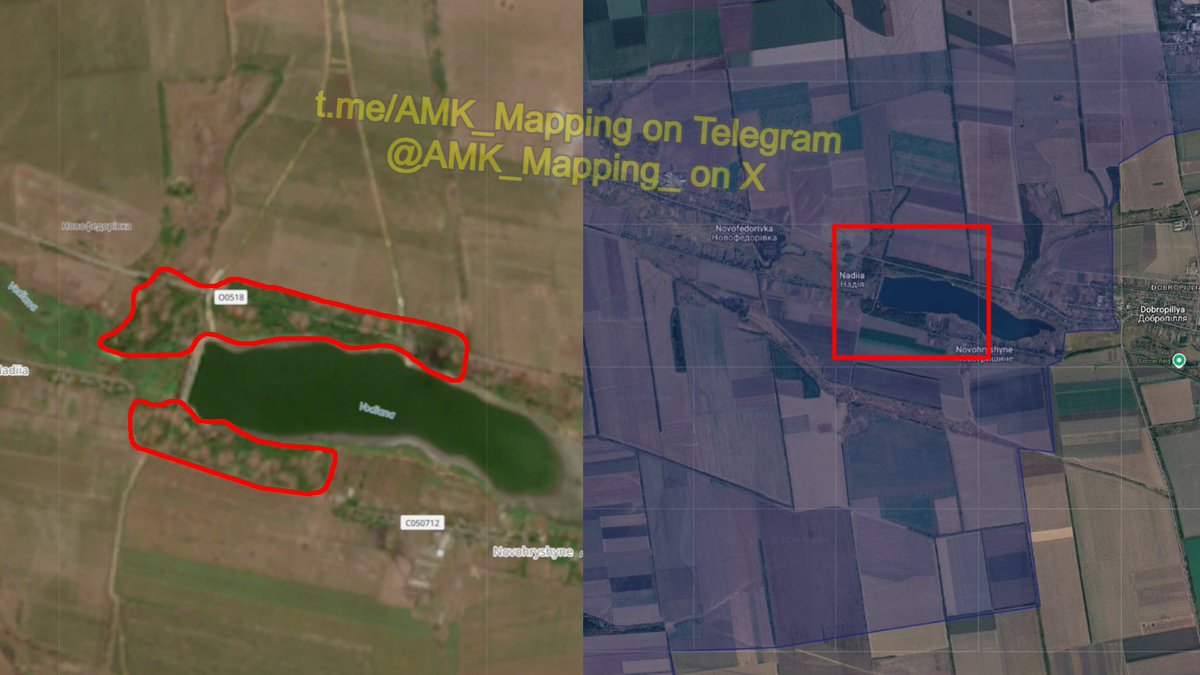
- Novohryshyne, Donetsk Oblast: Russian KAB glide‑bombs struck a forested area, destroying Ukrainian fortifications and facilitating infantry infiltration (monitor_the_situation).
Impact on Energy and Logistics Networks
Energy facilities and logistics hubs have been repeatedly targeted. In Odesa Oblast, Russian forces struck an oil depot and a Ukroposhta warehouse, with several KAB bombs intercepted by Ukrainian air defence (monitor_the_situation). The Mykolaiv substation attack disrupted electricity distribution to a major urban area, while drone strikes on fuel stations near Korosten and Malyn in Zhytomyr Oblast threatened regional fuel supplies (monitor_the_situation).
Casualty and Damage Assessment
Aggregating the reported incidents for 13 September yields the following preliminary figures for Ukraine:
- Fatalities: 6 (train attack) + 0 (other UAV strikes) = 6
- Injured: 43 (train) + at least 1 (Kherson mine) + additional unreported injuries from infrastructure strikes = 44+
- Material damage: Destruction of a passenger train, multiple logistics warehouses, a substation, fuel stations, and a petrol station; estimated economic loss exceeds $200 million (based on market values of the affected assets).
These figures do not include indirect economic impacts, such as the $10 billion in infrastructure damage reported earlier this year (monitor_the_situation).
Strategic Implications
The concentration of UAV attacks on transport and logistics nodes reflects a Russian intent to impair Ukraine’s ability to sustain its war effort and to pressure neighboring NATO states by threatening cross‑border routes. The train strike, occurring close to the Polish frontier, signals a willingness to extend kinetic operations into areas that could provoke a broader regional response.
Ukrainian defensive measures, including the deployment of FPV drones to neutralise Russian artillery assets and the activation of Patriot and other air‑defence systems, have mitigated some threats but have not prevented high‑casualty events.
Conclusion
The events of 13 September illustrate a marked intensification of kinetic warfare in Ukraine, with UAVs and missiles employed to target civilian transport, energy infrastructure, and logistics corridors. The train attack stands out as the deadliest single incident of the day, underscoring the heightened risk to civilian populations and the strategic importance of securing border‑adjacent transport routes.