On 13 September 2026, a hostile unmanned aerial vehicle (UAV) struck a major Saudi Arabian oil pipeline, creating an outage that could curtail up to four percent of global oil supply. The incident, reported by the Jerusalem Post, underscores the strategic leverage that small‑scale kinetic actions can exert on worldwide energy markets. While casualty figures were not disclosed, the disruption to a conduit that transports millions of barrels daily highlights the vulnerability of critical infrastructure to low‑cost drone technology.
Saudi Pipeline Drone Attack
The UAV, identified only as a hostile drone, penetrated the pipeline’s security perimeter and inflicted damage sufficient to halt flow. The pipeline’s shutdown threatens a measurable reduction in global oil output, potentially driving fuel prices higher in international markets. No state actor claimed responsibility, and the source listed the event as “none” for organizations, suggesting either a non‑state actor or a covert operation. The Jerusalem Post provided the primary account (source).
Drone strikes that damaged a Saudi pipeline yesterday could cut up to 4% of global oil supply and spur even higher fuel prices.
Russia’s Week‑Long Aerial Barrage on Ukraine
In a separate theater, Russia executed a sustained week‑long campaign of missiles, drones, and glide‑bombs against Ukraine. According to the Telegram channel monitor_the_situation, Ukrainian President Volodymyr Zelensky reported 78 missiles, approximately 2,100 drones, and 1,700 glide‑bombs striking Ukrainian territory over the past seven days. The volume of kinetic assets reflects a high‑intensity aerial offensive designed to degrade air defenses, command‑and‑control nodes, and critical infrastructure. No specific casualty numbers were released in the source, but the sheer scale of the attack suggests significant material loss and potential civilian impact. The report cites the Kyiv Independent as a corroborating source.
Zelensky reports 78 missiles, ~2,100 drones, and 1,700 glide bombs struck Ukraine in the past week, marking a sustained high‑intensity aerial campaign.
Russian Interception of Ukrainian Long‑Range Drone
At 17:41 local time, a Russian mobile fire group engaged and destroyed a Ukrainian An‑196 Lyutyi long‑range UAV. The interception, documented by the Telegram channel intelslava, demonstrates the continued contest for air superiority in the contested skies over the Russia‑Ukraine front. While the event did not result in reported casualties, the successful shoot‑down indicates effective Russian point‑defense capabilities against high‑altitude, long‑range platforms. Video evidence accompanying the report confirms the engagement.
A Russian mobile fire group shot down a Ukrainian An‑196 Lyutyi long‑range drone.
Ukrainian Drone Strikes Russian Oil Tanker
In a related development, Ukrainian forces released footage showing a drone evading fire from a Russian helicopter before striking a Russian oil tanker. The Al Jazeera video illustrates the tactical flexibility of Ukrainian UAVs, which can operate in contested airspace and target maritime logistics assets. The incident underscores the expanding domain of drone warfare beyond land‑based targets, threatening supply chains that support Russia’s energy exports. No damage assessment or casualty figures were provided.
Ukrainian drone evades Russian helicopter fire to strike oil tanker.
Russia Deploys 323 Strike Drones Against Ukraine
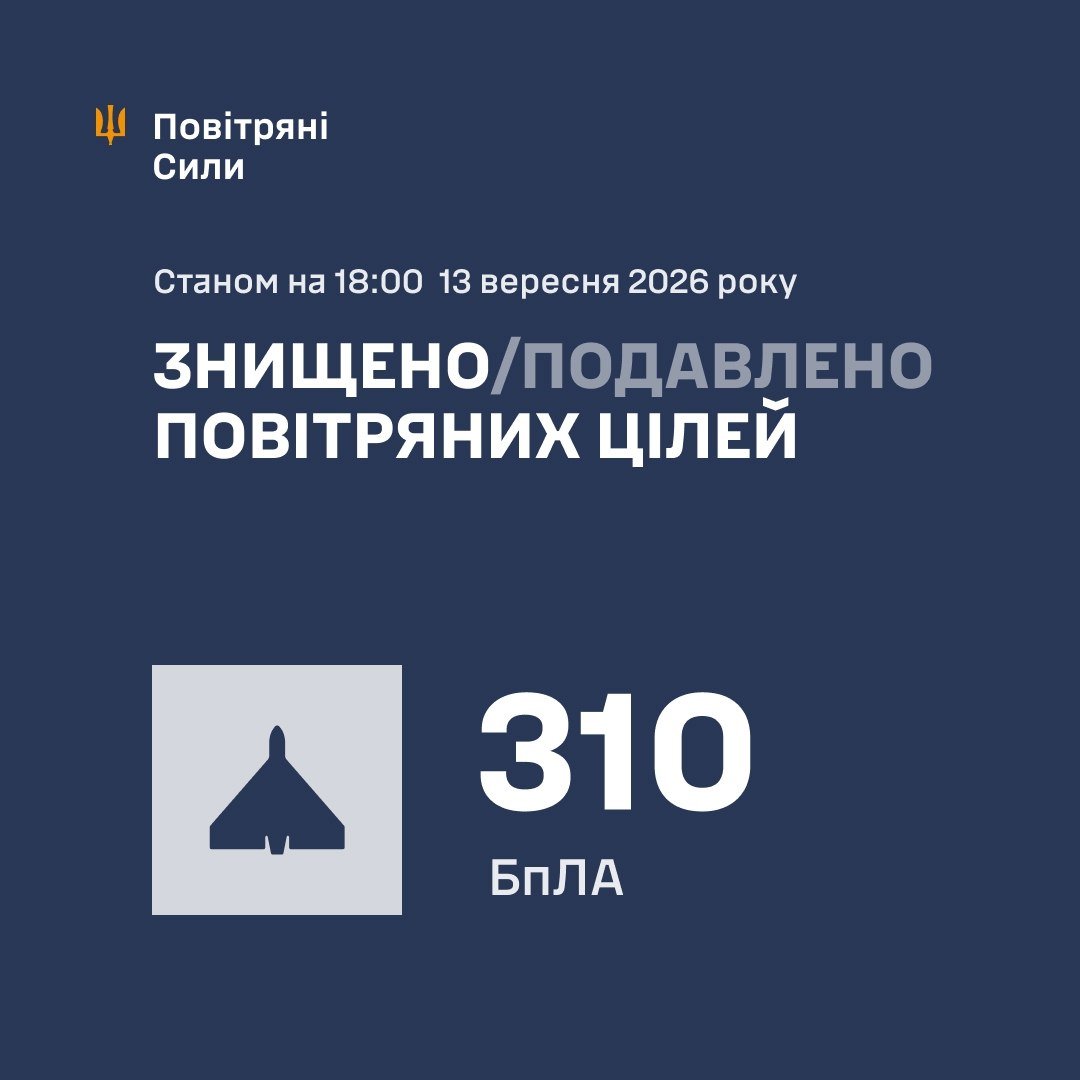
On the same day, Russia launched a swarm of 323 strike drones targeting Ukrainian positions. Ukrainian air defenses responded robustly, downing or suppressing 310 of the incoming drones, including nine jet‑powered variants. Ten drones managed to reach their intended targets, indicating a high interception rate of over 96 percent. The engagement, reported by monitor_the_situation, highlights the evolving cat‑and‑mouse dynamics between mass‑produced UAV swarms and integrated air‑defense networks. Photographic evidence accompanying the report shows remnants of downed drones across multiple sites.
Ukrainian air defenses downed or suppressed 310 of 323 drones, including 9 jet‑powered, with 10 hits recorded.
Yemen‑Saudi Airstrikes Against Houthi Advances
In the Arabian Peninsula, Yemeni government forces, backed by Saudi Arabia, conducted coordinated airstrikes aimed at halting Houthi advances. Al Jazeera reported that the campaign displaced thousands of civilians, though precise casualty numbers remain unverified. Fixed‑wing aircraft and helicopters were employed to target Houthi positions, supply routes, and command nodes. The operation reflects the broader regional contest for control over southern Yemen and the strategic importance of the Red Sea corridor.
Government forces and Saudi Arabia carry out air attacks to stop Houthis' advance as thousands displaced by conflict.
Houthi Rocket Damage in Saudi Arabia
Earlier in the day, a Houthi‑claimed rocket strike damaged a mosque and nearby residential structures in Saudi Arabia. While the incident did not result in reported fatalities, the targeting of civilian religious sites raises concerns about the escalation of cross‑border attacks. Al Jazeera’s coverage notes the absence of a formal claim of responsibility beyond the Houthi attribution, and no additional weapons were identified beyond the rocket itself.
Mosque and homes damaged in Saudi Arabia after alleged Houthi strike.