Russia’s Defence Ministry announced a coordinated strike on Ukrainian industrial assets at 08:38 UTC, targeting cargo vessels navigating Ukrainian waterways and multiple steel production facilities across the country. The operation, reported by AlJazeera, marks the most significant kinetic event of the day, underscoring Moscow’s intent to disrupt Ukraine’s logistics and manufacturing capacity.
Russia’s Defence Ministry says its forces have struck several industrial facilities across Ukraine.
The strikes were carried out by naval assets, though specific weapon systems were not disclosed. No casualty figures were released, and the Ministry did not specify the number of vessels damaged. The attacks align with a broader Russian campaign to degrade Ukraine’s export capabilities and energy supply chains.
Mass Drone Swarm Attack Over Ukraine
At 06:37 UTC, Russian forces launched a massive swarm of 161 unmanned aerial systems (UAS) equipped with S8000 Banderol payloads. Ukrainian air defenses reported downing 138 drones, while the remaining 23 either struck targets or were suppressed. The attacks affected 19 locations, with debris falling in three additional areas, according to the Telegram channel monitor_the_situation.
Ukrainian officials confirmed that the swarm caused damage to infrastructure in several oblasts, but casualty numbers remain unspecified. The high interception rate demonstrates the effectiveness of Ukraine’s integrated air defence network, which includes surface‑to‑air missiles, electronic warfare systems, and fighter interceptors.
Su‑34 FAB‑500 Bomb Targeting Ukrainian Brigade
In a separate incident at 08:44 UTC, a Russian Su‑34 fighter‑bomber deployed a custom‑painted FAB‑500 bomb bearing the portrait of American political commentator Charlie Kirk. The ordnance struck the 10th Separate Mountain Assault Brigade of the Ukrainian Armed Forces, as reported by the Telegram channel intelslava. The bomb’s distinctive markings were intended as a psychological message rather than a tactical advantage.
No immediate casualty figures were released, and Ukrainian command did not confirm the extent of damage to the brigade’s equipment. The use of a FAB‑500, a high‑explosive general‑purpose bomb, indicates a willingness to employ large‑scale munitions against frontline units.
Ukrainian Drone Operations in Mali and the Mediterranean
At 14:48 UTC, monitor_the_situation reported that Ukraine embedded 15 drone operators with Tuareg rebel groups in Mali. These operators were tasked with targeting Russian mercenary convoys operating in the Sahel region. Simultaneously, Ukrainian naval drone teams conducted strikes against unidentified ships in the Mediterranean Sea.
While the exact outcomes of these missions remain unverified, the deployment illustrates Ukraine’s expanding proxy‑war strategy, leveraging local insurgent forces and maritime drones to pressure Russian interests beyond the Eastern European theater.
Drone Attack on Saudi Oil Pipeline
At 10:36 UTC, a drone strike forced Saudi Arabia to shut a critical oil pipeline, prompting Iraq to launch an investigation and close its border after confirming the attack originated from Iraqi territory. The incident, covered by AlJazeera, highlights the vulnerability of regional energy infrastructure to low‑altitude UAV attacks.
Saudi authorities did not disclose the volume of oil halted, and casualty reports were absent. The cross‑border nature of the strike raises concerns about the proliferation of commercially available drones capable of reaching high‑value targets.
Large‑Scale Drone Assault on Ukrainian Airspace
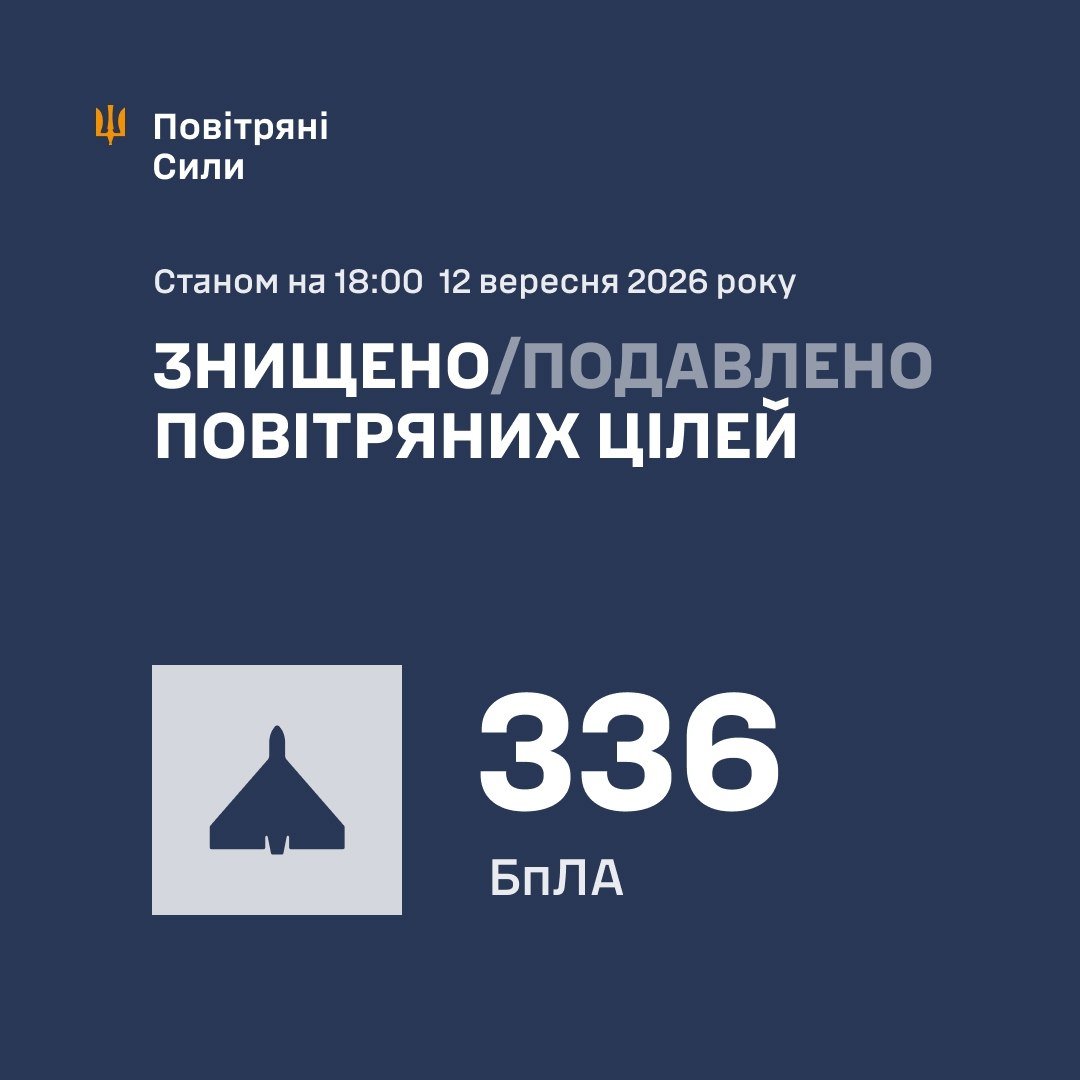
Later in the day, at 16:49 UTC, Russia launched a second wave of drone attacks, deploying 410 attack drones against Ukrainian targets. Ukrainian Air Force officials reported that 336 drones were intercepted or suppressed, while 21 successfully struck their intended objectives.
The scale of the operation represents a significant escalation in Russia’s aerial campaign, though the exact damage and casualty figures remain undisclosed. Photographic evidence posted by monitor_the_situation shows remnants of downed drones across several regions.
Operational Impact and Assessment
Collectively, the events of Sept 12 demonstrate a multi‑domain approach by both Russia and Ukraine. Russia combined naval bombardment, high‑explosive air‑dropped munitions, and extensive drone swarms to pressure Ukrainian industrial and military assets. Ukraine, in turn, leveraged proxy forces in Africa, maritime drones in the Mediterranean, and continued to defend against large‑scale UAV incursions.
While casualty numbers are largely unreported, the repeated targeting of critical infrastructure—cargo vessels, steel plants, oil pipelines, and military brigades—suggests a strategic intent to erode economic resilience and operational readiness on both sides.