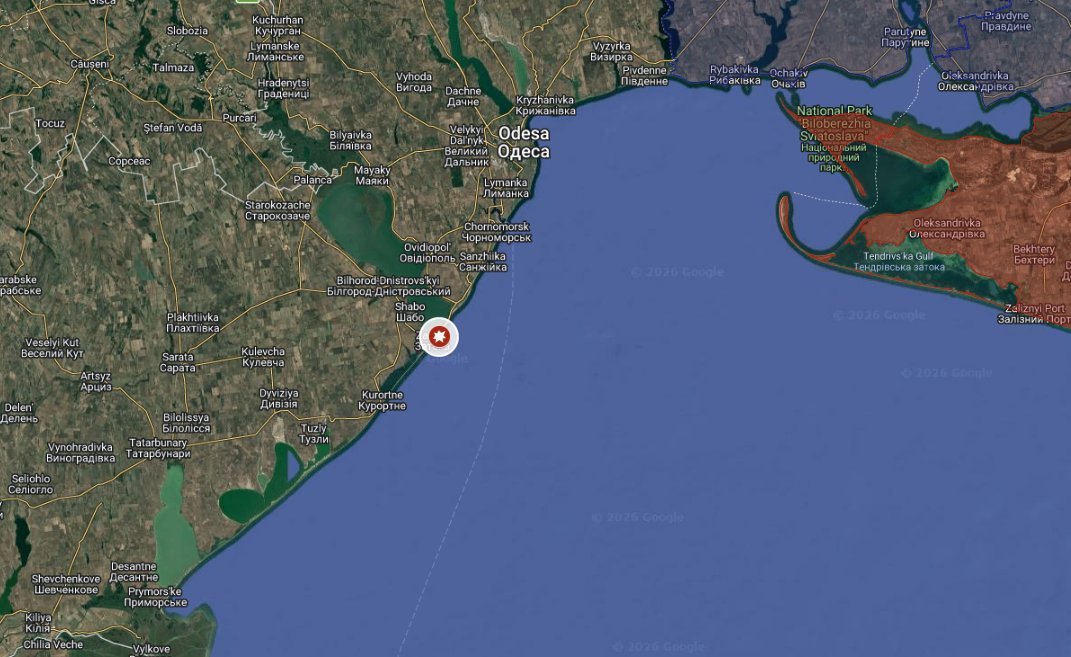
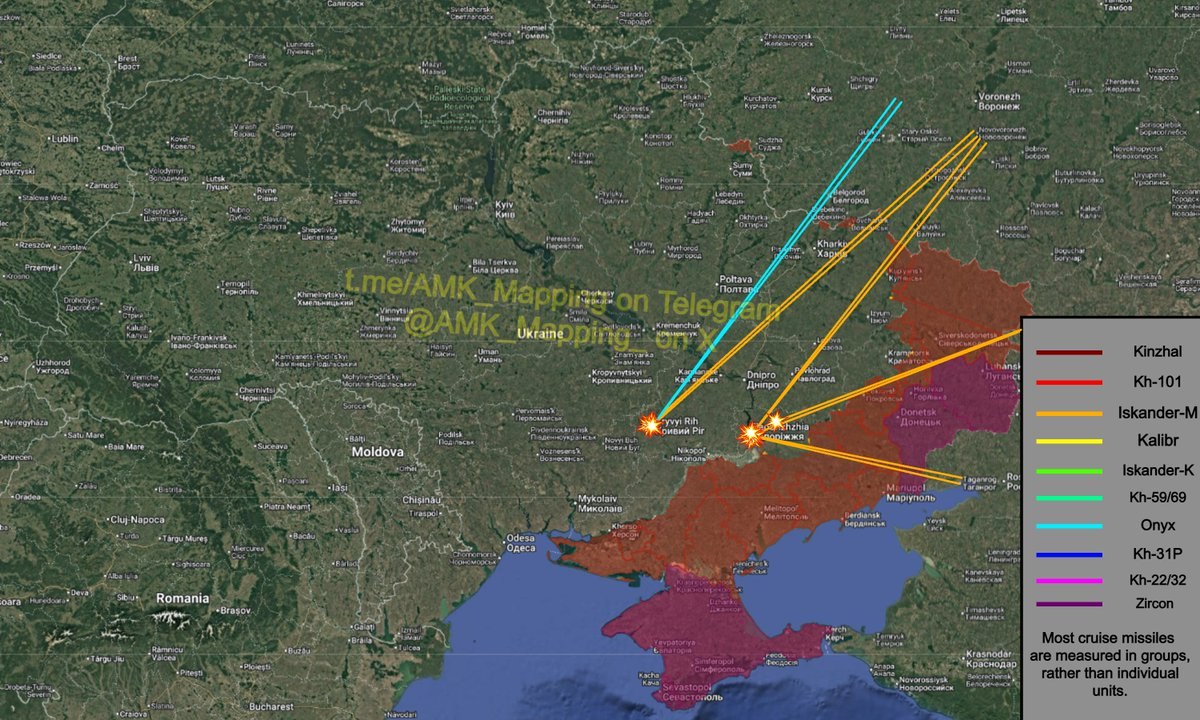
On 12 September 2026, Russian forces executed a coordinated missile campaign targeting several strategic sites across southern and eastern Ukraine. The most consequential strike was directed at the Zatoka Bridge in Odesa Oblast, a vital crossing that links the Ukrainian mainland with the Crimean Peninsula. Six Iskander‑M ballistic missiles, five S8000 Banderol cruise missiles and seven Kalibr cruise missiles were launched, with two Kalibr missiles intercepted by Ukrainian air defenses. The attack disrupted a key logistics corridor and highlighted the escalating use of high‑precision, long‑range munitions.
Zatoka Bridge: A Critical Chokepoint Under Fire
The Zatoka Bridge, spanning the Black Sea inlet at the town of Zatoka, is a primary conduit for civilian and military traffic between Odesa and the occupied Crimean region. According to the monitoring account @AMK_Mapping_, Russian forces fired a total of 18 missiles at the bridge, employing a mixed salvo of Iskander‑M ballistic missiles, S8000 Banderol cruise missiles and Kalibr cruise missiles. Two Kalibr missiles were successfully intercepted, but the remaining ordnance caused structural damage that temporarily halted bridge traffic. No civilian casualties were reported in the immediate aftermath, though the disruption is expected to impede supply lines for both humanitarian aid and military logistics.
"Russia Launches Massive Missile Attack on Zatoka Bridge, Odesa Oblast" – monitor_the_situation, 12 Sept 2026
Odesa Residential Strike: Intercepted Kalibr Missile Crashes
At approximately 04:57 UTC, a Russian Kalibr cruise missile launched toward Odesa was intercepted by Ukrainian air defenses. The missile’s debris fell onto a residential building, igniting a fire that threatened nearby apartments. While official casualty figures remain pending, the incident underscores the collateral risk posed by missile interceptions over densely populated areas. The source channel monitor_the_situation provided video evidence of the impact and subsequent blaze.
"Intercepted Kalibr Missile Hits Residential Building in Odesa" – monitor_the_situation, 12 Sept 2026
Zaporizhzhia Steel Plant and Vilnyansk: Iskander‑M Strikes
In the early morning hours, Russian forces launched two Iskander‑M ballistic missiles from near Millerovo, Rostov Oblast. One missile struck the Zaporizhzhia Metallurgical Plant, a key asset in Ukraine’s steel production, while the second impacted an area near the town of Vilnyansk. No casualties were reported, but the damage to the steel plant could affect industrial output and export capacity. The attack was documented by monitor_the_situation and corroborated by satellite imagery shared on the same platform.
"Russia Launches Iskander‑M Missiles at Zaporizhzhia Steel Plant" – monitor_the_situation, 12 Sept 2026
North Korean KN‑23 Missiles in Ukrainian Skies
Multiple reports confirmed the use of North Korean‑manufactured KN‑23 tactical ballistic missiles in attacks on Ukrainian cities. At 01:01 UTC, two KN‑23 missiles struck Zaporizhzhia, while at 00:34 UTC, three to four KN‑23 missiles hit Kryvyi Rih. Concurrently, four Iskander‑M missiles were launched at Zaporizhzhia. The deployment of foreign‑supplied ballistic missiles expands the range and payload options available to Russian forces, complicating Ukrainian air‑defence planning. No immediate casualty data were released for these strikes, but the impact on civilian infrastructure is evident.
"Footage shows the impact of two North Korean KN‑23 tactical ballistic missiles in Zaporizhzhia city" – intelslava, 12 Sept 2026
Dnipropetrovsk and Kharkiv Oblasts: Coordinated Ballistic Assault
At 00:09 UTC, a mixed salvo of KN‑23 and Iskander‑M missiles struck the cities of Kamianske (Dnipropetrovsk Oblast), Pavlohrad (Dnipropetrovsk Oblast) and Lozova (Kharkiv Oblast). The attacks caused damage to residential blocks and industrial facilities. While official casualty numbers remain unconfirmed, the pattern of simultaneous strikes across multiple oblasts indicates a strategic effort to stretch Ukrainian air‑defence resources and create widespread disruption.
"Russia Strikes Dnipropetrovsk and Kharkiv Oblasts With Ballistic Missiles" – monitor_the_situation, 12 Sept 2026
Ukrainian Counter‑Operations: Drone Raid Into Russia
In parallel with the Russian missile barrage, Ukrainian forces launched a large‑scale overnight drone raid targeting locations across the Russian Federation. Hundreds of attack drones were reported en route, aiming at logistical hubs and military installations. While the raid falls outside the geographic focus of this briefing, it reflects the reciprocal kinetic escalation and the increasing reliance on unmanned systems by both sides.
Analytical Assessment
The 12 September missile campaign demonstrates a pronounced shift toward high‑volume, multi‑type missile salvos designed to overwhelm air‑defence networks and inflict strategic infrastructure damage. The inclusion of foreign‑origin missiles such as the North Korean KN‑23 suggests deepening supply‑chain ties between Russia and external partners, potentially expanding the missile threat envelope. Interceptions remain effective in limiting casualties, yet debris impacts, as seen in Odesa, pose secondary risks to civilian populations.
Ukrainian resilience is evident in the successful interception of several Kalibr missiles and the rapid mobilisation of emergency services. However, the repeated targeting of critical transport arteries like the Zatoka Bridge may have longer‑term logistical repercussions, especially for the movement of humanitarian aid to the southern front.