The most significant development on 12 September 2026 was a coordinated Saudi Arabian Air Force operation that delivered 129 airstrikes across seven Yemeni governorates within a 48‑hour window. The strikes, launched from Khamis Mushait, employed F‑15 and Eurofighter Typhoon aircraft and targeted locations in Taiz, Marib, Al Hudaydah, Al Jawf, Saada, Amran and Hajjah. Ansarullah released a statement warning that the attacks would not go unanswered, underscoring the heightened kinetic tempo in the conflict.
"The Saudi enemy's air force carried out 129 airstrikes over the past 48 hours, distributed across the governorates of Taiz, Marib, Al Hudaydah, Al Jawf, Saada, Amran, and Hajjah. These strikes were carried out by F‑15 and Typhoon aircraft, which took off from the Saudi enemy's military bases in Khamis Mushait and T..." – Ansarullah statement, rnintel
Airstrike Overview
According to the open‑source channel rnintel, the air campaign focused on infrastructure, military installations and suspected Houthi positions. While the statement did not provide casualty figures, field reports from the region indicate that civilian casualties remain unverified. The use of high‑performance fighters marks a continuation of the coalition’s reliance on precision‑guided munitions, though the sheer volume of sorties suggests a shift toward saturation bombing aimed at degrading Houthi command and control.
Ground Movements – Marib Highlands
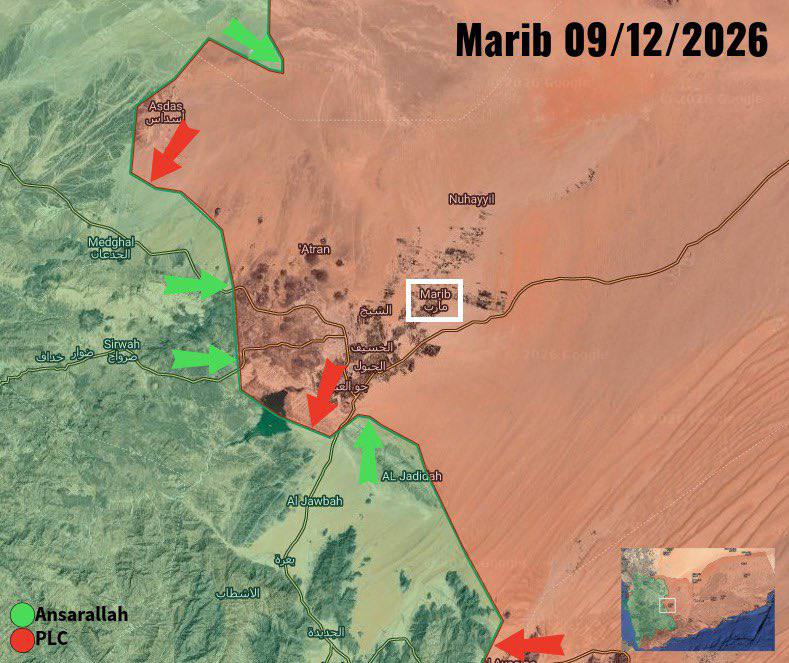
In the hours following the airstrikes, CIG_telegram reported that Houthi forces (Ansarallah) secured positions on the southern and western highlands surrounding Marib. The movement, recorded at 17:56, reflects a strategic effort to exploit the temporary disruption caused by the air campaign. The report notes that Saudi‑backed Popular Liberation Committee (PLC) fighters are experiencing low morale, and tribal negotiations are rumored to be underway. No weapons were disclosed in the movement, but the positioning on elevated terrain provides a tactical advantage for future offensives.
Territorial Gains – Western Coast and Islands
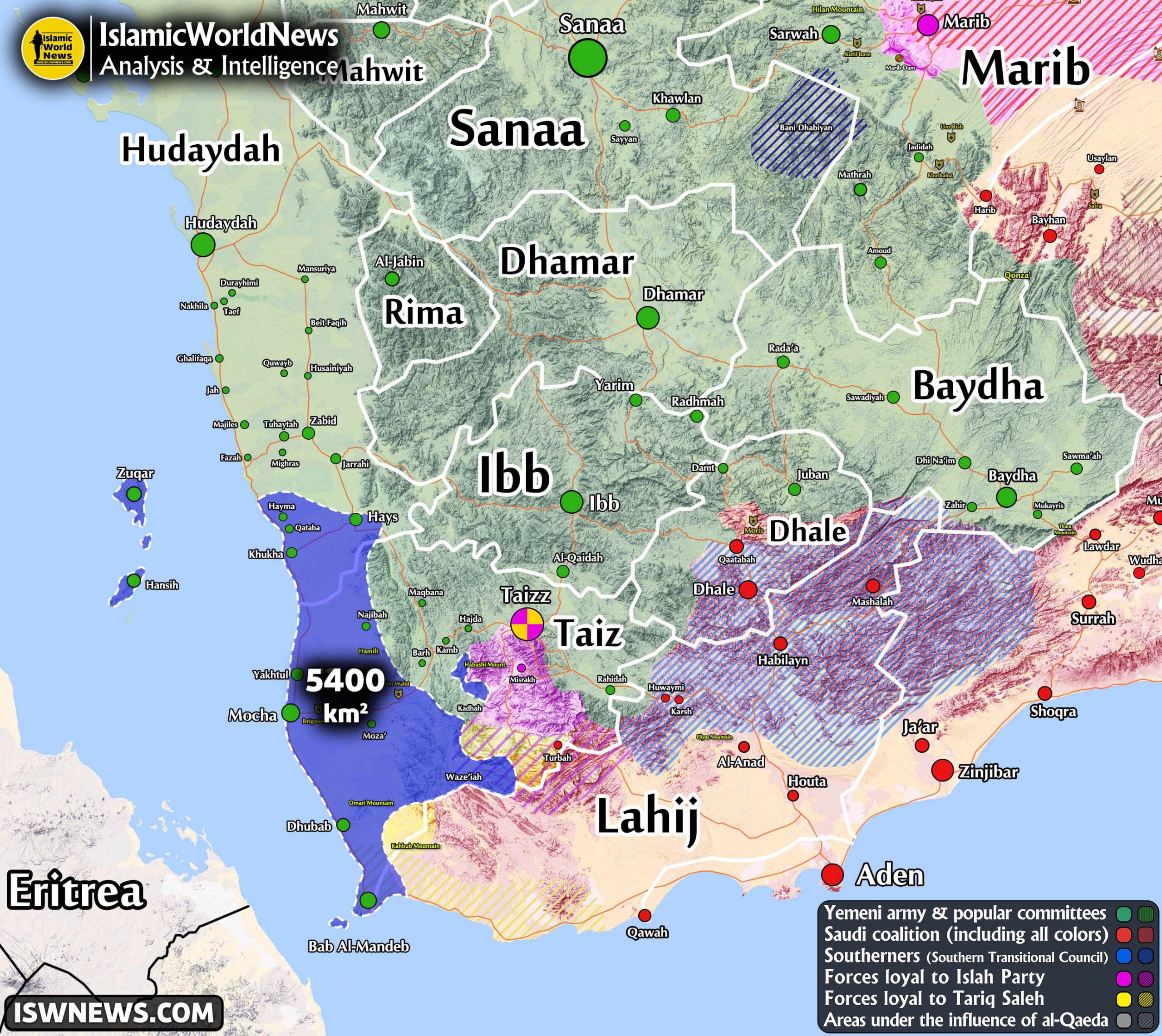
CIG_telegram also released a map indicating that Yemeni army units, in coordination with Ansarallah, have asserted control over approximately 5,400 km² of southwestern Yemen. The area includes Al Hudaydah, Taiz, Al Mokha, the Bab al‑Mandab Strait and the Zuqar and Hanish islands. The claim, posted at 17:17, suggests a consolidation of the western coastline, though independent verification is pending. Control of the Bab al‑Mandab Strait holds strategic significance for maritime traffic and potential blockades.
Strategic Positions – Bab al‑Mandab and Mayun Island
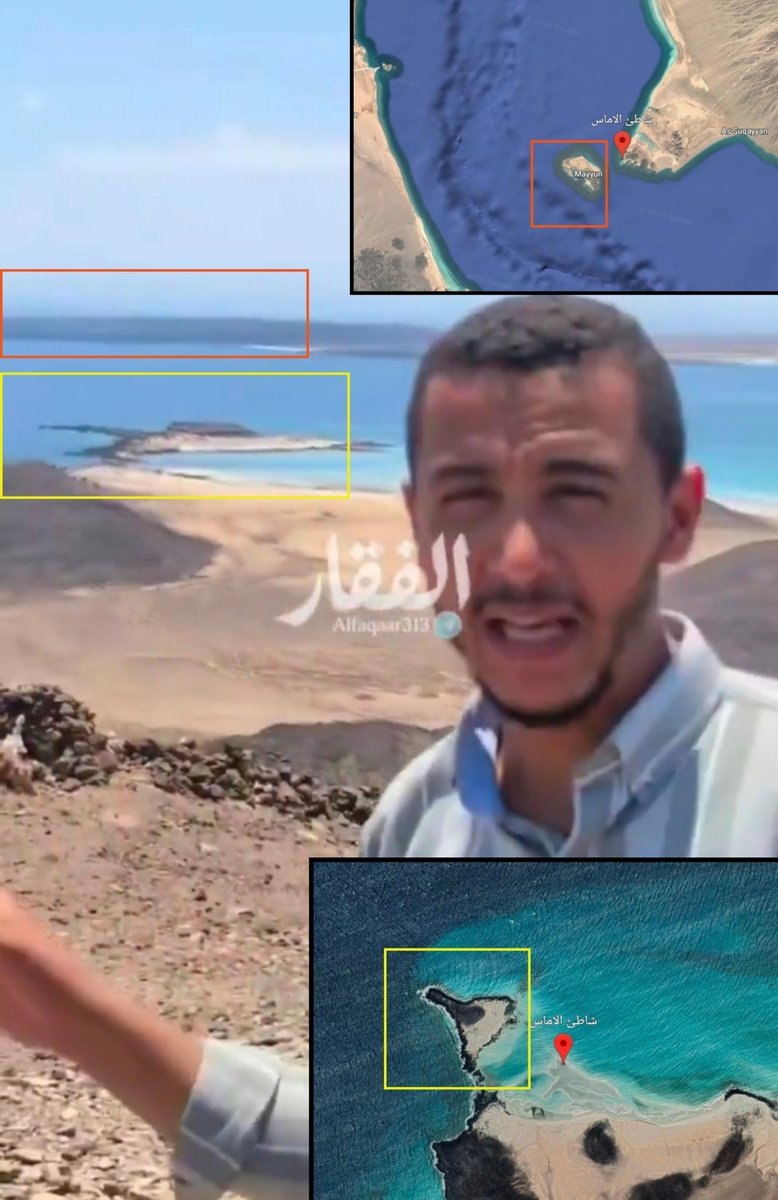
Two separate reports highlight Houthi activity near the Bab al‑Mandab. At 15:57, monitor_the_situation documented Houthi fighters establishing a position at Al‑Almas Beach overlooking the strait, adjacent to the UAE‑built air base on Mayyun Island. Later, at 13:45, AlJazeera confirmed that Iran‑backed Houthis seized Mayyun Island itself, a development that could affect regional shipping lanes and the security posture of United Arab Emirates forces stationed nearby.
Other Frontline Activity
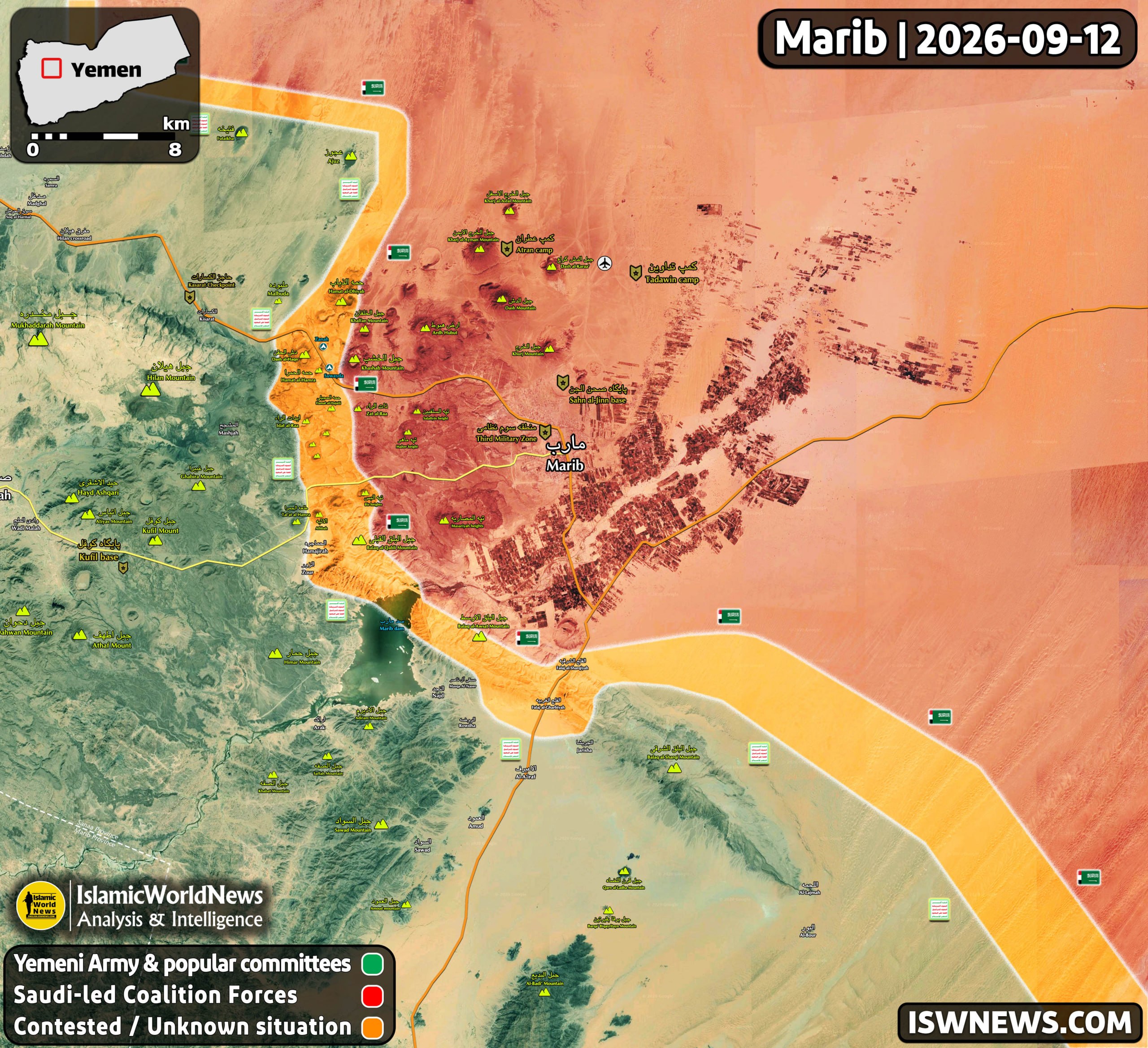
Mid‑day exchanges of fire were reported around Maʿrib city. CIG_telegram noted that Yemeni forces and Saudi coalition aircraft engaged in artillery duels, with Saudi warplanes bombing the Umm Rish base in Al‑Jubah district. The front lines remained static, and no casualty numbers were released.
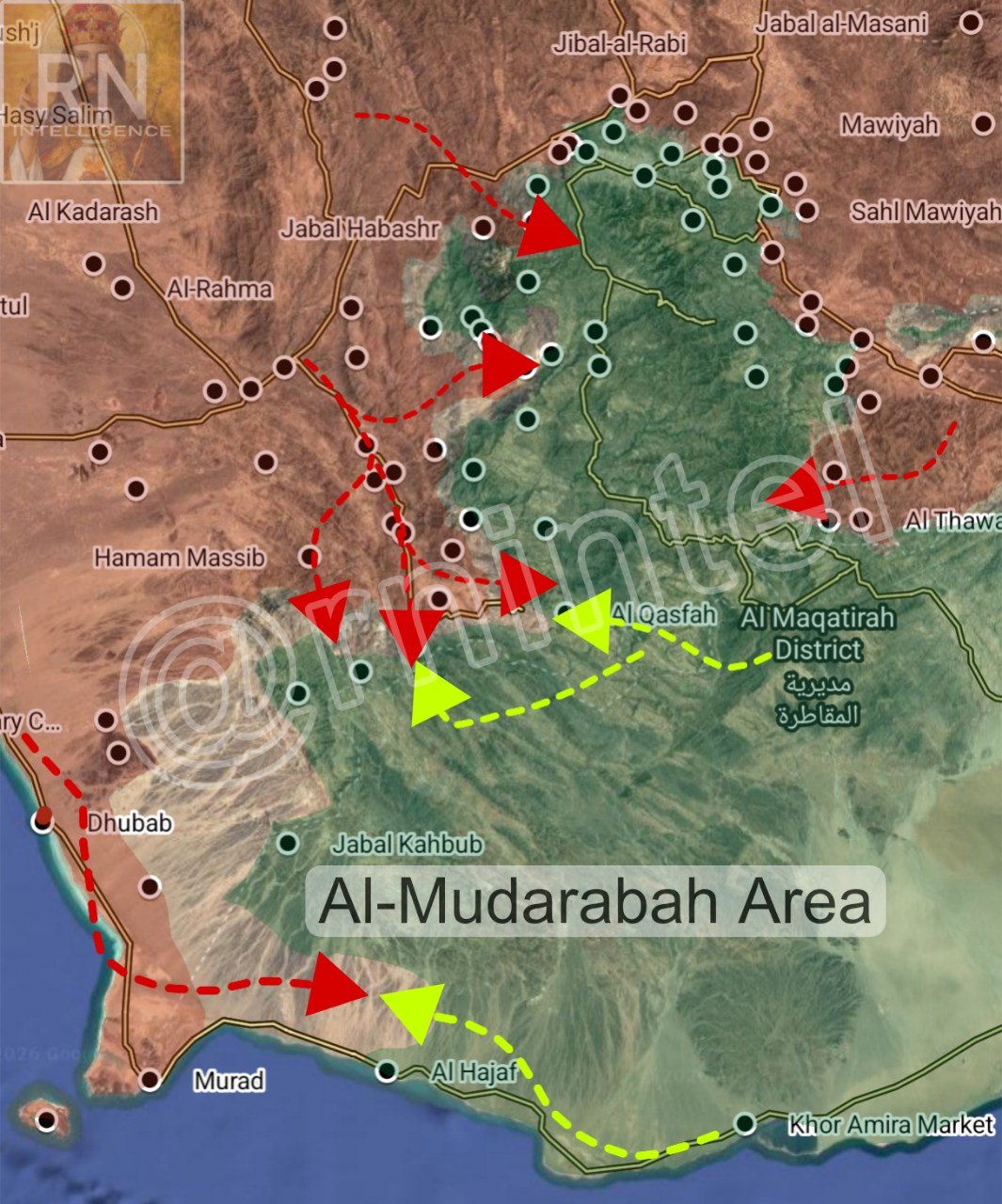
In the southern governorate of Lahij, rnintel recorded intense fighting in al‑Mudarabah for over 12 hours, though no specific combatants were identified. Earlier in the day, pro‑PLC forces reportedly recaptured Jabal Jirdad in Taʿizz Governorate, indicating a localized pushback against Houthi positions.
Additional incidents include the killing of three Southern Transitional Council (STC) soldiers in Ad Dali by forces retreating from Mocha, and ongoing clashes between Ansarullah and the Giant Brigades of the PLC across multiple fronts in Taʿizz.
Assessment
The convergence of a high‑intensity air campaign and simultaneous ground repositioning suggests a deliberate escalation by the Saudi‑led coalition. The airstrikes aim to degrade Houthi capabilities, while the Houthis appear to be leveraging the operational pause to secure high‑ground and coastal assets. Control of the Bab al‑Mandab Strait and Mayyun Island, if sustained, could grant the Houthis leverage over one of the world’s busiest maritime chokepoints, potentially prompting a recalibration of coalition naval deployments.
While casualty data remains sparse, the pattern of kinetic events underscores a widening of the conflict’s geographic scope, extending from inland governorates to strategic maritime zones. Continued monitoring of open‑source channels will be essential to verify territorial claims and to assess the humanitarian impact of the intensified operations.