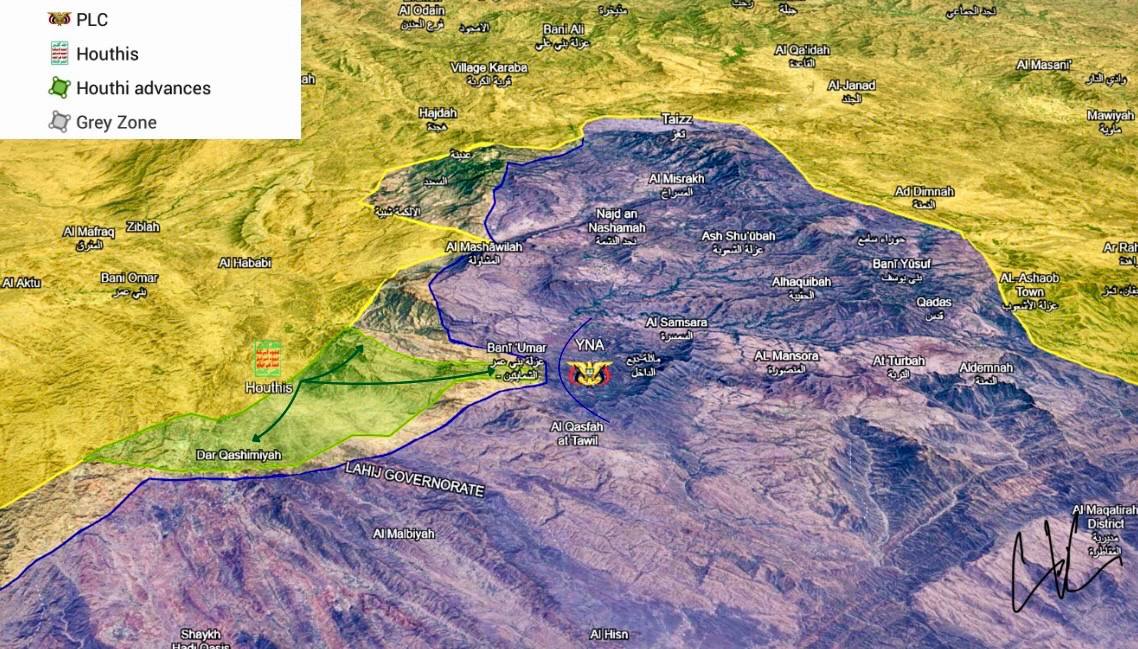
On 12 September 2026, Ansarullah forces seized the town of Dar Qashimiyah and the village of Jabal Jirad southwest of Taizz, creating a direct threat to the operational security of the city and its supply routes. The advance was reported by GeoPWatch at 00:43:56 and was accompanied by no reported casualties. The capture places Ansarullah within striking distance of Taizz, potentially enabling artillery and rocket attacks on the city’s logistics corridors.
"Southwest of Taizz Ansarullah forces have captured the town of Dar Qashimiyah as well as reaching and capturing the village of Jabal Jirad," GeoPWatch reported.
Key organizations involved: Ansarullah and the Pro‑Loyalist Coalition (PLC) forces. No weapons were disclosed in the ground movement, but the proximity of the new positions raises the risk of Houthi‑aligned rocket and artillery fire on Taizz.
Houthi Drone Strike Shuts Saudi Pipeline on Red Sea Coast
At midnight, Al Jazeera reported that Houthi forces seized control of Yemen’s Red Sea coastline and launched a drone attack that forced Saudi Arabia to suspend a major oil pipeline. The incident, described in a live‑blog update, underscores the expanding reach of Houthi aerial capabilities. No casualty figures were released, and the weapon employed was a drone.
"Houthis control Red Sea coast, Saudi pipeline shut down," Al Jazeera noted.
Organizations involved: Houthis; affected parties include Saudi Arabia’s national oil infrastructure. The shutdown has immediate implications for regional energy markets.
Intensified Fighting Around Marib
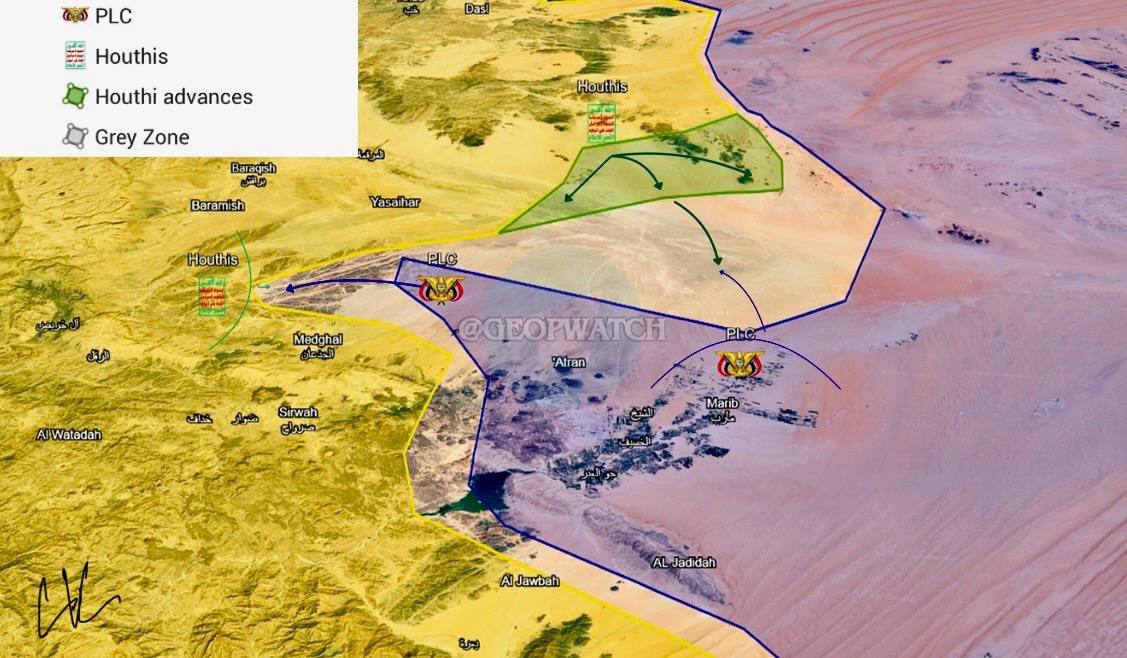
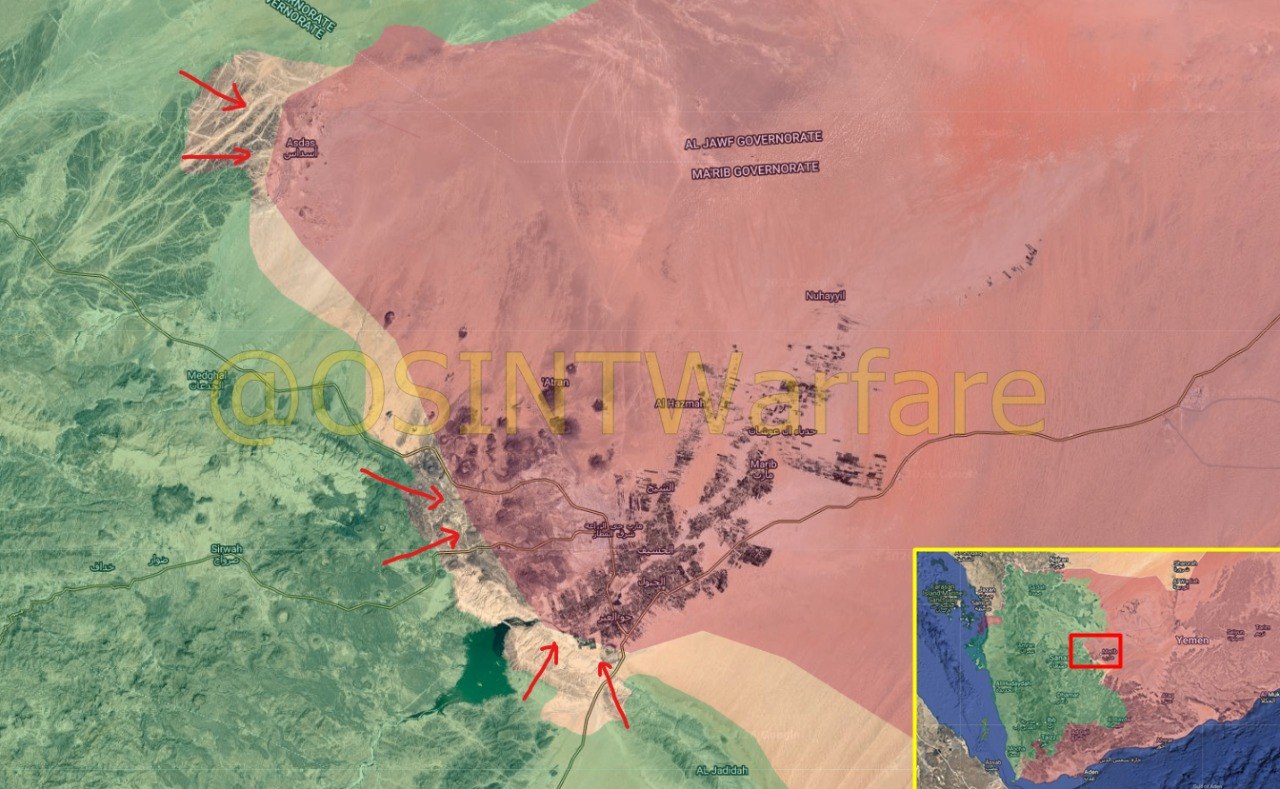
Multiple reports documented a coordinated offensive by Ansarullah toward Marib. GeoPWatch (05:16:49) recorded the capture of several strategic positions north of the city, including Jabal an Nuddar, Jabal Labinah, and the Labinah camps. Simultaneously, PLC forces repelled Houthi attempts to infiltrate Marib from the north and launched a counter‑offensive southwest of Asdas toward the Mas military camp. Intelslava (02:45:54) added that Ansarullah forces are advancing from the southwest along the Marib–Ataq Highway and from the Sirwah Road, with clashes already occurring on the city’s outskirts. No casualty numbers were provided in any of the sources.
"Ansar Allah forces are continuing their assault toward Marib from the southwest, attempting to advance toward Manin Al‑Ashraf while pushing north along the Marib–Ataq Highway," intelslava reported.
Organizations involved: Ansarullah, PLC forces, Yemeni Army 3rd and 7th Military Regions. No specific weapons were identified, though the scale of the offensive suggests the use of small arms, mortars, and possibly artillery.
Naval Disruption in Bab al‑Mandab Strait
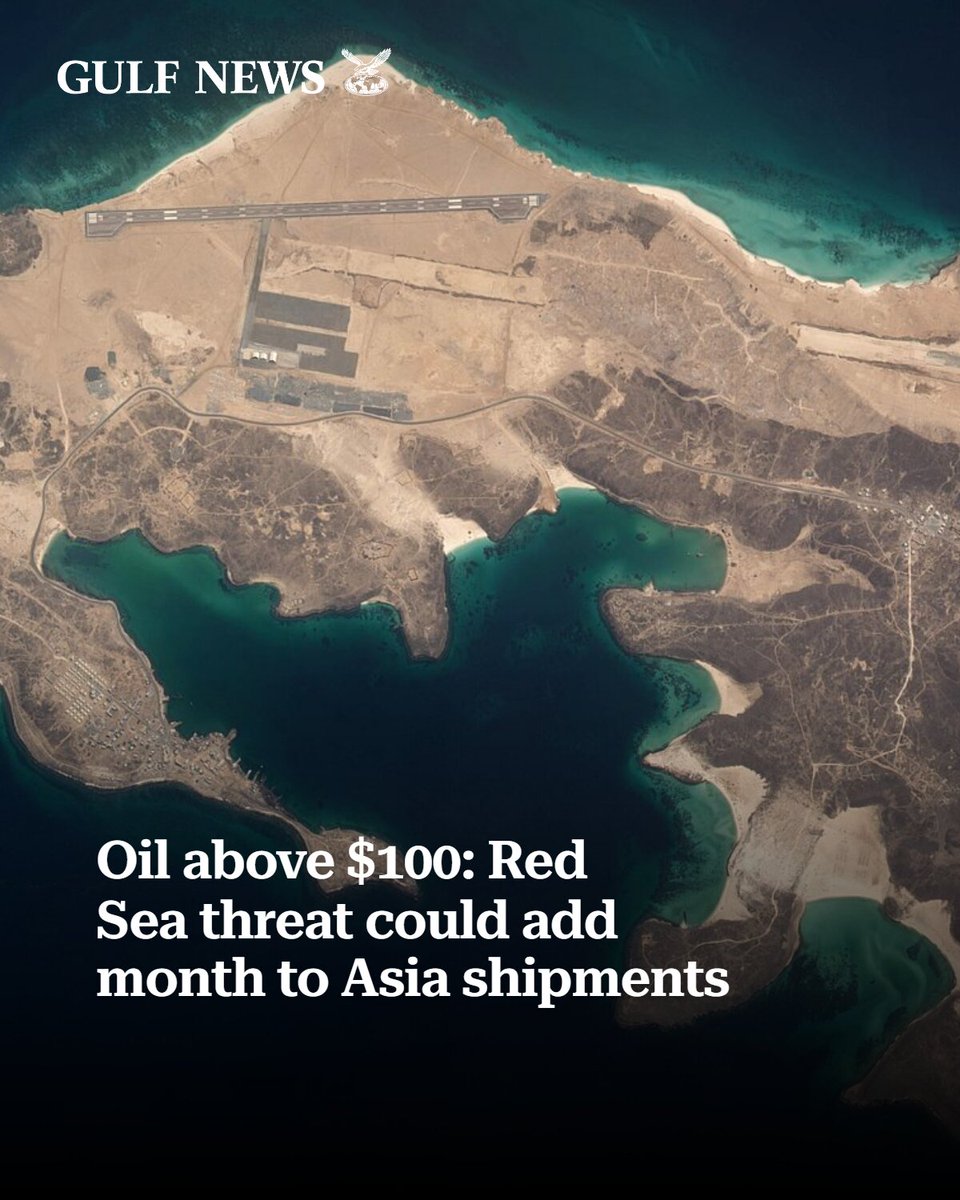
At 04:31:49, monitor_the_situation reported that Houthi attacks in the Bab al‑Mandab Strait forced commercial oil tankers to reroute around Africa, extending transit times by roughly one month and pushing crude prices above $100 per barrel. While the report did not specify casualties, the strategic impact on global oil logistics is significant.
"Houthi Attacks Force Oil Tankers to Reroute Around Africa," monitor_the_situation noted.
Organization involved: Houthi forces. No weapons were detailed, but the attacks likely involved anti‑ship missiles or naval mines.
Overall Assessment
The events of 12 September illustrate a marked escalation in kinetic activity across Yemen. Ground advances by Ansarullah near Taizz and Marib increase the risk of encirclement and supply line disruption for PLC and Yemeni government forces. Simultaneously, Houthi aerial and naval capabilities are extending their influence beyond traditional battlefields, affecting critical energy infrastructure on the Red Sea coast and in the Bab al‑Mandab Strait. While casualty figures remain unreported, the strategic implications—potential encirclement of Taizz, interruption of Saudi oil exports, and heightened maritime risk—suggest a broadening of the conflict’s operational scope.