On 10 September 2026, the most consequential kinetic event was a dual‑theater exchange between Russia and Ukraine. Russian forces launched missile attacks on Ukrainian territory that killed seven civilians, while Kyiv responded with a deep‑strike operation against Russian natural‑gas infrastructure in the Arctic. The Ukrainian strike, described by Al Jazeera as one of the deepest to date, targeted gas processing facilities in the Yamalo‑Nenets region, demonstrating an expanded long‑range capability.
Russian Missile Barrage on Ukrainian Soil
At 07:50 UTC, Russian missile units fired a mixed salvo that included conventional missiles and precision‑guided rockets. The attacks resulted in seven civilian fatalities and multiple injuries in undisclosed locations within Ukraine. The weapons employed were identified as standard Russian‑manufactured missiles, though specific types were not disclosed in the source report. The Russian military, as the primary actor, cited retaliation for Ukrainian actions in the north, but no official statement was released at the time.
Ukrainian Deep Strike on Arctic Gas Plants
In a coordinated operation, Ukrainian forces deployed long‑range drones and cruise missiles to strike two major gas processing complexes operated by NOVATEK in the Arctic, approximately 3,000 km from the front lines. The targets included the Purovsky LPG‑drying unit near Tarko‑Sale and a secondary facility in the same region. According to the Al Jazeera article, the drones successfully penetrated Russian air defenses, delivering kinetic payloads that caused temporary shutdowns but no reported casualties. The strike underscores Ukraine’s growing ability to project power far beyond its borders, leveraging advanced UAV platforms and Western‑supplied precision weapons.
"Ukraine’s deepest attack in Russia, on Arctic gas, signals new reach," Al Jazeera, 10 September 2026.
Massive Russian Missile and Drone Offensive
Earlier that morning, at 07:22 UTC, Russia launched a large‑scale missile and drone campaign against Ukrainian targets, as reported by the Telegram channel monitor_the_situation. The offensive comprised Iskander‑M ballistic missiles, S8000 Banderol cruise missiles, and a swarm of 196 unmanned aerial systems, including Shahed, Gerbera, and decoy drones. Ukrainian air defenses, coordinated by the NOELreports monitoring network, intercepted 165 UAVs and recorded impacts at 23 distinct sites. The extensive use of both ballistic and cruise missiles, combined with a high‑volume drone barrage, reflects a concerted effort to overwhelm Ukrainian air‑defence assets and degrade critical infrastructure.
Ansarullah Missile Attack on the Bab al‑Mandeb Strait
At 07:22 UTC, the Yemeni militant group Ansarullah launched two ballistic missiles that struck Zuqar Island in the Bab al‑Mandeb Strait, as documented by the Telegram channel rnintel. The missiles caused no reported casualties but highlighted the persistent threat to one of the world’s most vital maritime chokepoints. The attack aligns with a broader pattern of Red Sea‑area missile activity aimed at disrupting commercial shipping and exerting pressure on regional actors.
Iranian IRGC Advisory Deployment to Yemen
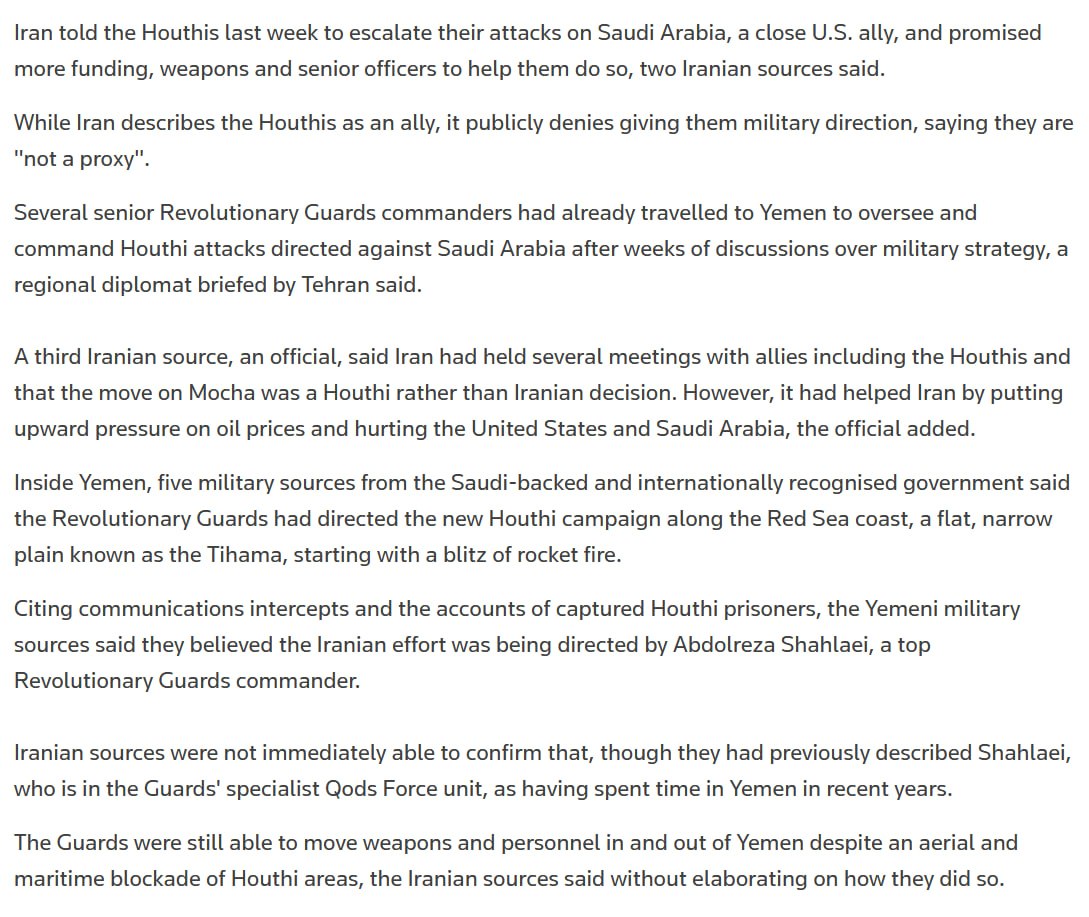
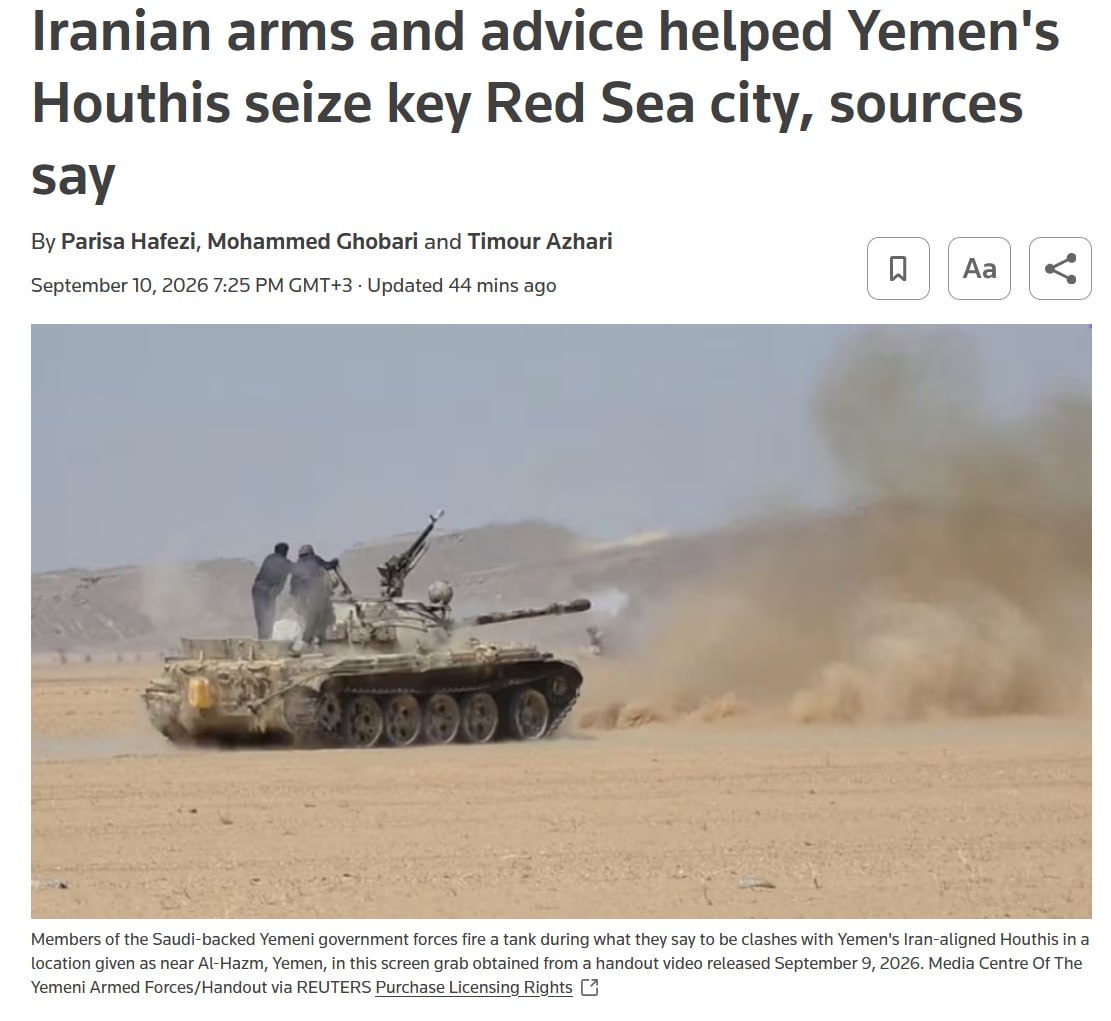
Later in the day, Reuters, cited by the Telegram channel CIG_telegram, reported that Iran dispatched approximately a dozen Islamic Revolutionary Guard Corps (IRGC) commanders to Yemen. Their mission is to advise Houthi and Ansarallah forces in their ongoing conflict with the Saudi‑backed Presidential Leadership Council (PLC) and the Kingdom of Saudi Arabia (KSA). While no direct combat actions were attributed to the IRGC advisers on 10 September, their presence suggests an escalation in Iranian involvement in the Yemen theatre, potentially facilitating more sophisticated missile and drone operations against Saudi targets.
IRGC Ground Support for Saudi‑Targeted Operations
A separate Reuters‑linked report from rnintel confirmed that IRGC personnel are actively supporting ground offensives in Yemen and coordinating attacks on Saudi infrastructure. The source, an unnamed Iranian official, indicated that IRGC units are providing tactical guidance, logistics, and intelligence to Houthi forces, thereby enhancing the militants’ operational reach.
Ukrainian Drone Strike on NOVATEK’s Purovsky Plant
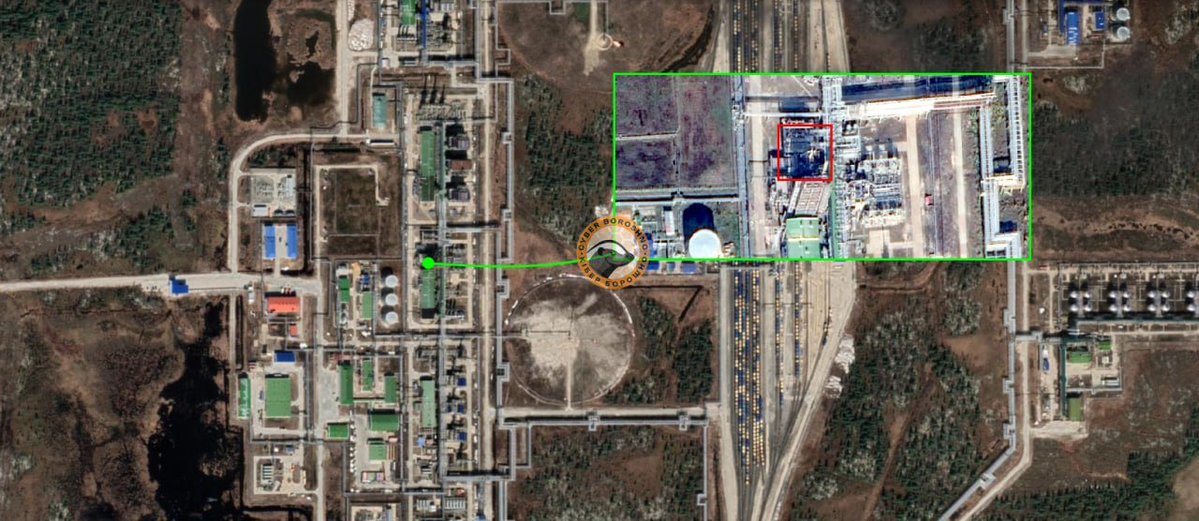
At 14:26 UTC, Ukrainian special‑operations forces deployed armed drones to strike NOVATEK’s Purovsky gas plant near Tarko‑Sale, as reported by monitor_the_situation. The drones targeted an LPG‑drying unit, temporarily halting production at a facility that processed 13.2 million tonnes of gas in 2024. No injuries were reported, but the incident demonstrates Ukraine’s capacity to conduct precision strikes on high‑value energy assets deep within Russian territory.
Israeli Counter‑Terror Operation
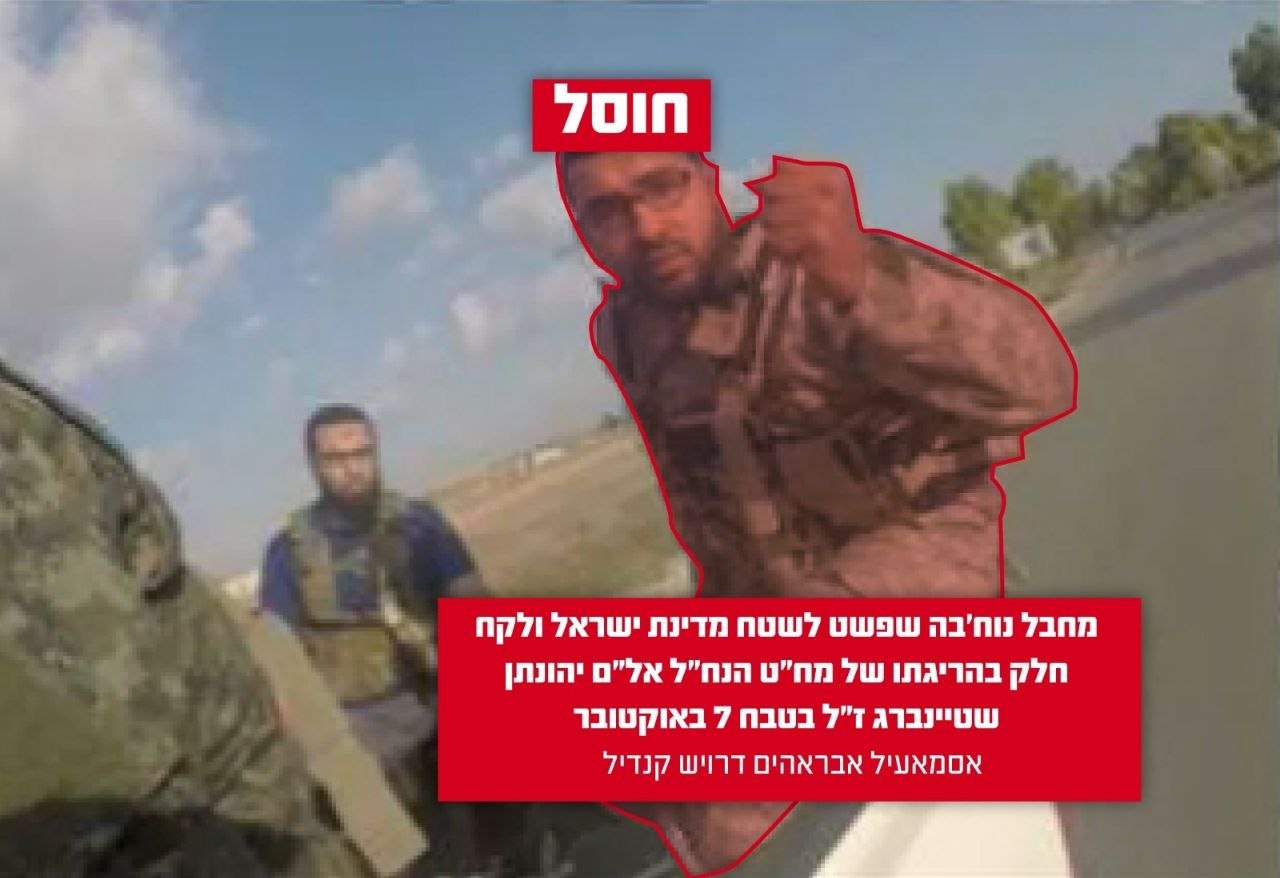
In the Israeli‑Palestinian arena, the Israel Defense Forces (IDF) eliminated a Nukhba operative who had infiltrated Israel and participated in the killing of Lt. Yehonatan Steinberg. The operation, reported by the Telegram channel idkunim_il, involved a targeted raid without the use of firearms, reflecting the IDF’s emphasis on precision counter‑terror measures. No civilian casualties were reported.
IAEA Accusation of Iranian Non‑Compliance
The International Atomic Energy Agency (IAEA) publicly accused Iran of non‑compliance with nuclear inspection protocols, citing a year‑long gap in access to key facilities. Iran responded by blaming recent U.S. strikes for creating unsafe conditions that impede inspection teams. The dispute, covered by Al Jazeera, adds a diplomatic dimension to the kinetic events of the day, underscoring the intersection of military actions and nuclear non‑proliferation concerns.