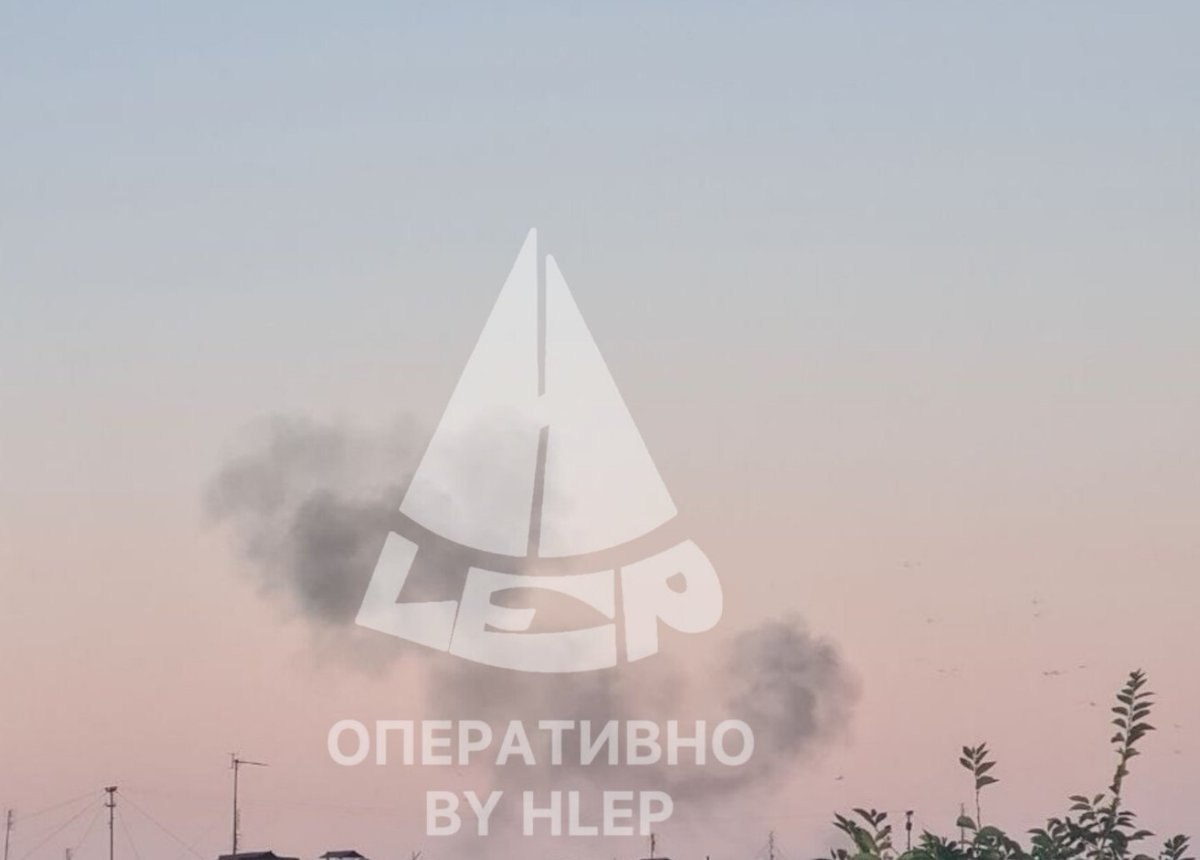
In the early hours of 10 September 2026, Russian‑operated Geran unmanned aerial vehicles (UAVs) launched a coordinated strike on the industrial hub of Zaporizhzhia and the nearby town of Vilnyansk. The attacks ignited multiple large‑scale fires at warehouses and commercial facilities, prompting a rapid response from local emergency services and satellite‑based fire monitoring systems. The incident marks the most severe kinetic event reported in Ukraine on this date, underscoring a renewed emphasis on UAV‑enabled saturation attacks against civilian infrastructure.
Geran Drone Assault on Zaporizhzhia and Vilnyansk
At 05:22:31 UTC, two Geran drones penetrated air‑defence corridors and targeted a logistics complex on the outskirts of Zaporizhzhia, as well as a commercial district in Vilnyansk, Dnipropetrovsk Oblast. The UAVs released incendiary payloads that ignited fuel stores, metal‑working warehouses, and a distribution centre for agricultural supplies. Satellite data from NASA’s FIRMS (Fire Information for Resource Management System) confirmed the presence of multiple thermal anomalies within a 3‑kilometre radius of the strike zones, indicating fires that burned for several hours before being contained.
"Russia Strikes Zaporizhzhia With Geran Drones. Overnight drone attacks hit warehouse and commercial sites in Zaporizhzhia City and Vilnyansk, sparking large fires confirmed by NASA FIRMS." – monitor_the_situation, https://t.me/monitor_the_situation/30229
The attacks resulted in significant material loss, though casualty figures have not been released by Ukrainian authorities at the time of reporting. Local officials noted that the fires disrupted supply chains for food processing plants that serve the broader region, potentially affecting civilian access to essential goods. The use of Geran drones—modified commercial quadcopters equipped with improvised explosive devices—reflects a tactical shift toward low‑cost, high‑impact weapons capable of overwhelming conventional air‑defence systems.
Kryvyi Rih Urban Drone Strike
Just eight minutes earlier, at 05:14:09 UTC, a separate wave of Russian UAVs entered the airspace over Kryvyi Rih, a major industrial city in Dnipropetrovsk Oblast. The drones struck residential blocks, a secondary school, and a cultural centre, causing structural damage and igniting several fires across the city centre. Video footage shared by the monitoring channel @AMK_Mapping_ shows smoke plumes rising from multiple points, while eyewitnesses reported that at least three civilians sustained injuries requiring medical attention.
"Russian Drone Attack Hits Kryvyi Rih, Injuring Civilians. Russian UAVs struck Kryvyi Rih, injuring residents and damaging residential buildings, schools, and cultural facilities, with fires reported across the city." – monitor_the_situation, https://t.me/monitor_the_situation/30228
The incident aligns with a broader pattern of Russian UAV deployments targeting densely populated urban areas, aiming to erode civilian morale and strain emergency response capacities. While the exact number of casualties remains unverified, the damage to educational and cultural infrastructure highlights the conflict’s expanding impact on non‑military assets.
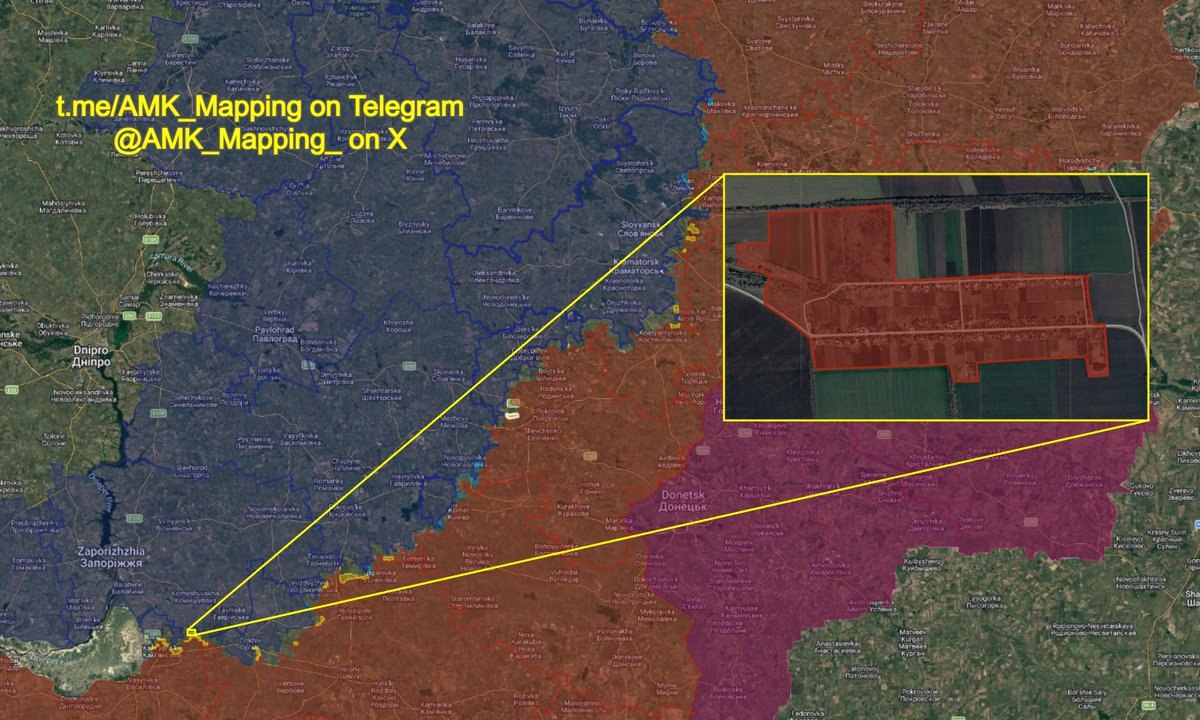
Ground Advance: Capture of Pavlivka
In a separate kinetic development, Russian ground forces completed the capture of Pavlivka, a village in the Vasylivka District of Zaporizhzhia Oblast, at 03:58:06 UTC. The operation concluded a roughly 25‑day offensive that saw Russian units advance from the southern front, employing combined‑arms tactics that included artillery preparation and mechanised infantry assaults. Pavlivka, with a pre‑war population of approximately 174 residents and an area of 0.80 km², now falls under Russian administrative control.
"Russia Captures Pavlivka in Zaporizhzhia Region. Russian forces captured Pavlivka (Vasylivka District) after a ~25‑day offensive." – monitor_the_situation, https://t.me/monitor_the_situation/30225
The seizure of Pavlivka, while modest in scale, carries strategic significance. Control of the village secures a segment of the road network linking the southern front to the main supply routes serving Russian‑held positions in the region. Moreover, the capture demonstrates the continued ability of Russian forces to conduct sustained ground operations despite ongoing Ukrainian counter‑offensives elsewhere on the front.
Collectively, these events illustrate a multi‑dimensional escalation in kinetic activity across central and southern Ukraine. The synchronized UAV strikes on Zaporizhzhia, Vilnyansk, and Kryvyi Rih reveal an operational focus on high‑value civilian and commercial targets, leveraging the low cost and rapid deployment of drone technology. Simultaneously, the ground capture of Pavlivka underscores that conventional force maneuvers remain a core component of Russian strategy. Monitoring agencies will continue to track casualty reports, infrastructure damage assessments, and any subsequent Ukrainian responses to these coordinated attacks.