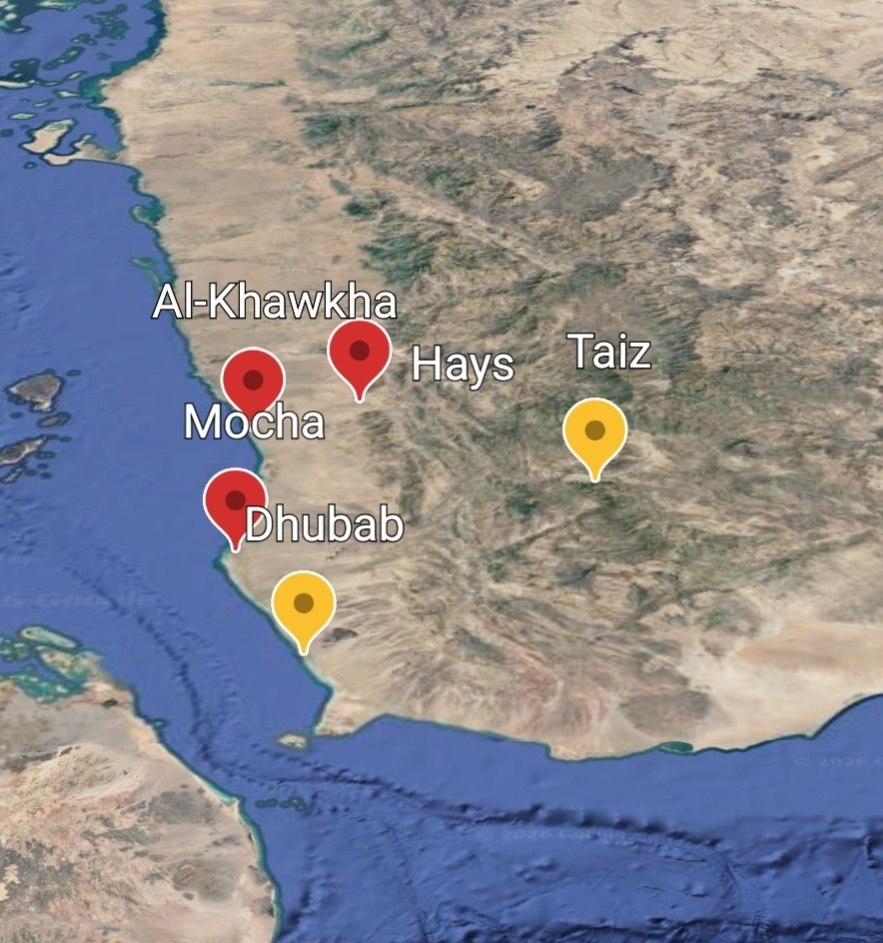
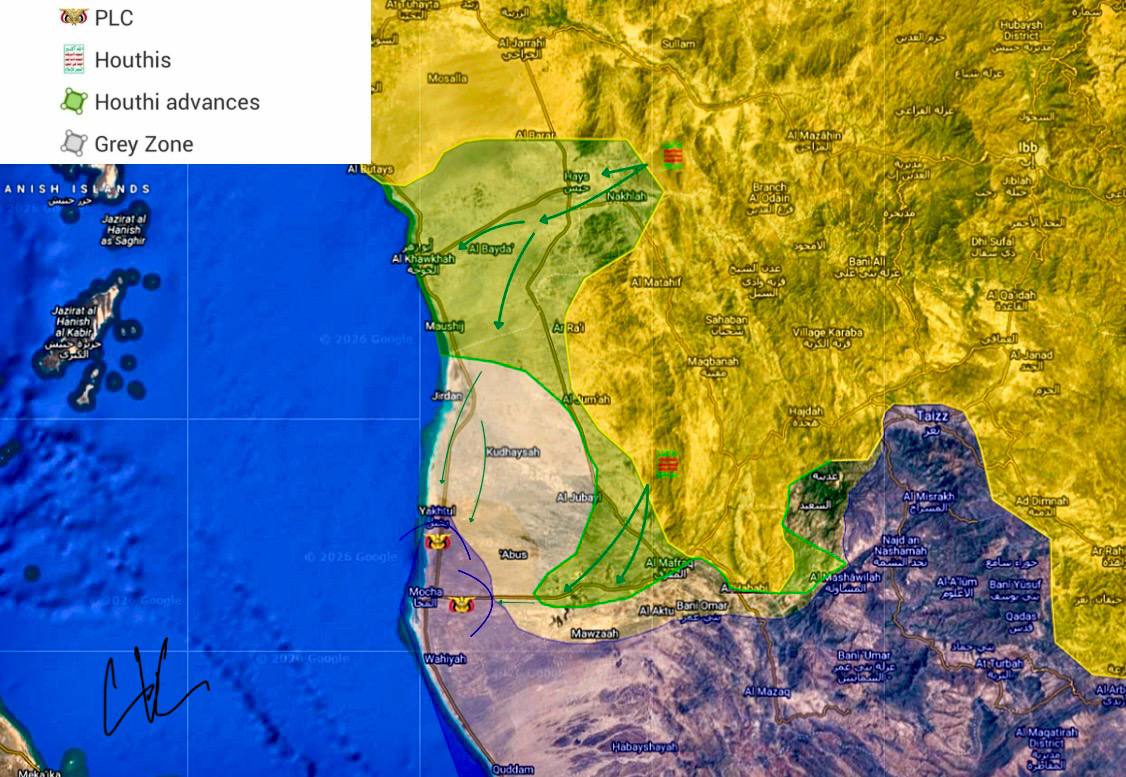
In a series of coordinated ground movements on 10 September 2026, Houthi forces captured the towns of Hays, Al‑Khawkhah and the port city of Mocha in Yemen's Al Hudaydah Governorate. The advances, reported by GeoPWatch and CIG_telegram, give the Houthis almost uncontested control over the Yemeni side of the Bab al‑Mandeb Strait, a chokepoint through which roughly 20 percent of global oil shipments transit. The rapid territorial gains mark the most significant kinetic development in the Yemeni theater this week and raise immediate concerns for maritime security and regional power balances.
Ground Offensive and Territorial Consolidation
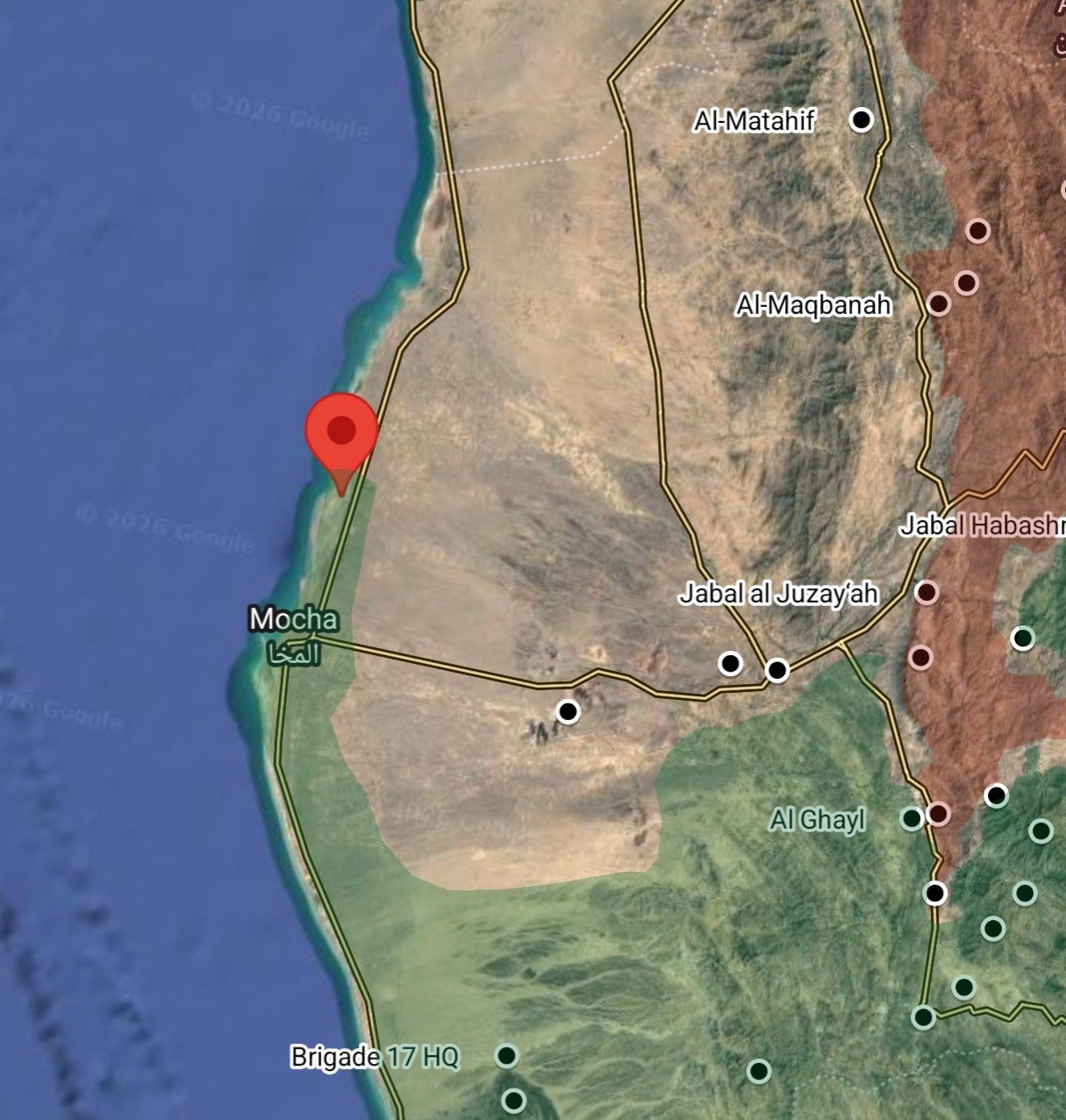
According to GeoPWatch, between 02:54 and 03:43 UTC the Houthis seized over 2,000 km² of territory previously held by the Presidential Leadership Council (PLC). The key milestones were the capture of al‑Mokha (also spelled Mocha) at 02:54 UTC, followed by the fall of Hays and Al‑Khawkhah at 03:43 UTC. The PLC forces retreated southward, abandoning strategic coastal positions and leaving the Bab al‑Mandeb Strait largely under Houthi control. CIG_telegram corroborated the capture of Mocha, stating, "BREAKING: Ansarullah has captured the city of Mocha, western Yemen."
"The Houthis appear to have captured the key port city of al‑Mokha, giving them almost total control of the Yemeni side of the Bab el‑Mandeb Strait and Red Sea," GeoPWatch reported.
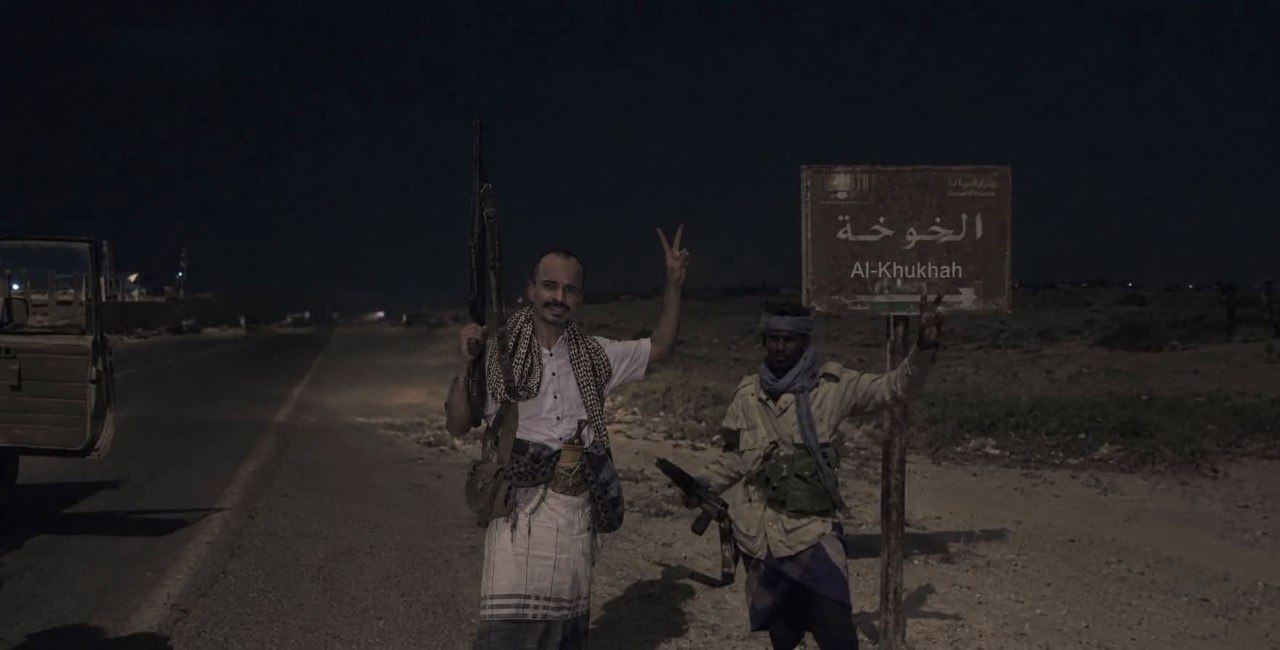
These movements were not isolated. Earlier in the day, at 01:31 UTC, GeoPWatch documented the capture of Hays, Al Khawkhah, Al Mafraq and Jabar Al‑Nar, with Houthi trucks entering Hays and troops consolidating at the local security directorate. The offensive also targeted nearby Yakhtul, where clashes between Ansarullah and PLC forces were observed at 00:06 UTC, according to rnintel.
Airstrikes and Explosive Incidents
While the ground offensive dominated the day, air operations continued to shape the conflict landscape. At 02:50 UTC, monitor_the_situation reported airstrikes on the port city of Hodeidah, though no casualty figures were provided. The same source later noted an explosion in Hodeidah at 02:52 UTC, attributed to Ansarallah‑controlled areas. These incidents underscore the persistent threat of aerial attacks even as ground forces shift control of key locations.
In a separate theater, Al Jazeera reported that the Yemeni government accused Houthi forces of killing three children in Saudi‑border attacks, while Saudi forces allegedly conducted 54 air raids across Yemen within a 12‑hour window. The report, dated 05:09 UTC, highlighted the use of missiles, drones and conventional air raids, though specific casualty numbers beyond the three children were not disclosed.
Regional Context and Strategic Implications
The Bab al‑Mandeb Strait is a vital maritime conduit linking the Red Sea to the Gulf of Aden. Control of the strait enables the holder to influence shipping traffic, levy unofficial fees, or threaten passage with naval mines. The Houthi consolidation follows a pattern of leveraging territorial gains to negotiate from a position of strength in ongoing diplomatic efforts, including United Nations‑mediated talks.
International actors have expressed concern. While no direct statements were captured in the event feed, the strategic importance of the strait has historically prompted naval deployments by the United States, United Kingdom and France to ensure freedom of navigation. The sudden shift in control may prompt a reassessment of naval patrol routes and could trigger diplomatic outreach to the Houthis to mitigate the risk of commercial disruptions.
Humanitarian Impact
Although casualty figures for the ground offensives remain unreported, the capture of densely populated coastal towns raises immediate humanitarian risks. The United Nations Office for the Coordination of Humanitarian Affairs (OCHA) has previously warned that displacement could surge if fighting intensifies around port cities that host large numbers of internally displaced persons (IDPs). The loss of PLC‑controlled ports also threatens the flow of humanitarian aid, which often arrives via sea lanes that now pass through Houthi‑controlled waters.
In parallel, a separate high‑profile incident occurred in northern Gaza, where Israeli forces killed four civilians, as reported by monitor_the_situation. While unrelated to Yemen, the event illustrates the broader regional volatility that can affect conflict dynamics across the Middle East.
Conclusion
The coordinated Houthi ground offensive on 10 September 2026 represents the most consequential kinetic development in Yemen this year, effectively granting the group near‑total control of the Bab al‑Mandeb Strait. Coupled with ongoing airstrikes, explosions, and cross‑border attacks, the situation underscores a heightened risk of escalation that could impact regional maritime security and humanitarian conditions. Continued monitoring of troop movements, air operations, and diplomatic responses will be essential to assess the evolving threat landscape.