On September 10, 2026, the Houthi movement carried out one of the most severe attacks on Saudi territory since the conflict began, striking the King Khalid Air Base in Khamis Mushait and adjacent oil infrastructure. The assault, reported by JPost, involved a salvo of rockets and missiles that wounded 73 individuals, including military personnel and civilian workers. The attack marks a significant escalation, prompting Pakistan to publicly warn Iran to restrain its proxy forces. The source URL for the detailed report is https://www.jpost.com/international/article-908193.
Operational Details of the Khamis Mushait Strike
The Houthi forces launched a mixed‑weapon barrage comprising ballistic missiles and unguided rockets from Yemeni territory. The primary target was the King Khalid Air Base, a strategic installation that supports Saudi Air Force operations in the southern region. Simultaneously, nearby oil processing facilities in the Khamis Mushait industrial zone were hit, disrupting crude handling and raising concerns about environmental damage.
"Pakistan warns Iran to rein in Houthis as Riyadh strikes back," JPost, September 10, 2026.
Casualty figures released by Saudi authorities confirm 73 wounded, with no immediate fatalities reported. The wounded include both Saudi servicemen and civilian contractors employed at the oil complex. Medical response teams were mobilized from Riyadh and the southern provinces, and the injured were transferred to hospitals in Abha and Khamis Mushait.
Secondary Missile and Drone Activity
Within the same morning, the Telegram channel intelslava posted a separate but related incident at 01:00 UTC, indicating that multiple missiles and unmanned aerial vehicles (UAVs) struck the King Khalid Air Base. While the earlier JPost report focused on the rocket component, the intelslava feed highlighted the coordinated use of drones, suggesting a layered attack designed to overwhelm air defense systems. The source URL for this observation is https://t.me/intelslava/94289. No additional casualties were reported in the intelslava account, but the presence of drones underscores a tactical shift toward combined‑arms assaults.
Alert Status Across the Kingdom
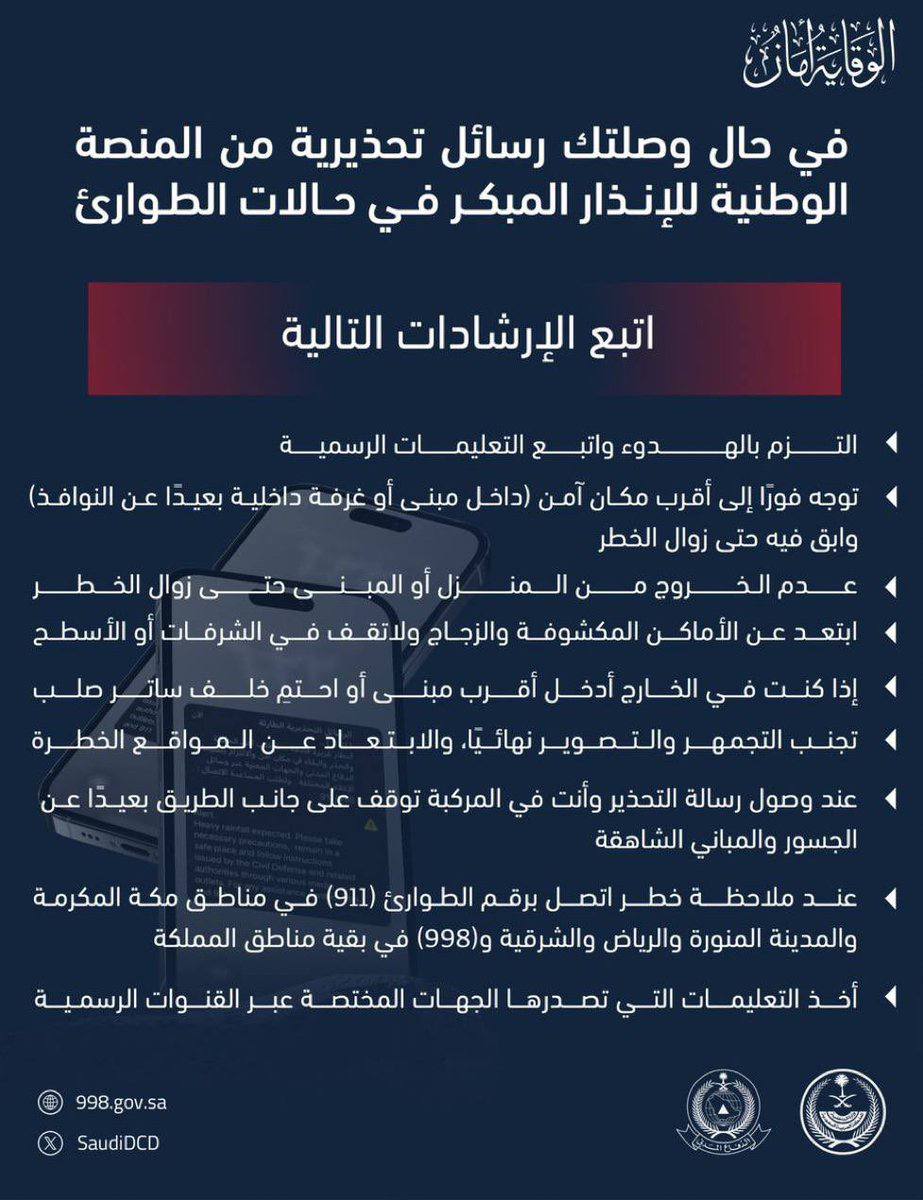
Following the Khamis Mushait incident, Saudi civil defense issued rocket alerts in two additional locations. At 00:54 UTC, the GeoPWatch channel reported a rocket alert for Abha, the provincial capital of Asir, citing potential inbound threats. A minute later, GeoPWatch posted a similar alert for Khamis Mushait itself, confirming that local authorities were on high alert and that residents were instructed to seek shelter. Both alerts were disseminated without accompanying details on weapon type or expected impact, reflecting a precautionary posture. The GeoPWatch alerts can be accessed at https://t.me/GeoPWatch/39800 and https://t.me/GeoPWatch/39799.
Regional and Diplomatic Repercussions
The attack has immediate diplomatic ramifications. Pakistan’s foreign ministry, citing the JPost article, issued a statement urging Iran to exercise restraint over its Houthi proxies, warning that further escalation could destabilize the broader Gulf region. Iran has not publicly responded, but the warning signals heightened concern among Gulf Cooperation Council (GCC) members about the potential for proxy conflicts to spill over national borders.
Saudi Arabia’s Ministry of Defense confirmed that air defense systems intercepted a portion of the incoming projectiles, but the sheer volume of rockets and missiles overwhelmed some sectors, allowing the strike to reach the airbase perimeter and oil facilities. The incident has prompted Riyadh to reassess the readiness of its southern defense network, including the deployment of additional Patriot and THAAD batteries.
Analytical Assessment
The coordinated use of rockets, missiles, and drones indicates a maturation of Houthi operational capabilities. By targeting both a military airbase and critical energy infrastructure, the group aims to achieve dual objectives: degrade Saudi air power in the south and threaten the kingdom’s economic lifelines. The high casualty count, though limited to injuries, demonstrates the potential for future attacks to cause more severe loss of life if defensive measures are not further enhanced.
Furthermore, the rapid issuance of civilian alerts in Abha and Khamis Mushait reflects an improved early‑warning system within Saudi civil defense, likely a response to previous cross‑border strikes. However, the reliance on public alerts without detailed guidance may cause public anxiety and underscores the need for clearer communication protocols.
In the broader strategic context, the attack may influence the calculus of external actors. Pakistan’s warning to Iran suggests that regional powers are closely monitoring Houthi actions, and any perceived Iranian support could trigger diplomatic or covert countermeasures. Saudi Arabia is expected to intensify its air campaign against Houthi positions in Yemen, potentially expanding the scope of its aerial operations beyond the current focus on the Red Sea corridor.