In the early hours of 9 September 2026, Ukraine’s integrated air‑defence network engaged the largest single‑day aerial assault on Kyiv since the conflict began. According to the monitoring channel monitor_the_situation, Ukrainian forces shot down 142 hostile drones and 31 cruise missiles launched from Russian bases in a coordinated overnight operation that targeted at least 29 locations across the capital.
🔴 **Ukraine Downs 142 Drones, 31 Missiles in Overnight Attack** – Kyiv, Ukraine – Conflict · S4 - CRITICAL – @NOELreportsThe engagement, reported at 07:00 UTC, underscores the intensity of Russia’s UAV‑centric strategy and the resilience of Ukraine’s air‑defence assets, including the S‑300, Patriot and indigenous systems.
Targeted Media Infrastructure: We Are Ukraine TV Studio
At 07:00 44 seconds, a Russian‑operated drone struck the premises of the We Are Ukraine television channel in central Kyiv. The impact partially destroyed the studio’s broadcast hall and resulted in five injuries, according to the same source channel. Video footage released by the outlet shows the drone descending at low altitude before colliding with the roof structure, igniting a fire that was quickly contained by emergency responders.
Russian Drone Strikes Ukrainian TV Studio, Injuring 5 – A Russian drone hit the We Are Ukraine TV channel in Ukraine while journalists broadcast live; the studio was partially destroyed and at least five were injured.
Residential Damage and Civilian Casualties in Kyiv
Shortly after the media strike, additional unmanned aerial systems penetrated Kyiv’s airspace, targeting residential districts. The drones impacted multiple apartment blocks, injuring nine civilians and causing structural damage to several buildings. The attacks, documented by on‑the‑ground witnesses and posted on the monitoring channel, marked a renewed focus on civilian areas following the earlier air‑defence successes.
Russia Drone Attacks on Kyiv Injure 9 – Russian drones struck residential buildings across several districts of Kyiv, injuring 9 people and causing damage, resuming attacks on the Ukrainian capital.
High‑Impact Strikes Beyond the Capital
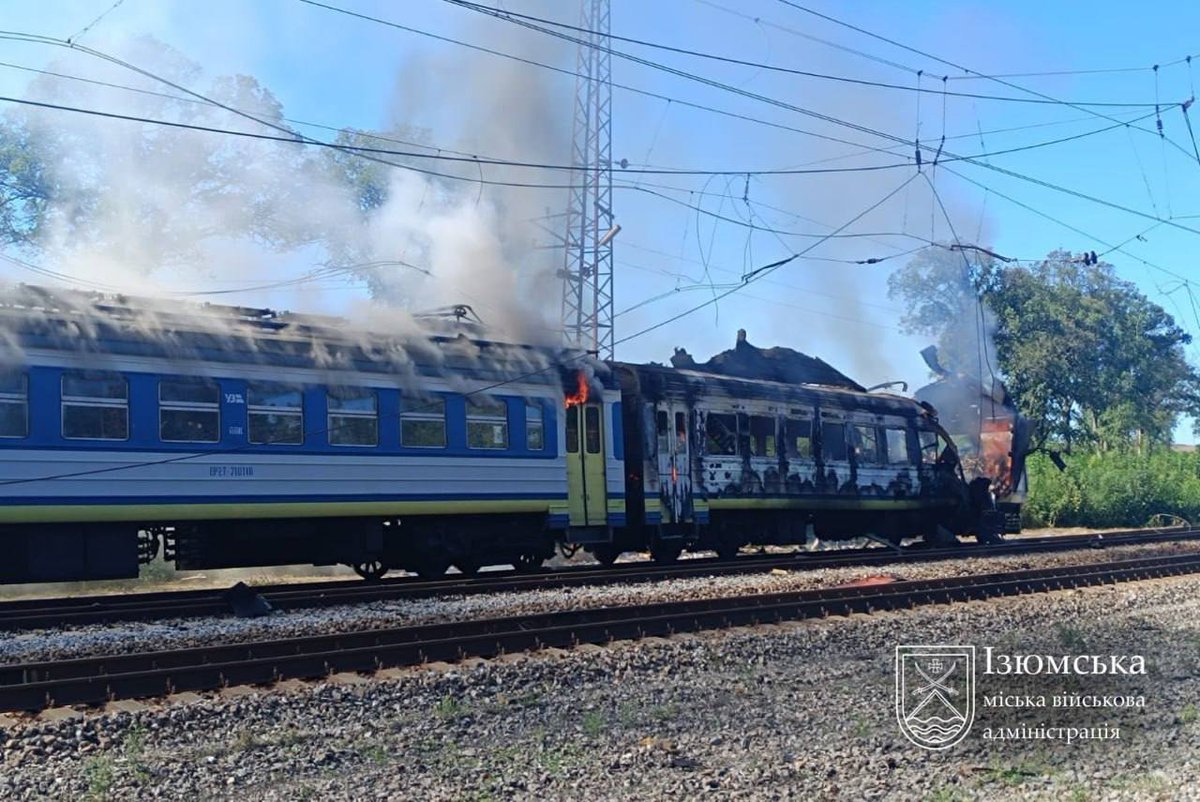
In the broader theatre, Russian UAVs continued to inflict damage. At 08:34 27, a jet‑powered drone hit a passenger train near Izium in Kharkiv Oblast, injuring six passengers. The incident was confirmed by the Izium military administration head, Fedchenko, and illustrated the expanding reach of Russian aerial assets into transport corridors.
Russian Drone Strikes Train in Kharkiv Region, 6 Injured – A Russian jet‑powered drone hit a train in Kharkiv Oblast, Ukraine, injuring six people.
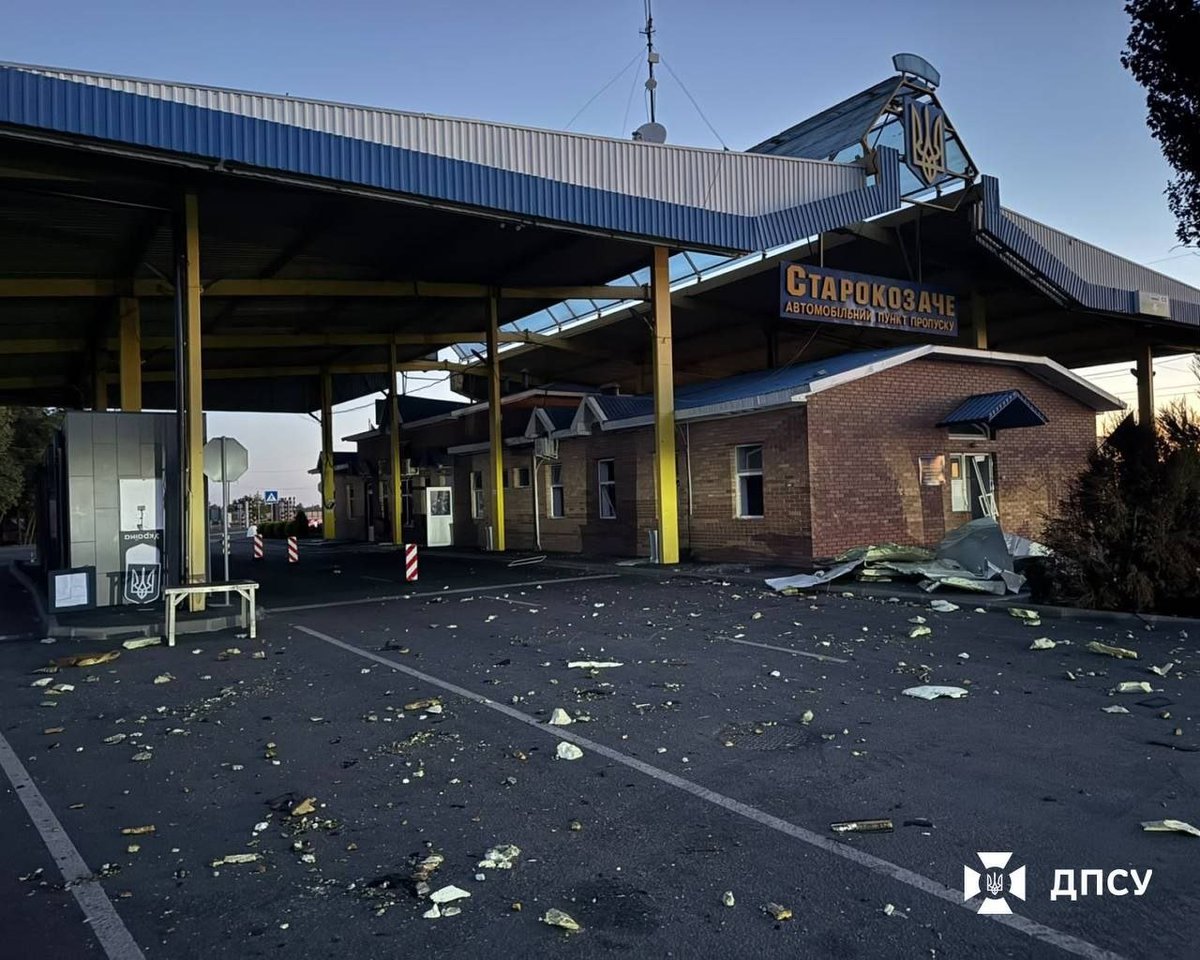
Further south, at the Starokozache border crossing with Moldova, Russian drones attacked the checkpoint at 07:09 16, killing two civilians and wounding additional individuals. The crossing was temporarily closed pending security assessments. The incident was reported by both the monitoring channel and Al Jazeera, highlighting the cross‑border implications of the UAV campaign.
Russian Drone Attack Hits Border Crossing With Moldova, Kills and Injuries – Russian strike drones hit the Starokozache international road border crossing with Moldova overnight, killing two civilians and injuring others.
On 4 September, a Geran‑4 loitering munition struck a Ukrainian UH‑60 Black Hawk helicopter at Zhuliany Airport. While the event occurred earlier, it was reiterated on 9 September by the intelligence outlet intelslava, attributing the loss to a Russian loitering munition equipped with an electro‑optical seeker. The helicopter, operated by Ukraine’s Main Directorate of Intelligence (HUR/GUR), suffered significant damage, though crew casualties were not disclosed.
At Vasylkiv Air Base in Kyiv Oblast, a Geran‑4 drone destroyed a Ukrainian MiG‑29 on the ground. Video released by Russian sources showed the drone’s impact, confirming the loss of a frontline fighter aircraft. No pilot casualties were reported, but the destruction represents a material loss for Ukraine’s air‑combat capability.
Counter‑UAV Actions by Russian Forces
In a reciprocal development, Russian air‑defence units of the 50th Separate Unmanned Systems Brigade “Varyag” intercepted Ukrainian drones over Kherson Oblast at 10:16 11. The footage, shared by intelslava, demonstrates the contested nature of UAV operations across the front lines, with both sides employing dedicated anti‑drone systems.
Analytical Overview
The coordinated barrage against Kyiv reflects a strategic shift toward saturation UAV attacks designed to overwhelm air‑defence capacities and create psychological pressure on the civilian population. Ukraine’s successful interception of the majority of inbound threats indicates robust readiness, yet the persistence of successful strikes on high‑value targets—media facilities, residential blocks, transport infrastructure, and border crossings—highlights remaining gaps in coverage, particularly at low altitude and in urban canyons.
Russian reliance on loitering munitions such as the Geran‑4 underscores a tactical emphasis on precision strike capabilities against both static and mobile assets. The loss of a MiG‑29 and a Black Hawk helicopter, while not altering the overall balance of forces, signals a targeted approach to degrade Ukraine’s air‑mobility and air‑defence training assets.
Cross‑border incidents at the Starokozache checkpoint raise concerns about the spill‑over effects of the conflict into neighboring Moldova, potentially complicating regional security dynamics and humanitarian access.
Overall, the events of 9 September demonstrate an escalation in UAV‑centric warfare, with both belligerents investing heavily in offensive and defensive drone technologies. Continued monitoring of interception rates, casualty figures, and target selection will be essential for assessing the evolving threat landscape.