On September 9, 2026, a series of kinetic events unfolded across the Middle East and Eastern Europe, highlighting a sharp escalation in regional hostilities. The most consequential development was Iran's coordinated strike on three oil tankers operating near Dubai, Kuwait, and Qatar, an action that threatens the security of maritime commerce in the Persian Gulf.
Iranian Naval Strike on Gulf Tankers
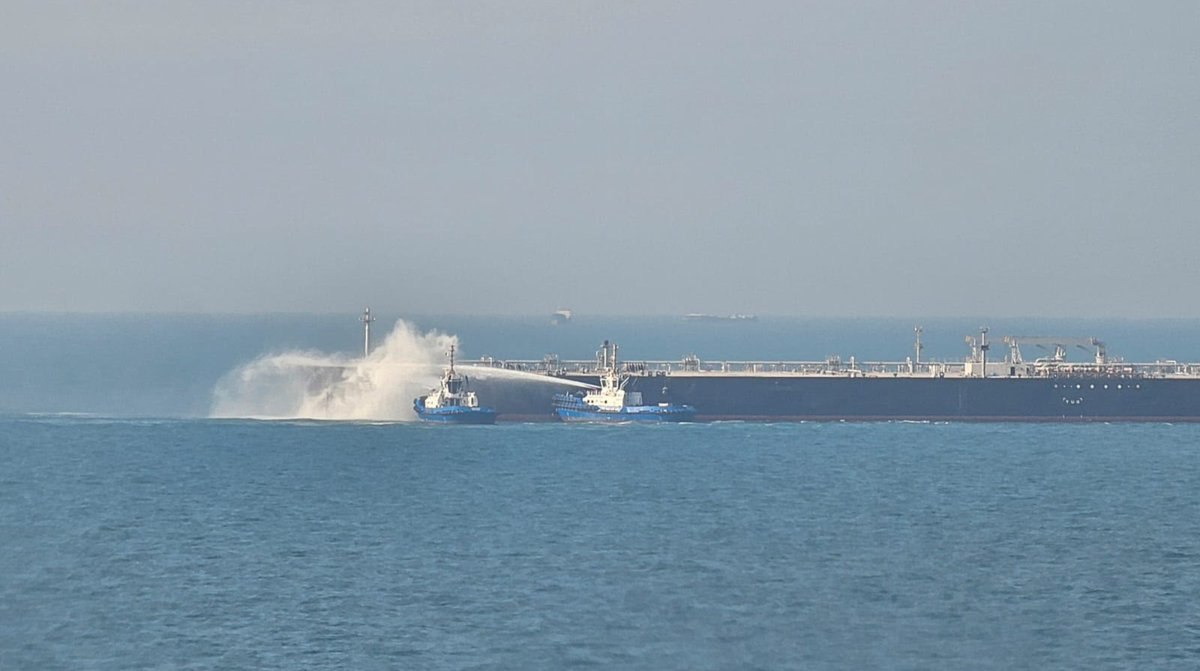
At 11:12 UTC, Iranian forces engaged three oil tankers in the Persian Gulf, according to the monitoring channel monitor_the_situation. The vessels, identified as commercial carriers, were struck near the territorial waters of the United Arab Emirates, Kuwait, and Qatar. No casualties were reported, but the attacks disrupted the flow of oil and raised immediate concerns about the safety of shipping lanes that handle a significant share of global energy exports.
"Iran Hits Three Oil Tankers Near Dubai, Kuwait, Qatar" – monitor_the_situation, 2026-09-09
The strike was executed without the use of conventional weapons, suggesting the deployment of specialized naval munitions or sabotage techniques. While the exact weapon systems remain unconfirmed, the rapid coordination across three separate locations points to a high level of operational planning. The incident was documented with a photograph posted on the channel’s Telegram feed (source).
Key details: Location – Persian Gulf; Actors – Iran; Targets – three oil tankers; Weapon type – unspecified naval strike; Casualties – none reported; Source – monitor_the_situation.
Ukrainian Missile Strike on Russia’s Kirishi Refinery
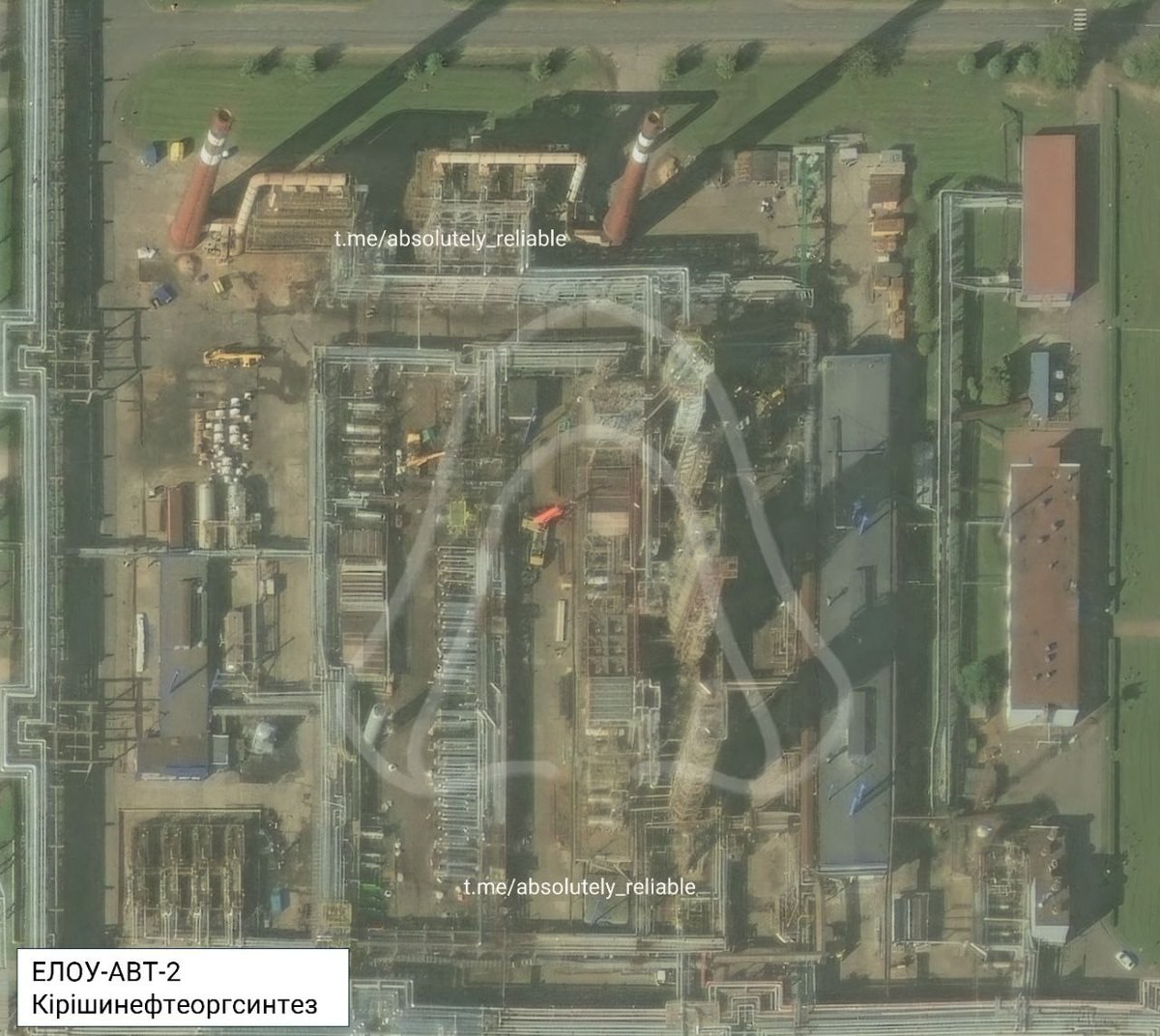
Later that day, at 14:39 UTC, satellite imagery released by the same monitoring service confirmed a Ukrainian missile strike on the Kirishinefteorgsintez refinery in Kirishi, Leningrad Oblast, Russia. The attack damaged primary processing units, reducing the refinery’s output capacity by approximately 60 percent, equivalent to 12.1 million tonnes of crude per year.
"Satellite Confirms Damage at Russia's Kirishi Refinery" – monitor_the_situation, 2026-09-09
The weapon employed was a precision missile, likely launched from Ukrainian‑controlled territory. The refinery, a critical component of Russia’s western oil‑processing network, now faces a prolonged shutdown for repairs, potentially affecting regional fuel supplies and export revenues. No civilian casualties were reported, and the strike did not trigger secondary explosions or fires, according to the imagery analysis.
Key details: Location – Kirishi, Russia; Actors – Ukraine (missile launch) vs. Russia (refinery); Target – Kirishinefteorgsintez refinery; Weapon – missile; Capacity loss – ~60%; Source – monitor_the_situation.
Iranian Missile Salvo Over Jordan
In a separate development, Iran launched a large missile salvo toward Jordan, claiming to have struck U.S. military installations within the kingdom. The report, published by JPost, described the salvo as the most extensive Iranian missile deployment against Jordan to date, indicating a deliberate escalation of Tehran’s regional posture.
"Iran's attacks on Jordan show how the kingdom has become frontline state - analysis" – JPost, 2026-09-09
While the exact number of missiles was not disclosed, the description of a “large missile salvo” implies the use of multiple short‑range ballistic or cruise missiles. No confirmed damage to U.S. facilities or Jordanian infrastructure has been independently verified, and casualty figures remain unavailable. The incident underscores Iran’s willingness to project power beyond its borders and to challenge the presence of U.S. forces in the Levant.
Key details: Location – Jordan; Actors – Iran vs. Jordan and United States; Weapon – missiles; Casualties – none reported; Source – JPost.
Ukrainian Air Defenses Intercept Russian Drone Swarm
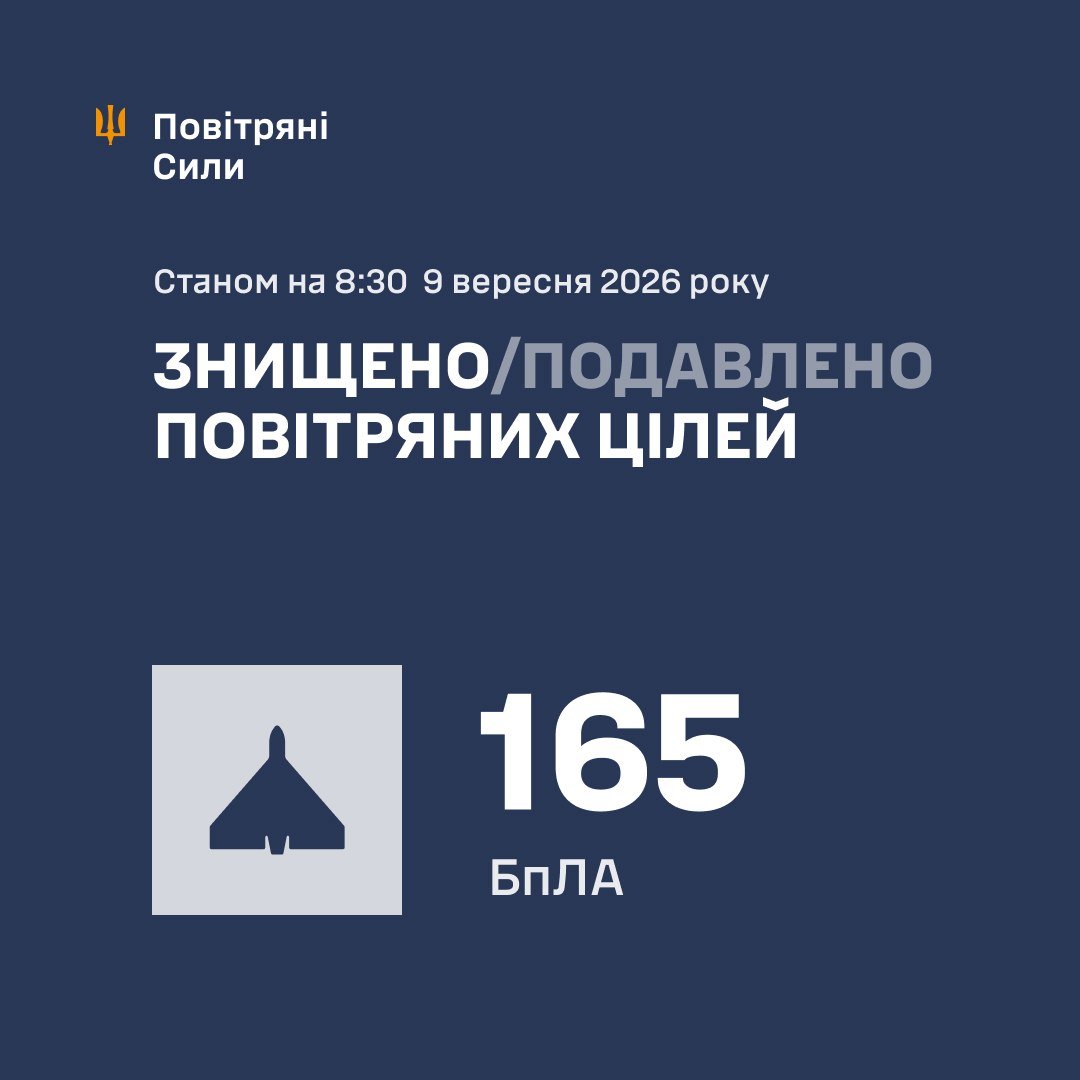
In the early morning hours, Ukrainian air defense units reported the downing of 165 out of 196 Russian drones launched in an overnight offensive. The operation, detailed by monitor_the_situation, prevented widespread damage across Ukrainian territory.
"Ukraine Downs 165 Russian Drones in Overnight Attack" – monitor_the_situation, 2026-09-09
The drones, likely Shahed‑type loitering munitions, were part of a coordinated barrage intended to overwhelm Ukrainian air defenses. The high interception rate demonstrates the effectiveness of Ukraine’s integrated air‑defence network, which combines surface‑to‑air missiles, electronic warfare, and rapid‑response fighter patrols. No civilian injuries were reported, and infrastructure damage was limited to minor incidents where a few drones evaded interception.
Key details: Location – Ukraine; Actors – Russia (drone launch) vs. Ukraine (air defense); Weapon – drones; Intercepted – 165 of 196; Casualties – none reported; Source – monitor_the_situation.
Analytical Overview
The September 9 events illustrate a multi‑theater escalation pattern. Iran’s naval strike on commercial tankers represents a direct threat to international shipping and signals Tehran’s capacity to conduct coordinated maritime operations. Simultaneously, Ukraine’s missile strike on the Kirishi refinery demonstrates Kyiv’s continued ability to project force deep into Russian territory, leveraging precision strike capabilities that can disrupt critical industrial assets.
Iran’s missile salvo over Jordan, though lacking independent verification of damage, reflects a strategic messaging campaign aimed at deterring U.S. involvement in the region. The salvo also raises the risk of miscalculation, as any inadvertent strike on civilian or allied facilities could trigger broader retaliation.
Ukraine’s successful interception of a large Russian drone swarm underscores the evolving nature of the Russia‑Ukraine conflict, where unmanned systems are increasingly employed for saturation attacks. The high kill ratio suggests that Ukraine’s air‑defence modernization, supported by Western suppliers, is effectively mitigating the threat.
Collectively, these incidents highlight three intersecting trends: (1) the use of kinetic force to achieve strategic signaling, (2) the targeting of economic infrastructure to exert pressure, and (3) the reliance on advanced missile and drone technologies to shape battlefield dynamics. The convergence of these trends in a single day raises the probability of further escalation, particularly if any of the strikes result in unintended casualties or significant economic disruption.
Conclusion
September 9, 2026, marks a notable escalation across several conflict zones. Iran’s attacks on Gulf oil tankers and Jordan, Ukraine’s strike on a major Russian refinery, and the high‑volume drone engagement over Ukraine collectively demonstrate a heightened willingness among state actors to employ kinetic means for strategic objectives. Monitoring agencies and policymakers should closely track the fallout from these events, especially any disruptions to global energy markets and the potential for retaliatory actions that could broaden the scope of existing conflicts.