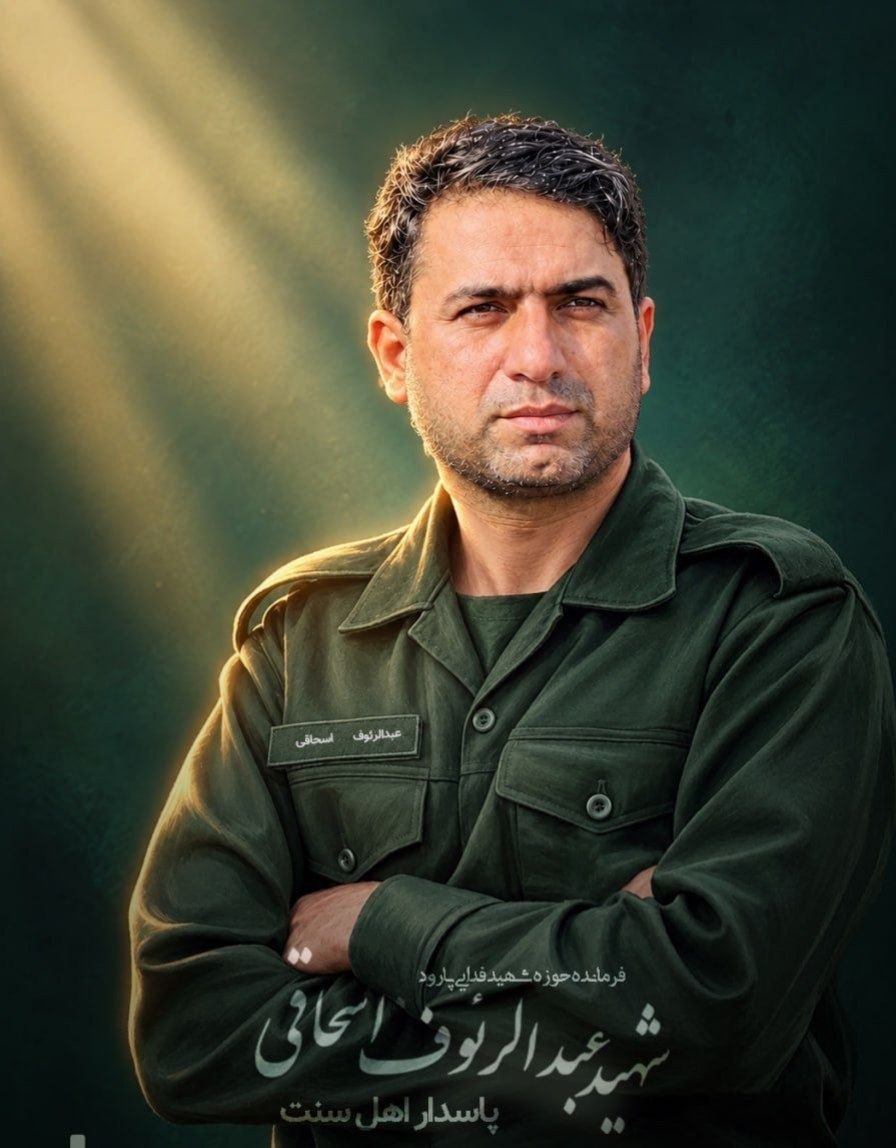
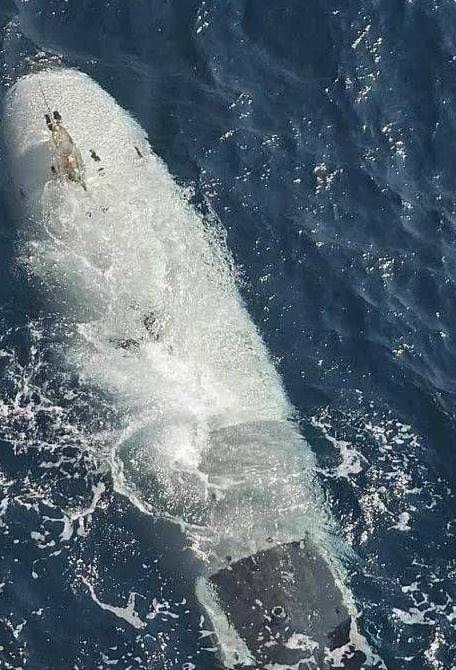
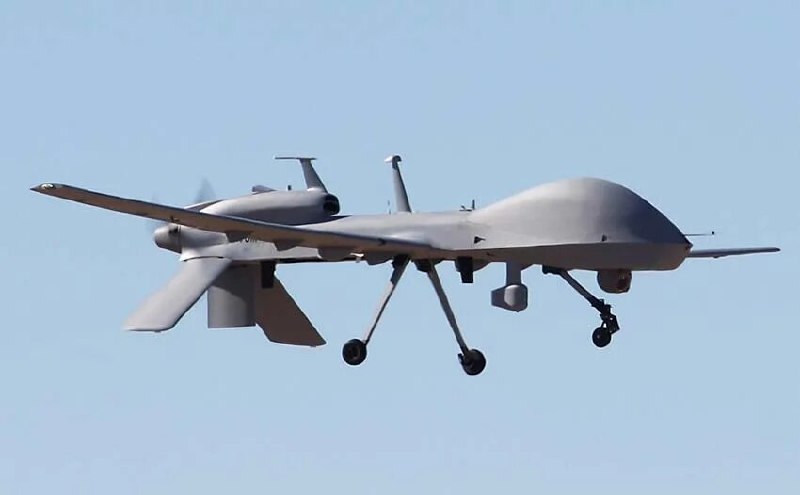
On September 8, 2026, Iran’s Islamic Revolutionary Guard Corps (IRGC) announced a series of kinetic engagements that marked a sharp escalation in the country’s direct confrontations with United States military assets. The most prominent incident involved the downing of a U.S. Army MQ-1C Gray Eagle unmanned combat aerial vehicle (UCAV) over the Strait of Hormuz, captured on video and released by the IRGC’s public affairs office. Within a three‑hour window, Tehran reported the interception of two additional U.S. drones, the seizure of a sophisticated U.S. unmanned underwater vehicle (UUV) known as the Dive LD, and the alleged shoot‑down of a U.S. MQ‑9 Reaper near Bandar Abbas. Simultaneously, an IRGC Basij commander, Abdulraouf Esmaqi, was killed in an attack in the Paroud district of Sistan‑Baluchestan Province. These events collectively illustrate a coordinated Iranian response to perceived U.S. incursions in its airspace and maritime domain.
Series of Drone Interceptions Over the Strait of Hormuz
According to a video released by the IRGC and reported by the intelligence channel intelslava, the Gray Eagle UAV was intercepted at 16:44 UTC, with the footage showing the aircraft being struck by surface‑to‑air missiles before crashing into the water. The same source later confirmed a second MQ‑1C drone was downed at 15:56 UTC, as reported by rnintel. A third claim, posted by GeoPWatch at 15:31 UTC, described the shoot‑down of a USAF‑operated MQ‑1C over the same strategic waterway. No casualties were reported among the drone crews, as the platforms are unmanned, but the incidents represent a direct challenge to U.S. surveillance and reconnaissance operations in a region critical to global oil shipments.
"Our forces have successfully neutralized hostile aerial platforms that threaten Iran’s sovereignty and the safety of the Strait of Hormuz," the IRGC statement read, emphasizing the use of "advanced air‑defence systems" to protect national interests.
These interceptions were conducted using surface‑to‑air missile systems, though specific weapon models were not disclosed. The repeated success in targeting the same UAV type suggests a focused intelligence effort and a refined engagement protocol within the IRGC’s air‑defence network.
Capture of a U.S. Unmanned Underwater Vehicle
In a parallel maritime operation, the Iranian Navy announced the seizure of a U.S. Dive LD unmanned underwater vehicle (UUV) in the Strait of Hormuz at 16:03 UTC. The Dive LD, introduced in 2025, is designed for seabed mapping and mine‑clearing missions. The capture was reported by monitor_the_situation and corroborated by rnintel, which released images of the recovered device. Tehran framed the seizure as evidence of “secret U.S. mine‑clearing operations” in the Gulf, a claim that the United States has not publicly addressed.
The UUV’s retrieval underscores Iran’s expanding capability to monitor and interdict sophisticated underwater platforms. The incident also raises concerns about the security of U.S. naval assets operating in contested waters, especially given the strategic importance of the Strait of Hormuz for global energy transport.
Additional Aerial Engagements
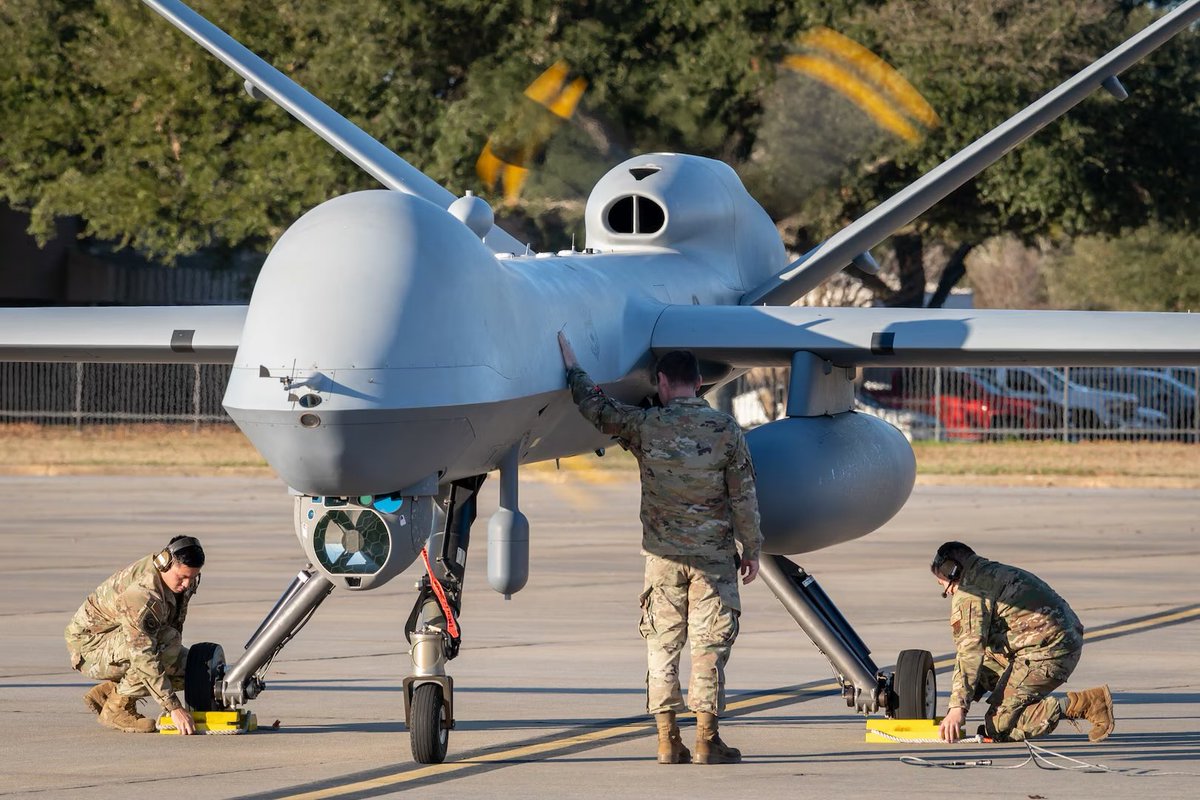
Later in the day, at 13:32 UTC, the IRGC claimed to have shot down a U.S. MQ‑9 Reaper drone near Bandar Abbas, Iran’s principal port on the Persian Gulf. The claim, posted on monitor_the_situation, remains unverified by U.S. officials, but it adds to a pattern of Iranian assertions of air‑space violations and corresponding defensive actions.
Collectively, these aerial and underwater engagements represent a coordinated Iranian effort to assert control over its territorial airspace and adjacent maritime zones, signaling a willingness to confront U.S. unmanned systems that Tehran deems hostile.
Assassination of IRGC Basij Commander in Sistan‑Baluchestan
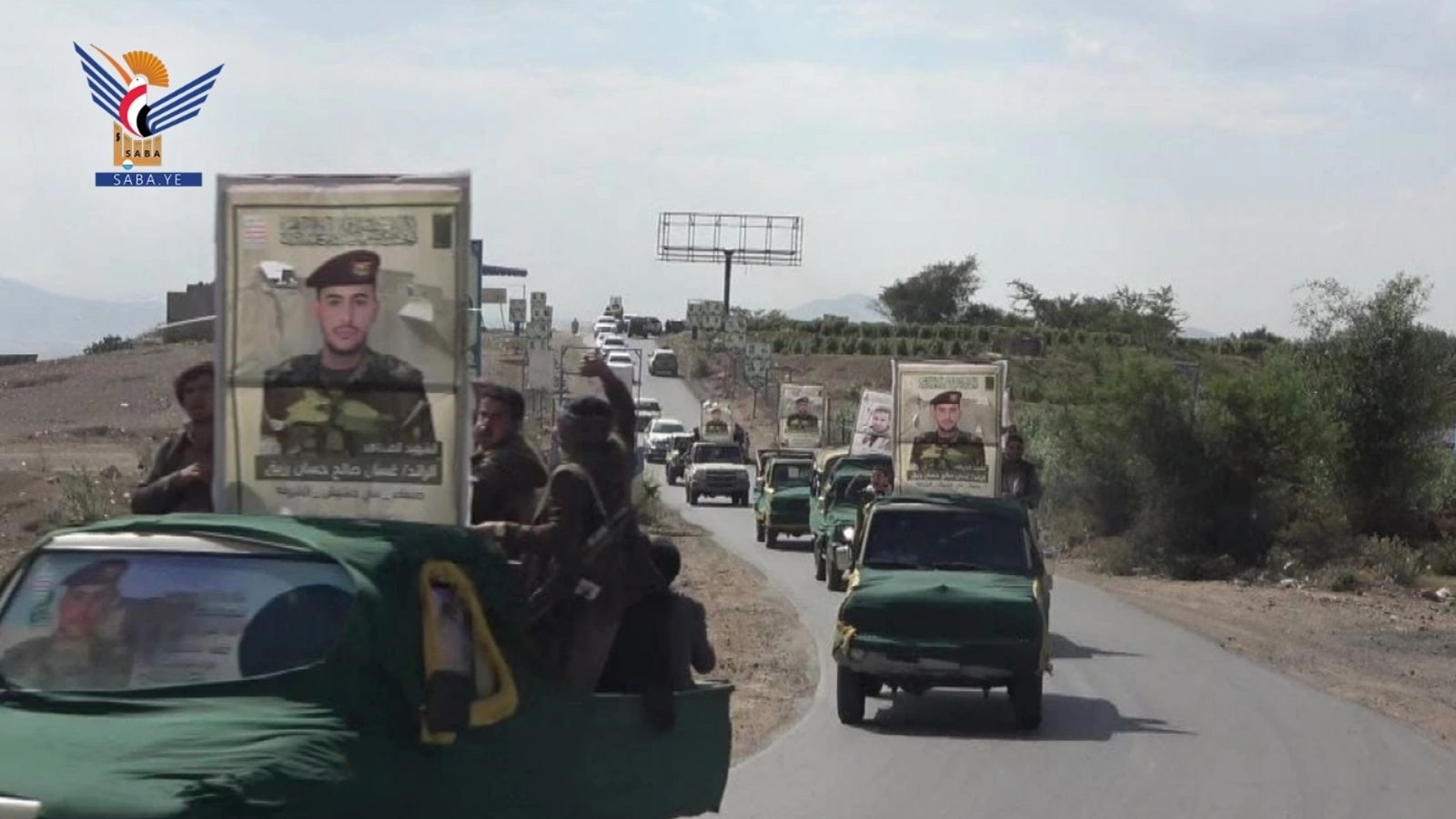
In a separate kinetic event on Iranian soil, the Basij commander Abdulraouf Esmaqi was killed in an attack on 08 September 2026 in the Paroud district of Rask, Sistan‑Baluchestan Province. The incident, reported by BellumActaNews, involved an unidentified assailant and resulted in the death of the senior IRGC officer. No additional casualties were reported, and the perpetrators remain at large. Iranian security forces have launched a search operation, emphasizing the province’s vulnerability to insurgent activity and cross‑border attacks.
The killing of a high‑ranking Basij commander highlights internal security challenges faced by Tehran, particularly in its southeastern border regions, where militant groups and tribal unrest have historically posed threats.
Strategic Context and Regional Implications
The concentration of kinetic events on September 8 reflects a broader pattern of heightened tension between Iran and the United States. The Strait of Hormuz remains a flashpoint, with both sides conducting surveillance and deterrence operations. Iran’s publicized drone shootdowns and UUV seizure serve multiple strategic purposes: they demonstrate technical proficiency, deter further U.S. incursions, and provide domestic propaganda material that reinforces the narrative of defending national sovereignty.
From a regional perspective, these actions may influence the calculations of neighboring Gulf states, many of which rely on the uninterrupted flow of oil through the Strait. While Saudi Arabia and the United Arab Emirates have not issued formal statements regarding the September 8 incidents, the potential for escalation underscores the importance of diplomatic channels to manage inadvertent confrontations.
Conclusion
September 8, 2026, marked a day of intensified kinetic activity involving Iran’s IRGC and Basij forces. The downing of multiple U.S. drones, the capture of a sophisticated underwater vehicle, and the assassination of a senior Basij commander collectively illustrate Tehran’s resolve to confront perceived external threats and address internal security challenges. Monitoring the aftermath of these events will be essential for assessing the trajectory of Iran‑U.S. tensions and the stability of the strategic Strait of Hormuz.