On September 8, 2026, a series of coordinated Houthi attacks struck multiple locations in Saudi Arabia, resulting in civilian casualties, damage to critical infrastructure, and a direct challenge to the Saudi‑led coalition’s defensive posture. The most severe incident, reported by Al Jazeera, involved rockets that wounded 73 civilians across four southern cities—Abha, Khamis Mushait, Jazan, and Najran. The attacks underscore the expanding reach of Houthi missile capabilities and the heightened risk to both civilian populations and strategic assets in the Kingdom.
Widespread Rocket Attacks on Civilian Sites
According to a statement from the Saudi‑led coalition spokesperson, Houthi forces launched rockets that struck civilian areas in Abha, Khamis Mushait, Jazan and Najran. The attacks resulted in 73 civilian injuries, though no fatalities were reported in the initial briefing. The coalition attributed the strikes to Houthi missile systems, though specific types were not disclosed. The incidents were documented by Al Jazeera, which cited the coalition’s official communication as the source of casualty figures.
"Houthi attacks on Saudi Arabia have wounded 73 civilians, official says," Al Jazeera, 8 September 2026.The targeting of densely populated urban centers marks a shift from previous Houthi tactics that primarily focused on military installations and oil facilities. The coalition’s response included air defense interceptions, but the rockets that penetrated the defenses caused material damage to residential structures and public services. The incident raises concerns about the adequacy of existing air‑defense coverage in the Asir and Najran regions, where terrain and distance from major radar installations can create coverage gaps.
Drone and Missile Strike on King Khalid Air Base
Earlier on the same day, at 02:14 UTC, the Houthi movement launched a combined drone and missile assault on King Khalid Air Base, a key Saudi air‑defense hub located near the Yemeni border. The attack, reported by the Telegram channel monitor_the_situation, featured multiple unmanned aerial vehicles (UAVs) and surface‑to‑air missiles aimed at the base’s runway and aircraft shelters. While the coalition did not release casualty figures, the base’s command confirmed that the attack caused temporary operational disruptions and minor structural damage.
"Houthis Launch Major Drone and Missile Attack on King Khalid Air Base, Saudi Arabia," monitor_the_situation, 8 September 2026.The strike demonstrated the Houthi’s growing proficiency in integrating UAVs with ballistic missiles, a capability that complicates traditional air‑defense strategies. Saudi defense officials indicated that the base’s layered air‑defense system, including Patriot and NASAMS batteries, engaged several of the incoming threats, but a subset of the weapons penetrated the defensive envelope. The incident prompted the coalition to redeploy additional air‑defense assets to the southern frontier and to increase aerial patrols over the Red Sea corridor.
Missile Hits on ARAMCO Facilities North of Abha
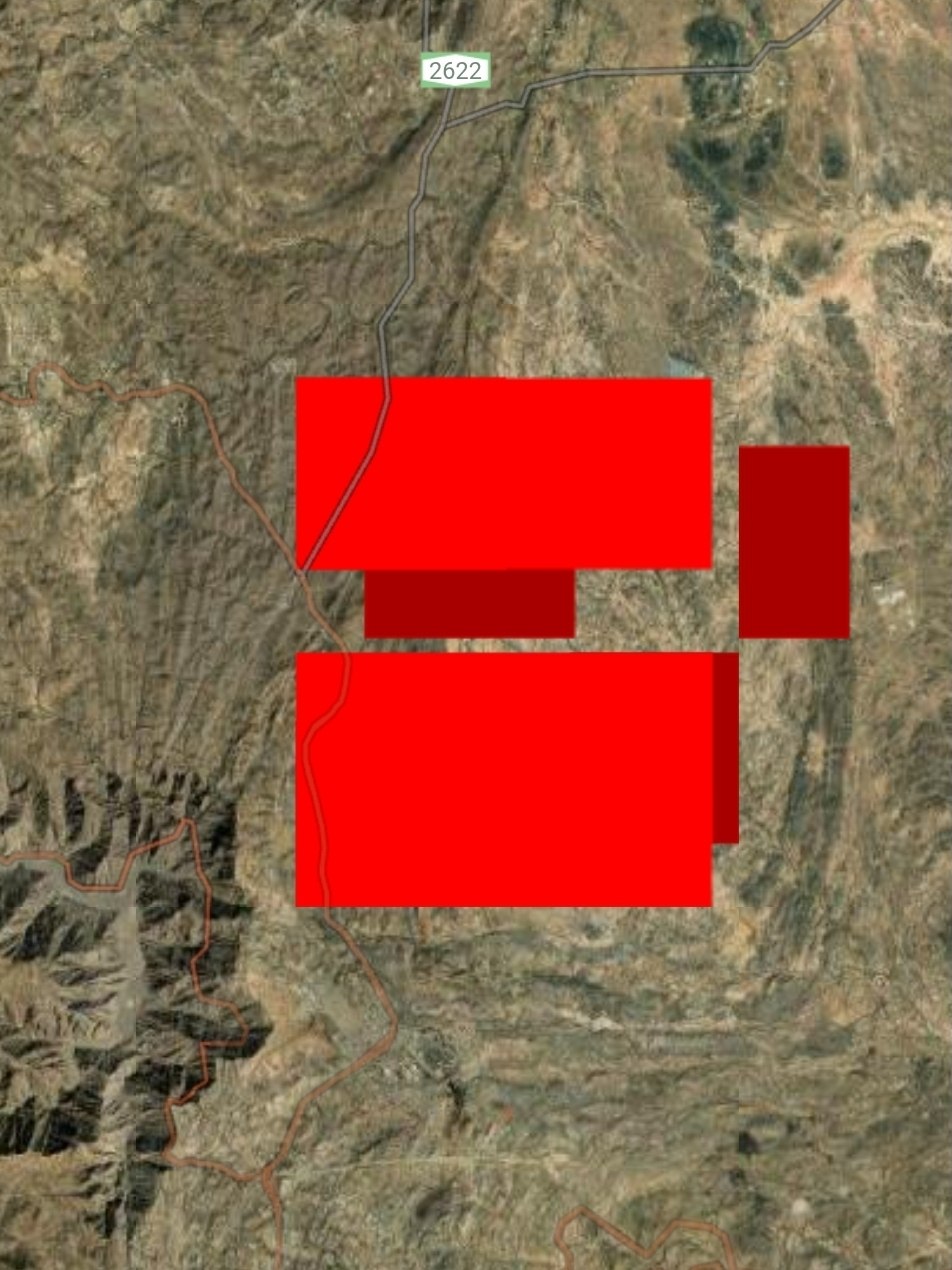
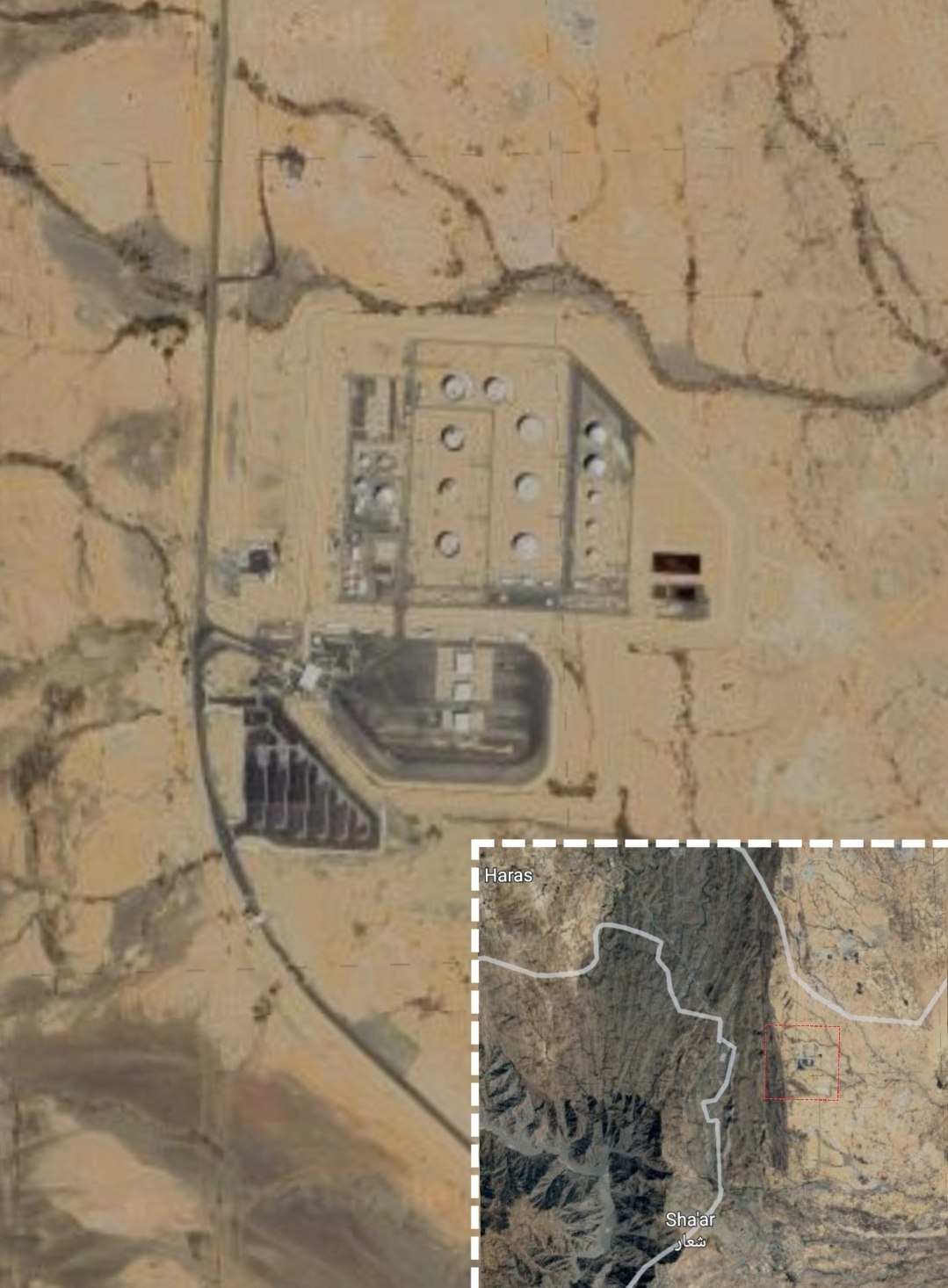
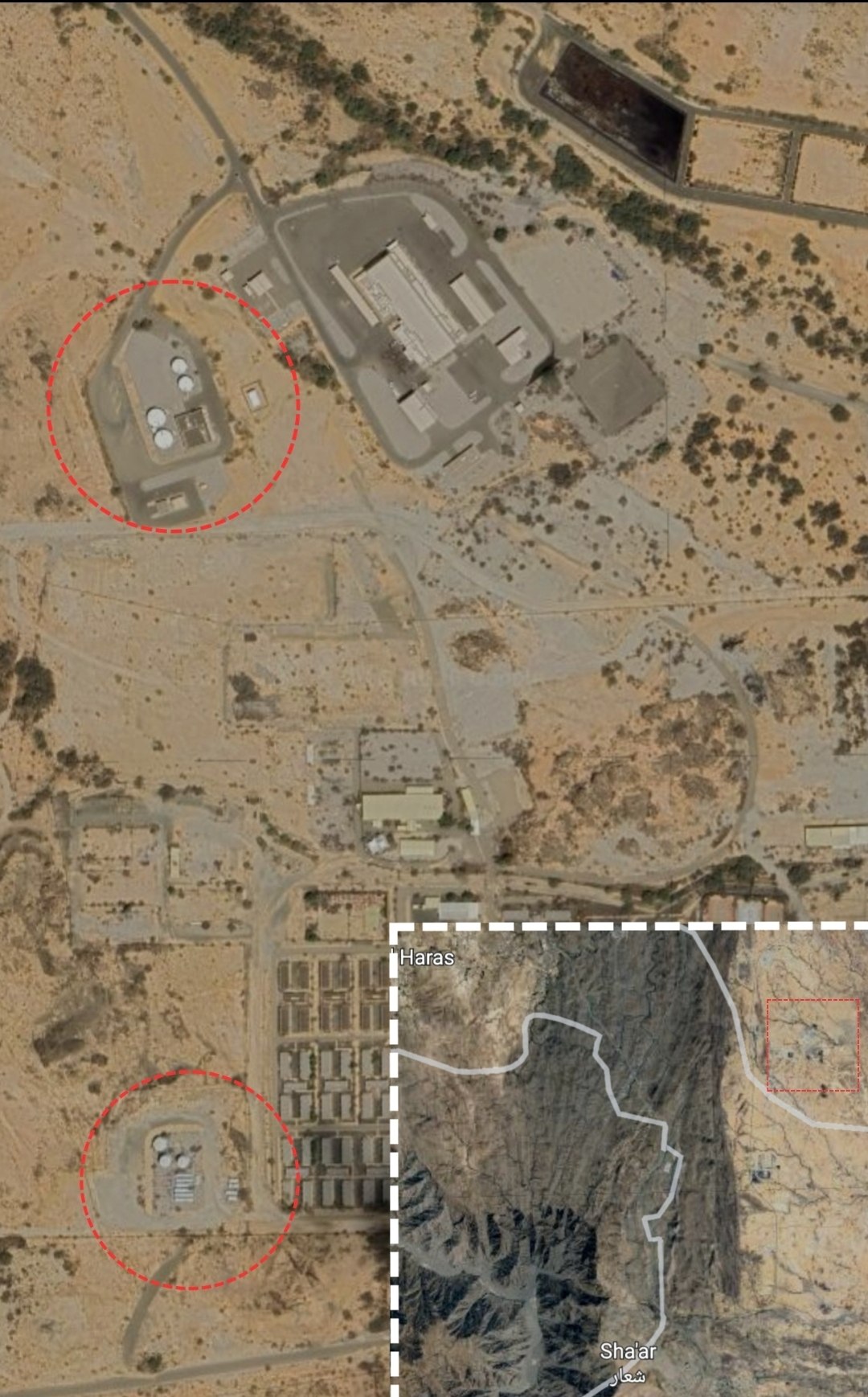
At 00:46 UTC, NASA’s FIRMS (Fire Information for Resource Management System) confirmed that Houthi missiles struck three Saudi ARAMCO oil processing facilities located north of Abha in the Asir Region. The GeoPWatch channel provided photographic evidence of the impacts, noting visible flames and smoke plumes emanating from the sites. While the exact volume of oil loss was not disclosed, the Ministry of Energy reported that the facilities were temporarily shut down for safety inspections and fire‑suppression operations.
"NASA FIRMS confirms additional Saudi ARAMCO facilities north of Ahba were struck earlier by Houthi missiles. According to my best estimates, three separate oil facilities could be ablaze," GeoPWatch, 8 September 2026.The attacks on energy infrastructure align with a pattern observed since 2024, wherein Houthi forces target oil export points to exert economic pressure on the Kingdom. The rapid response by ARAMCO’s emergency teams limited the spread of fire, and no injuries were reported among plant personnel. However, the incident underscores the vulnerability of critical energy assets situated within range of Houthi missile systems, which are reportedly supplied with longer‑range capabilities by external actors.
Collectively, the three incidents on September 8 illustrate a coordinated escalation by the Houthi movement, leveraging a mix of rockets, missiles, and drones to strike both civilian and strategic targets. The Saudi‑led coalition’s immediate response involved air‑defense interceptions, emergency medical deployments, and the activation of contingency plans for oil facility shutdowns. The events also highlight the importance of real‑time satellite monitoring, as demonstrated by NASA FIRMS, and the role of open‑source intelligence channels in providing rapid situational awareness.