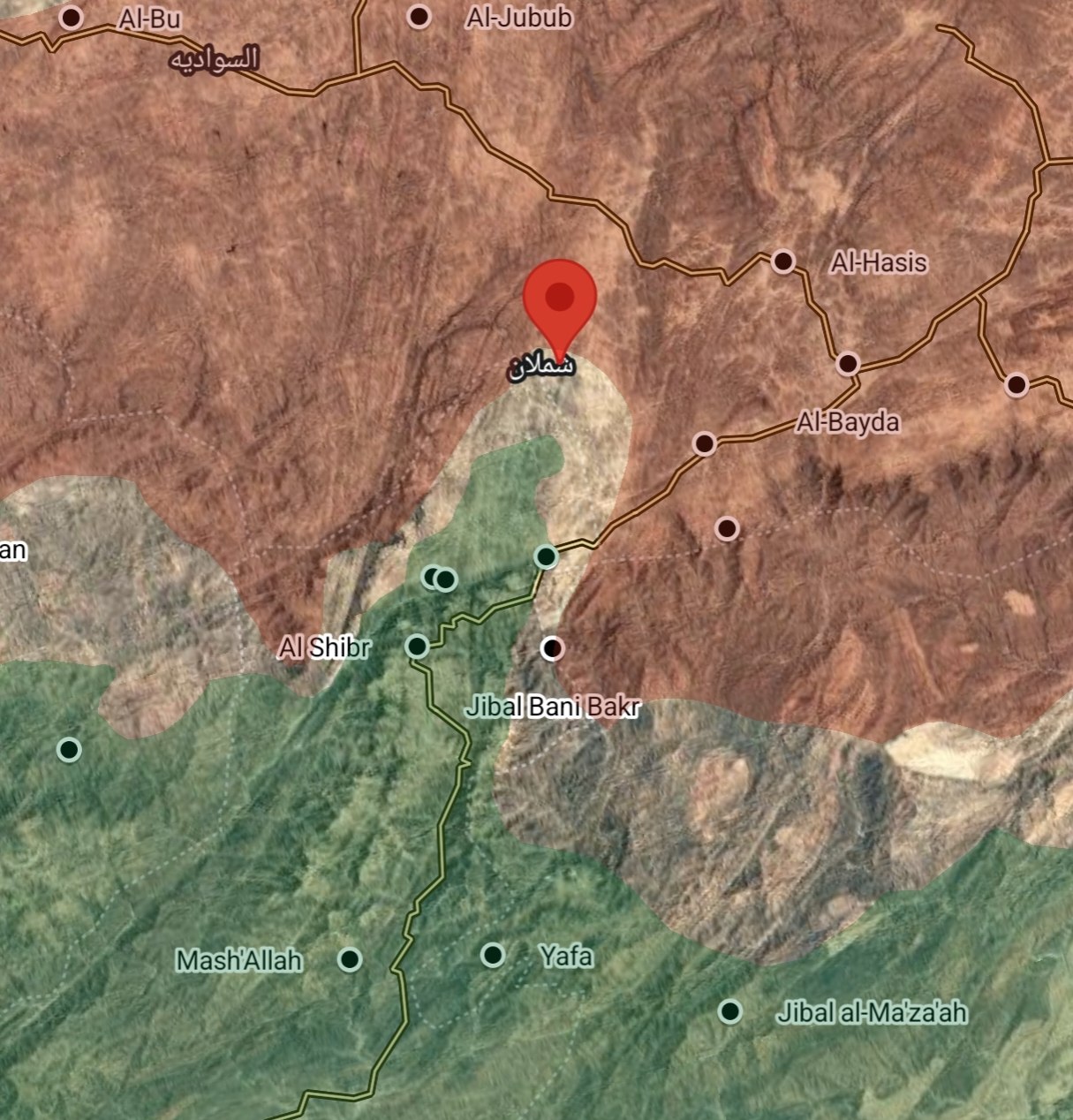
On 7 September 2026, Yemen entered a new phase of large‑scale kinetic fighting as the Presidential Leadership Council (PLC) initiated a coordinated ground offensive across Al Bayda Governorate. The operation, reported by monitor_the_situation at 15:10 UTC, marked the most extensive push since the 2015 escalation, with clashes reported on nearly every front and tribal forces simultaneously targeting Ansarullah positions.
Major Ground Offensive in Al Bayda
The PLC’s advance was described as a “major ground offensive” that involved infantry, mechanised units, and artillery support. Tribal militias allied with the council also launched attacks on Ansarullah strongholds in the western part of the governorate. According to the source, the offensive signalled “a return to full‑scale civil war” and aimed to secure the strategic N6 highway linking Al Bayda to Sana’a.
"Yemeni Forces Launch Major Offensive in al‑Bayda' Governorate" – monitor_the_situation, 07‑Sep‑2026
Simultaneous Expansions in Abyan and Al Jawf
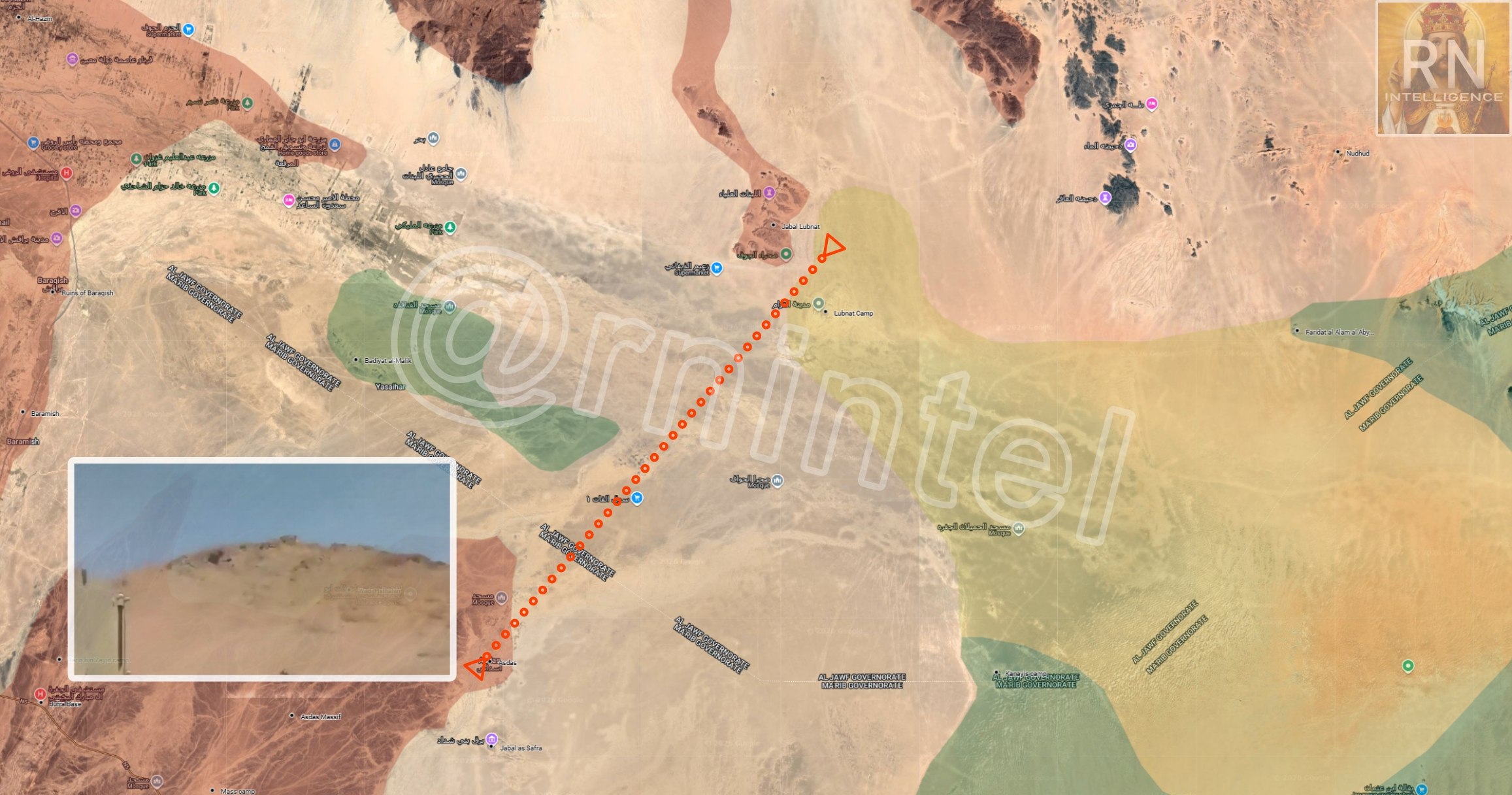
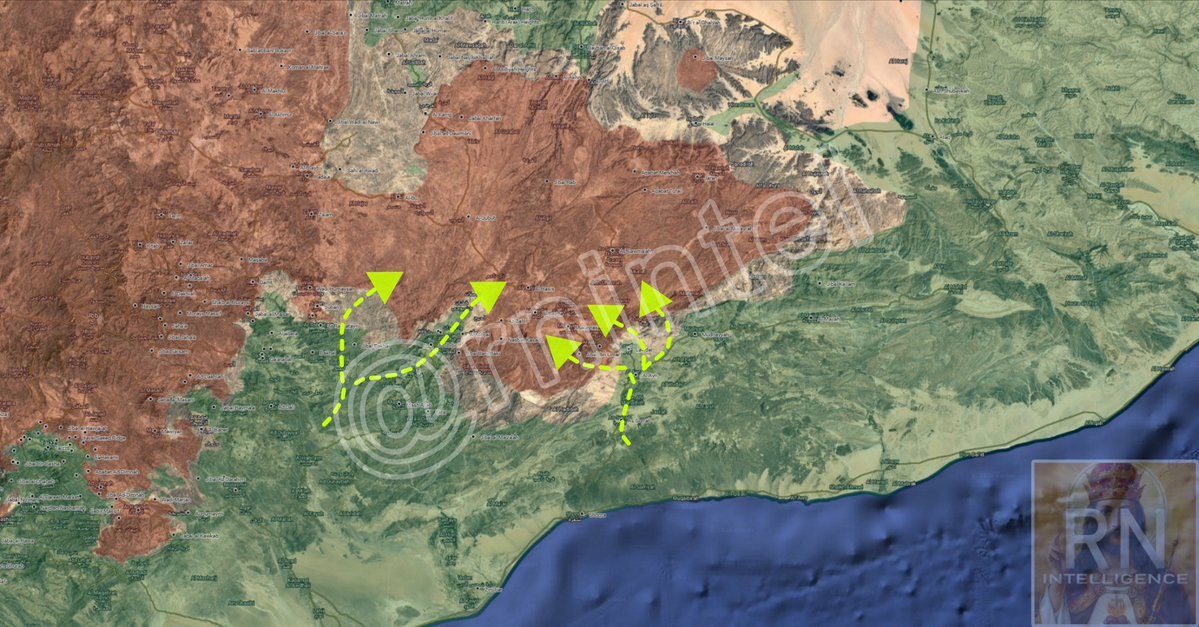
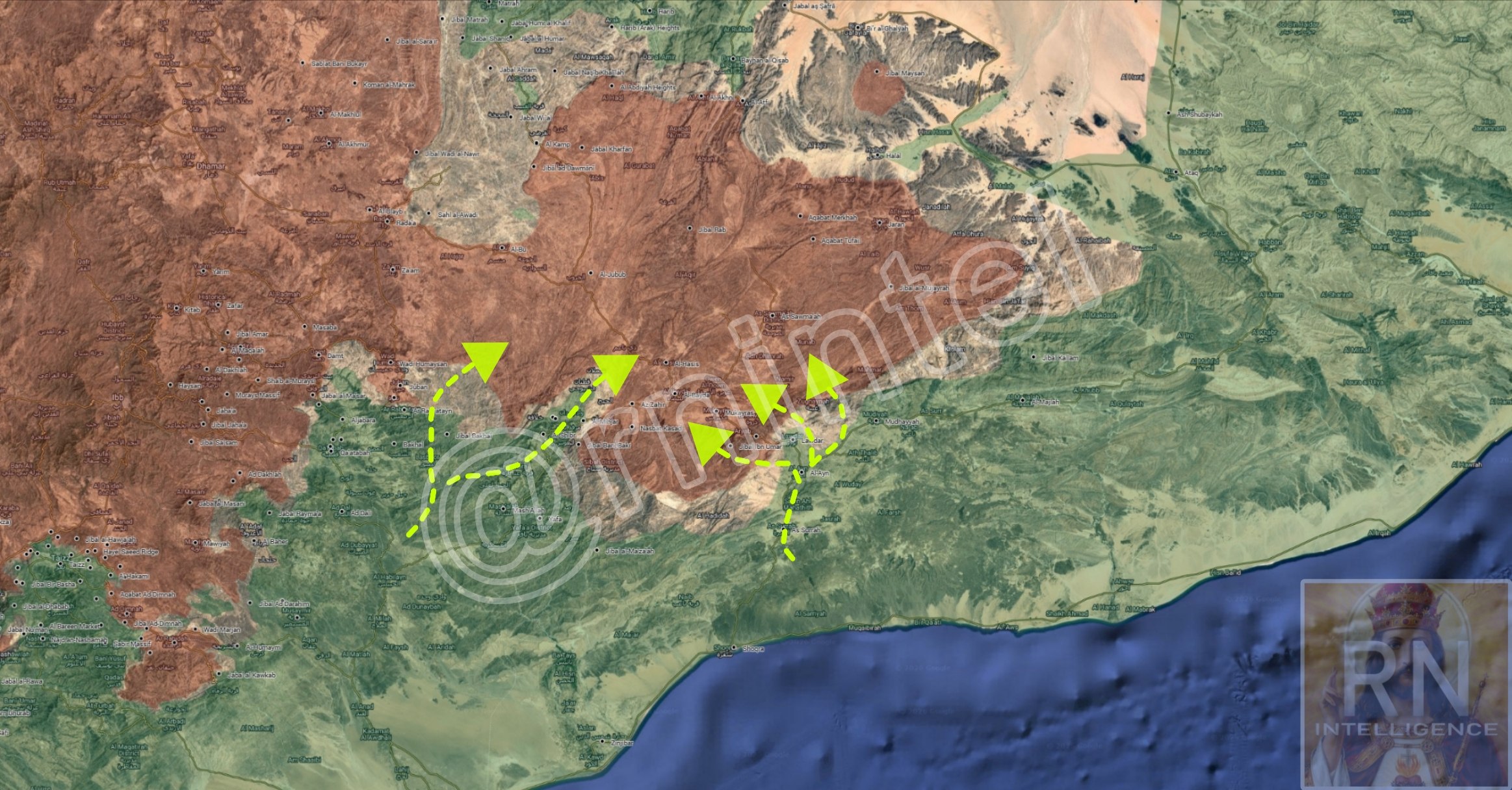
Within the same hour, PLC‑aligned forces opened a second major thrust in Abyan Governorate, as reported by rnintel (15:07 UTC). The Abyan push extended fighting to the southern coast, threatening Houthi supply lines to the Red Sea. In the north, the PLC’s allies captured the al‑Lubnat military camp in the al‑Hazm area of Al Jawf Governorate, a position held by Ansarullah since 2015. Tribal forces loyal to the PLC announced the capture, noting that Houthi fighters remained entrenched on surrounding high ground (rnintel, 16:08 UTC).
Saudi Airstrikes and Prison Attack in Hazm
At 16:53 UTC, the Saudi Air Force conducted a coordinated strike on the Central Corrective Facility in Hazm, Al Jawf, killing at least seven detainees and trapping dozens more under rubble (GeoPWatch). The strike coincided with PLC ground advances in the same governorate, underscoring the joint air‑ground strategy employed by Saudi Arabia and the PLC.
Intensified Drone Warfare
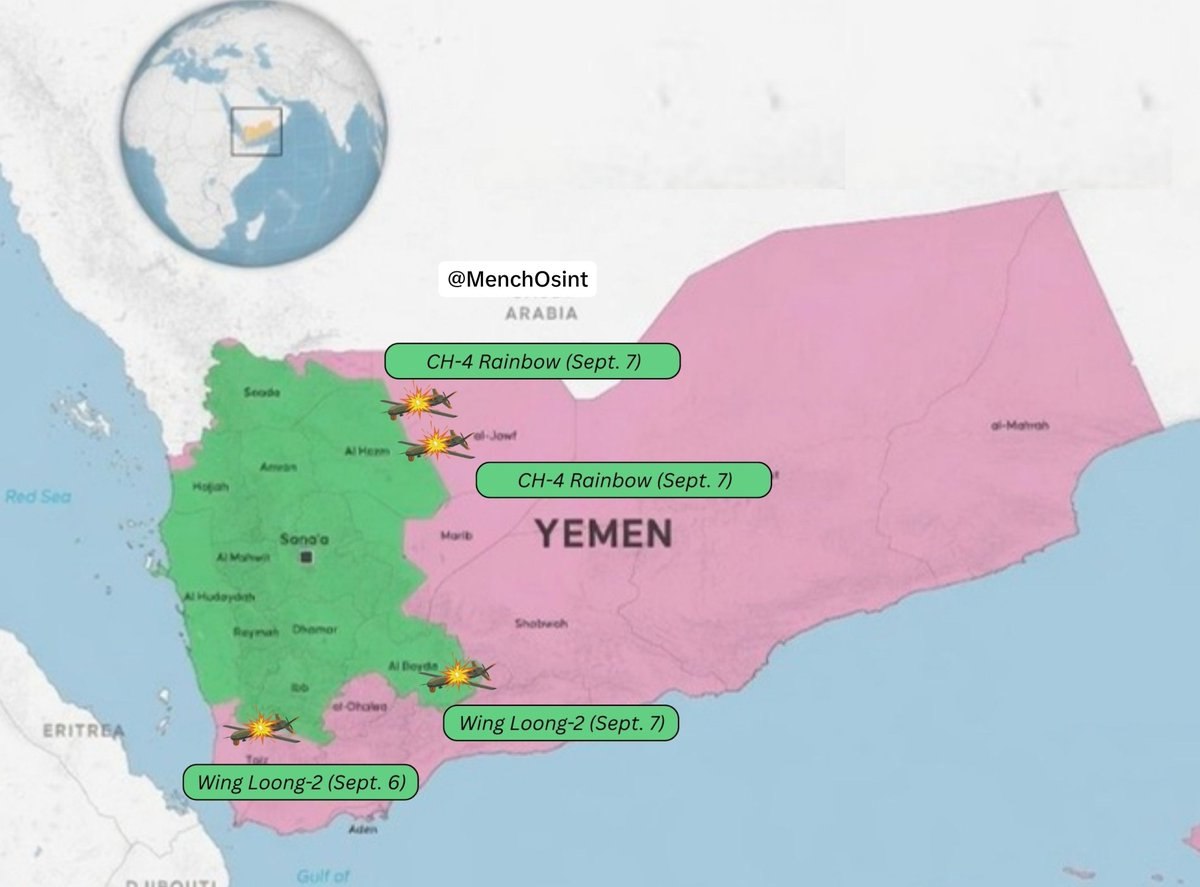
Yemen’s skies saw a surge in unmanned aerial activity. Between 13:37 and 16:32 UTC, Ansarallah claimed to have downed four Saudi‑operated drones: a Wing Loong II over Al Bayda (monitor_the_situation, 08:21 UTC) and three CH‑4 “Rainbow” UAVs across Al Bayda, Al Jawf, and Hajjah (monitor_the_situation, 16:32 UTC; rnintel, 16:21 UTC; intelslava, 10:49 UTC). Each interception was accompanied by photographic evidence, indicating a rapid escalation in anti‑air capabilities among Houthi forces.
Rocket and Missile Strikes on Saudi Infrastructure
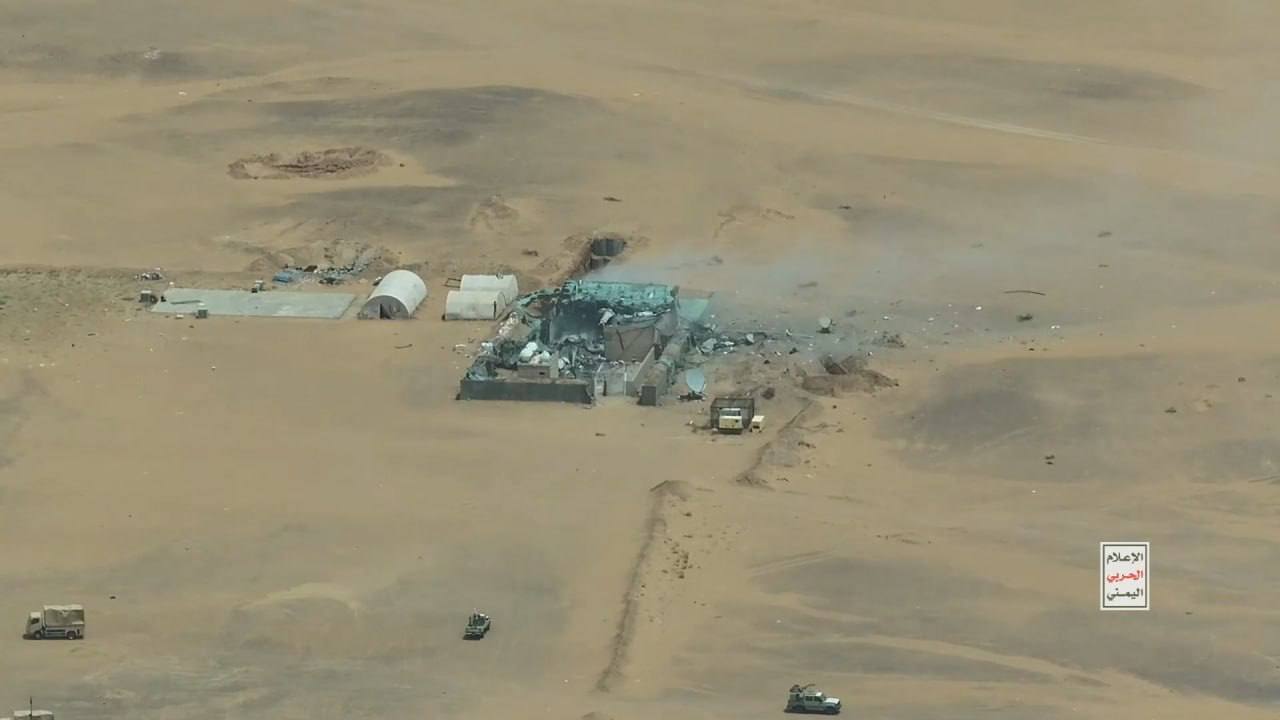
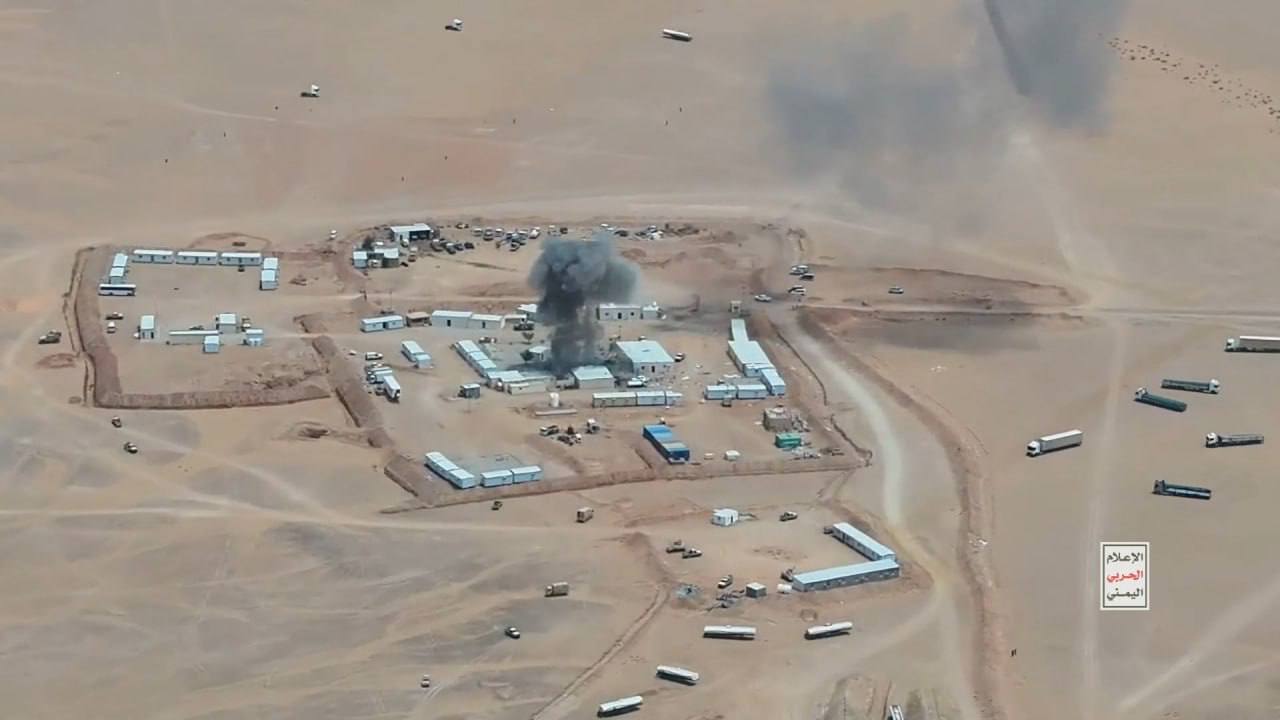
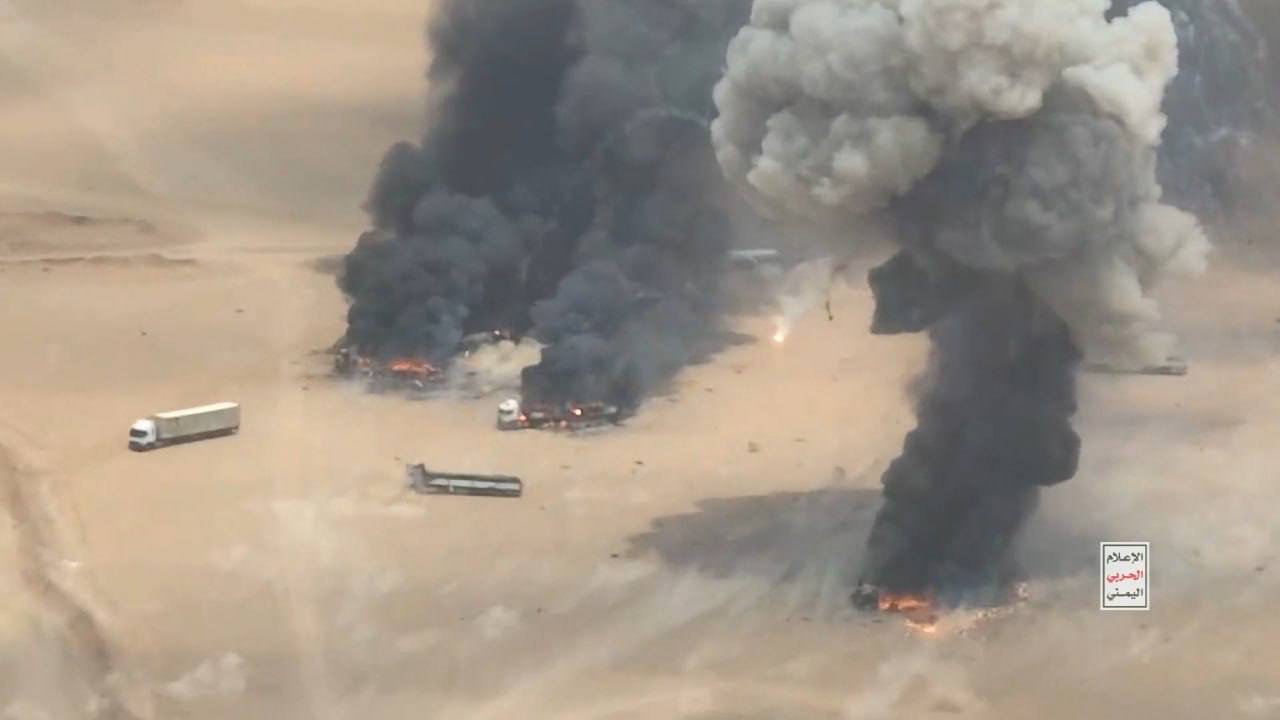
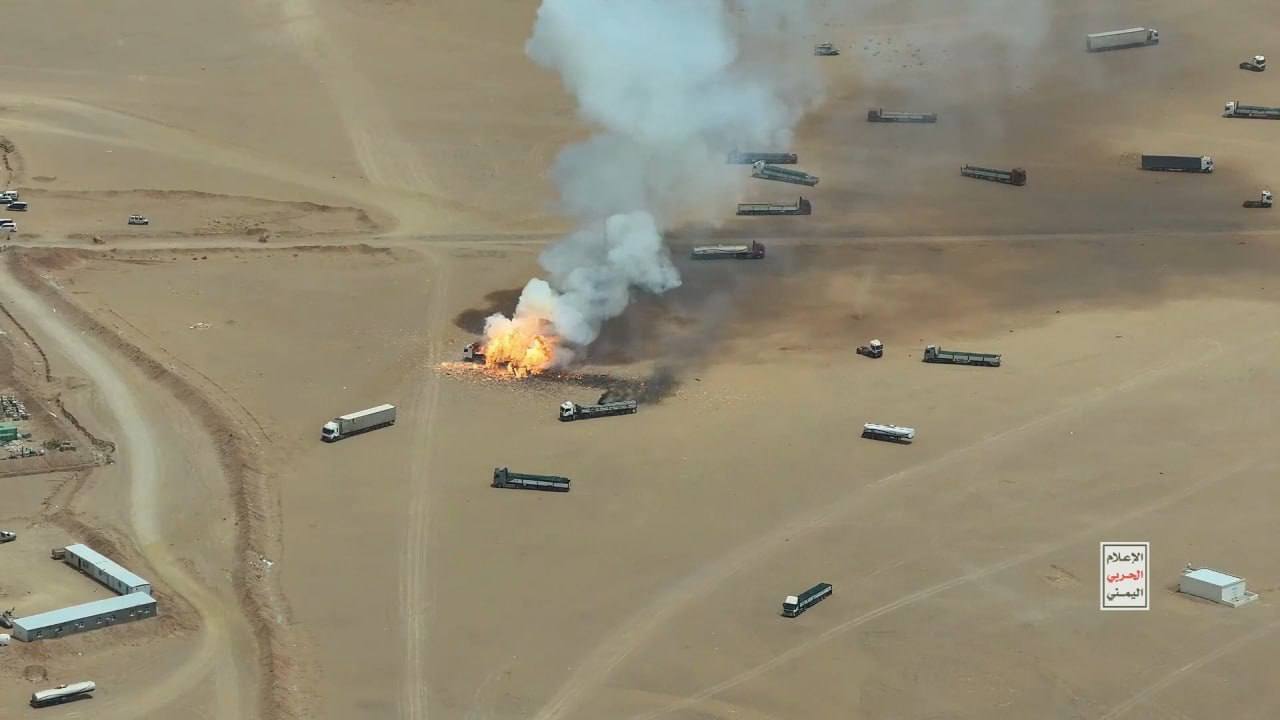
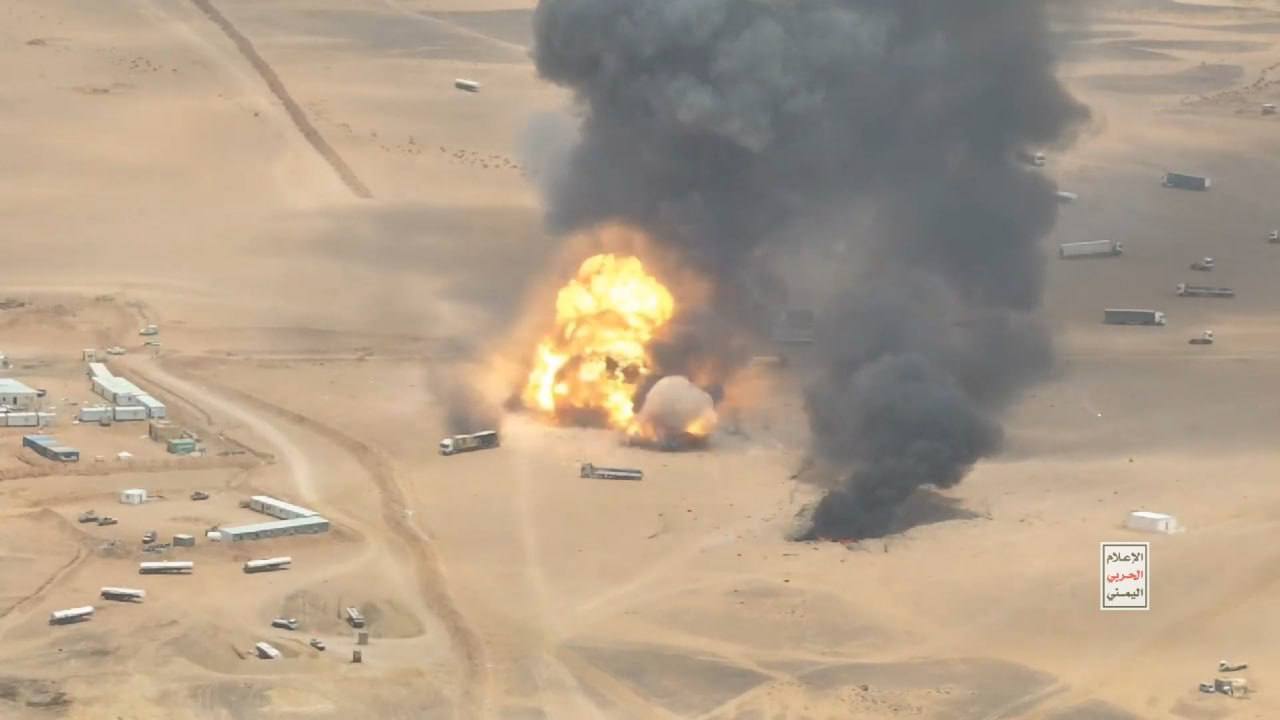
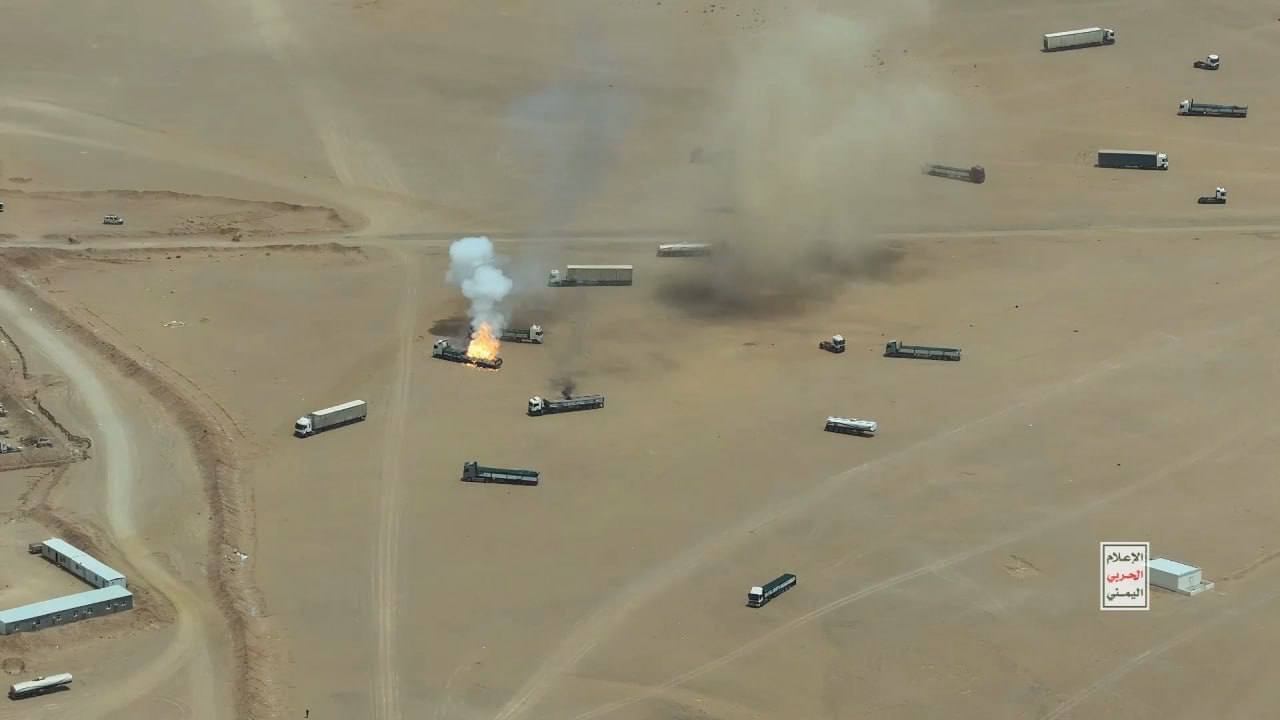
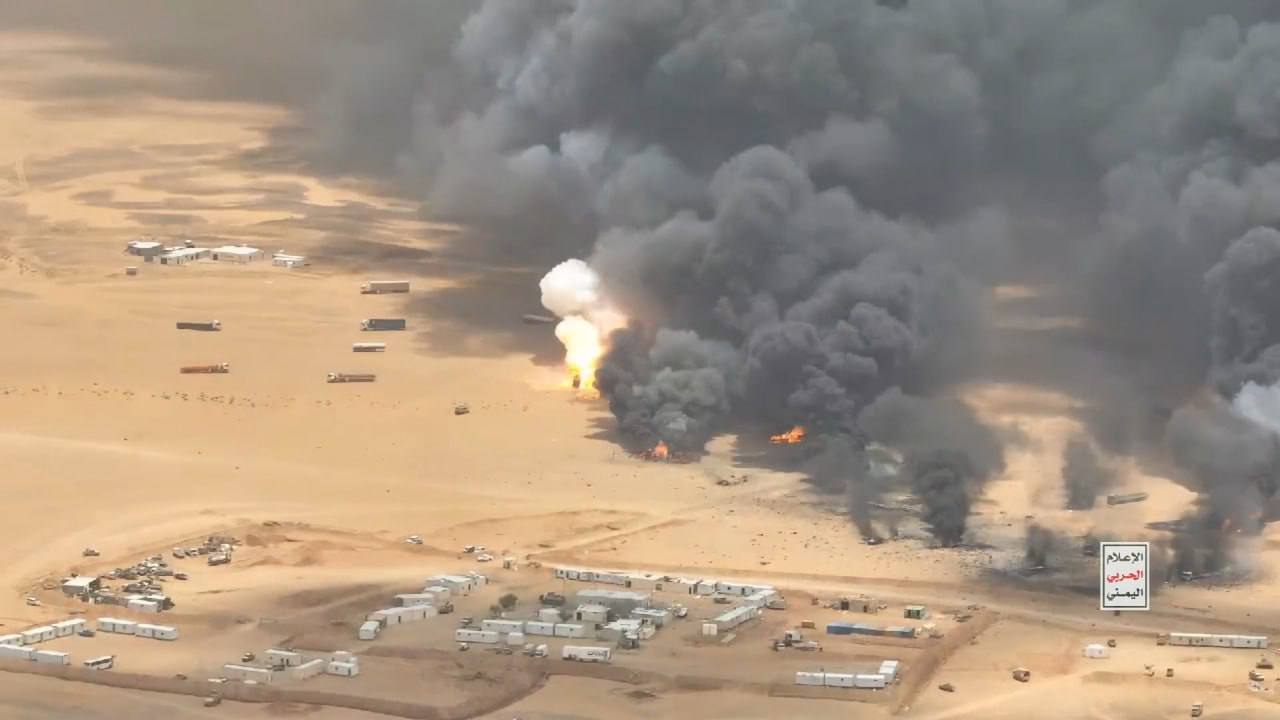
Houthi‑aligned forces continued to target Saudi strategic assets. At 15:56 UTC, missiles struck the Saudi Aramco refinery in Jazan, igniting multiple fires confirmed by NASA’s FIRMS satellite system (GeoPWatch). A separate ballistic missile attack hit the Al‑Wadiah Base near the Saudi‑Yemen border, damaging supply trucks (monitor_the_situation, 15:34 UTC). Earlier, at 12:28 UTC, a combined missile‑drone barrage again hit the Jazan refinery, producing additional hotspots (CIG_telegram).
Ground Gains and Strategic Routes
PLC‑aligned tribal forces reported the seizure of Naqil and Jabal Al‑Koura near Taiz, opening a corridor toward the capital of Taiz Governorate (monitor_the_situation, 14:04 UTC). In Al Jawf, the PLC claimed a breakthrough at the al‑Banat military camp, potentially reopening the route to Hazm, the governorate’s capital (CIG_telegram, 12:20 UTC). These advances suggest a coordinated effort to reclaim key supply lines and administrative centres previously held by Ansarallah.
Overall Conflict Dynamics
The events of 7 September illustrate a marked shift from localized skirmishes to multi‑theater operations involving ground troops, air power, and long‑range missiles. The PLC’s simultaneous offensives in Al Bayda, Abyan, and Al Jawf, backed by Saudi air support, indicate a strategic intent to dismantle Houthi control over central and northern Yemen. Conversely, Ansarallah’s successful drone interceptions and missile strikes demonstrate an evolving anti‑access/area‑denial (A2/AD) capability that could constrain Saudi air operations.
While casualty figures remain limited in the available reports, the prison strike alone resulted in at least seven deaths, and the Al Bayda offensive has generated “widespread clashes” across the governorate. The intensity of kinetic actions, combined with the proliferation of UAV engagements, raises the risk of further civilian displacement and infrastructure damage, particularly in contested border zones.