On 7 September 2026, Russian military planners moved six strategic bombers—four Tu‑95MS and two Tu‑160M—from their home base to the Olenya airfield, a clear indication that a large‑scale missile and drone campaign against Kyiv’s energy infrastructure is imminent. The deployment was reported by the open‑source channel monitor_the_situation at 08:38 UTC and marks the end of a three‑day pause on strikes targeting capital cities.
"Six Tu‑95MS and Tu‑160M bombers are preparing for a large‑scale missile and drone attack on Ukraine as a 3‑day pause on Kyiv strikes ends. Strategic bomber asset movements indicate an impending strike on Ukrainian energy infrastructure in Kyiv within days or weeks."
The presence of these long‑range platforms, capable of delivering both conventional and nuclear payloads, raises the risk of coordinated high‑altitude missile salvos and swarms of loitering munitions. While no weapons have yet been launched, the preparation phase itself constitutes a significant escalation, potentially affecting civilian power supplies and critical infrastructure in the capital.
Ukrainian Defensive Alerts and Drone Activity
At 16:11 UTC, the same channel reported a brief air‑raid alert in Kyiv as Russian drones approached the city despite the temporary pause on capital attacks. The alert was lifted after the unmanned aircraft were either redirected or failed to penetrate the city’s air defence envelope.
"A brief drone air raid alert was declared in Kyiv as Russian drones were reported moving toward the capital, despite a temporary pause on attacks on capitals."
These incursions underscore the continued use of low‑observable UAVs to probe Ukrainian air defences and gather targeting data for future strikes.
UAV Interceptions and Counter‑UAV Operations
In the Krasny Liman sector of Luhansk Oblast, Russian forces from the 144th Guards Motor Rifle Division reported shooting down Ukrainian UAVs at 15:50 UTC. The engagement, documented by intelslava, highlights the intensity of aerial contestation in the eastern front.
"Combat operations by drone operators of the 144th Guards Motor Rifle Division targeting and destroying Ukrainian UAVs in the sky over the Krasny Liman direction."
Later, at 10:57 UTC, the 50th Separate Unmanned Systems Brigade “Varyag” intercepted additional Ukrainian drones over Kherson Oblast, confirming that Russian air‑defence units are actively engaging aerial threats across multiple theatres.
"Footage shows air defence crews of the 50th Separate Unmanned Systems Brigade “Varyag” intercepting Ukrainian drones over Kherson Oblast."
These interceptions demonstrate the growing sophistication of both sides’ UAV tactics and the importance of electronic warfare and point‑defence systems in the current kinetic environment.
Ukrainian UAV Strikes on Russian Ground Assets
Ukrainian forces employed combat drones to neutralise high‑value Russian artillery and armour. At 11:38 UTC, a drone from the 151st Mechanized Brigade’s Northern Eagle unit destroyed a concealed 2S19 Msta‑S self‑propelled howitzer in a forested area of the Donbas region. The strike, reported by monitor_the_situation, removed a key indirect‑fire asset from Russian order of battle.
"A Ukrainian drone strike by the 151st Mechanized Brigade's Northern Eagle unit destroyed a concealed Russian 2S19 Msta‑S howitzer in a forested area."
In the Sumy direction, a separate Russian drone operator from the Center for Advanced Unmanned Technologies “Rubicon” eliminated a Ukrainian FrankenSAM Buk‑M1 air‑defence system at 11:40 UTC. The system, equipped with American‑made RIM‑7 Sea Sparrow missiles, represented a significant component of Ukraine’s layered air‑defence network.
"A drone operator from the Center for Advanced Unmanned Technologies “Rubicon” destroyed a Ukrainian FrankenSAM air defence system in the Sumy direction."
These engagements illustrate the reciprocal use of UAVs for both reconnaissance and kinetic effects, blurring the line between traditional air‑to‑ground and air‑to‑air combat.
Ground Operations and Special‑Forces Actions
Ukrainian special forces conducted a targeted raid on an ammunition depot in the occupied village of Teple, Luhansk Oblast, at 11:25 UTC. The operation, confirmed by monitor_the_situation, disrupted Russian artillery logistics and likely forced a temporary reduction in fire‑support capabilities for nearby Russian units.
"Ukrainian SOF struck a Russian field artillery ammunition depot in the occupied village of Teple, Luhansk region, overnight on September 7, disrupting enemy logistics."
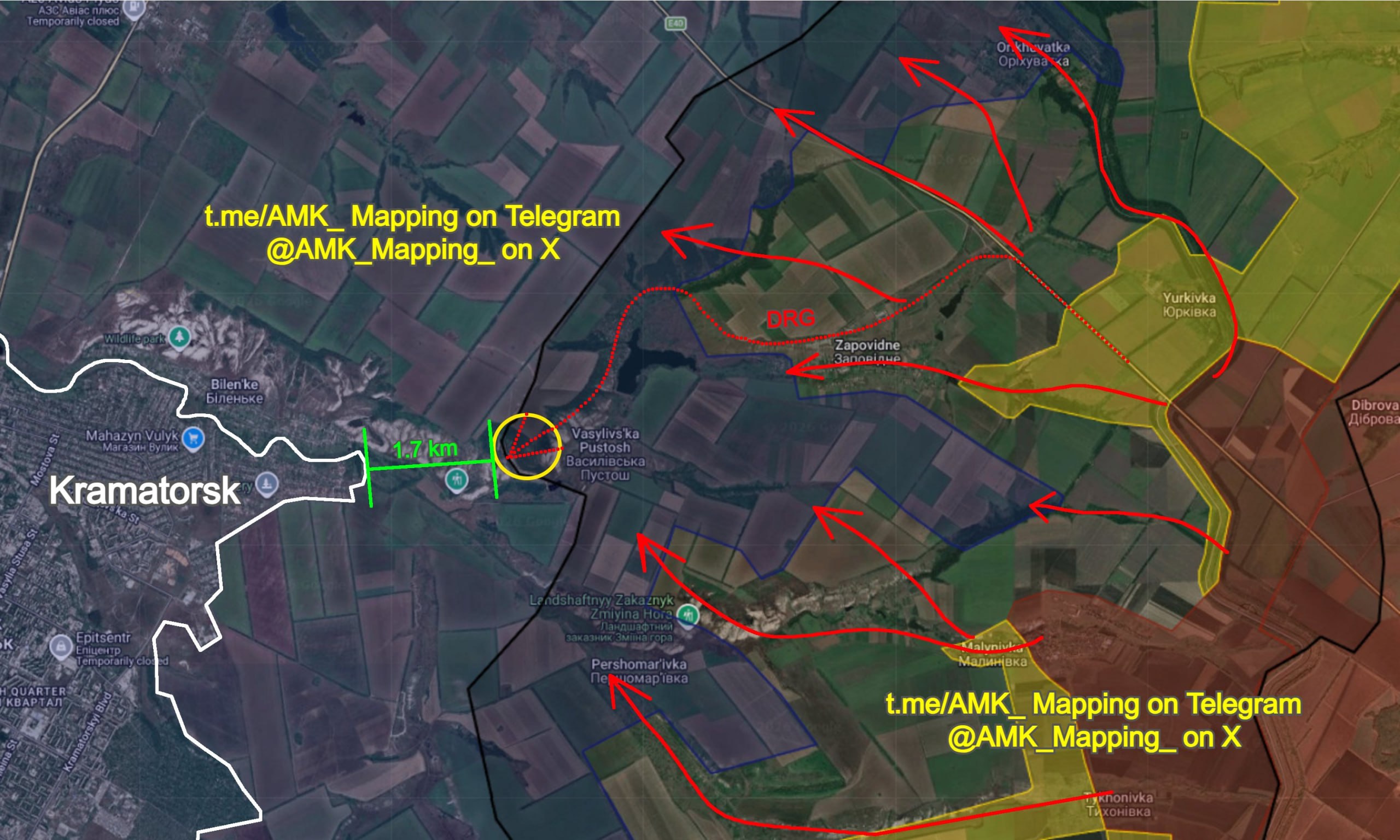
In the Kramatorsk sector, Russian forces advanced to within 1.7 km of the city’s outskirts, as reported by the CIG_telegram channel at 08:54 UTC. The proximity of Russian DRG (Dislocation Reconnaissance Group) elements to the urban perimeter raises the risk of a direct assault or intensified artillery bombardment on the city’s critical transport links.
"In the Kramatorsk direction, Russian DRGs are now just 1.7 km (~1 mile) away from the first houses of the city."
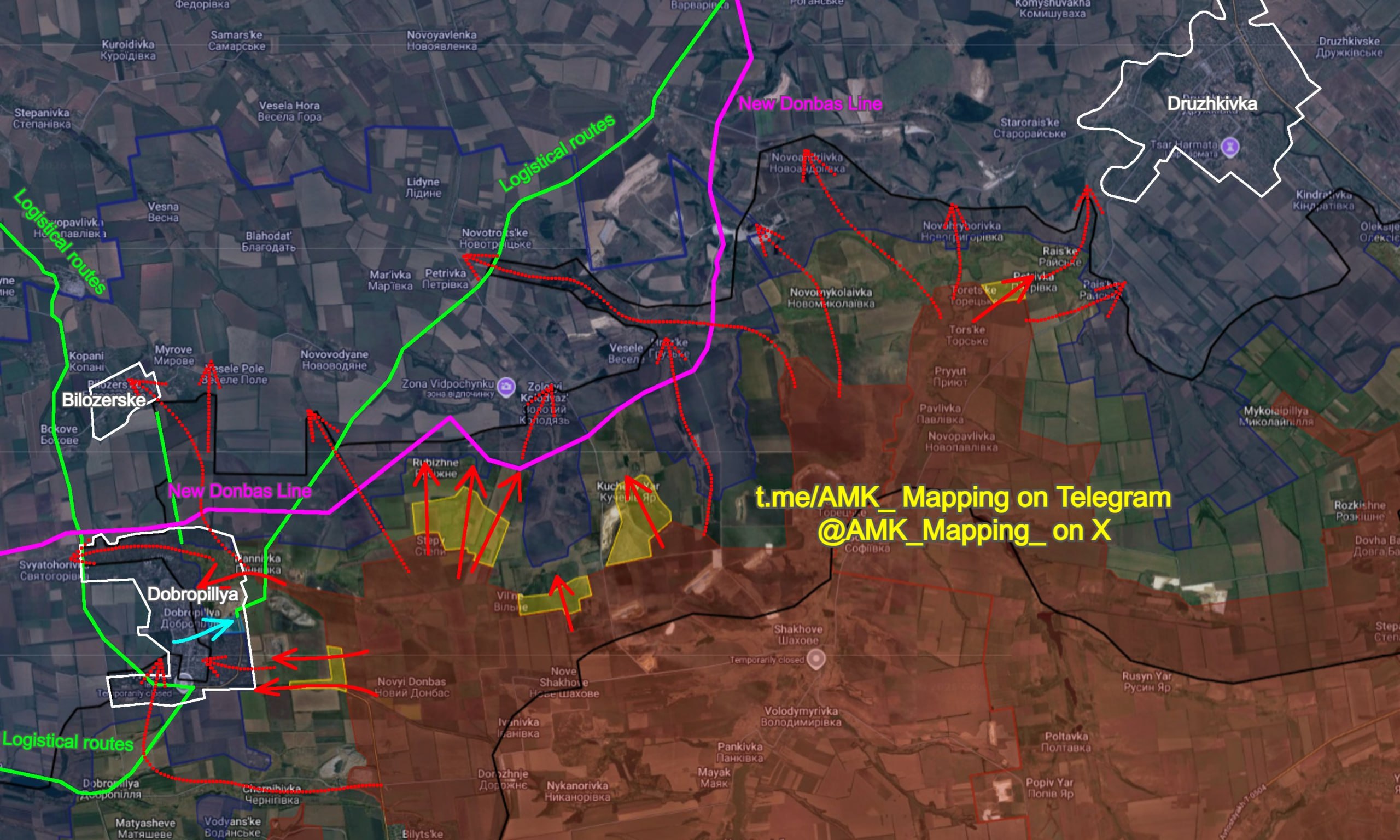
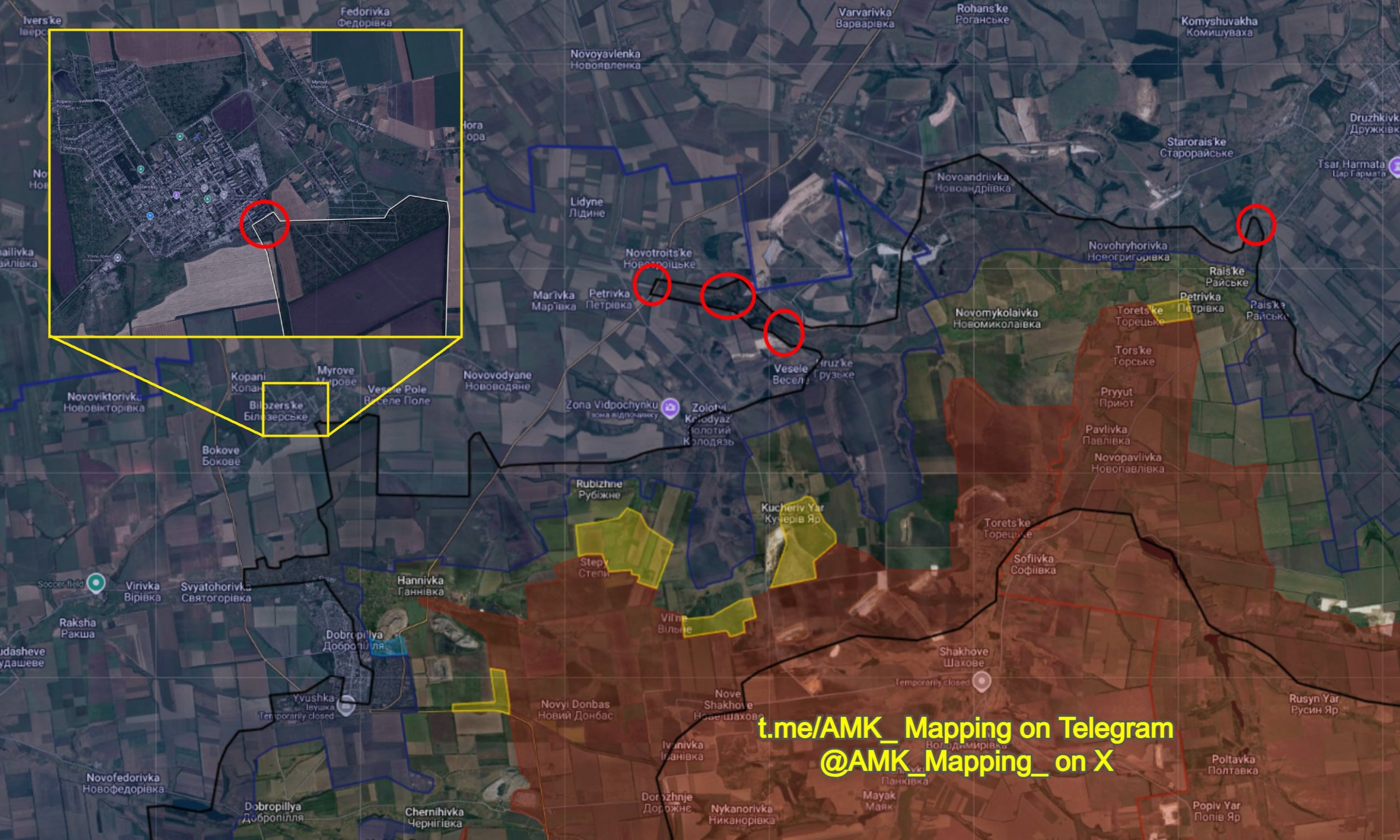
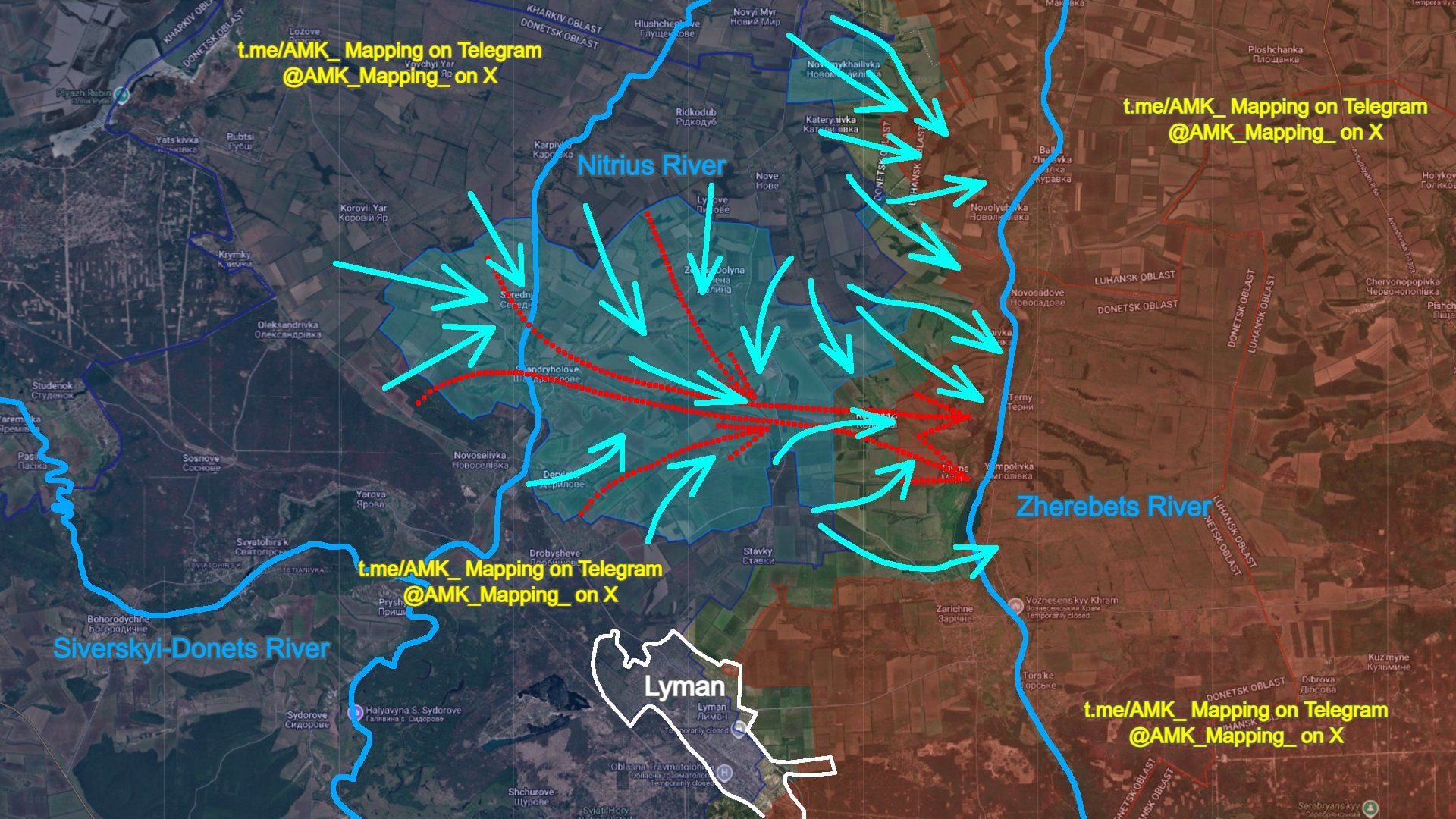
Conversely, Ukrainian troops cleared a Russian salient north of Krasny Lyman, recapturing several villages and advancing toward the Zherebets River, thereby eliminating a potential encirclement threat to the strategic hub of Lyman. This development, also from CIG_telegram, reflects a localized Ukrainian counter‑offensive that improves defensive depth in the Donetsk sector.
"Ukrainian forces have cleared the Russian salient north of Krasny Lyman, recapturing several villages and advancing toward the Zherebets River, eliminating the encirclement threat to Lyman."
Air‑Strike Activity and Missile Engagements
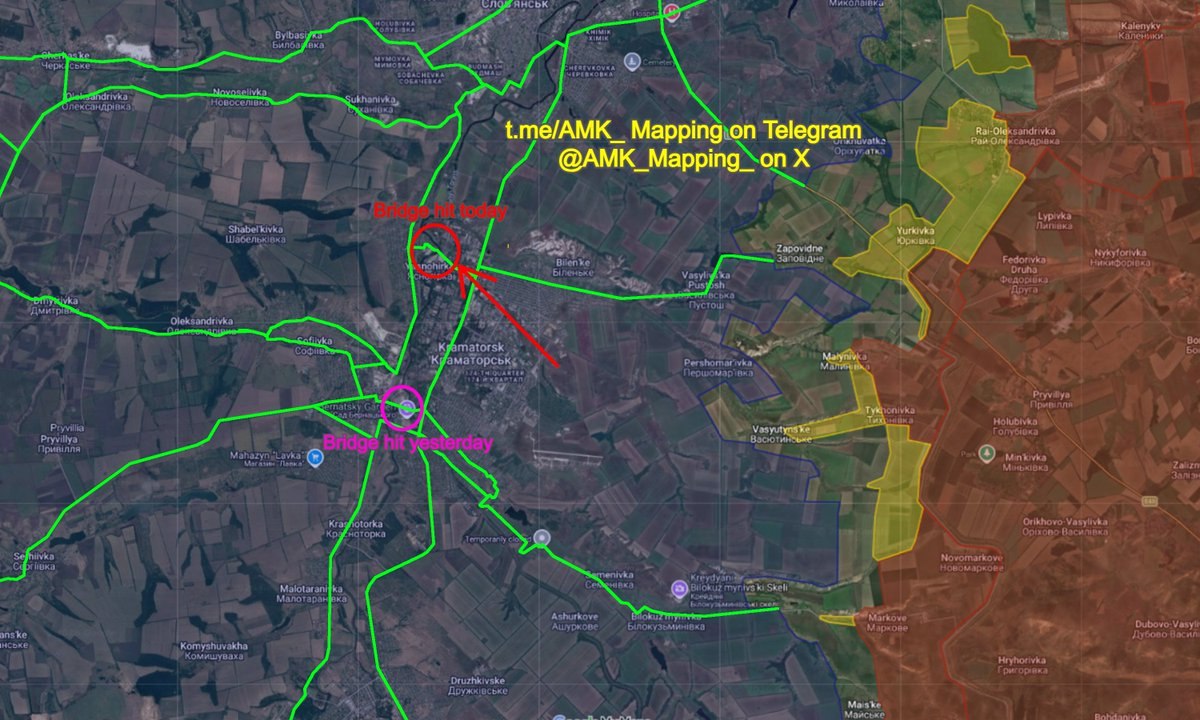
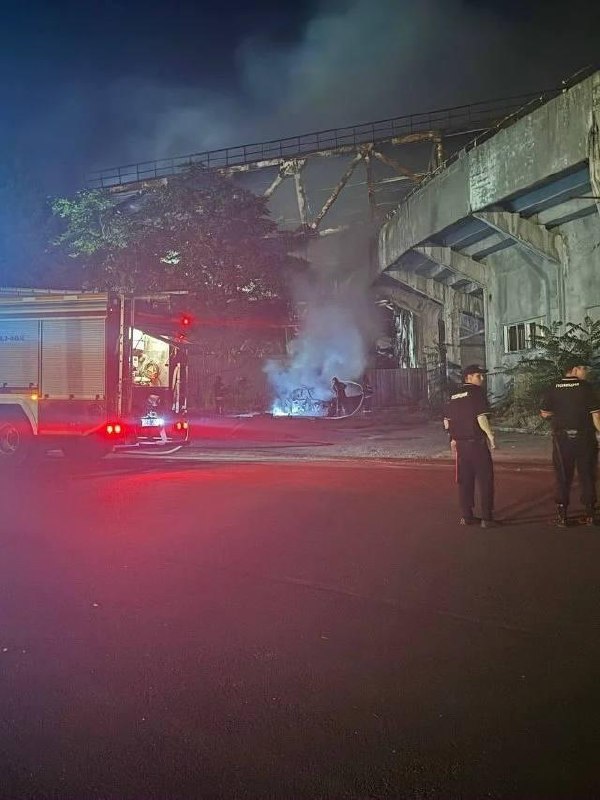
At 09:16 UTC, Russian KAB glide‑bombs struck a bridge near Kramatorsk, damaging one lane but leaving the structure passable. The attack, documented by monitor_the_situation, represents a continuation of precision‑guided munitions use to disrupt Ukrainian logistics without causing total infrastructure collapse.
"Russian KAB glide‑bombs hit a bridge connecting Kramatorsk to Yasnohirka, damaging one lane but leaving it passable."
In occupied Crimea, Ukraine’s HUR (Hromadske Ukrainske Rukh) claimed a successful strike on a Russian Su‑24 bomber on 13:08 UTC, marking a deep‑strike capability that reaches into Russian‑controlled territory.
"Ukraine's HUR says its Active Actions Department hit a Russian Su‑24 frontline bomber in occupied Crimea overnight."
Further south, a Russian Su‑35 launched an R‑37/77 air‑to‑air missile at a Ukrainian aircraft near Slovyansk at 06:45 UTC. While the outcome of the engagement was not disclosed, the use of a long‑range missile underscores the heightened aerial contest over the eastern front.
"Russian Su‑35 Fires Missile at Ukrainian Jet Near Slovyansk"
Targeted Assassination
Ukrainian forces eliminated Oleg Shutov, a DPR special‑operations operative identified as the assassin of Major General Maksym Shapoval, in occupied Donetsk on 08:31 UTC. The operation, reported by monitor_the_situation, demonstrates the ongoing intelligence‑driven targeting of high‑value personnel within separatist structures.
"Ukrainian forces killed Oleg Shutov, an employee of the Donetsk People's Republic's Special Operations Center, identified as the direct perpetrator of the killing of Major General Maksym."
Collectively, these events illustrate a multi‑domain escalation in Ukraine, with Russia preparing a strategic bomber campaign against Kyiv while both sides intensify UAV, artillery, and special‑forces operations across the contested territories.