Israeli air operations across Lebanon on 7 September 2026 have produced the highest single‑day casualty toll since the conflict escalated earlier this year. According to the monitoring channel monitor_the_situation, three consecutive days of strikes over Beirut have killed 27 civilians and wounded 69, making the capital the focal point of the latest kinetic phase.
Beirut Bombardment
The most lethal episode occurred at 14:31 UTC when Israeli aircraft targeted multiple sites in the capital, including a former Hezbollah‑run hospital that had been closed since 2019. The strike, reported by monitor_the_situation, confirmed the death of several Hezbollah operatives and members of the Amal Movement who were using the building as a command centre. While the official weaponry is listed as “none,” the use of precision‑guided munitions is implied by the nature of the attack.
"Israel’s latest barrage on Beirut marks a clear escalation, targeting both civilian infrastructure and militia command nodes," monitor_the_situation noted in its briefing.
Casualties from the three‑day campaign total 27 dead and 69 injured, a figure that includes women, children, and elderly residents caught in residential districts. Video evidence released by the same channel shows extensive damage to surrounding buildings and a large plume of smoke rising from the hospital site.
Southern Lebanon Targets
Parallel strikes hit a string of towns in southern Lebanon, intensifying the pressure on Hezbollah‑controlled areas. At 13:20 UTC, Israeli forces bombed the town of Houla, violating the cease‑fire that had been in place since the previous month. No immediate casualty figures were released, but local witnesses reported significant structural damage.
Earlier, at 12:09 UTC, the Israeli Defense Forces (IDF) struck the defunct hospital in Beirut, as described above, while at 10:11 UTC an airstrike hit Nabatieh al‑Fawqa, a town near the Israeli border. The monitor_the_situation feed provided a short video of the impact zone, though it did not list casualties.
Two separate Al Jazeera reports documented at least ten fatalities each in southern Lebanon during the early morning hours. The first, dated 06:58 UTC, described an attack that killed ten people, including a two‑month‑old infant, while the second, at 09:44 UTC, confirmed ten deaths in a separate strike. Both reports emphasized that the victims were civilians caught in residential neighborhoods.
In Nabatiej, the Israeli newspaper The Jerusalem Post reported nine deaths, including two infants, and five injuries following an IDF airstrike at 07:06 UTC. Rescue teams worked through the night, employing heavy machinery to clear rubble and locate additional survivors.
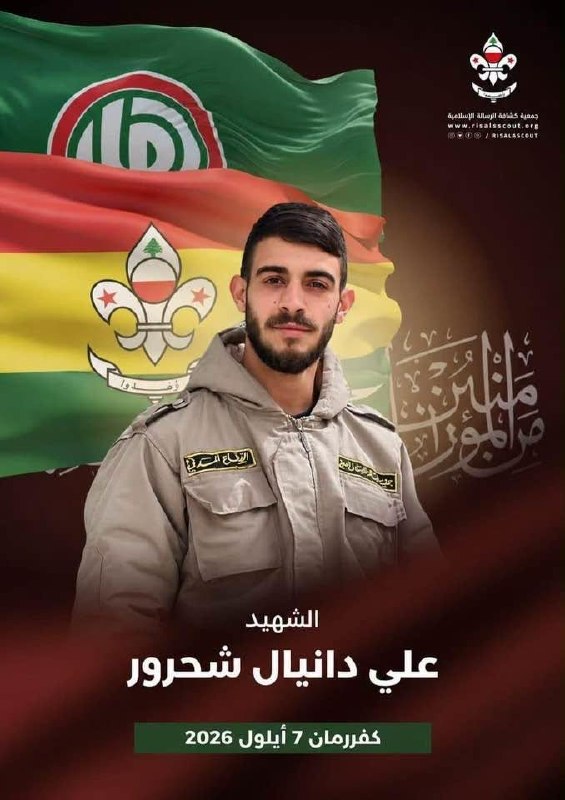
The village of Kfar Rumman experienced two distinct attacks. At 06:16 UTC, an airstrike killed at least ten people, as confirmed by monitor_the_situation. Later, at 12:11 UTC, an Israeli strike hit a moving ambulance in the same village, killing one paramedic and wounding two others, according to a photo posted on the same channel.
Drone activity also escalated. At 09:21 UTC, Israeli unmanned aerial vehicles (UAVs) struck the town of Mansouri, delivering precision strikes that further heightened cross‑border tensions. Video footage from monitor_the_situation shows the UAVs approaching the town before detonating their payloads.
Ground Movement Claims
In a development separate from aerial attacks, an Al Jazeera feature at 16:42 UTC reported that Israeli forces claimed to have captured a strategic ridge on the Lebanese side of the border. The claim, if verified, could alter the tactical calculus of ongoing peace negotiations, though no independent confirmation was available at the time of writing.
Humanitarian Impact
The cumulative effect of these kinetic events has strained Lebanon’s already fragile health and emergency response systems. Hospitals in Beirut are operating at capacity, handling both blast injuries and civilian casualties from the three‑day air campaign. In the south, the destruction of residential areas has displaced thousands, with many families seeking shelter in makeshift camps.
International humanitarian agencies have called for an immediate cease‑fire and unhindered access to affected populations. The United Nations Office for the Coordination of Humanitarian Affairs (OCHA) issued a statement urging all parties to respect civilian protection norms under international law.
While the Israeli Ministry of Defense has not released an official statement on the specific strikes listed above, its spokesperson reiterated that operations are aimed at degrading Hezbollah’s command and control capabilities. Conversely, Hezbollah has condemned the attacks as “war crimes” and vowed retaliation, though no direct response was recorded on the day in question.