On 6 September 2026, Ukraine experienced a surge of kinetic activity across multiple fronts, ranging from high‑intensity artillery strikes in the capital region to deep‑strike drone operations that reached Russian territory. The day’s most lethal incident occurred in the Kyiv region, where Russian attacks killed eight civilians and injured 69, igniting fires despite a declared pause on strikes against the capital. The attacks were reported by the Telegram channel monitor_the_situation, which cited on‑the‑ground sources.
“Russian attacks killed 8 and injured 69 across Ukraine in 24 hours, sparking fires in the Kyiv region despite a declared pause on capital strikes.” – monitor_the_situation, 2026‑09‑06T08:57:18
Russian Offensive Operations in Central Ukraine
Artillery and missile fire targeted residential areas and infrastructure in the Kyiv oblast, causing civilian casualties and extensive property damage. The strikes employed unguided rockets and high‑explosive shells, though specific weapon systems were not disclosed. The incident underscores the continued volatility of the cease‑fire arrangement that was intended to limit attacks on the capital.
Ukrainian Counter‑Strikes Deep Inside Russian Territory
Ukrainian forces launched a series of coordinated attacks on strategic Russian sites. At approximately 10:09 UTC, Ukrainian units struck the Ryazan oil refinery, the Rostov‑on‑Don airfield, a Podlet radar installation, and two Pantsir‑S1 air‑defence systems. The attacks ignited fires at the refinery and caused damage to the airfield, according to the monitor_the_situation channel.
Later, Ukrainian drone operations targeted the Black Sea coast and the Russian Caucasus. Satellite imagery and open‑source analysis confirmed that drones destroyed two housing buildings at the U.S. Ali Al‑Salem Air Base in Kuwait (a separate theater) and, more pertinently for Ukraine, hit Russian military assets near Sochi. Between 11:30 and 12:01 UTC, drones destroyed two S‑300 surface‑to‑air missile launchers and a Pantsir‑S1 system near Sochi, and a separate strike damaged the radar radome at Adler Airport. Additional footage showed a Ukrainian drone strike on Sochi International Airport that destroyed a Ka‑52 and a Mi‑28 attack helicopter and damaged a Mi‑8 transport helicopter.
These operations demonstrate Ukraine’s expanding long‑range strike capability, likely employing loitering munitions and commercial‑grade drones equipped with precision payloads. The use of drones to neutralise high‑value air‑defence systems reflects a strategic aim to erode Russia’s integrated air‑defence network.
Drone and UAV Engagements on the Donbas Front
In the Donbas region, Ukrainian drone units engaged Russian air‑defence assets directly. At 16:02 UTC, the 423rd Separate Unmanned Systems Regiment “Scythian Griffins” successfully struck a Russian Osa short‑range air‑defence system, as reported by monitor_the_situation. The engagement was captured on video and confirmed by independent analysts.
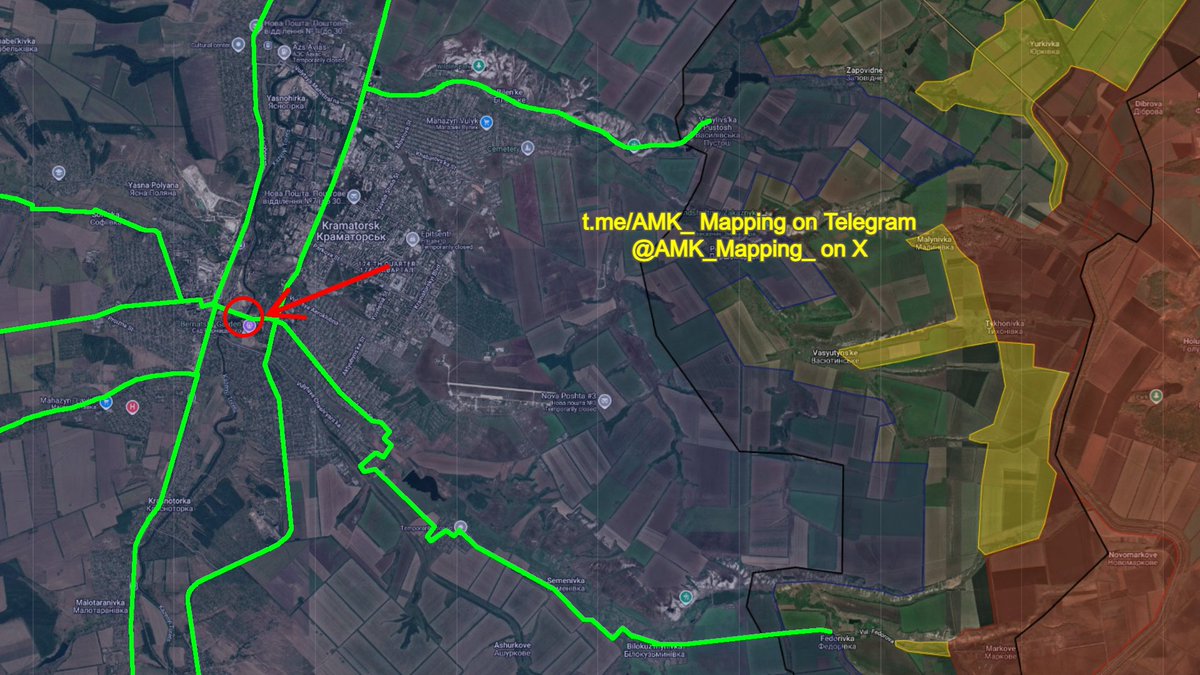
Earlier, at 09:07 UTC, Russian KAB glide‑bombs heavily damaged the main highway bridge in Kramatorsk, disrupting a critical logistics corridor. The glide‑bombs, part of Russia’s precision‑guided munition suite, caused structural damage but did not result in reported civilian casualties.
Ground Movements and Territorial Shifts
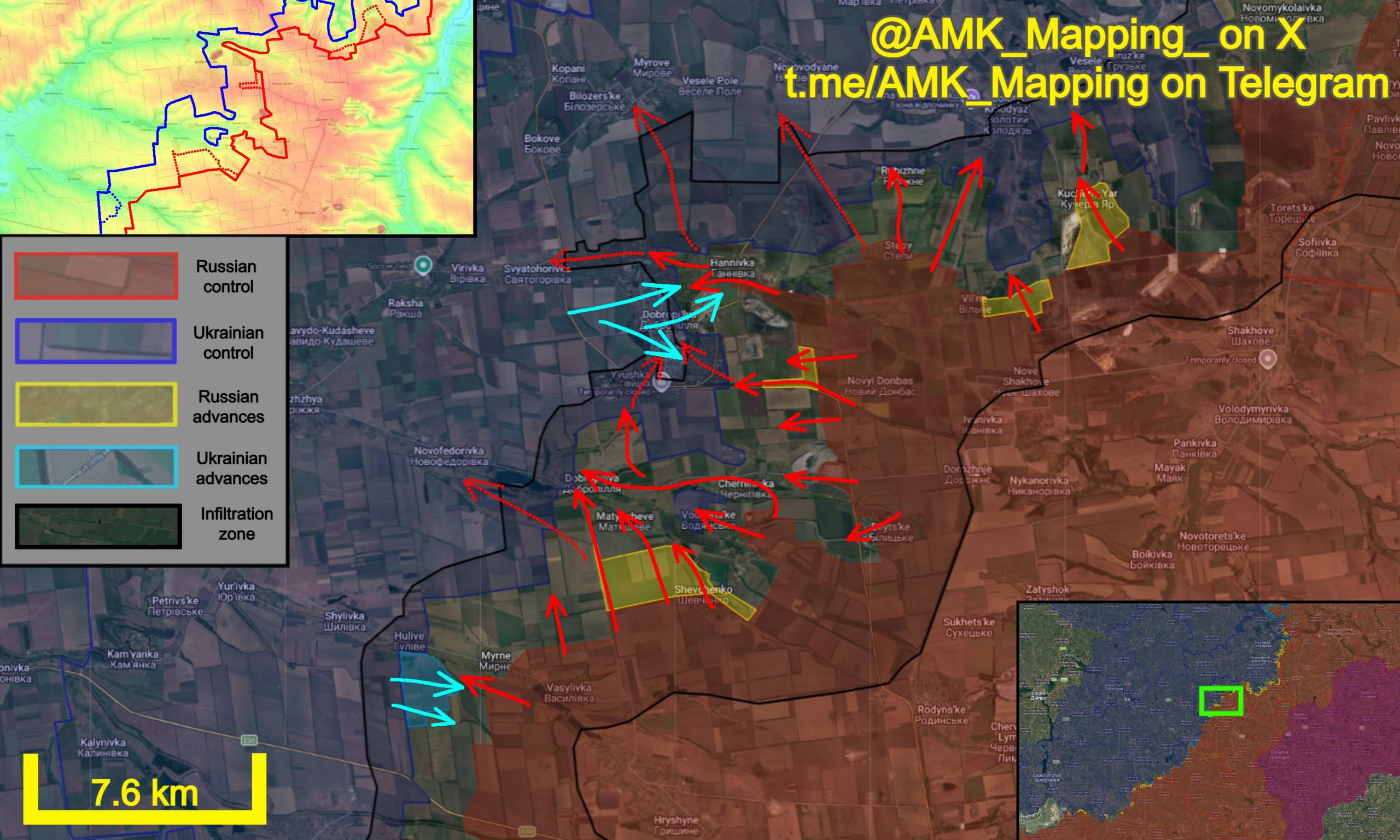
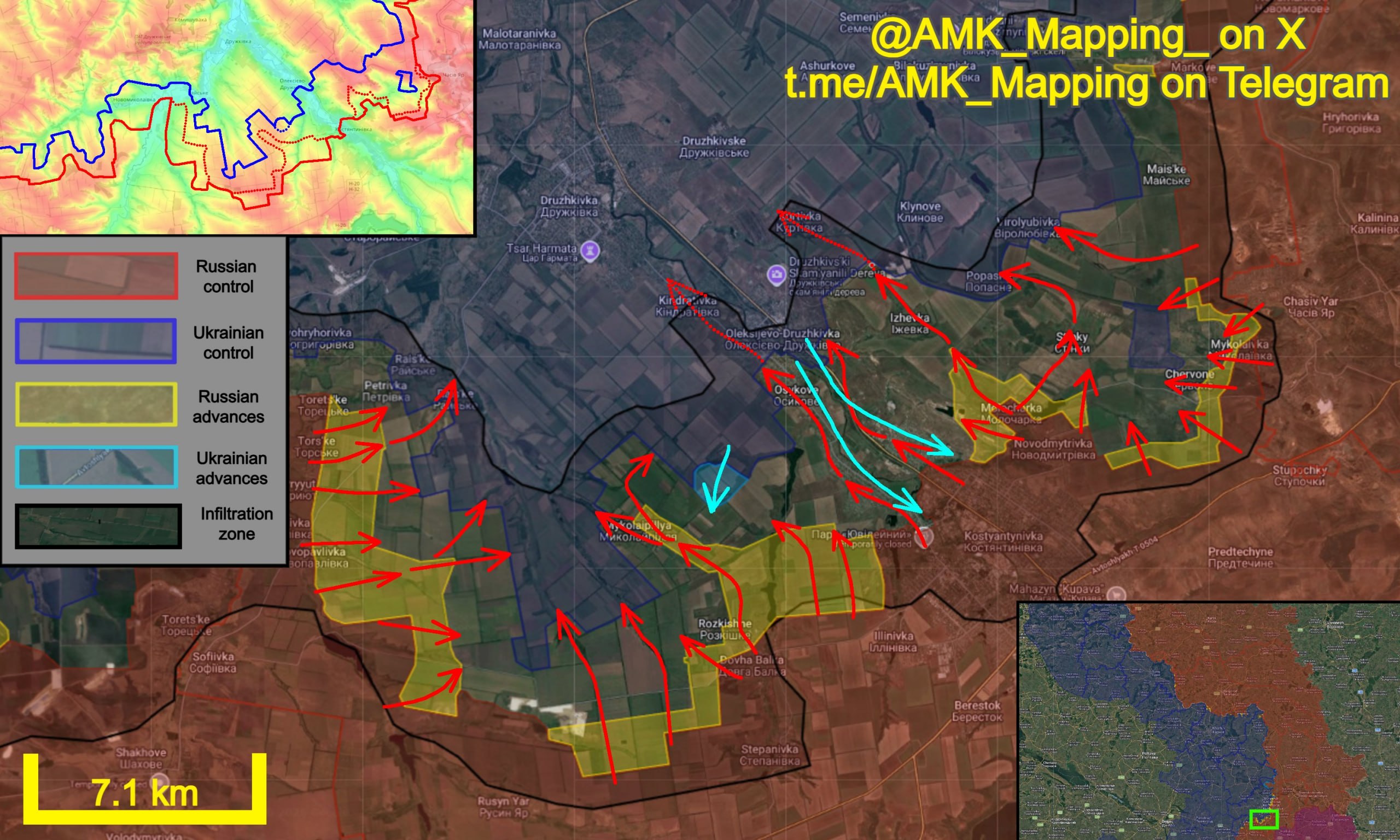
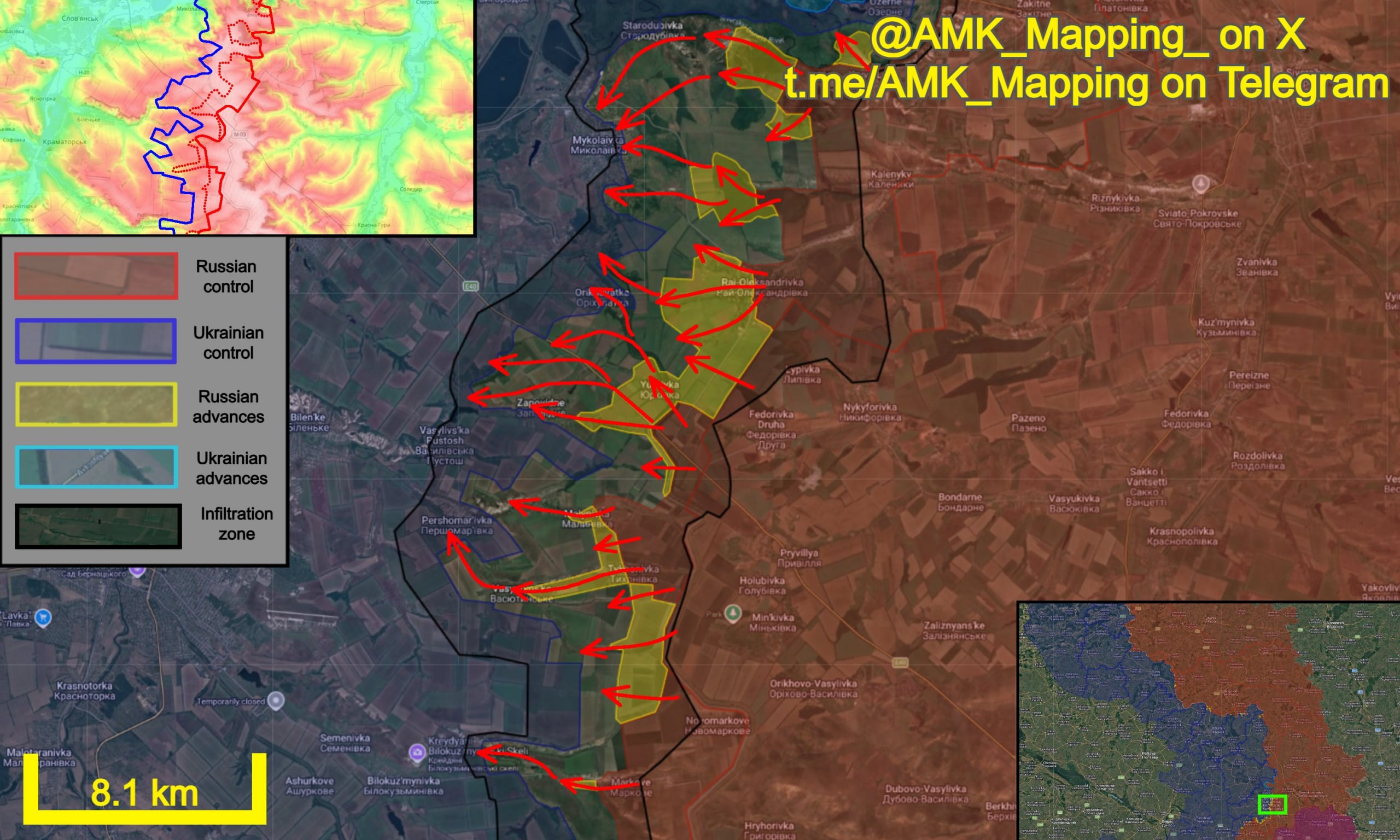
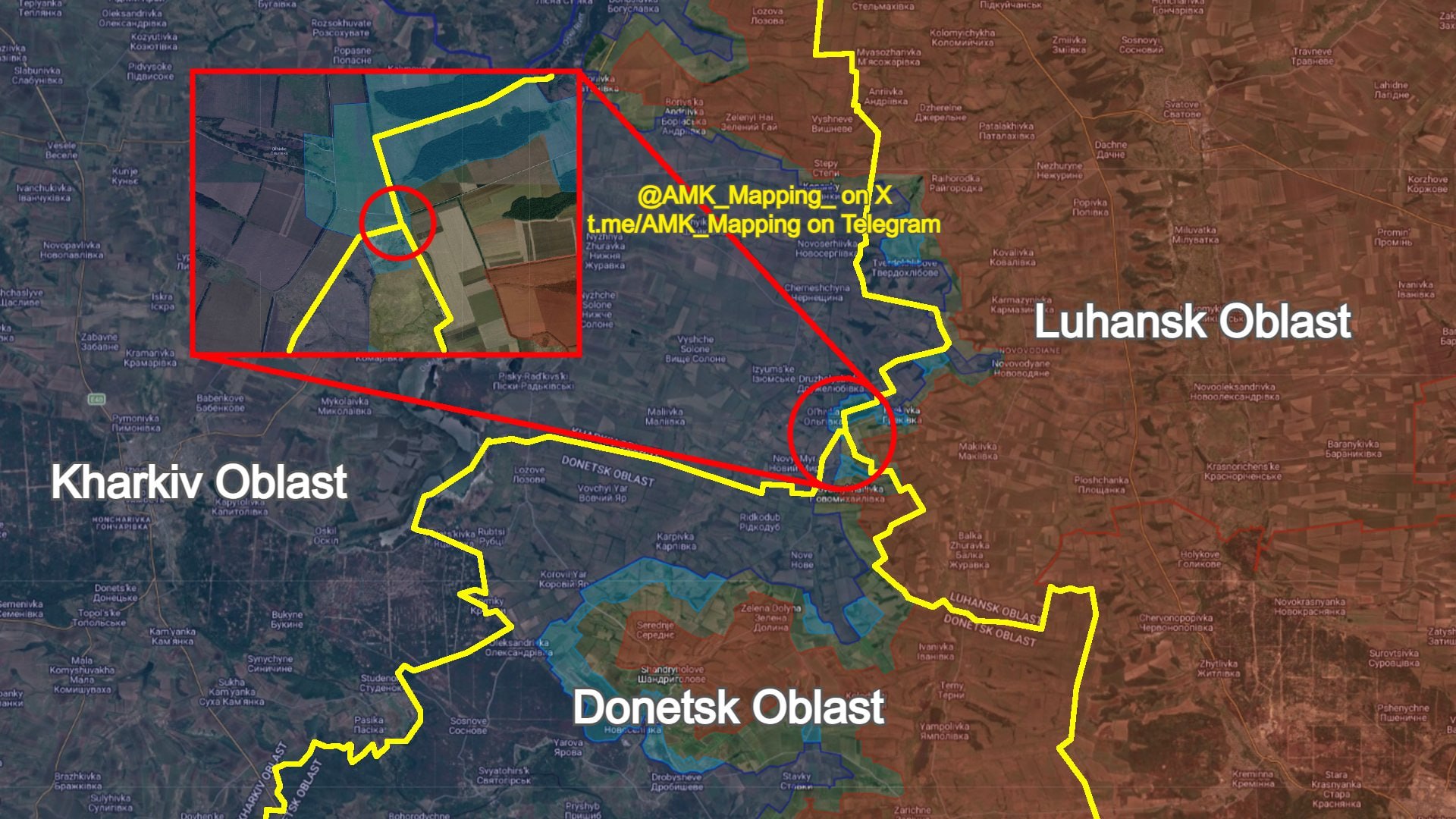
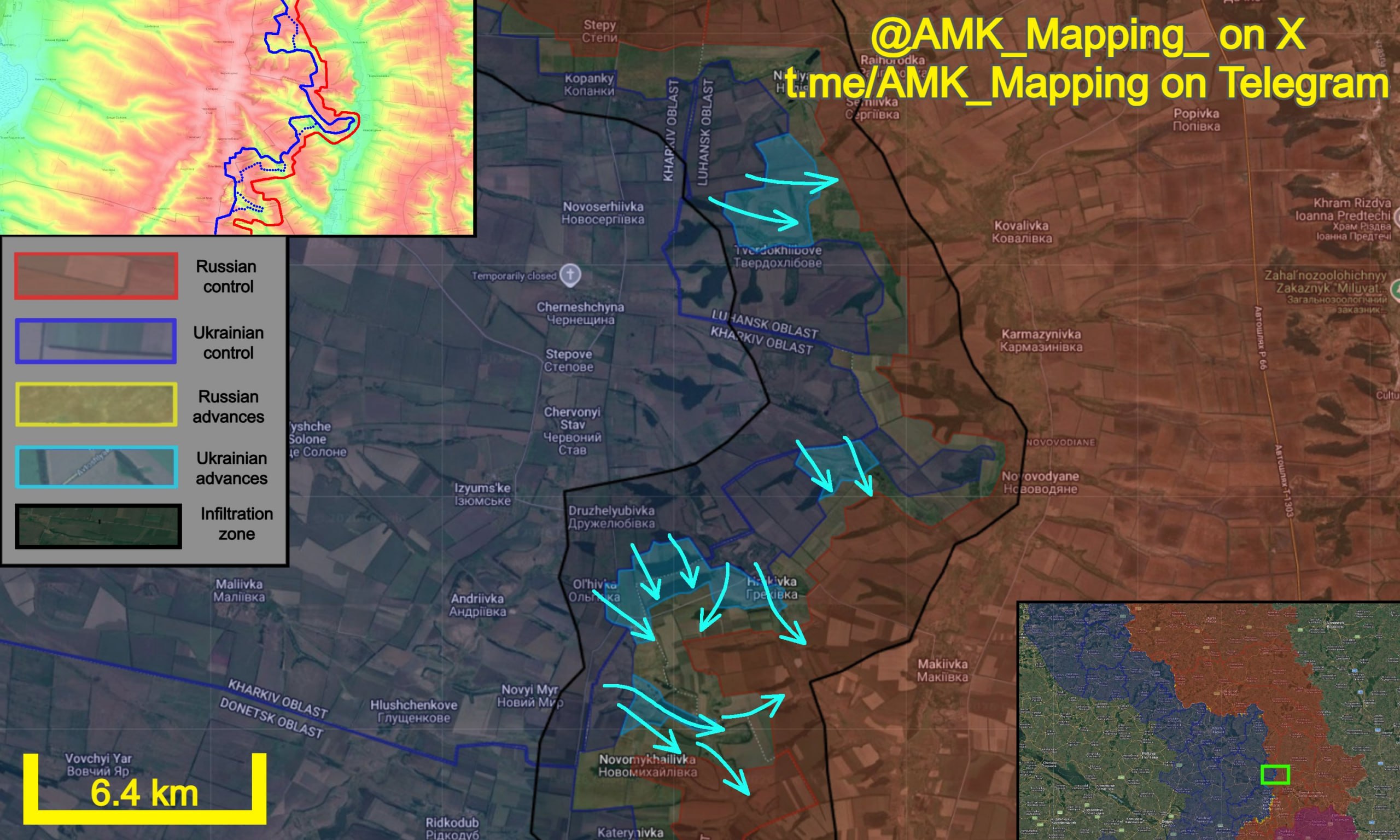
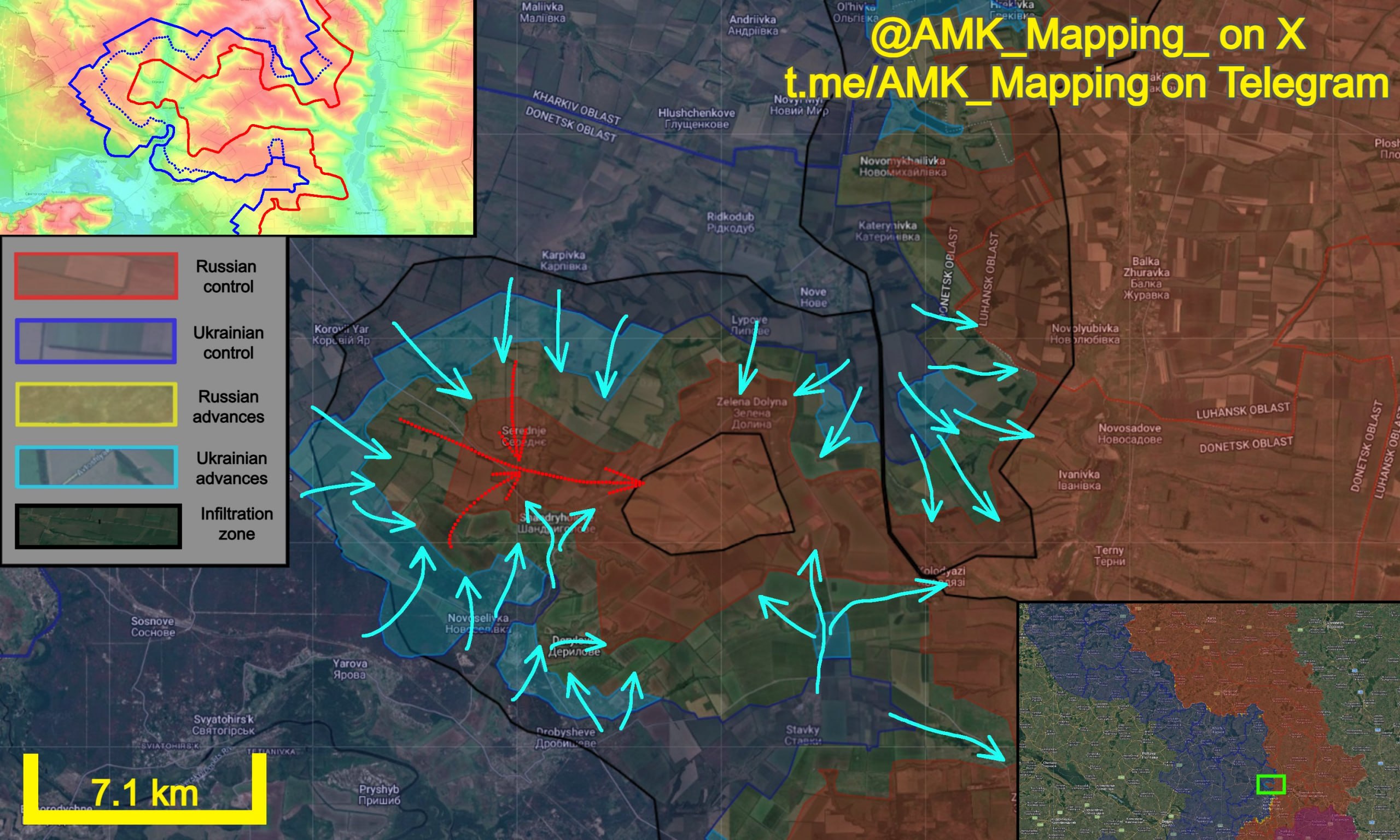
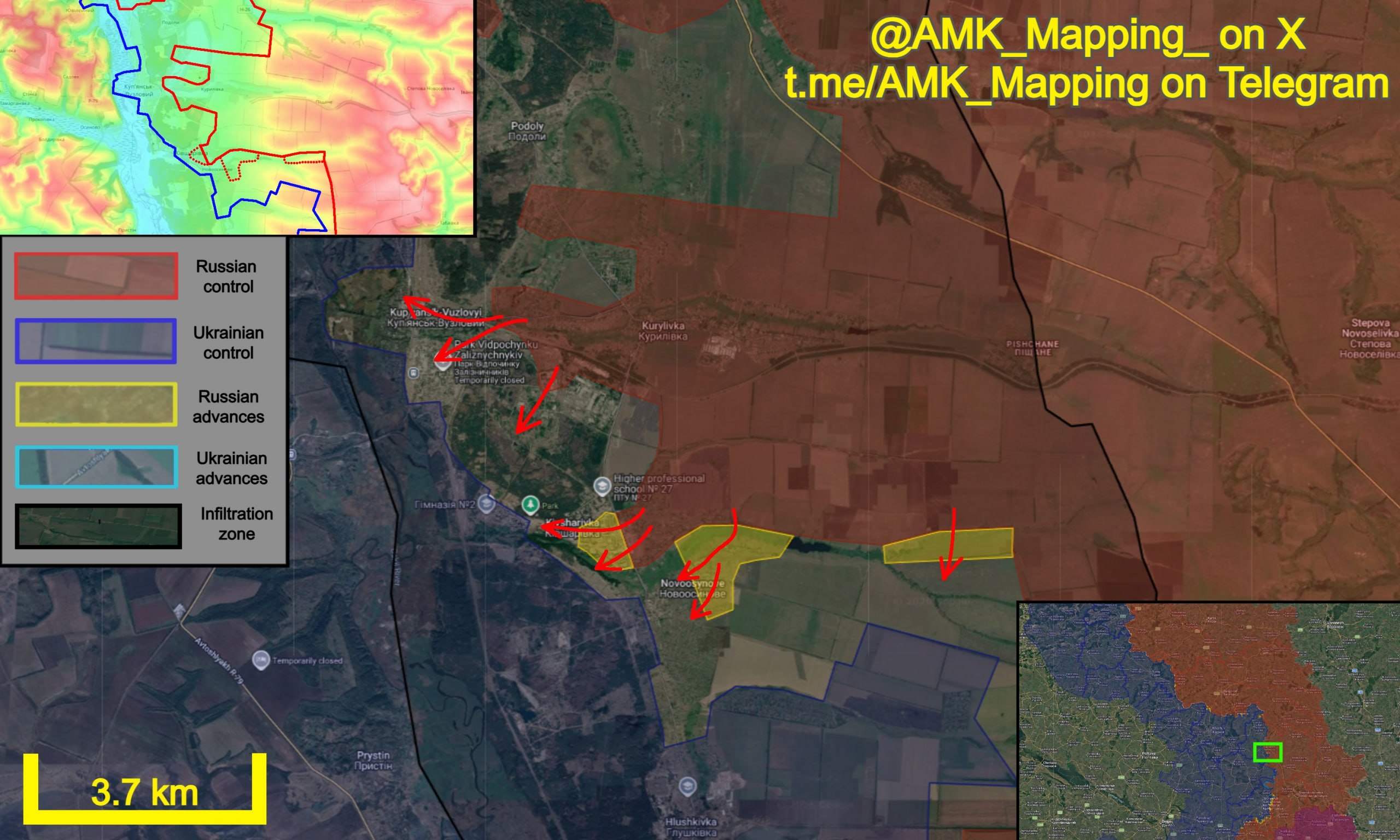
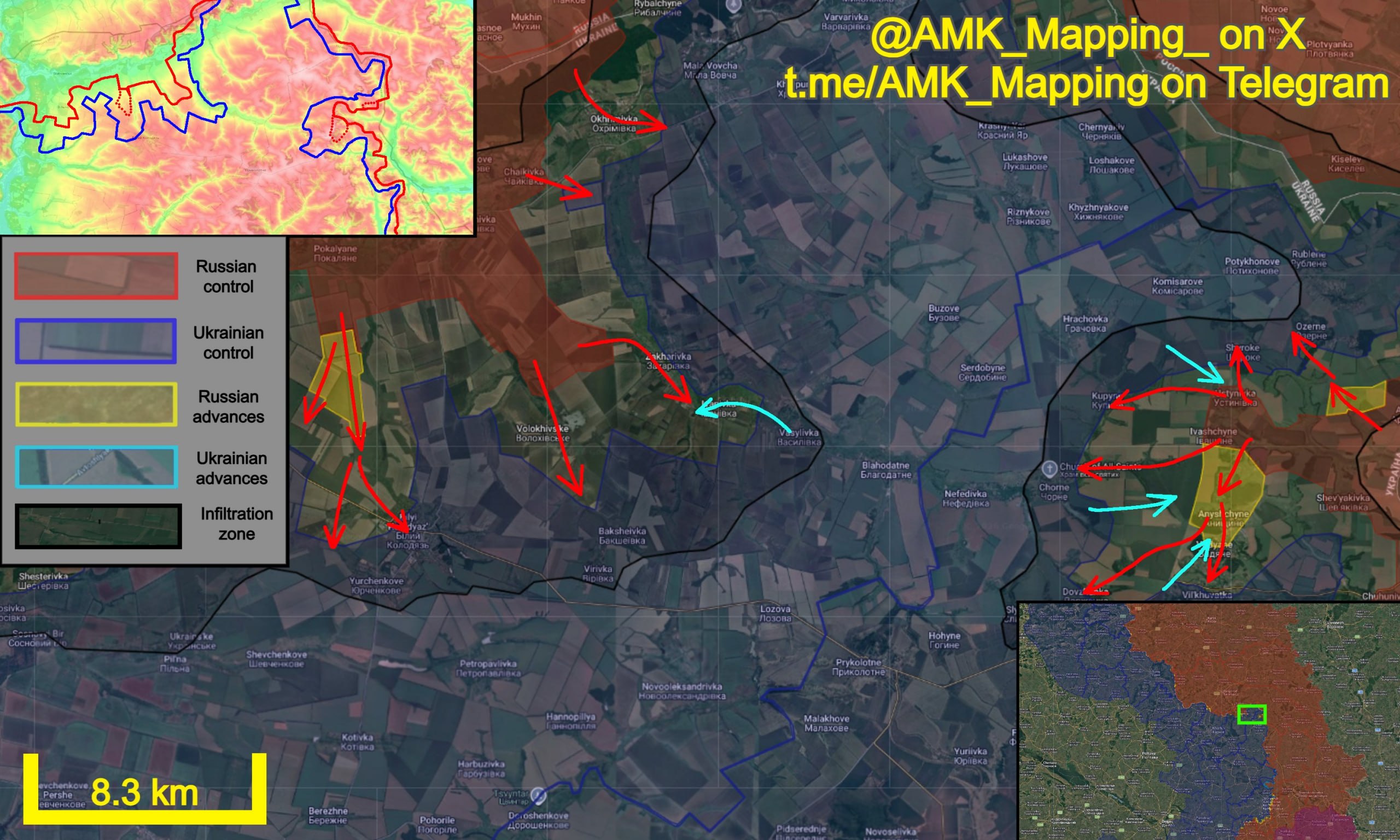
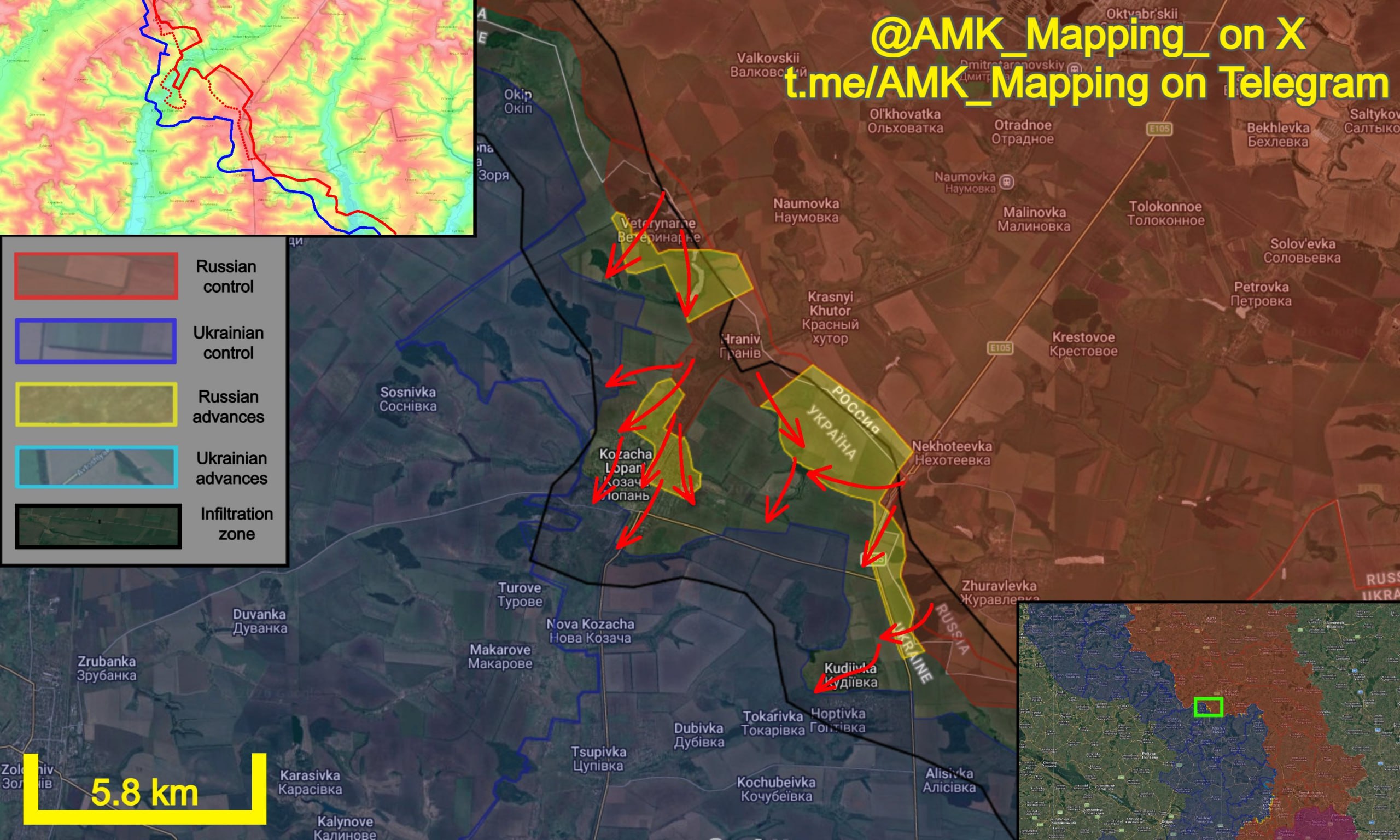
Multiple ground‑movement reports indicated continued fluidity along the front lines in Donetsk, Luhansk and Kharkiv oblasts. Russian forces reported advances and recaptures in the Dobropolye, Konstantinovka, Piskunovka and Veterinarnoe sectors, consolidating positions and deepening infiltration zones. Conversely, Ukrainian forces announced the re‑establishment of control over the Donetsk‑Kharkiv‑Luhansk border tri‑point and the recapture of several villages in the Grekovka sector, pushing back Russian infiltrations.
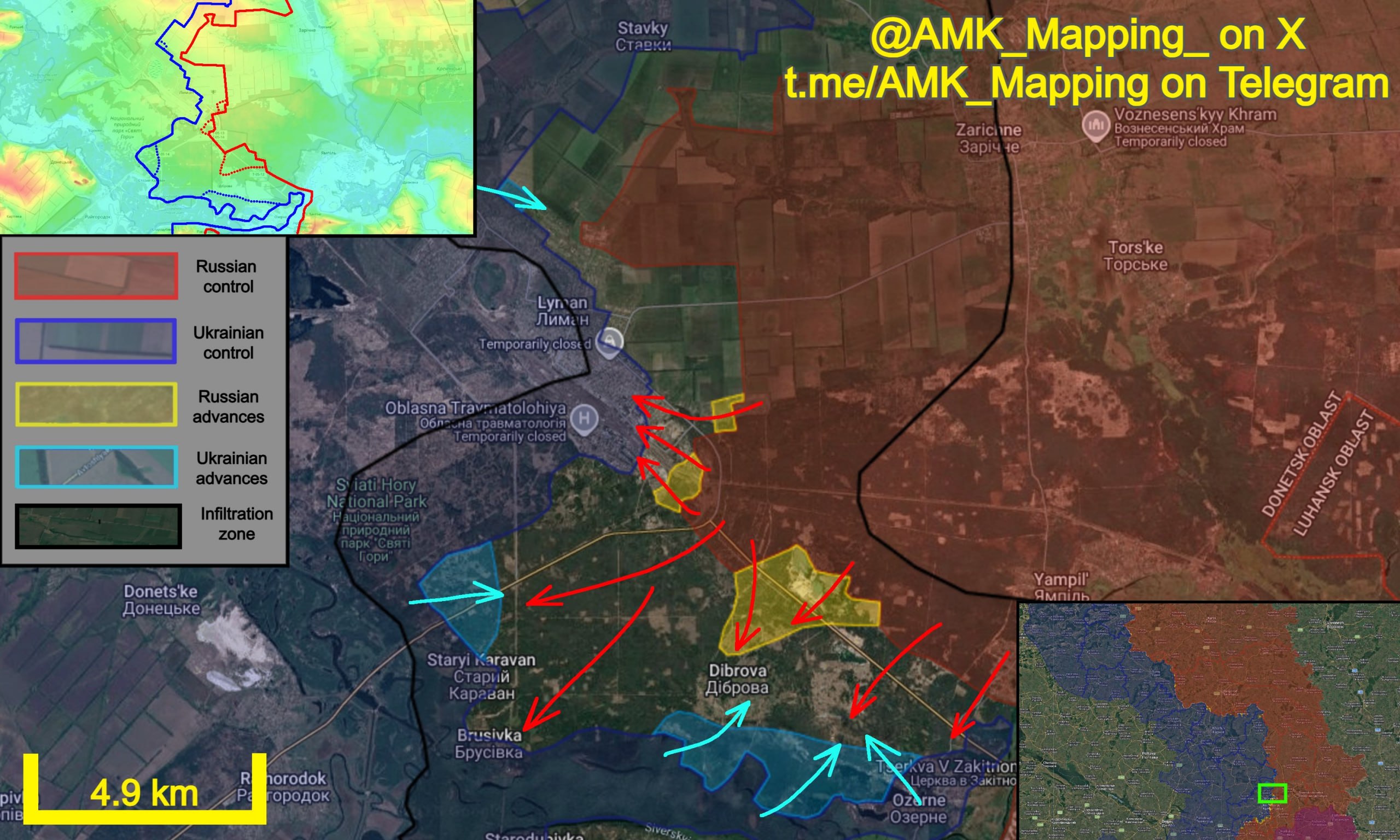
In the Lyman direction, Ukrainian troops advanced on multiple fronts, seizing villages and moving toward the Zherebets and Nitrius rivers, threatening a Russian salient. These movements were documented by the CIG_telegram channel, which provided photographic evidence of newly held positions.
Analytical Assessment
The events of 6 September illustrate a dual‑track escalation: intensified Russian kinetic pressure on Ukrainian civilian centres and a pronounced Ukrainian shift toward deep‑strike, drone‑centric operations that reach well beyond the front line. The civilian toll in the Kyiv region highlights the persistent risk to non‑combatants even under cease‑fire arrangements, while Ukraine’s ability to strike high‑value targets such as air‑defence systems and critical infrastructure in Russia suggests a growing proficiency in asymmetric warfare.
Ground‑level dynamics remain contested, with both sides achieving localized gains. The Ukrainian recapture of border tri‑points and advances near Lyman could constrain Russian supply lines, whereas Russian advances in Donetsk and Kharkiv maintain pressure on Ukrainian defensive depth. The interplay of artillery, glide‑bombs, and drone strikes creates a complex battlefield where air‑defence degradation and rapid territorial adjustments are likely to shape operational planning in the weeks ahead.