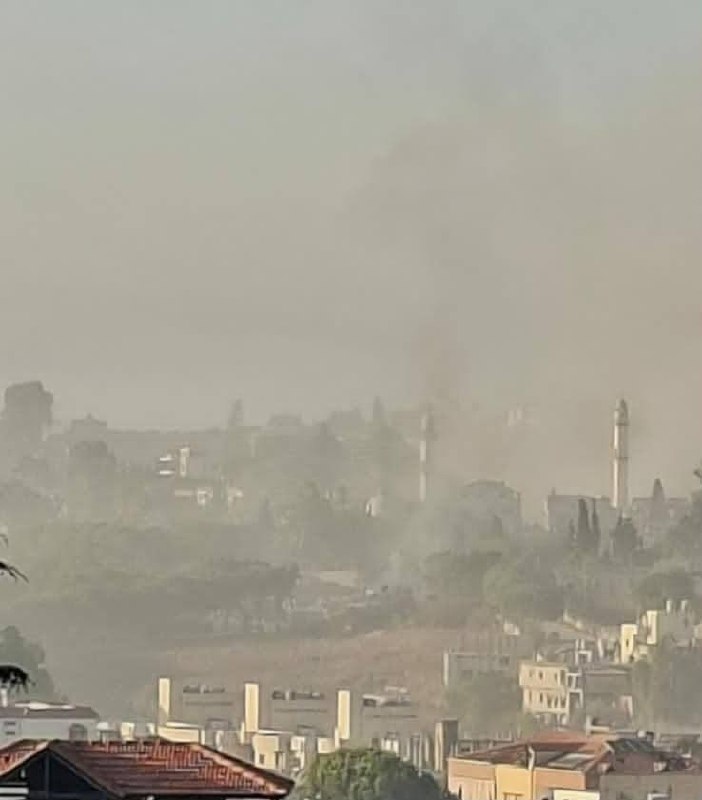
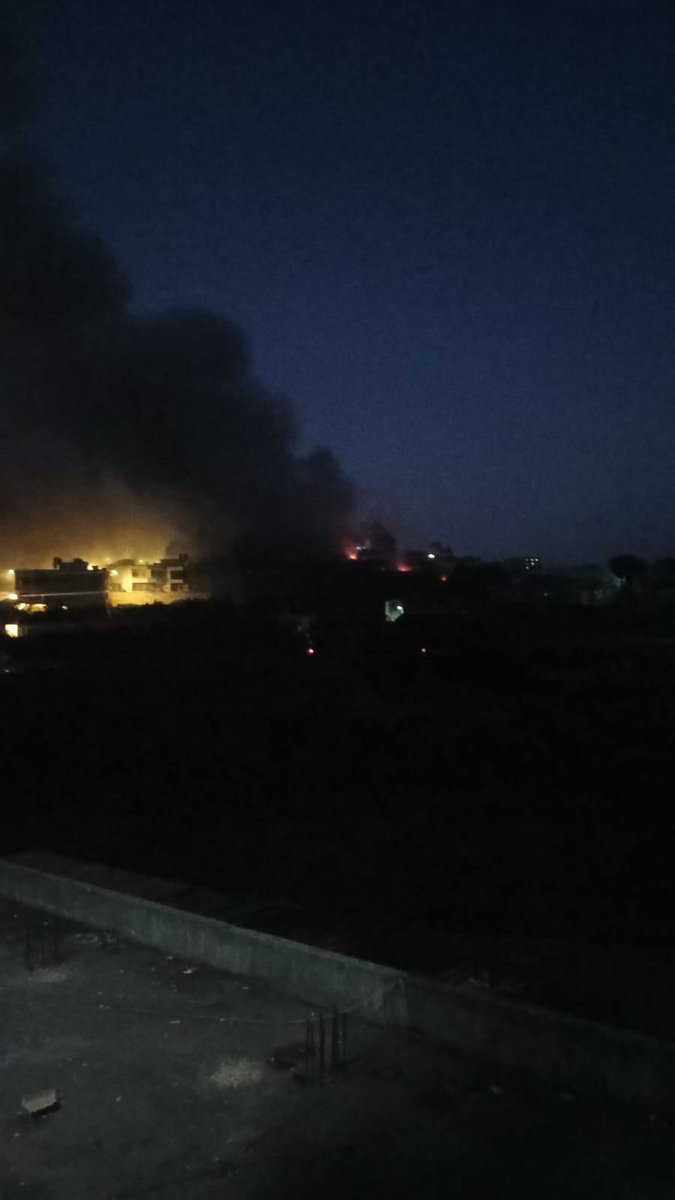
On 6 September 2026, Israeli military operations intensified across southern Lebanon, delivering a series of high‑intensity airstrikes and artillery bombardments that targeted civilian infrastructure and strategic locations in the Nabatiyeh governorate. The coordinated attacks, documented by multiple open‑source monitors, represent the most significant kinetic escalation in the Israel‑Hezbollah conflict since the start of the year.
Airstrike on Arabsalim, Nabatiyeh al‑Fawqa and Kafr Rumman
At 04:46:03 UTC, Israeli forces conducted a synchronized airstrike on the towns of Arabsalim, Nabatiyeh al‑Fawqa and the vicinity of Kafr Rumman. The operation was reported by the Telegram channel monitor_the_situation and accompanied by video evidence (source). The strike employed conventional bombs, though the exact ordnance type was not disclosed. No civilian casualties were immediately confirmed, and Israeli officials did not release an official statement.
"Israeli forces bombed Arab Salim, Nabatieh al‑Fawqa, and the vicinity of Kafr Rumman," the channel reported.
The targeting of three separate localities within a narrow time window suggests a pre‑planned operation aimed at degrading Hezbollah’s logistical network and deterring further cross‑border attacks. The absence of reported injuries may reflect either rapid evacuation by residents or limited blast effects, but the destruction of property and disruption of daily life were noted by local witnesses.
Strike on Ghandour Hospital, Nabatiyeh al‑Fawqa
At 04:36:21 UTC, the same day, the IDF allegedly struck Ghandour Hospital in Nabatiyeh al‑Fawqa. The claim originated from the Telegram channel GeoPWatch, which posted a photograph of the damaged facility (source). While the report did not specify the weapon system used, the visual evidence indicates severe structural damage, potentially compromising medical services for the surrounding population.
"New images confirm the Ghandour Hospital was targeted by the IDF. It appears to have been destroyed or have suffered serious damage," the channel noted.
Health officials in Lebanon have not yet released casualty figures, and the Lebanese Ministry of Health has not confirmed the incident. The targeting of a civilian medical facility, if verified, would raise serious concerns under international humanitarian law.
Multiple Airstrikes in Nabatiyeh al‑Fouqa
Earlier, at 02:36:04 UTC, Israeli aircraft executed a series of airstrikes across the Nabatiyeh al‑Fouqa area. The events were documented by monitor_the_situation (source) and accompanied by a single photograph. The strikes were described as “multiple,” but the specific targets were not enumerated. No weapons were listed in the source, implying the use of standard aerial munitions.
These early‑morning attacks set the operational tempo for the subsequent strikes later in the day, indicating a sustained campaign rather than isolated incidents.
Intense Artillery Shelling of Nabatiyeh al‑Fawqa and Arabsalim
At 04:34:02 UTC, the IDF intensified its firepower with artillery bombardment of Nabatiyeh al‑Fawqa and Arabsalim, as reported by GeoPWatch (source). The channel cited “intense” shelling and mentioned unconfirmed reports that Ghandour Hospital was hit, a claim later corroborated by the separate hospital‑damage report.
The artillery used was not specified, but the term “intense” suggests a high volume of rounds, likely from 155 mm howitzers or similar field artillery. No casualties were reported in the immediate aftermath, though the cumulative effect of repeated shelling on civilian structures remains a concern.
Retaliatory Airstrikes Following Hezbollah Drone Attack
At 04:21:12 UTC, the Israeli Defense Forces (IDF) launched airstrikes in southern Lebanon in direct response to a Hezbollah‑operated drone that penetrated the Israeli‑controlled security zone. The incident was covered by the JPost (source). The IDF reported that one of the drones was shot down, and subsequent airstrikes were carried out against undisclosed Hezbollah positions.
The engagement involved both aerial and drone technology, highlighting the evolving nature of the conflict where unmanned systems are increasingly employed for reconnaissance and attack.
Interception of Two Hezbollah Drones Over Southern Lebanon
At 03:37:55 UTC, Israeli forces intercepted two Hezbollah drones over the southern Lebanon security zone, according to monitor_the_situation (source). Following the interceptions, the IDF conducted retaliatory strikes in the area. The report explicitly noted that no Israeli personnel were injured during the incident.
The successful interception demonstrates the IDF’s air‑defence capabilities and suggests a heightened state of alert along the border. The subsequent strikes likely aimed to degrade Hezbollah’s drone‑launch infrastructure.
Analytical Assessment
The sequence of events on 6 September 2026 illustrates a coordinated escalation by Israeli forces across multiple domains: air, artillery, and air‑defence. The targeting of both military‑related sites and civilian infrastructure, including a hospital, raises the risk of broader humanitarian repercussions. While Israeli statements have been limited, the open‑source evidence points to a deliberate strategy to pressure Hezbollah by imposing costs on its operational depth and on the civilian population that supports it.
From a tactical perspective, the use of drones by Hezbollah and the rapid Israeli response underscore a growing reliance on unmanned systems. The interception of two drones and the downing of a third indicate that both sides possess the technical capacity to contest the airspace, potentially leading to a cycle of escalation.
Strategically, the concentration of strikes in the Nabatiyeh governorate—an area known for Hezbollah’s logistical networks—suggests that Israel is attempting to disrupt supply lines ahead of any larger ground operation. However, the lack of confirmed casualty figures makes it difficult to assess the immediate impact on combatant capabilities.
International observers will likely monitor the situation for potential violations of the laws of armed conflict, particularly regarding the alleged strike on Ghandour Hospital. Continued documentation by open‑source channels will be essential for verification and accountability.