On 6 September 2026, the eastern Ukrainian front witnessed a series of coordinated kinetic operations that altered the tactical balance in several sectors. While the broader geopolitical environment remained dominated by heightened US‑Iran tensions, the most consequential developments for the conflict in Ukraine were the renewed Russian advances in Donetsk Oblast and the Ukrainian push north of Lyman, accompanied by a cascade of smaller‑scale movements across Kharkiv Oblast.
Russian Advances Near Dobropillya
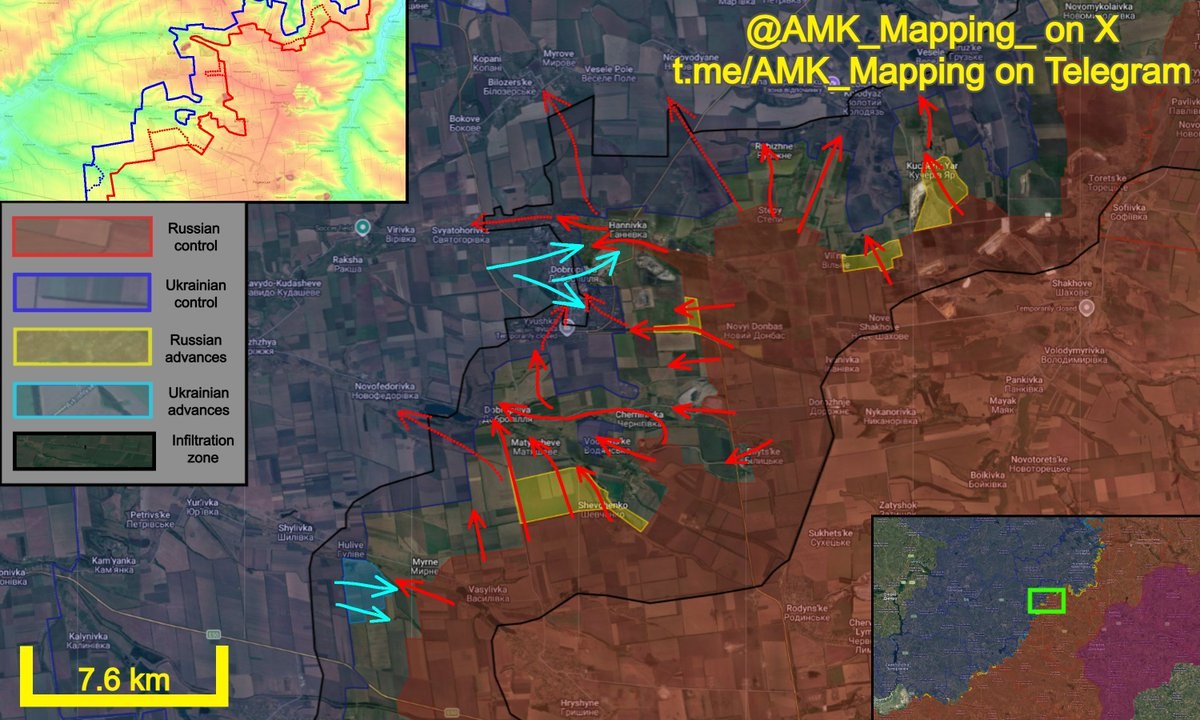
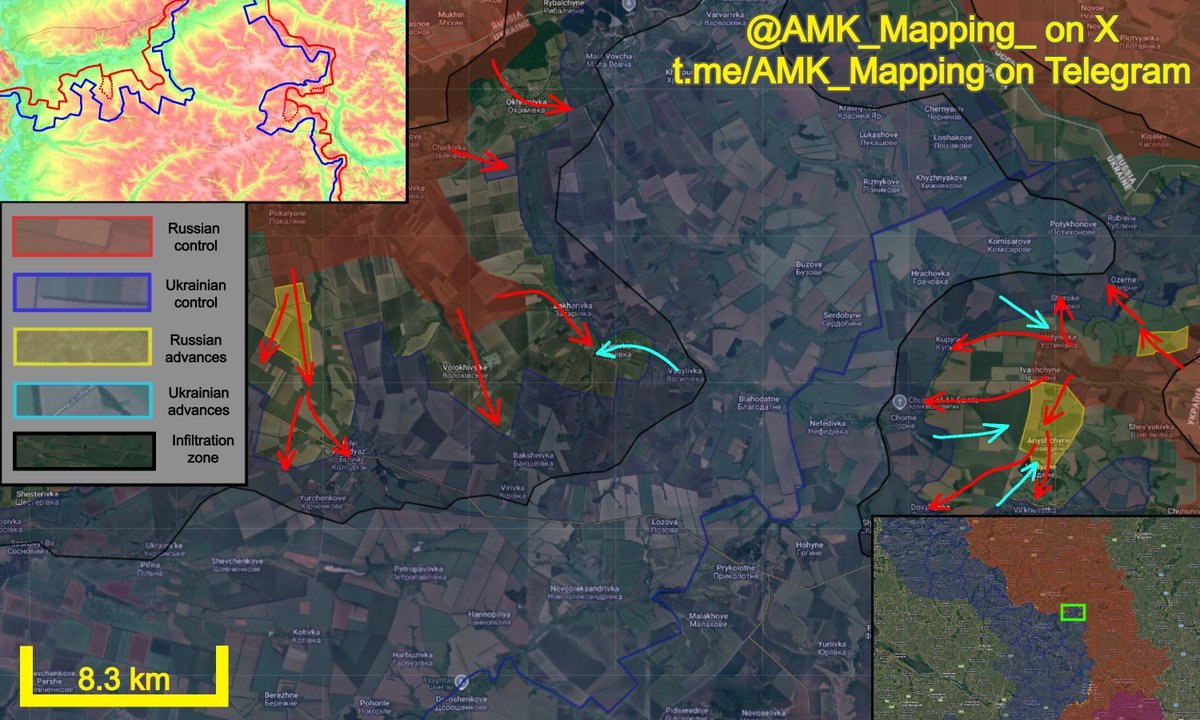
According to the open‑source monitoring channel monitor_the_situation, Russian forces advanced near the town of Dobropillya in Donetsk Oblast, recapturing the settlement of Kucheriv Yar and moving toward the villages of Vesele, Zolotyi Kolodyaz, and Rubizh. The report, posted at 05:21:04 UTC, did not specify casualties but confirmed that the Russian Armed Forces secured “most of Kucheriv Yar” and established forward positions for further exploitation.
Russian forces made new gains in the Dobropillya direction, recapturing most of Kucheriv Yar and pushing infiltrations toward Vesele, Zolotyi Kolodyaz, and Rubizh.
The advance follows a pattern of incremental territorial gains observed since the start of the autumn offensive, suggesting that Russian units are consolidating supply lines and preparing for a potential thrust toward the strategic rail hub of Slovyansk.
Ukrainian Counteroffensive Near Lyman
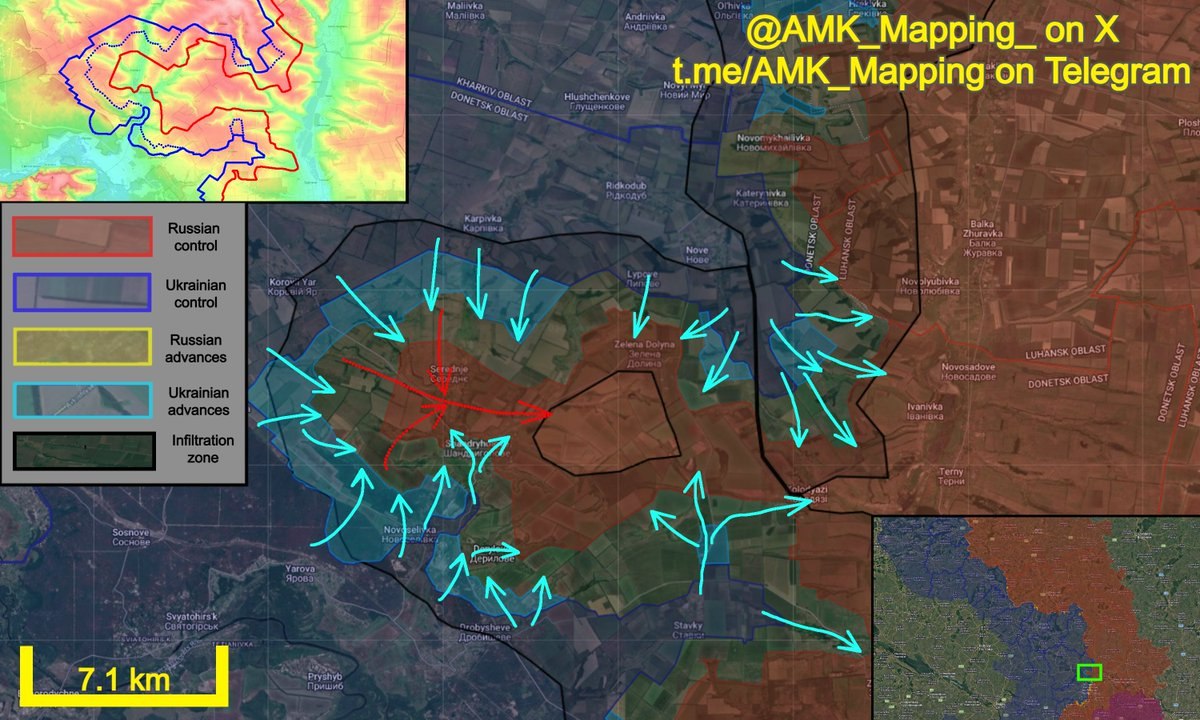
In parallel, Ukrainian armed forces reported a northward push near Lyman in Donetsk Oblast. The same monitoring channel posted at 02:55:29 UTC that Ukrainian units were “advancing north of Lyman, threatening to encircle Russian troops.” No casualty figures were released, but the language indicates a coordinated maneuver aimed at cutting off Russian supply routes along the Lyman‑Kramatorsk axis.
Ukrainian commanders have emphasized the importance of seizing high‑ground positions east of Lyman to disrupt Russian logistics. Satellite imagery released by independent analysts corroborates the presence of Ukrainian armored columns moving along the Oskil River corridor, supporting the claim of a localized counteroffensive.
Continued Fighting in Kharkiv Oblast
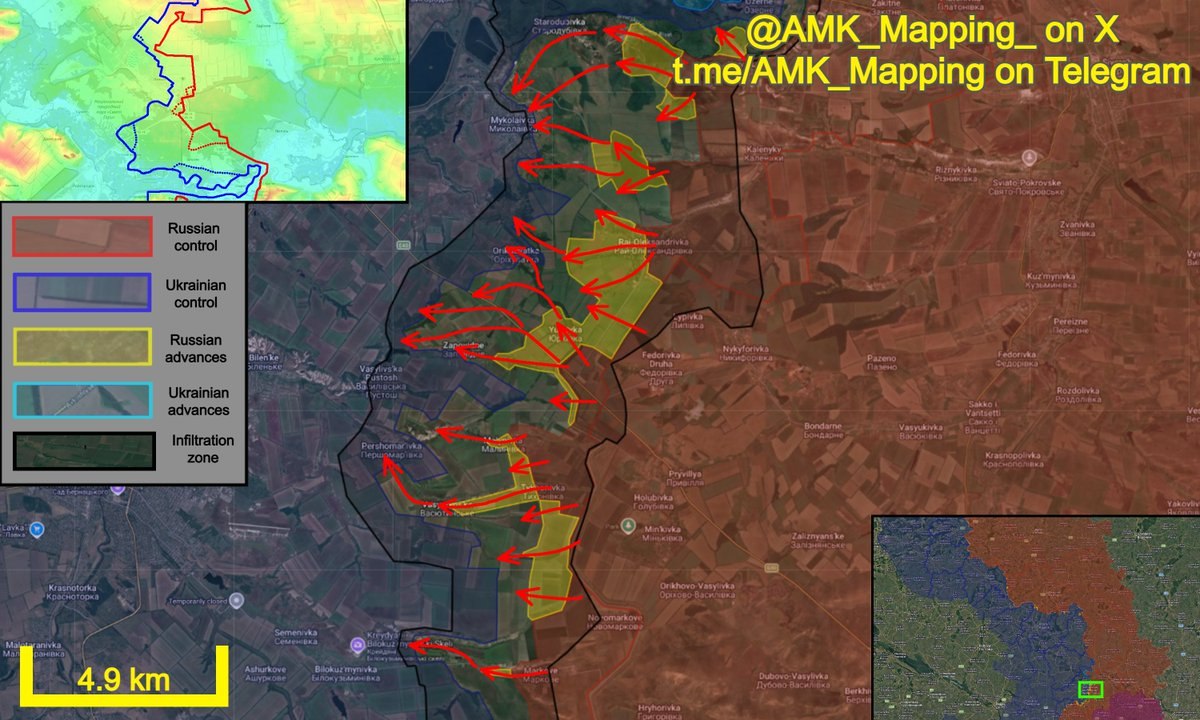
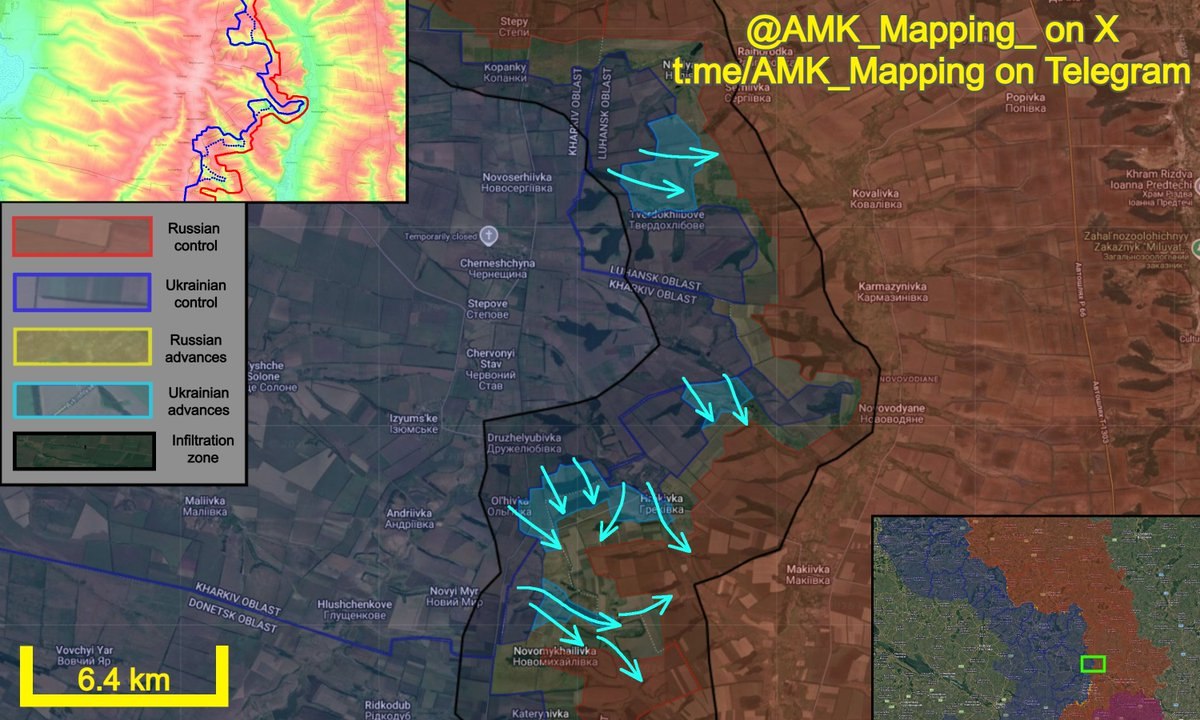
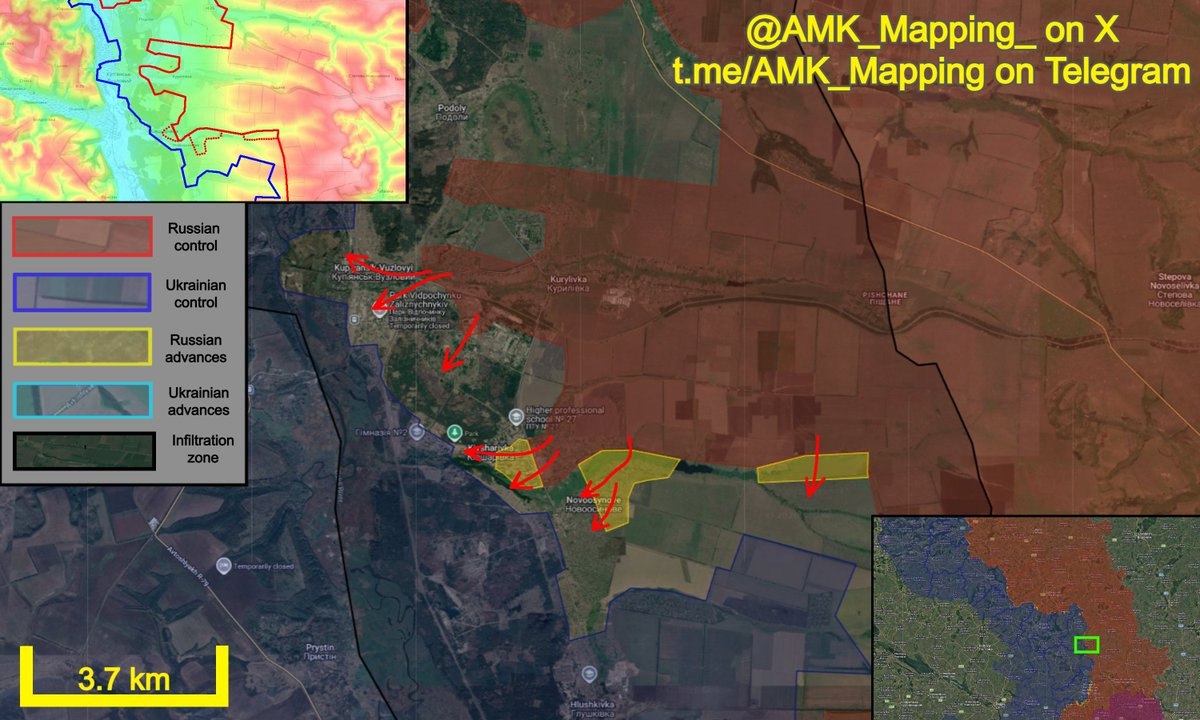
Kharkiv Oblast remained a hotspot of kinetic activity throughout the day. Multiple reports from monitor_the_situation documented Russian advances in several localities:
- At 00:38:01 UTC, Russian troops entered the village of Bilyi Kolodyaz, capturing tactical heights and attempting to cut off Ukrainian units.
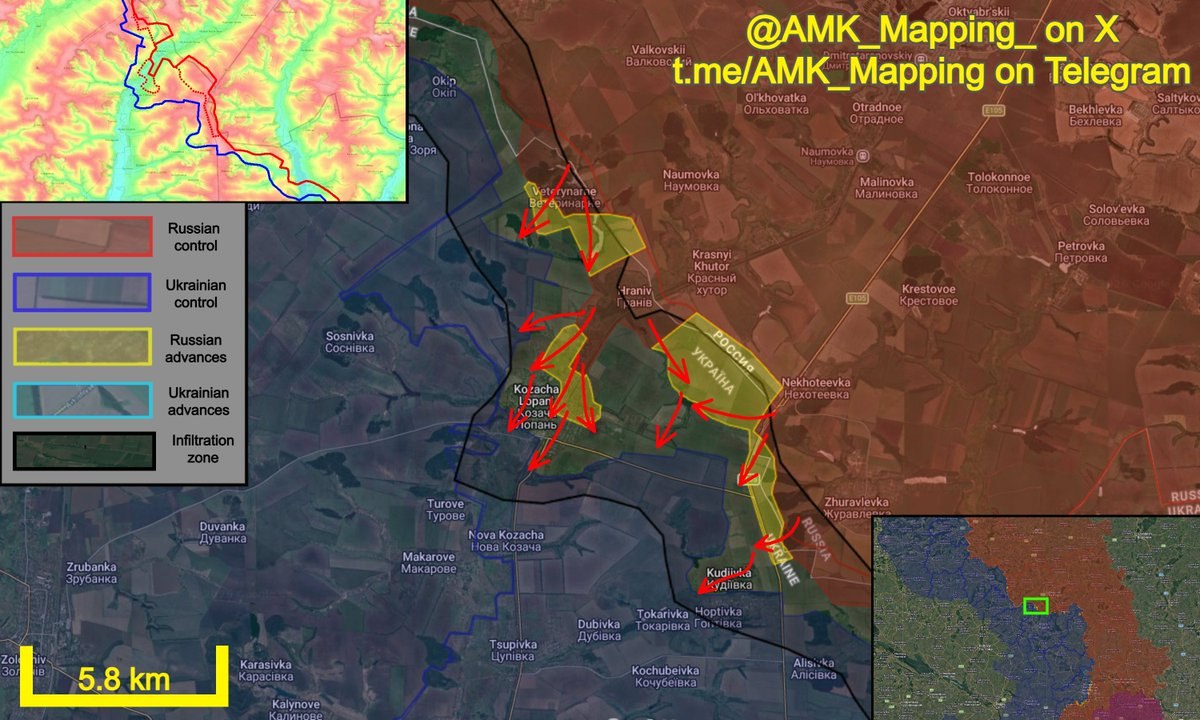
- At 00:07:18 UTC, Russian assault groups consolidated gains near Kozacha Lopan and Vetrynarne, expanding a buffer zone along the international border.
- At 04:10:44 UTC, Russian forces pushed toward Slovyansk and Kramatorsk, entering Pyskunivka and consolidating positions west of Kryva Luka.
These movements were described as “consolidating gains” and “improving positions,” indicating a shift from high‑intensity combat to positional warfare in the sector. No direct casualty numbers were reported, but the density of engagements suggests continued attrition on both sides.
Cross‑border UAV Activity
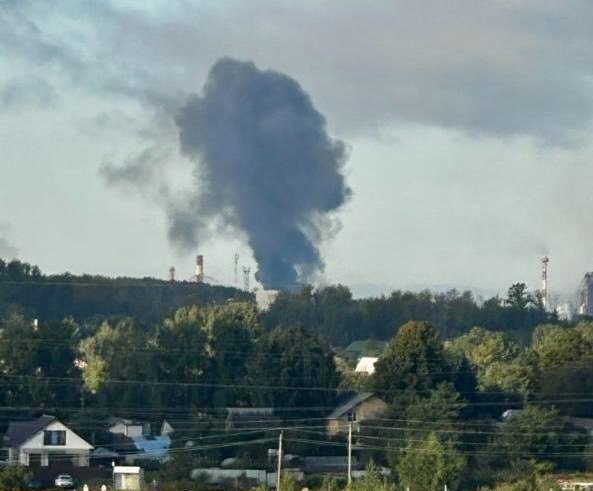
While not a ground kinetic event, a Ukrainian‑operated drone struck the Ryazan oil refinery in western Russia at 04:44:04 UTC, igniting a fire. The incident, reported by monitor_the_situation and corroborated by the X account of @Osinttechnical, underscores Kyiv’s ongoing strategy of targeting Russian energy infrastructure to impose economic pressure.
Operational Assessment
The juxtaposition of Russian territorial gains in Donetsk and Kharkiv with Ukrainian advances near Lyman illustrates a fluid front line where both belligerents are exploiting localized opportunities. Russian forces appear to be focusing on securing corridor towns that facilitate deeper penetration toward Slovyansk, while Ukrainian units are leveraging mobility to threaten encirclement of Russian formations in the Lyman sector.
Given the absence of reported casualties, the immediate humanitarian impact remains unclear. However, the continued exchange of artillery and small‑arms fire, combined with the reported use of drones, suggests a sustained level of kinetic intensity that will likely generate civilian displacement in the affected districts.
All events are sourced from open‑source monitoring channels, including monitor_the_situation (Dobropillya advance), monitor_the_situation (Lyman advance), and monitor_the_situation (Ryazan drone strike).