At 00:06 GMT on 5 September 2026, the Israel Defense Forces (IDF) and the Israeli Air Force (IAF) conducted a coordinated airstrike in southern Lebanon, resulting in at least three fatalities and twenty injuries. The operation, reported by GeoPWatch (source), marks the latest escalation in a series of cross‑border attacks that have heightened security concerns for both Israel and Lebanon.
Details of the Southern Lebanon Strike
The strike targeted a residential area near the town of Marjayoun, where intelligence indicated the presence of Hezbollah operatives. While the official Israeli statement framed the action as a pre‑emptive measure against imminent threats, local witnesses described the explosion as a “massive fireball” that shattered windows across several blocks.
"We heard a loud roar and then the sky lit up. People were screaming, and the dust settled quickly," one resident told GeoPWatch.
Casualty figures remain fluid, but the confirmed death toll stands at three, with twenty additional civilians receiving treatment for shrapnel wounds and burns. The IDF has not disclosed the specific munitions used, though analysts infer the deployment of precision‑guided bombs, given the limited collateral damage relative to the strike’s intensity.
Parallel Humanitarian Crises in the Gulf and South Asia
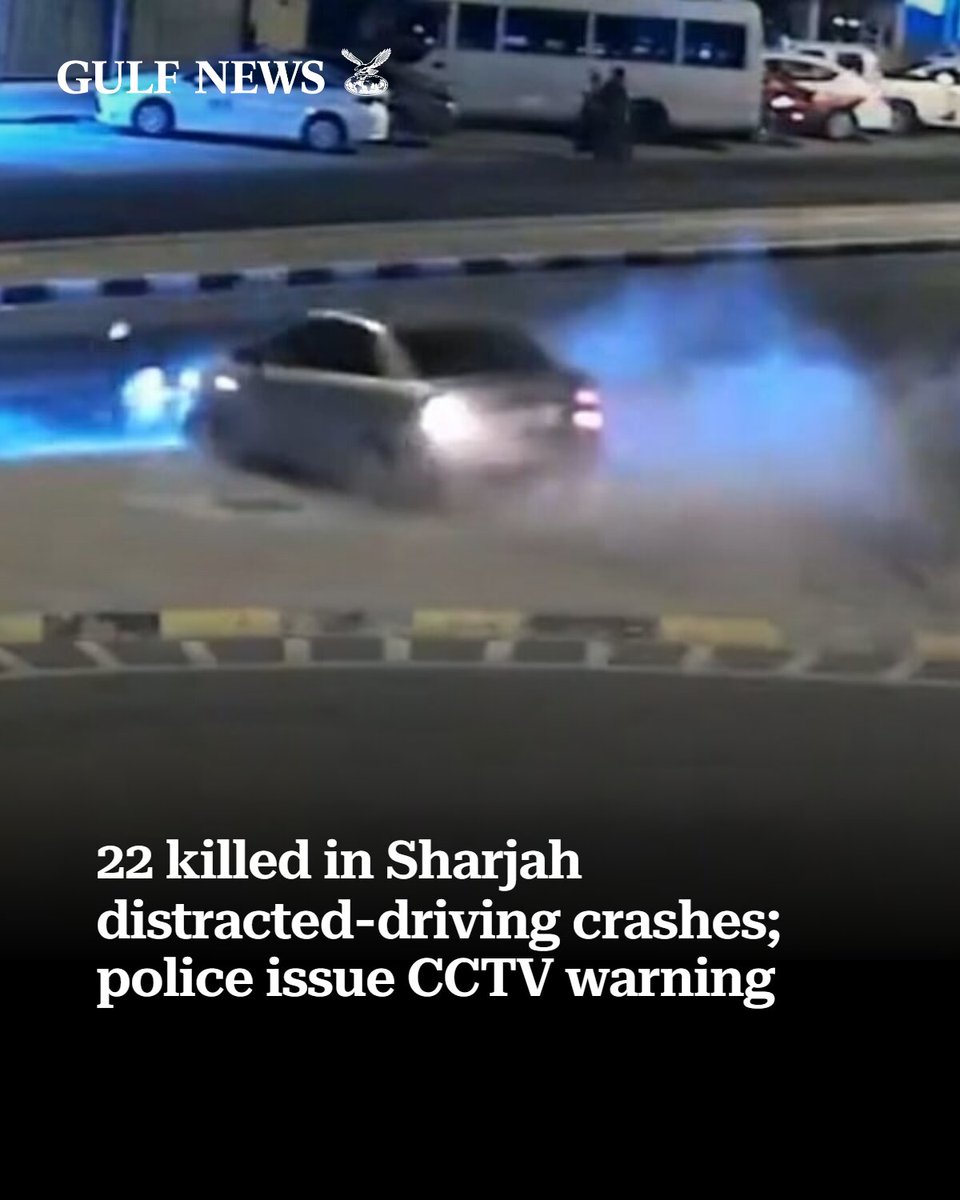
While the Middle East grapples with renewed military confrontations, unrelated yet equally tragic humanitarian incidents unfolded elsewhere on the same day. In Sharjah, United Arab Emirates, police released dramatic footage of a 2025 distracted‑driving crash that claimed 22 lives and injured 360 people. The video, circulated by the monitor_the_situation channel (source), underscores the ongoing road‑safety challenges in the Gulf, prompting authorities to launch a nationwide awareness campaign.
Further south, a nurse recounted a devastating fire at a private nursery in Karachi, Pakistan, which killed 14 infants and left only one newborn alive. The interview, featured by Al Jazeera (source), highlighted systemic safety lapses in childcare facilities. The nurse, identified only as “PIMS,” described the moment she pulled the lone survivor from the flames, saying,
"I could not save the rest," she said, her voice trembling.
Escalation on the West Bank and in Yemen
In the occupied West Bank, Israeli forces conducted a counter‑terrorism operation in Bethlehem at 05:51 GMT, arresting a suspect and raiding a nearby town. The operation, reported by monitor_the_situation (source), involved a coordinated deployment of ground troops and unmanned aerial surveillance. No casualties were reported among civilians, but the raid intensified local tensions, with Palestinian officials condemning the action as “collective punishment.”
Simultaneously, the Houthi movement in Yemen intensified its offensive around western Taiz, aiming to seize the strategic Mocha port on the Bab al‑Mandab Strait. According to a report by the JPost (source), Houthi forces advanced within 50 miles of the port, threatening a critical maritime chokepoint that handles a significant portion of global oil shipments. Colonel Abdul Basit al‑Baher, speaking to the New York Times, warned that “control of Mocha would give the Houthis leverage over international shipping routes.”
Regional Implications and Response
The convergence of these events illustrates a broader pattern of instability across the Middle East and adjacent regions. The Israeli strike in Lebanon, while tactically limited, risks provoking retaliatory attacks from Hezbollah, potentially drawing Lebanon deeper into the Israel‑Gaza conflict. Meanwhile, the West Bank raid underscores Israel’s continued focus on pre‑emptive security measures, a policy that has drawn criticism from international human‑rights organizations for its impact on civilian populations.
In Yemen, the Houthi push toward Mocha port threatens to disrupt the Bab al‑Mandab Strait, a vital artery for global trade. Maritime security experts warn that any blockage could force shipping companies to reroute around the Cape of Good Hope, adding weeks to transit times and inflating fuel costs. The United Nations has called for an immediate ceasefire in Yemen, but both the Saudi‑backed Yemeni government and the Houthis remain entrenched.
Humanitarian concerns extend beyond the battlefield. The Sharjah crash footage has sparked a regional dialogue on road safety, with the UAE Ministry of Interior pledging stricter enforcement of traffic laws and the introduction of advanced driver‑assistance systems in public transport. In Pakistan, the Karachi nursery fire has prompted calls for stricter fire‑safety regulations in private childcare facilities, with the provincial government announcing a review of licensing procedures.
Looking Ahead
Analysts caution that the current trajectory points toward a multi‑front escalation. The Israeli‑Lebanese border remains volatile, and any miscalculation could trigger a broader confrontation involving regional actors such as Iran and Syria. In the Gulf, while the Sharjah incident is not a conflict event, its societal impact may influence public policy and resource allocation, potentially diverting attention from security priorities.
In Yemen, the strategic importance of Mocha port ensures that any Houthi advance will attract international scrutiny, especially from naval powers monitoring the Red Sea corridor. Diplomatic channels are likely to intensify, with the United Nations and the European Union urging restraint from all parties.
Overall, the day's events reflect a complex tapestry of military actions, humanitarian emergencies, and systemic challenges that together shape the security landscape of the Middle East and its periphery.