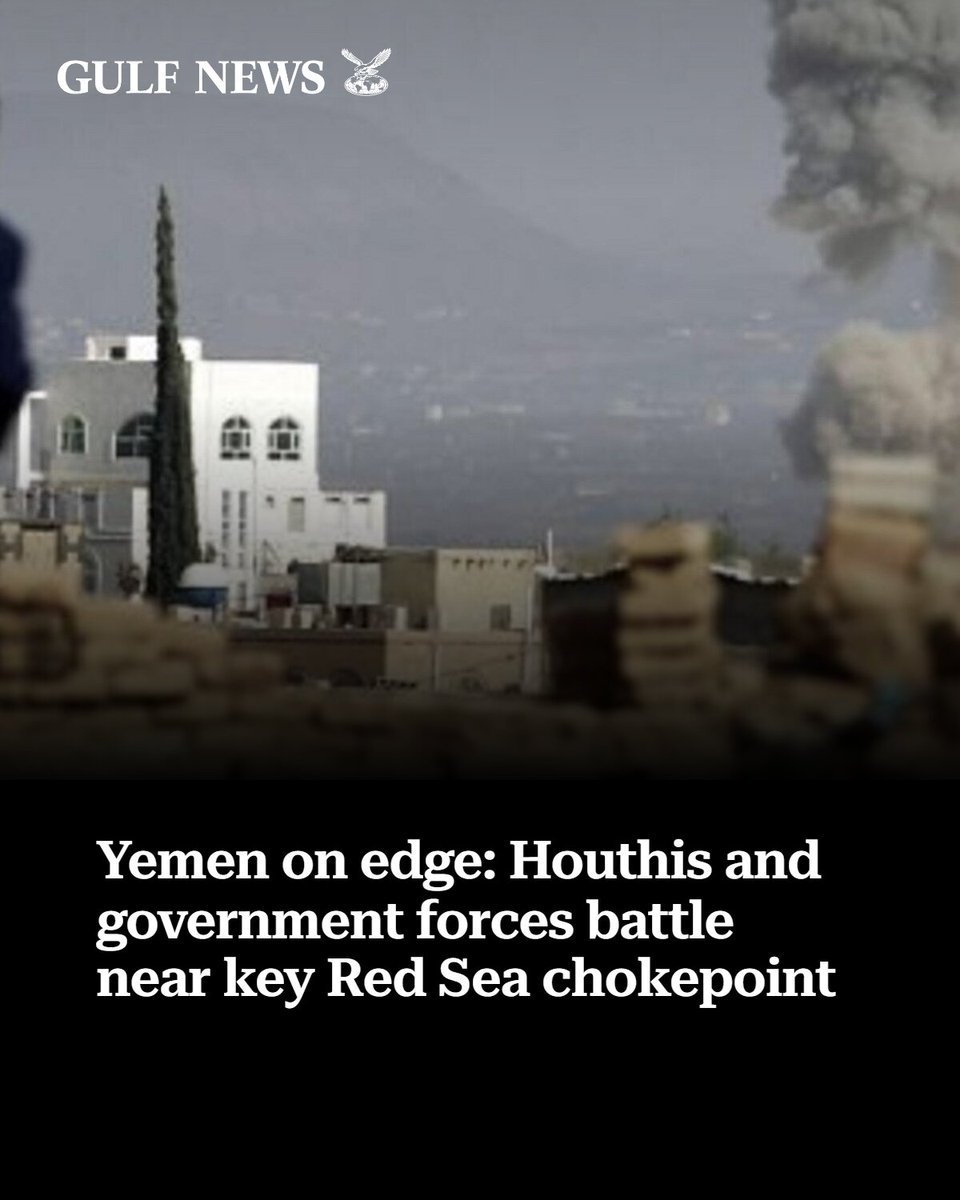
On 5 September 2026, the most lethal confrontation in Yemen in years unfolded near the strategic Bab al-Mandab Strait. Government forces and Houthi fighters engaged in a ground clash that left 129 people dead, according to the Telegram channel monitor_the_situation.
"Deadliest clashes in years as government forces battle Houthis near the strategic Bab Al Mandab strait, with 129 killed."The high casualty count underscores the strategic importance of the narrow waterway that links the Red Sea to the Gulf of Aden, a vital conduit for international shipping and regional oil transport.
Air Operations Amplify the Ground Fight
Following the Bab al-Mandab clash, the Yemeni government launched a series of airstrikes targeting Houthi positions in the capital, Sanaa, at 14:26 UTC. The operation, reported by monitor_the_situation, involved Saudi‑backed aircraft and was described as a direct response to recent Houthi advances.
"The Yemeni government carried out airstrikes on Houthi positions in Sanaa, with Saudi assets involved and expected Houthi retaliation."While casualty figures from the Sanaa strikes have not been released, the involvement of Saudi assets signals a deepening of the coalition’s aerial campaign.
In parallel, the Yemeni government initiated its own air attacks on Houthi forces near Bab al-Mandab at 12:43 UTC, as reported by Al Jazeera. The airstrikes employed fixed‑wing aircraft and were framed as a defensive measure against a major Houthi offensive threatening the strait.
"A major Houthi offensive towards Bab al-Mandeb has triggered some of Yemen’s worst fighting in years."
Missile and Rocket Activity Expands the Front
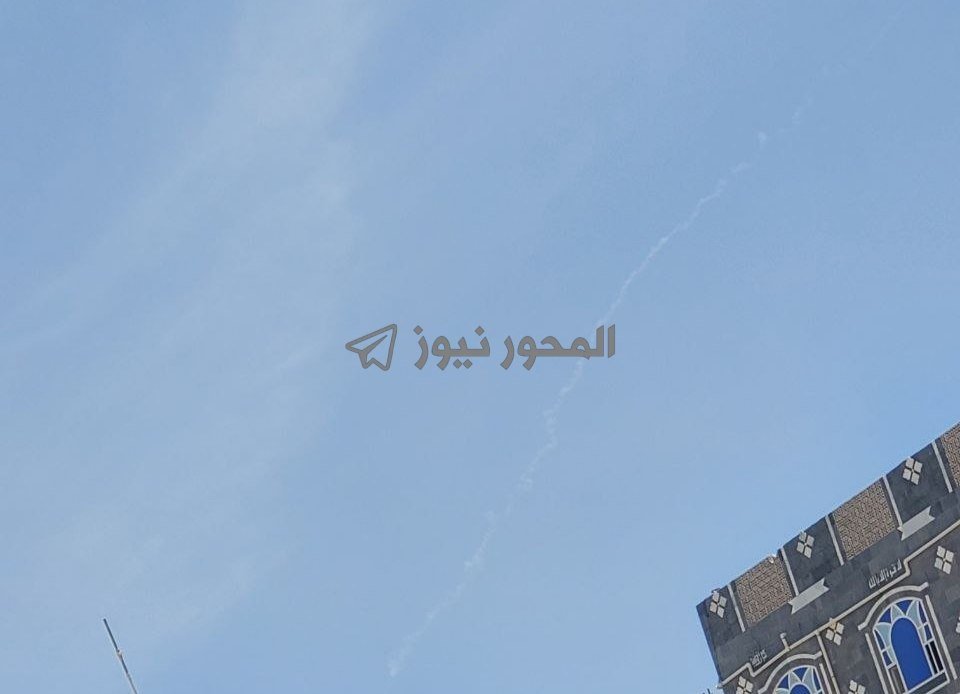
At 09:13 UTC, the Houthi‑aligned group Ansarallah fired ballistic missiles at Saudi‑backed Yemeni National Alliance (YNA) positions in the Red Sea port of Mocha. The attack, documented by monitor_the_situation, illustrates the Houthis’ capacity to project firepower onto coastal targets.
"Ansarallah launches ballistic missiles against YNA positions in Mocha, intensifying the Houthi offensive toward the Red Sea port."No casualty figures were released, but the strike demonstrates a shift toward longer‑range kinetic weapons in the western theater.
Later, at 10:47 UTC, a Houthi missile struck south of Taiz, killing four civilians and wounding nine, according to the same source. The weapon was identified as a conventional missile, highlighting the continued risk to non‑combatants in contested districts.
"Four civilians killed, nine injured in Houthi missile attack south of Taiz, according to government media."
In a separate development, Saudi Arabia launched approximately ten Storm Shadow cruise missiles at Sana’a airport runway at 10:00 UTC. The strike failed to achieve its primary objective, according to monitor_the_situation, suggesting either effective Yemeni air defenses or operational miscalculations.
"Saudi Arabia launched around ten Storm Shadow cruise missiles at Sana’a airport runway, failing to achieve the main objective."
Ground Movements Across Southern and Western Yemen
Multiple ground offensives were reported throughout the day, reflecting a broadening of the conflict beyond the Bab al-Mandab corridor.
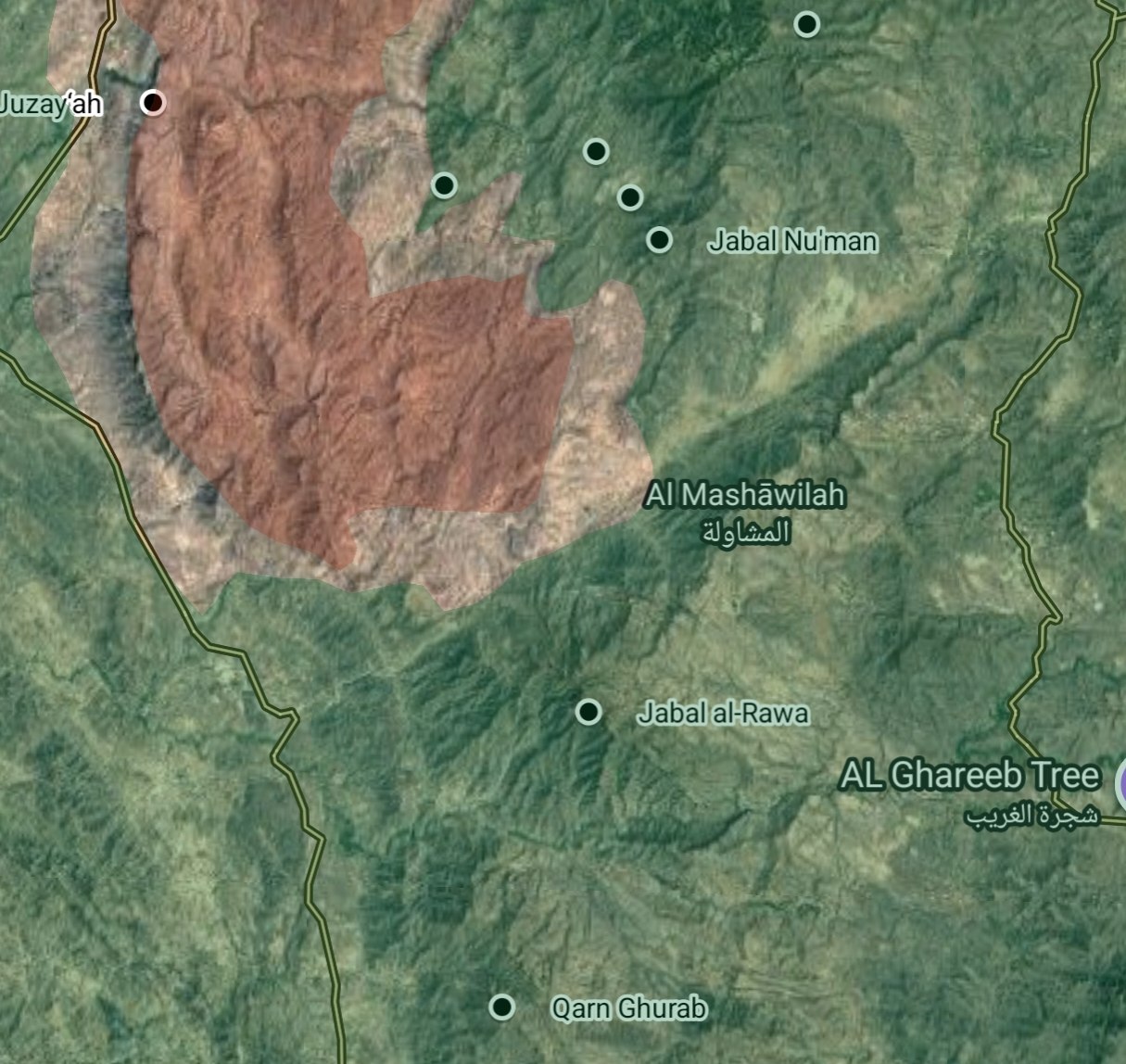
In the Ta’izz Governorate, Ansarullah forces advanced toward the Bani Bakari heights, including Jabal Nu‘man, at 17:34 UTC. The movement, reported by rnintel, aims to recapture high ground that offers tactical oversight of surrounding valleys.
"Ansarullah forces have begun advancing in the western Ta'izz direction, attempting to recapture the Bani Bakari heights, including Jabal Nu'man."
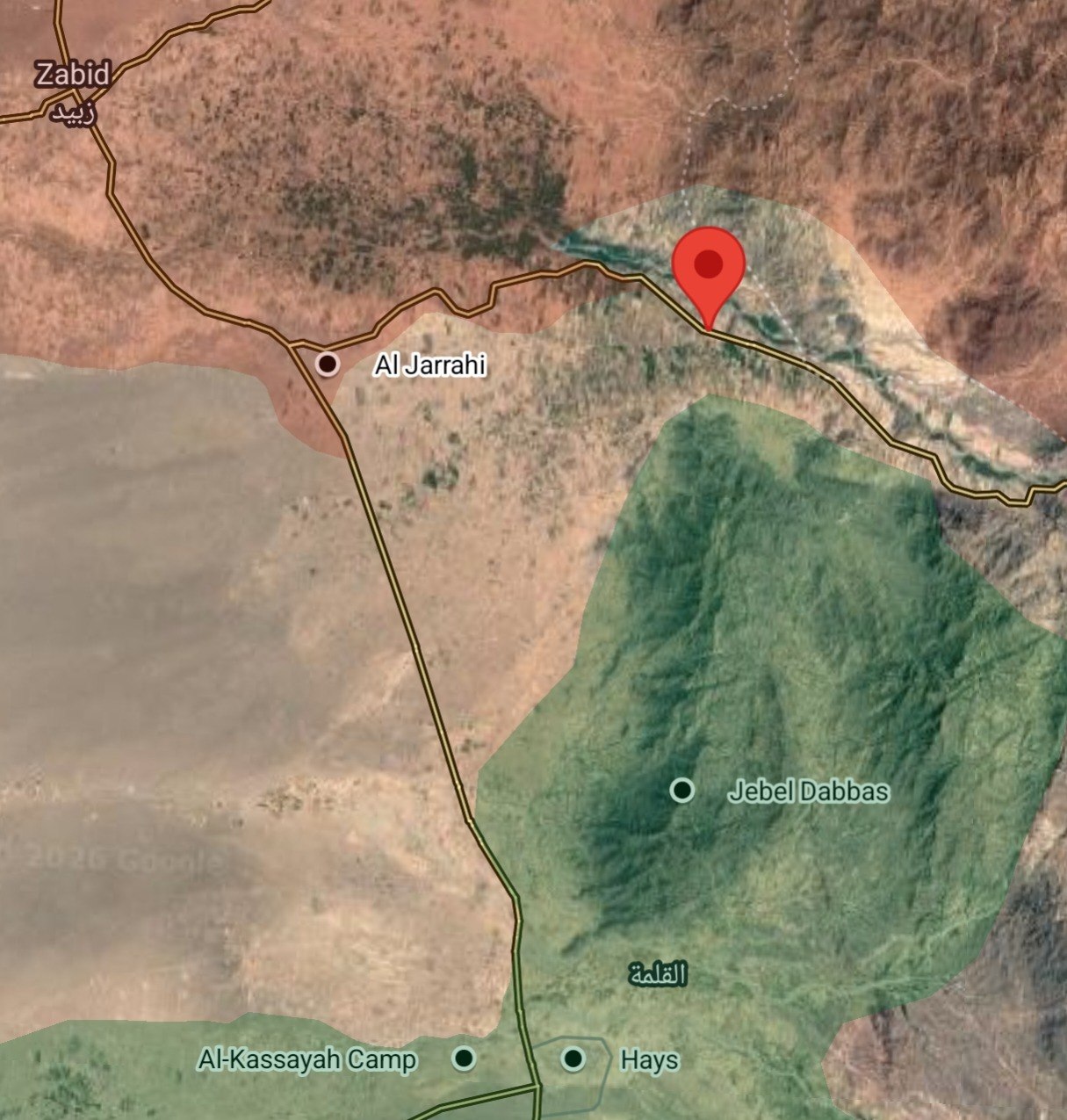
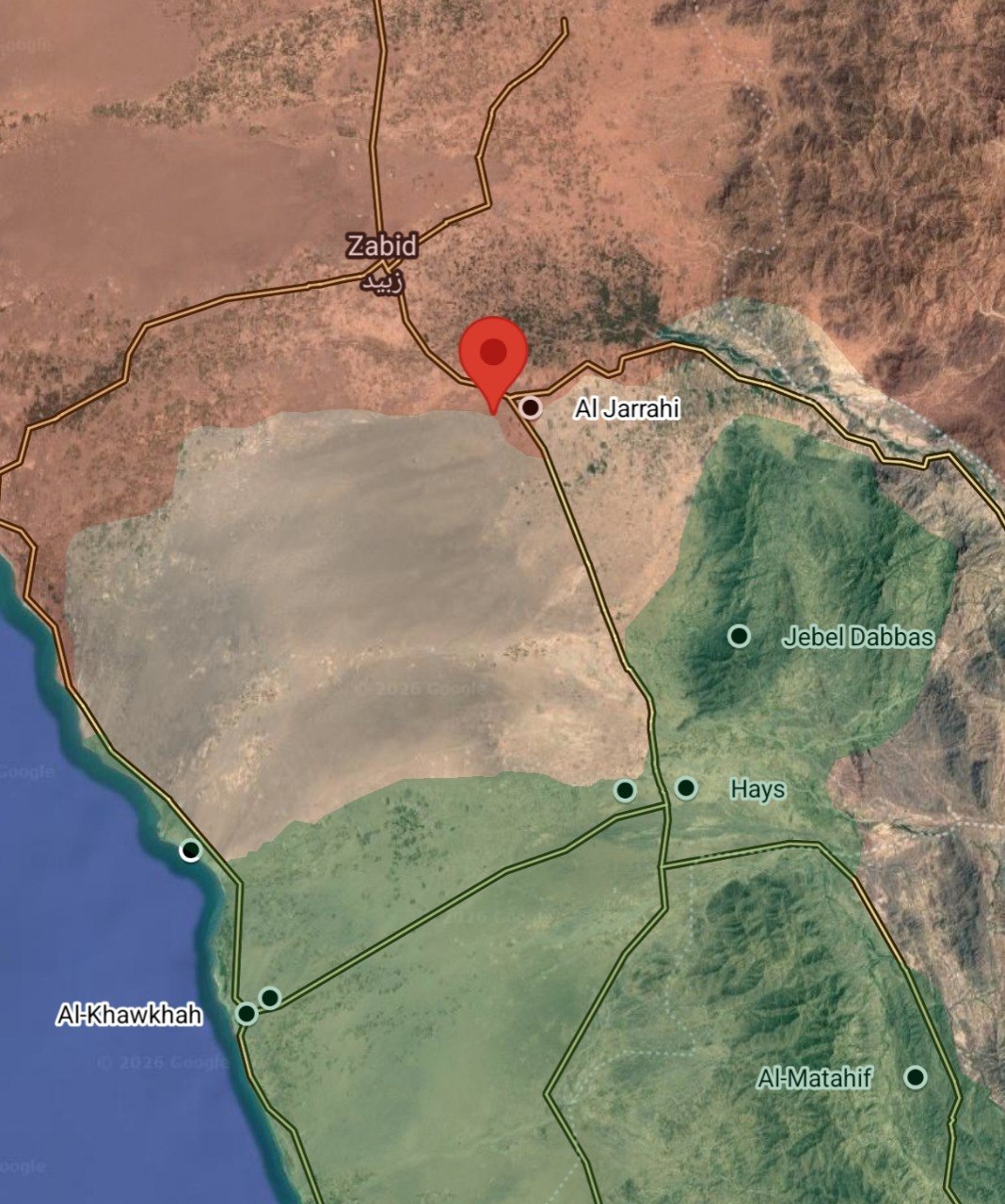
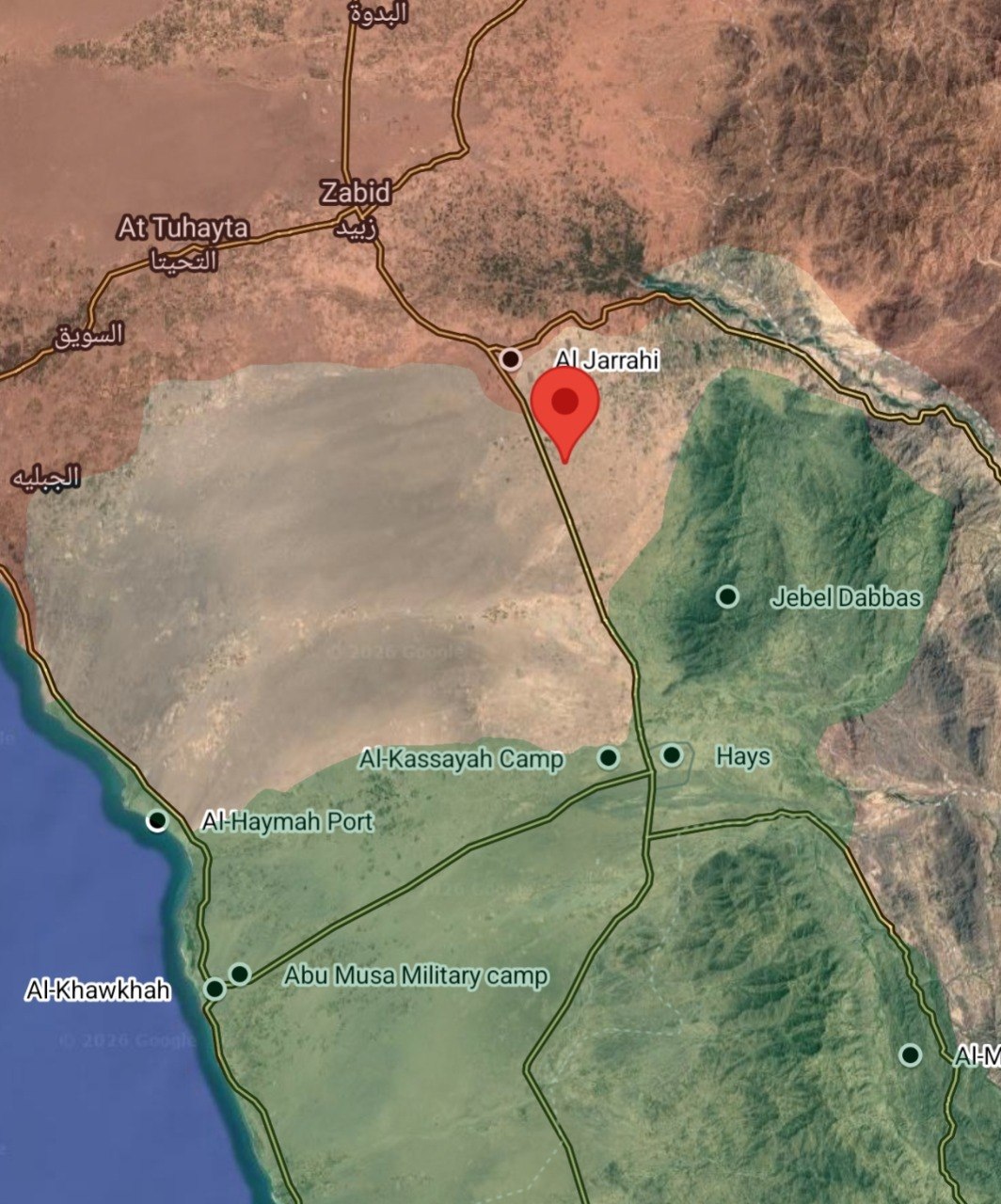
In Hajjah Governorate, PLC (Presidential Leadership Council) forces reportedly breached Ansarullah defensive lines in al‑Jarrahi at 16:40 UTC, leading to clashes in the city’s southern suburbs. The same source indicated that PLC units, including the National Resistance Forces and the Giant Brigades, captured the village of al‑Fish on the western outskirts of al‑Jarrahi at 14:42 UTC.
"PLC forces, in particular the National Resistance Forces and the Giant Brigades, have captured al-Fish, in the western outskirts of al-Jarrahi, from Ansarullah."
Further PLC advances were noted in the al‑Masbariya sector east of al‑Jarrahi at 14:45 UTC. Control of al‑Masbariya is strategically significant because it sits on the al‑Adini supply route, a lifeline linking PLC‑held areas to the southern stronghold of Ibb.
"PLC forces are launching large‑scale attacks to capture al-Masbariya, threatening the al‑Adini supply route."
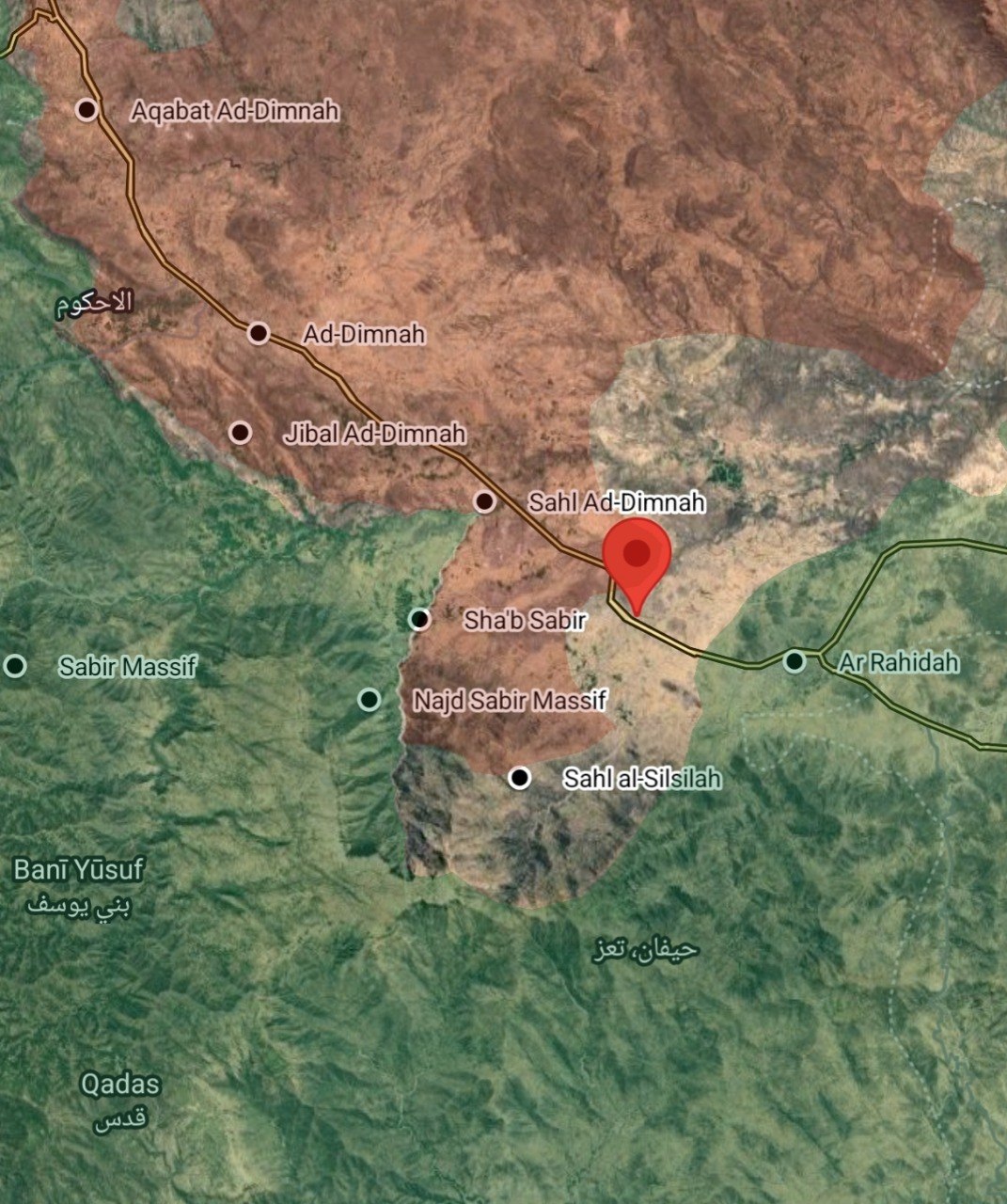
In the Hayfan district of southwest Yemen, PLC forces moved toward the Ansarullah‑held town of Ad Dimnah at 10:28 UTC, indicating a coordinated push from multiple axes aimed at weakening Houthi‑aligned positions in the region.
"PLC forces have also advanced in the Hayfan district, moving towards Ansarullah‑controlled Ad Dimnah."
Drone Interception Highlights Aerial Contest
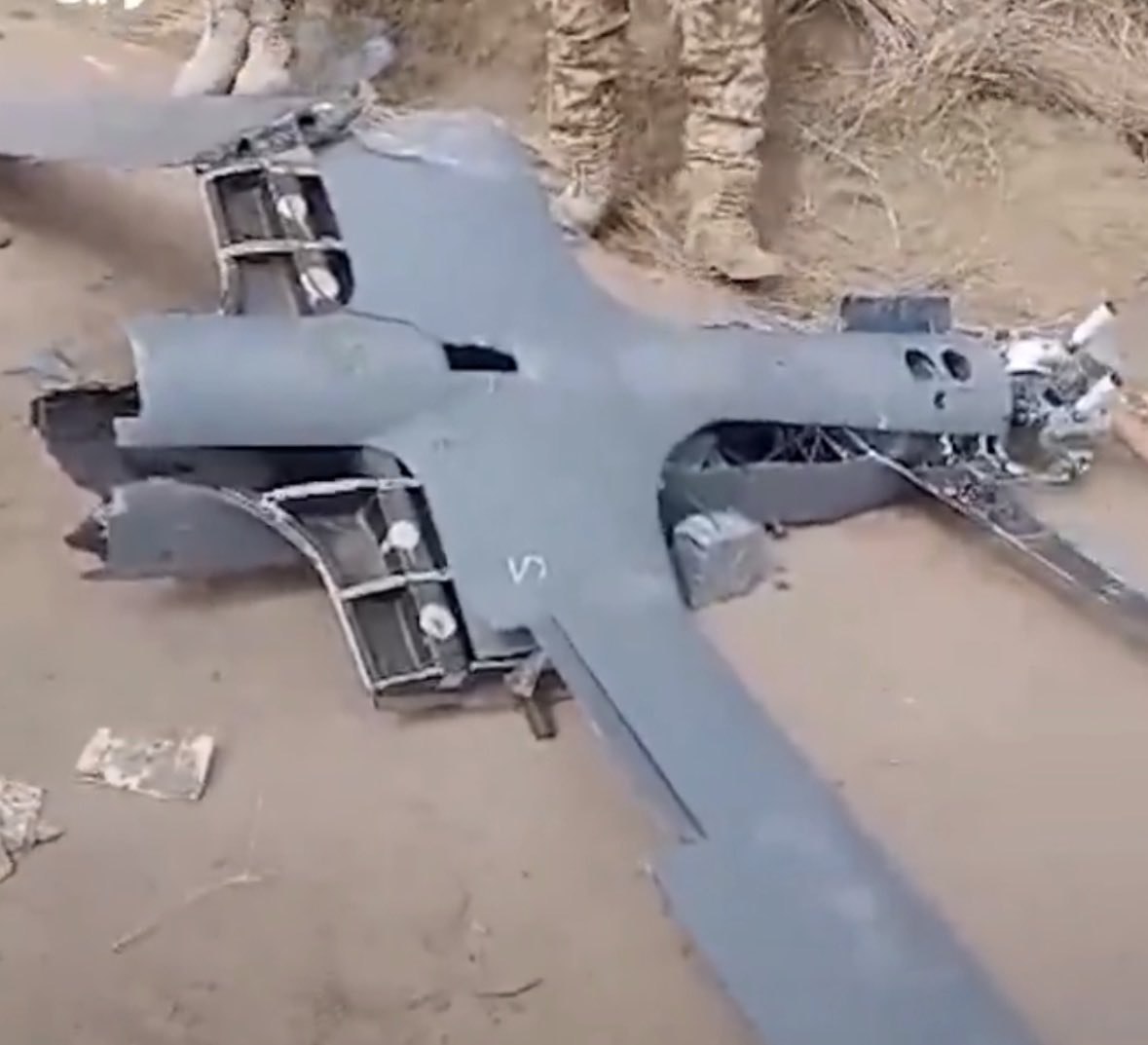
At 14:56 UTC, pro‑government forces shot down a Houthi Samad‑4 UAV, two first‑person‑view (FPV) drones, and a reconnaissance drone along Yemen’s western coast, as reported by monitor_the_situation. The interception demonstrates the increasing reliance on unmanned aerial systems by both sides and the growing capability of government forces to counter them.
"Pro‑government forces shot down a Houthi Samad‑4 UAV, two FPV drones, and a reconnaissance drone along Yemen's western coast fronts."
Analysis of the Day’s Kinetic Landscape
The concentration of high‑intensity kinetic events on 5 September reflects a decisive escalation in Yemen’s multi‑front war. The Bab al‑Mandab ground clash, with its unprecedented death toll, signals that both government and Houthi forces are willing to engage in large‑scale direct combat despite the risk of further destabilizing a critical maritime chokepoint. Simultaneous airstrikes, missile launches, and drone interceptions indicate that the conflict is no longer confined to traditional infantry engagements but now incorporates a full spectrum of modern warfare assets.
Saudi involvement remains pronounced, both in providing air support for government strikes and in conducting independent missile operations against Sana’a. The mixed success of these operations—effective airstrikes in Sanaa but a failed Storm Shadow raid on the airport runway—suggests variable operational effectiveness and possible constraints imposed by Yemeni air defenses.
On the ground, PLC forces are exploiting momentum gained from aerial support to press forward in the south‑west, targeting supply routes and high‑ground positions that could shift the balance of power in Ta’izz and Hajjah. Conversely, Ansarullah’s ballistic missile launch from Mocha demonstrates an ability to strike deep into coalition‑aligned territory, potentially deterring further advances.
Overall, the day's events illustrate a conflict that is intensifying across multiple domains—land, air, and sea—while remaining highly fragmented among a plethora of armed actors. The convergence of high‑casualty ground battles, coordinated air campaigns, and advanced missile and drone usage points to a protracted escalation that could have broader regional implications, especially concerning the security of the Bab al‑Mandab Strait.