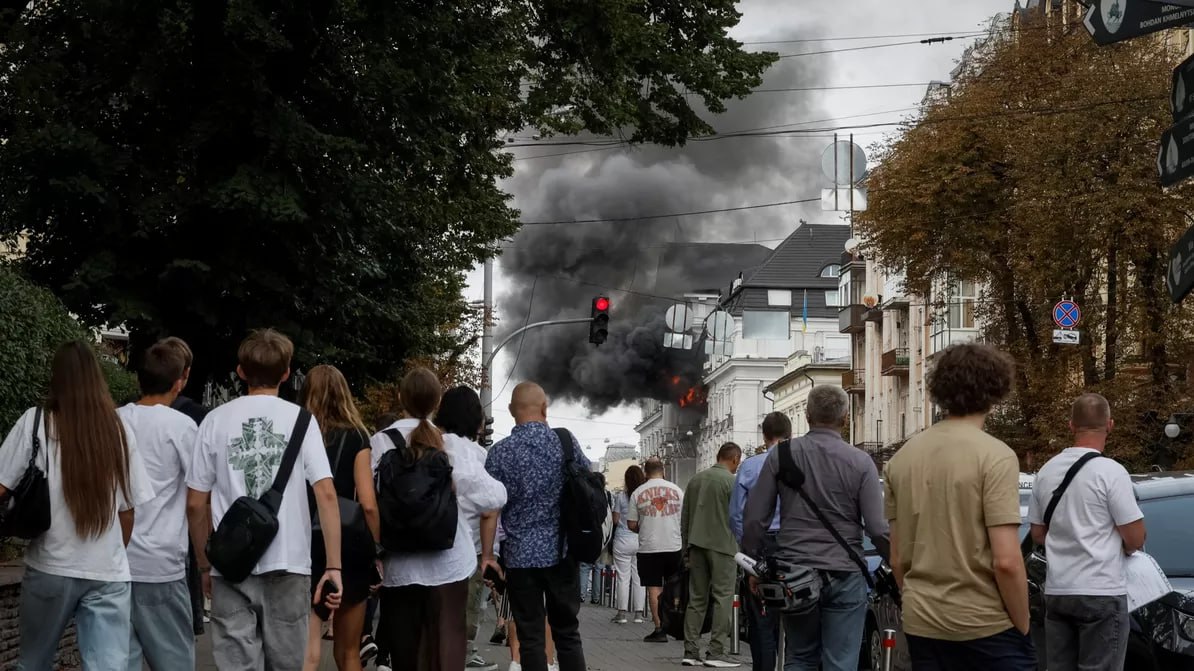
On 4 September 2026, a Russian unmanned aerial vehicle (UAV) struck the headquarters of Ukraine's domestic intelligence service in central Kyiv, wounding five personnel. The attack, reported by Al Jazeera and corroborated by the monitoring channel monitor_the_situation, marks the most severe kinetic event in Ukraine for the day and signals a renewed focus on high‑value government targets.
Critical UAV strike on Kyiv’s domestic intelligence headquarters
At approximately 16:03 UTC, a Russian‑manufactured drone penetrated the security perimeter of the Security Service of Ukraine (SBU) building on Volodymyrska Street, directly opposite St. Sophia Cathedral. The impact caused structural damage and resulted in five injuries, though no fatalities were reported. The weapon system employed was identified as a Russian‑produced UAV, though the specific model was not disclosed. The SBU, Ukraine’s primary internal security agency, confirmed the incident via a brief statement and urged citizens to remain vigilant.
"A hostile UAV targeted the SBU headquarters, striking the acting head’s office. This is the first such attack on the SBU compound since 2022," the report from rnintel noted.
Source: Al Jazeera video.
Follow‑up UAV attacks on security and air‑defence assets
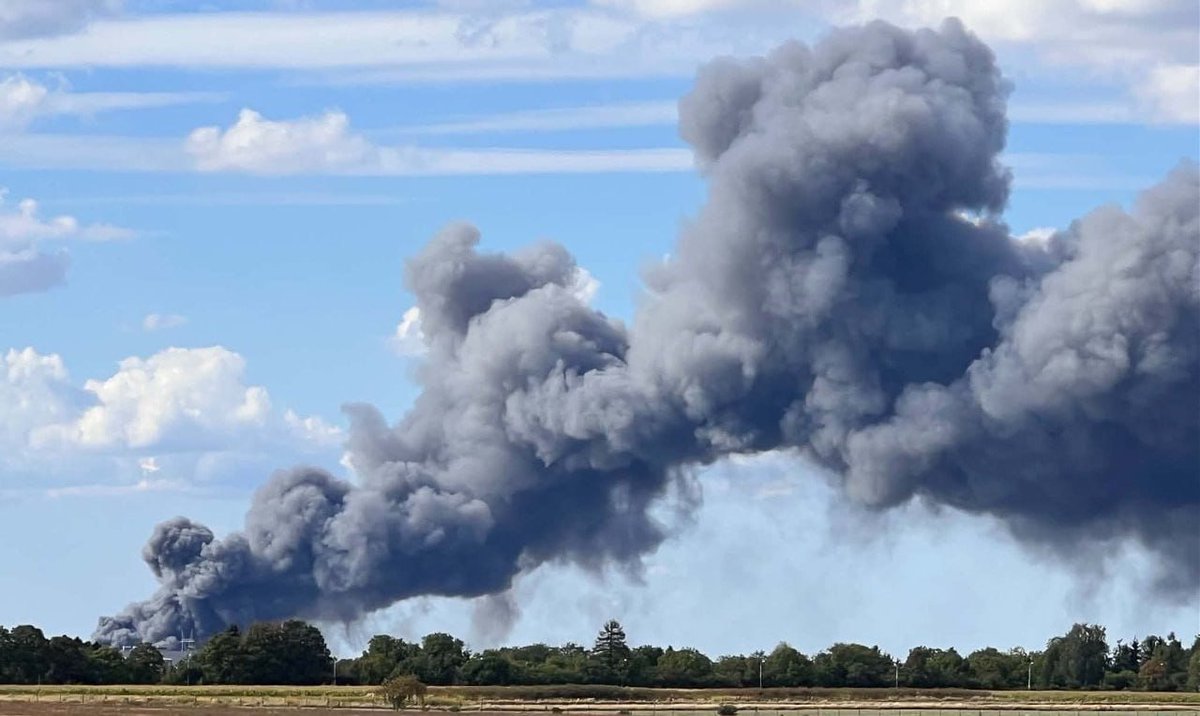
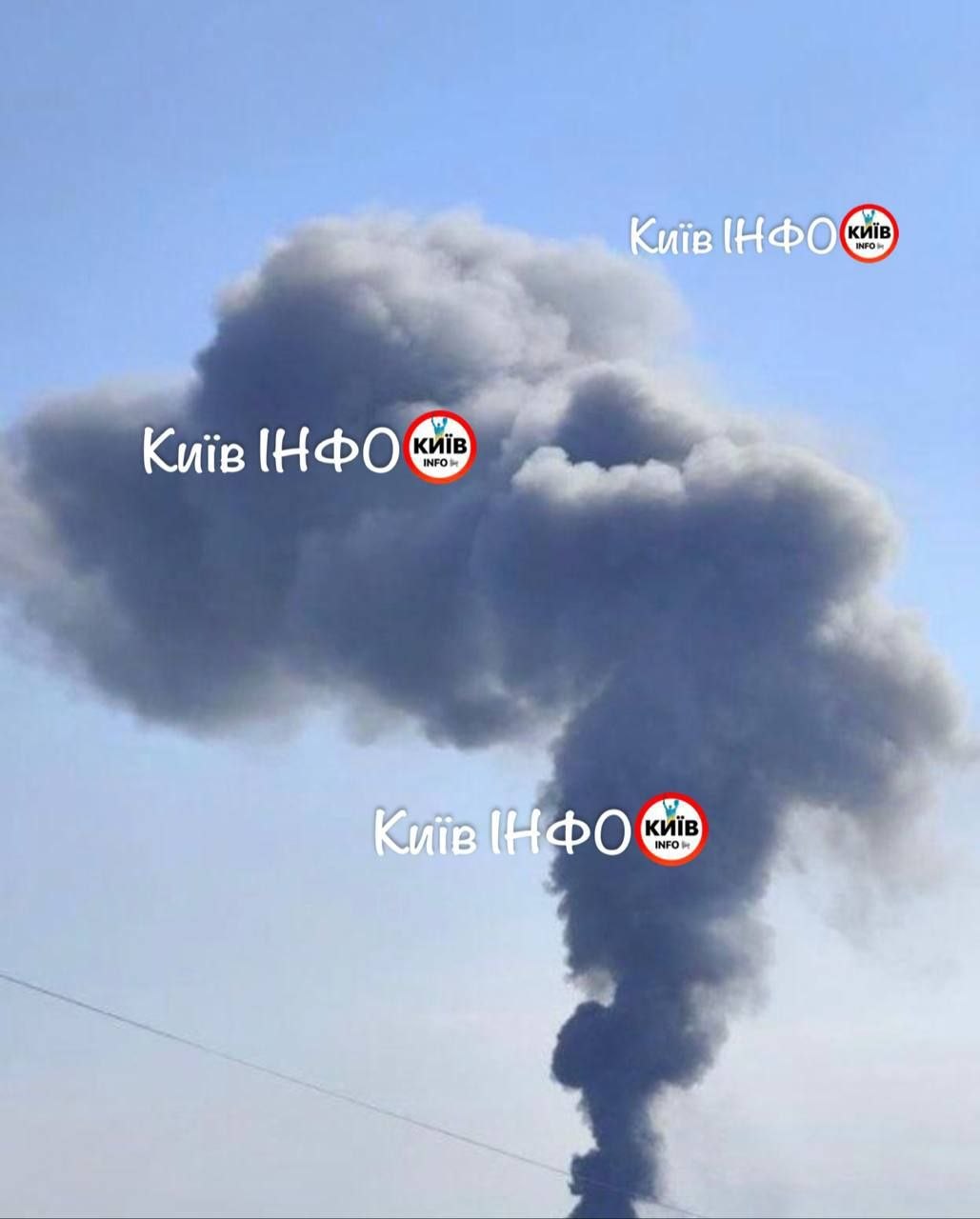
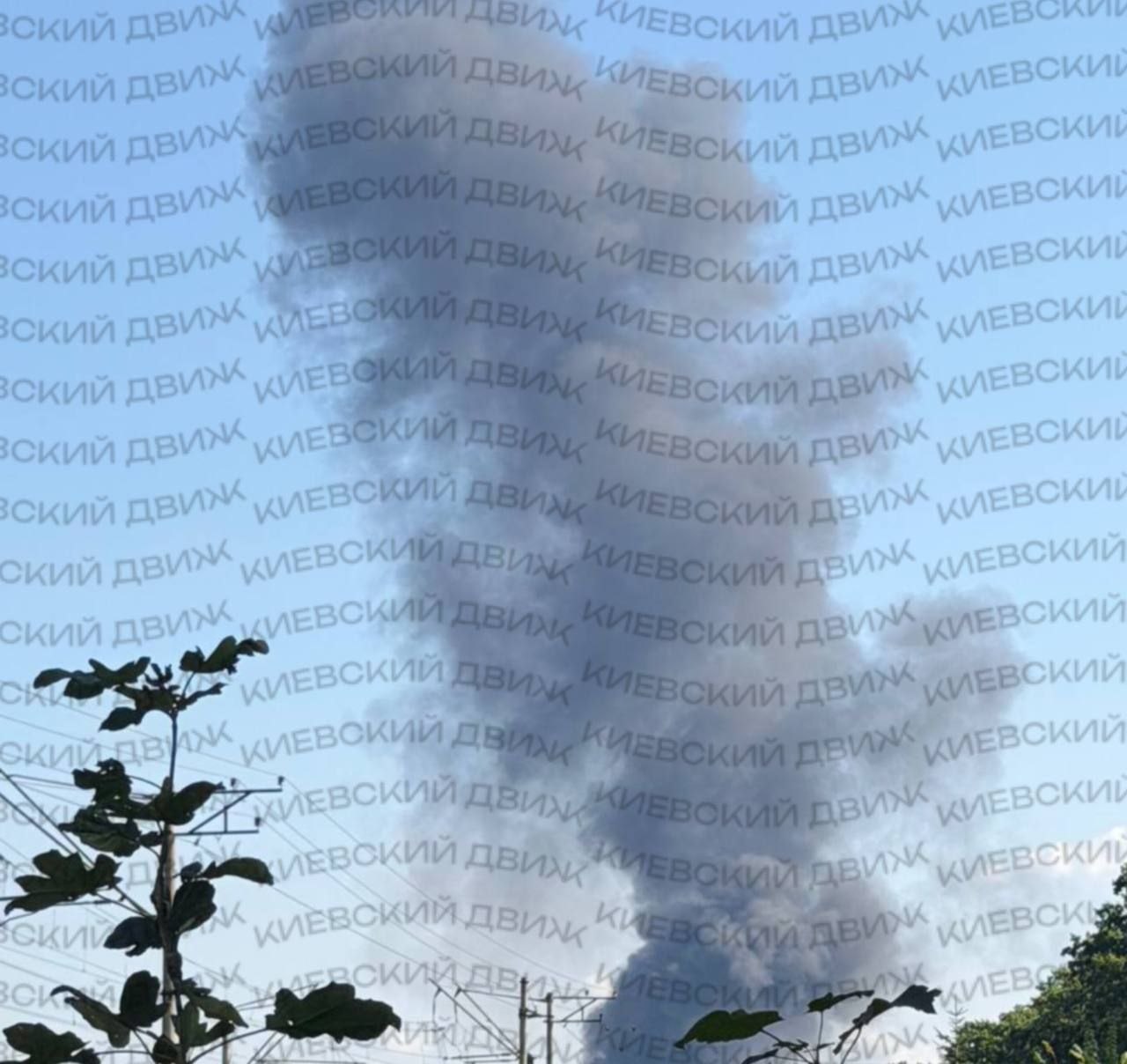
Within the same afternoon, additional Russian UAV operations targeted Ukrainian security infrastructure. At 12:56 UTC, Geran‑4 and Gerbera drones struck a 35D6 radar installation in Donetsk Oblast and a counter‑battery radar in Mykolaiv Oblast, degrading Ukraine’s air‑defence network. The attacks were documented by monitor_the_situation, which released video footage of the explosions and subsequent smoke plumes.
Later, at 17:58 UTC, a separate drone assault hit the SBU headquarters again, this time focusing on the office of the acting head. The incident, reported by rnintel, was the first direct strike on that specific office since the conflict began, suggesting a possible intelligence‑gathering motive.
These coordinated UAV strikes illustrate a pattern of targeting both command‑and‑control centres and the technical backbone of Ukraine’s air‑defence system, aiming to erode operational readiness.
Attempted assassination of Ukraine’s intelligence chief
Earlier in the day, at 13:41 UTC, Ukrainian authorities reported an attempted assassination of the head of Ukraine’s intelligence services. According to a statement relayed by monitor_the_situation, a drone attack was launched in central Kyiv, aiming at the senior official’s convoy. While the attack failed to cause casualties, it underscores the heightened risk to senior Ukrainian officials.
Source: monitor_the_situation.
Ground developments in Donetsk Oblast
In parallel with the aerial attacks, Russian ground forces announced the capture of Sviatohirsk in Donetsk Oblast at 15:05 UTC. The claim, disseminated by the Telegram channel CITeam_en, indicated that Russian troops had seized the town and were advancing towards Orikhiv, potentially encircling the city. No independent verification was available at the time of reporting, and casualty figures were not disclosed.
Source: monitor_the_situation.
Ukrainian kinetic actions beyond its borders
While the focus of this briefing is Ukraine‑centric kinetic activity, it is notable that Ukrainian forces conducted cross‑border strikes on Russian industrial facilities on the same day. At 14:41 UTC, Ukrainian missiles hit the Sterlitamak Petrochemical Plant in Bashkortostan, halting production of synthetic rubber and aviation gasoline. Additionally, at 07:23 UTC, Ukrainian drones targeted the Avangard defence plant and the same petrochemical complex, aiming to disrupt Russian defence manufacturing.
These operations, reported by monitor_the_situation, demonstrate Ukraine’s expanding strike capability, leveraging long‑range UAVs and missile systems to hit strategic assets deep within Russian territory.
Analysis of the evolving kinetic landscape
The concentration of UAV attacks on Kyiv’s intelligence and radar installations reflects a strategic shift by Russian forces toward precision, low‑cost kinetic tools. Drones such as the Geran‑4 and Gerbera, originally designed for reconnaissance, are being repurposed for kinetic strikes, allowing Russia to conduct repeated attacks with minimal risk to manned aircraft.
From the Ukrainian perspective, the response has been to harden critical infrastructure, increase electronic counter‑measures, and accelerate the deployment of short‑range air‑defence systems around key government sites. The reported degradation of radar capabilities, however, suggests that existing Ukrainian air‑defence layers remain vulnerable to swarms of low‑observable UAVs.
The ground claim of Sviatohirsk’s capture, if accurate, would represent a modest territorial gain for Russian forces in Donetsk, but it also indicates a continued emphasis on conventional maneuver warfare alongside the UAV campaign.
Ukrainian cross‑border strikes on Russian industrial sites serve a dual purpose: they impose economic costs on the Russian war machine and signal to domestic and international audiences that Ukraine retains the capacity to project force beyond its borders. The use of drones for these deep‑strike missions underscores the growing role of unmanned systems in modern conflict.
Implications for future operations
Given the pattern of attacks, Ukrainian authorities can anticipate further UAV incursions targeting command centres, intelligence facilities, and air‑defence nodes. Strengthening point‑defence systems, expanding electronic warfare capabilities, and improving rapid‑response protocols will be essential to mitigate the threat.
Conversely, Russia may increase the frequency of drone sorties, potentially integrating loitering munitions with greater payloads to achieve higher lethality. The ongoing Ukrainian strikes on Russian strategic assets suggest a tit‑for‑tat escalation that could broaden the geographic scope of kinetic engagements.
Overall, the events of 4 September 2026 illustrate a conflict increasingly defined by unmanned kinetic actions, with both sides leveraging drones for strategic effect while maintaining conventional ground operations in contested regions.