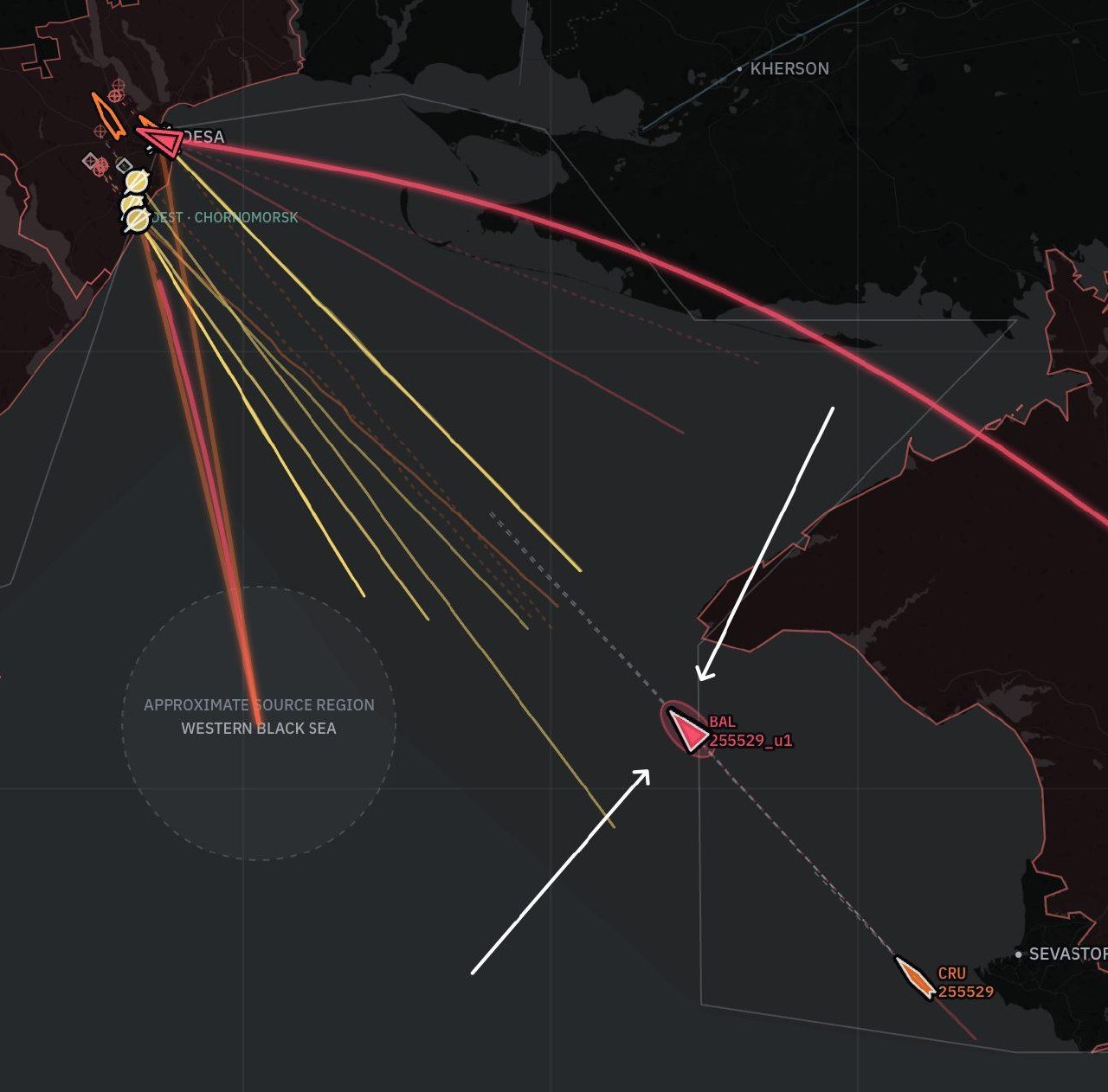
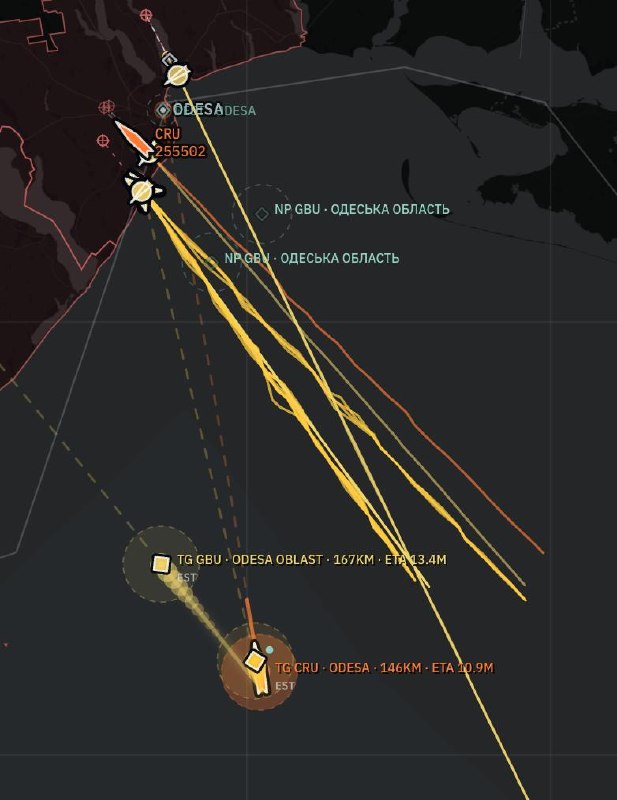
On 4 September 2026, Russian forces launched a series of high‑intensity attacks targeting critical Ukrainian maritime infrastructure and urban centers. The most consequential strike was directed at the Black Sea port of Chornomorsk in Odesa Oblast, where a mixed salvo of glide‑bombs, cruise missiles and anti‑radar weapons was employed. The operation, reported by the Telegram channel monitor_the_situation, demonstrates a clear escalation in the scale and complexity of Russian offensive capabilities.
Chornomorsk Port: Largest Missile and Glide‑Bomb Assault to Date
At 02:32:54 UTC, Russian forces unleashed ten glide‑bombs, seven S800 Banderol cruise missiles, a Kh‑31P anti‑radar missile and a Kh‑59/69 missile against the commercial facilities of Chornomorsk. According to the source, one KAB (air‑launched cruise missile) was intercepted by Ukrainian air defenses, but the remaining ordnance reached the target area. The attack aimed at disabling port handling equipment, storage warehouses and the adjacent rail link, thereby disrupting the flow of humanitarian aid and export commodities. No casualty figures were released, and damage assessments remain preliminary.
"Russia Launches Major Attack on Chornomorsk Port" – monitor_the_situation, 4 Sep 2026
The weapon mix reflects a layered approach: glide‑bombs provide precision over longer ranges, while the Banderol cruise missiles, equipped with anti‑ship capabilities, threaten both surface vessels and coastal installations. The inclusion of the Kh‑31P, designed to suppress radar and air‑defence systems, suggests an intent to degrade Ukrainian early‑warning networks ahead of the main strike.
Coordinated Air Raid on Odesa
Simultaneously, at 02:03:00 UTC, the Telegram channel GeoPWatch documented a large‑scale air raid on Odesa and the nearby Chornomorsk area. Russian aircraft deployed four KAB missiles, six Banderol cruise missiles and a single Kh‑31P missile en route to Odesa. The strike coincided with a separate ballistic missile launch toward the city at 02:09:52 UTC, also reported by GeoPWatch. Photographic evidence accompanying the reports shows missile trajectories and smoke plumes over the coastal skyline.
While Ukrainian air‑defence units engaged several inbound missiles, the reports do not confirm successful interceptions beyond the single KAB downed over Chornomorsk. The concentration of missile types underscores a strategy to overwhelm layered defence systems, combining high‑speed ballistic trajectories with slower, precision‑guided cruise missiles.
Drone and Rocket Activity in Central and Western Ukraine
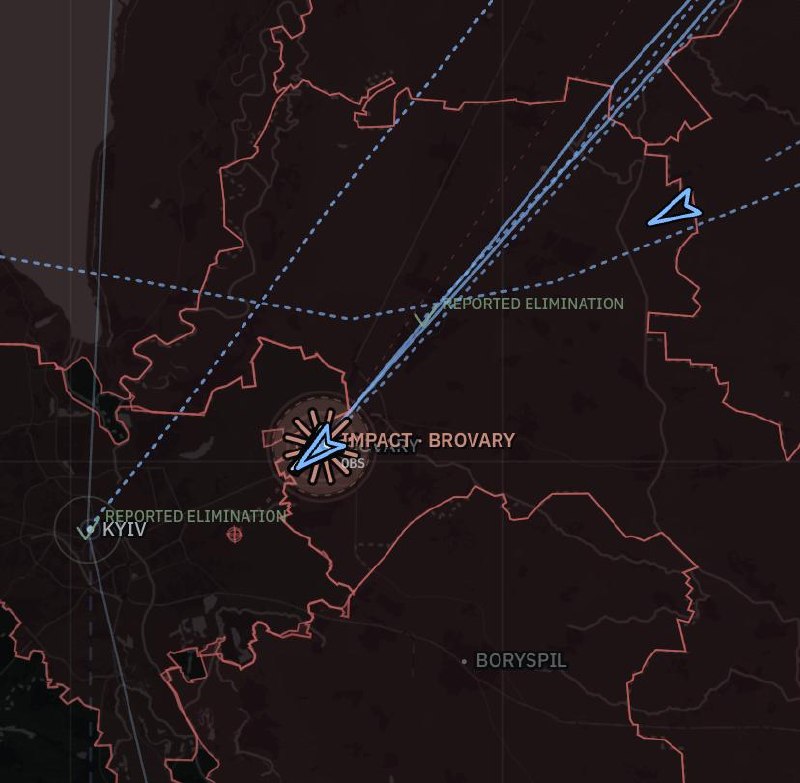
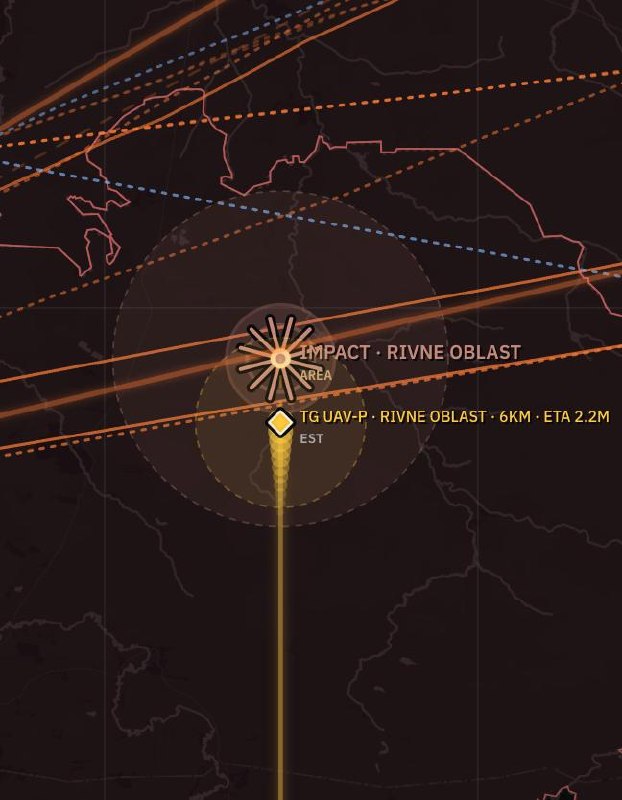
Beyond the southern coastal corridor, Russian unmanned aerial systems (UAS) and rocket artillery intensified operations across the country. At 02:08:27 UTC, GeoPWatch recorded Geran‑4 drones striking Kyiv and Rivne Oblast, with additional glide‑bomb launches detected toward Odesa. The same channel reported two photographic items illustrating drone impacts and interceptions.
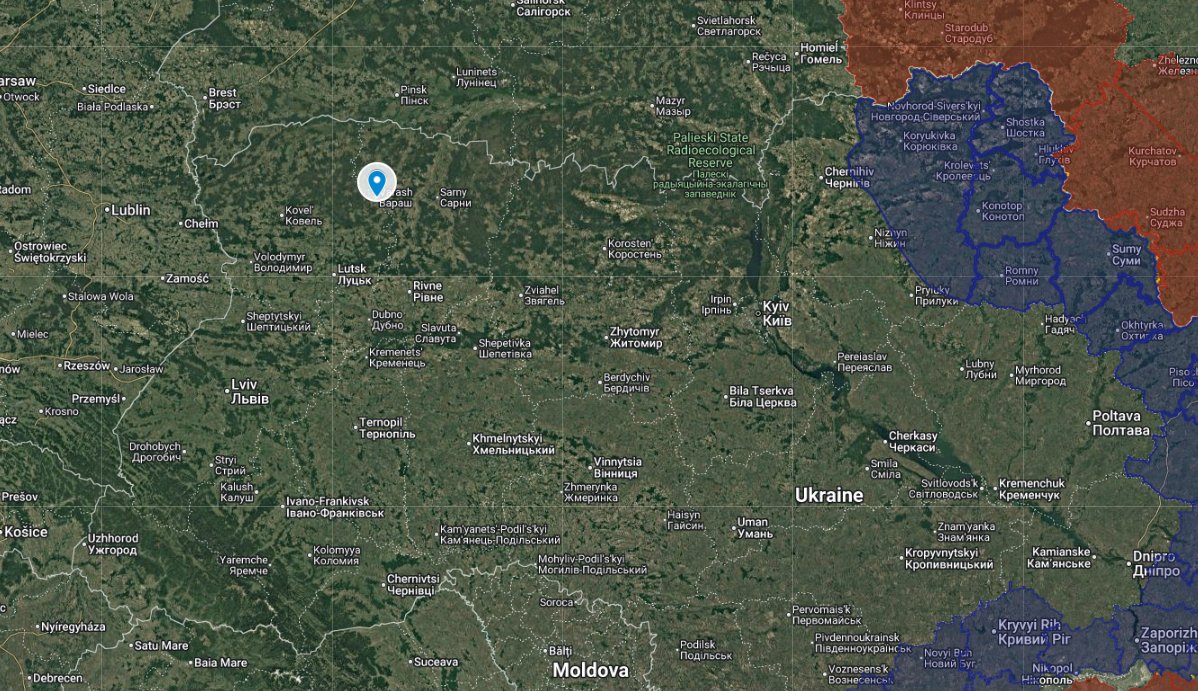
In Rivne Oblast, the Telegram channel monitor_the_situation confirmed a Geran‑4 drone strike on the city of Varash at 02:08:10 UTC, causing localized explosions. The drone attacks align with a broader pattern of Russian UAS deployment aimed at disrupting command‑and‑control nodes, logistics hubs and civilian infrastructure in western Ukraine.
At 04:02:00 UTC, the intelligence outlet intelslava reported a Tornado‑S multiple‑launch rocket system (MLRS) strike on a Ukrainian Armed Forces position. The Southern Group of Forces, a Russian formation operating in the Black Sea region, fired a salvo of rockets, though casualty numbers were not disclosed. Video evidence accompanying the report shows the launch sequence and impact area.
UAV Interceptions Near Moscow
In a notable development on the Russian side of the front, intelslava documented the downing of 35 Ukrainian fixed‑wing UAVs near Moscow since midnight, as of 04:09:18 UTC. The mass interception indicates a sustained Ukrainian effort to probe Russian airspace and gather intelligence, while also reflecting the heightened alert status of Russian air‑defence assets in the capital region.
Operational Analysis
The coordinated nature of the September 4 attacks suggests a multi‑theater offensive designed to achieve several objectives: (1) degrade Ukraine’s maritime export capacity and logistical corridors in the Black Sea; (2) test and strain Ukrainian integrated air‑defence systems with a heterogeneous missile mix; (3) extend the reach of Russian drone warfare into central and western Ukraine; and (4) demonstrate the capability to conduct deep‑strike operations against targets near Moscow.
From a tactical perspective, the use of glide‑bombs and Banderol cruise missiles in a single salvo maximises the probability of target penetration, as each weapon type exploits different radar and electronic‑countermeasure (ECM) vulnerabilities. The inclusion of the Kh‑31P anti‑radar missile further indicates an intent to suppress Ukrainian early‑warning radars, creating a temporary window for subsequent missile impacts.
Ukrainian defensive responses, as reported, have been partially effective. The interception of a KAB over Chornomorsk and the downing of numerous UAVs near Moscow demonstrate functional air‑defence layers, yet the overall success rate remains limited given the volume and diversity of incoming threats.
Implications for Regional Security
The escalation of missile and drone attacks on critical infrastructure raises the risk of broader maritime disruption in the Black Sea, potentially affecting international grain shipments and energy exports. Moreover, the sustained pressure on Odesa—a major port and logistical hub—could compel Ukrainian authorities to reallocate air‑defence assets from other fronts, thereby altering the operational balance elsewhere.
Continued monitoring of Russian sortie patterns, weapon system deployments and Ukrainian interception rates will be essential for assessing the trajectory of the conflict and forecasting potential escalation points.
All events referenced are sourced from open‑source Telegram channels: monitor_the_situation, GeoPWatch, and intelslava, with URLs provided in the original event feed.