On September 4, 2026, Yemen’s most critical maritime chokepoint, the Bab al‑Mandeb Strait, became the focal point of a deadly ground offensive by Iran‑backed Houthi forces. According to Al Jazeera, the assault resulted in at least 100 fatalities as government troops attempted to halt the advance. The fighting marks the latest escalation in a conflict that has already displaced thousands and threatened key Red Sea supply routes.
Bab al‑Mandeb Ground Offensive
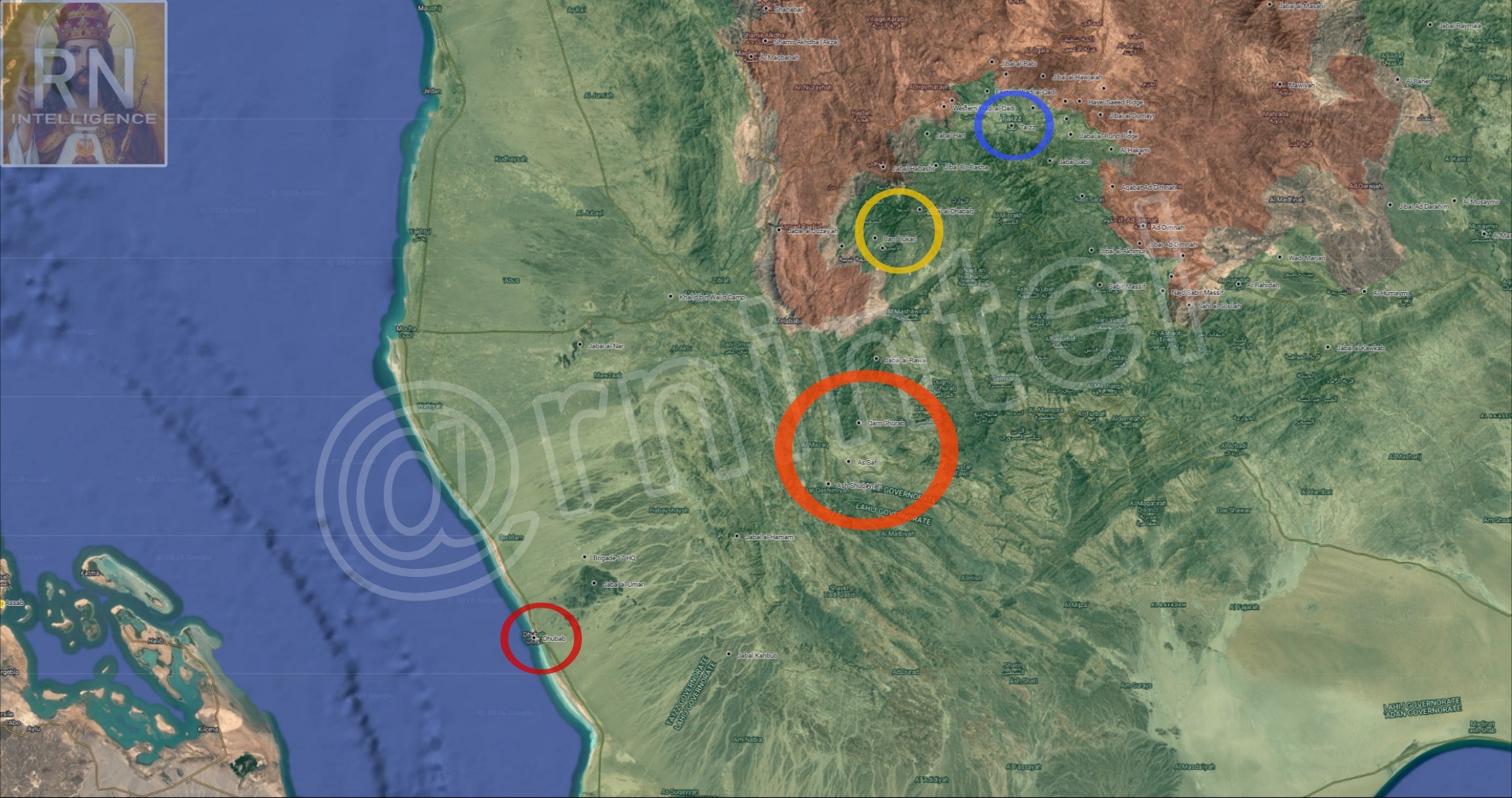
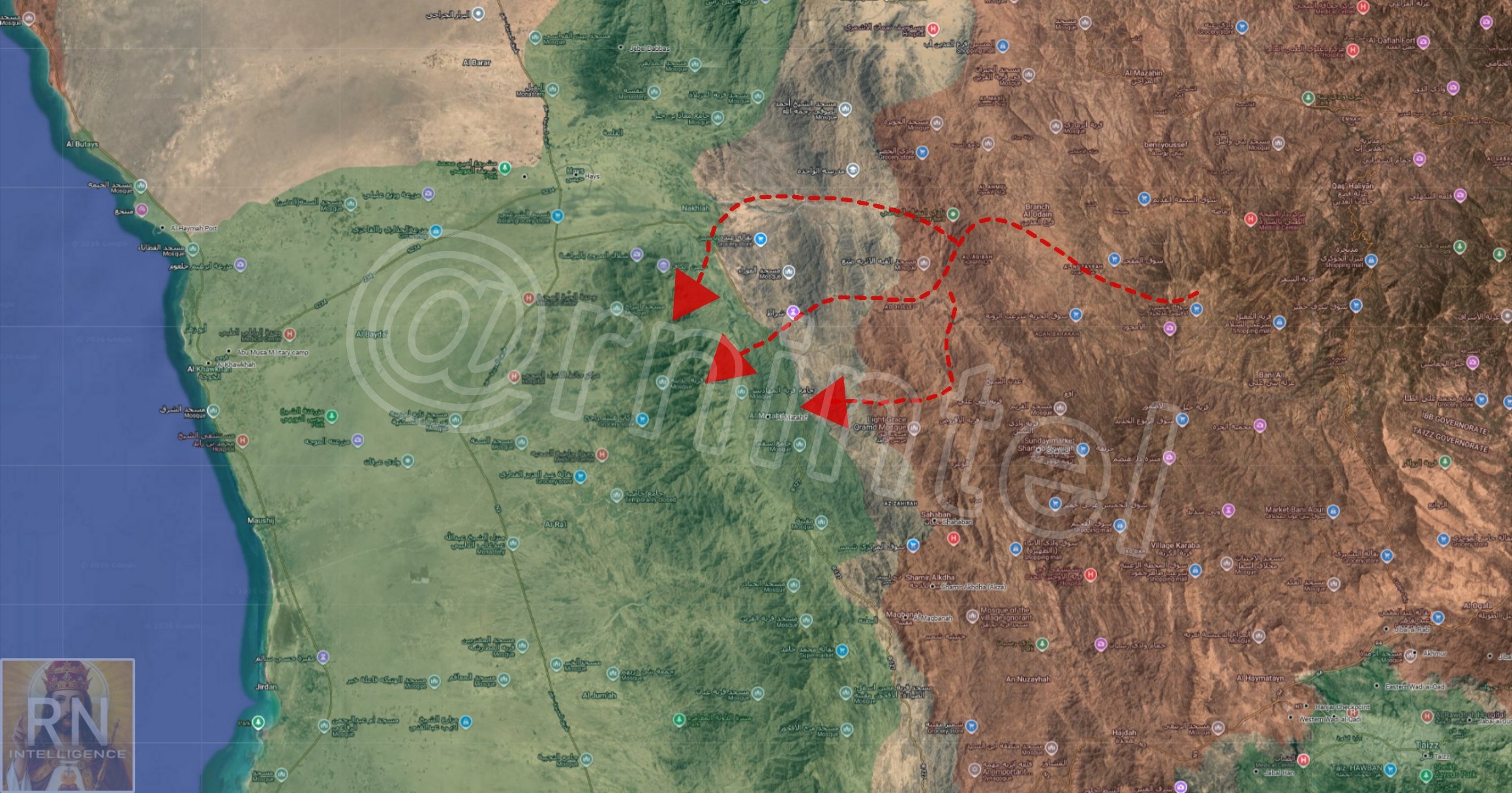
The Houthi push began in the early afternoon, with combat units moving from the interior toward the coastal highlands that overlook the strait. Yemeni government forces, supported by the Presidential Leadership Council (PLC) and allied militias, engaged the rebels in a series of close‑quarter battles. Casualty figures reported by Al Jazeera exceed 100 dead, though a breakdown of combatant versus civilian losses has not been released. No specific weapon systems were identified in the initial report, but the intensity of the engagement suggests the use of small arms, mortars, and possibly anti‑armor rockets.
"At least 100 killed as Yemen’s Houthis push towards key strait," Al Jazeera, 2026‑09‑04, source
The Bab al‑Mandeb corridor is vital for global oil shipments and humanitarian aid. Control of the surrounding high ground would enable the Houthis to threaten shipping lanes, potentially prompting international naval responses. The PLC has called for urgent reinforcement of the area, but logistical constraints and ongoing battles on multiple fronts limit rapid redeployment.
Urban Rocket Attack in Sanaa
Earlier in the day, a Houthi‑launched rocket struck a civilian restaurant in the capital, Sanaa, killing several patrons and injuring dozens more. State‑run Yemeni media confirmed the attack, which was documented in a video circulated by the Telegram channel monitor_the_situation. While the exact weapon type was not disclosed, the incident underscores the Houthis’ continued use of unguided rockets in densely populated areas, raising concerns about violations of international humanitarian law.
"Houthi Strike on Yemeni Restaurant Kills Civilians," monitor_the_situation, 2026‑09‑04, source
The attack adds to a pattern of urban strikes that have increased the civilian toll in the capital, where government control remains fragmented.
Ansarullah Ballistic Missiles Near Al‑Khawkhah
In the southwest, the Houthi‑aligned Ansarullah militia launched two ballistic missiles toward positions just south of al‑Khawkhah in Hajjah Governorate. The missiles, identified as short‑range ballistic projectiles, struck PLC‑aligned outposts, causing material damage but no confirmed casualties. The strike, reported by the Telegram channel rnintel, demonstrates the militia’s expanding missile capability and its willingness to target government positions beyond the immediate front lines.
"Two Ansarullah ballistic missiles hit positions just south of al‑Khawkhah," rnintel, 2026‑09‑04, source
Ballistic missile use in Yemen remains limited, making each deployment a notable escalation in firepower.
Ta'izz Front: Failed Ansarullah Offensive
From 11:42 to 14:08 GMT, the PLC and its allied forces repelled a sustained 24‑hour offensive by Ansarullah in the Ta'izz region. The rebel group initially captured several strategic points on the Bani Bakari Heights, overlooking al‑Qash‘ah and Jabal Nu'man. However, PLC forces, including the Giant Brigades and Homeland Shield Forces, launched a counter‑attack that reclaimed the heights and surrounding positions.
Both the CIG_telegram and rnintel channels posted near‑identical updates, confirming the failure of the offensive and highlighting the intense, attritional nature of the fighting. No casualty figures were released, but the prolonged engagement—over 40 hours across the Hays and Ta'izz fronts—suggests significant personnel losses on both sides.
"After nearly 24 hours of fighting, Ansarullah's offensive along the Ta'izz axis appears to have failed," rnintel, 2026‑09‑04, source
The battle for the Bani Bakari Heights remains strategically important because control of the high ground dictates movement along the main supply route linking the interior to the Red Sea coast.
Escalating Houthi Activity in Taiz City
Concurrent with the front‑line battles, Houthi forces intensified artillery and small‑arms attacks on Taiz city, prompting a new wave of civilian displacement. Al Jazeera reported that thousands of residents fled neighborhoods near the main highway to the Red Sea, fearing further clashes that could sever critical road links.
"Houthi attacks on Yemen’s Taiz escalate, triggering new displacement wave," Al Jazeera, 2026‑09‑04, source
The city, already a flashpoint for proxy warfare, now faces compounded humanitarian pressures as supply routes become contested and aid deliveries are delayed.
Analysis of Kinetic Trends
The events of September 4 illustrate a multi‑dimensional escalation in Yemen’s kinetic conflict. Ground movements around Bab al‑Mandeb and Ta'izz demonstrate that both the Houthis and their allied militias are capable of coordinated, large‑scale offensives. The use of ballistic missiles by Ansarullah indicates a diversification of weaponry that could increase the lethality of future engagements.
Urban rocket strikes in Sanaa and intensified artillery in Taiz highlight a persistent threat to civilian populations, raising the risk of broader humanitarian crises. The concentration of fighting near the Bab al‑Mandeb Strait also carries strategic implications for international shipping and may invite external naval monitoring or intervention.