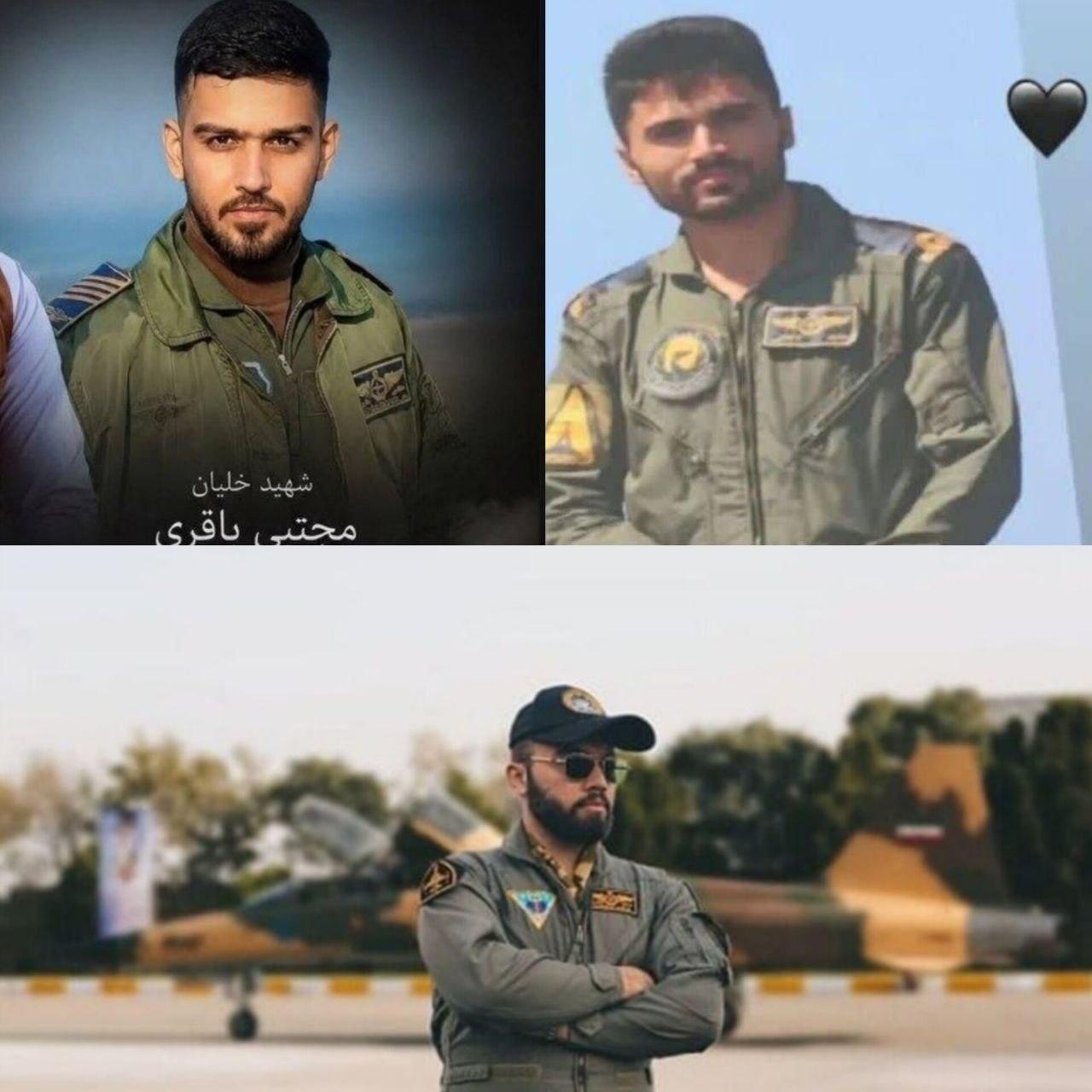
The most consequential development on 3 September 2026 was a reported U.S. airstrike that killed three Iranian pilots, a claim made by Tehran’s state‑linked outlet BellumActaNews. The incident, described as occurring two nights earlier, underscores the heightened risk of direct kinetic exchange between the United States and Iran, even as other regional actors pursued separate offensive and defensive actions across the broader Middle East and adjacent theatres.
U.S. Airstrike Resulting in Iranian Pilot Fatalities
According to BellumActaNews, the United States conducted air operations that resulted in the deaths of three Iranian aviators: Mojtaba Bagheri and Hamed Okati of the Iranian Navy aviation branch, and Hossein Mahdavian of the Iranian Air Force. The report lists the casualties as the only confirmed loss, with no additional material damage reported. The source did not disclose the specific weapon system employed, noting “Weapons: none,” which suggests the focus of the report was on personnel loss rather than ordnance details. The incident was posted on the Telegram channel at https://t.me/BellumActaNews/176872 and included a single photographic item.
"Iran confirms 3 pilots killed in U.S. strikes two nights ago: Mojtaba Bagheri and Hamed Okati (Navy aviation), Hossein Mahdavian (Air Force)." – BellumActaNews
The lack of a disclosed location, combined with the absence of weapon specifics, limits independent verification, but the claim aligns with a pattern of reciprocal accusations that have characterized U.S.–Iran interactions since 2023. The incident raises the probability of retaliatory measures, whether kinetic or asymmetric, and may influence diplomatic calculations in ongoing nuclear negotiations.
Russian UAV Assault on Cargo Vehicles
At 15:59 UTC, the intelligence outlet intelslava reported that Russia’s 50th Separate Unmanned Systems Brigade “Varyag” deployed unmanned aerial vehicles against cargo convoys. The brigade, part of Russia’s broader unmanned systems force, targeted logistics assets believed to be supporting Ukrainian operations. The report did not specify casualty figures or material loss, but the use of UAVs indicates a continued emphasis on remote strike capability in the Russia‑Ukraine conflict. The original post, which included a document attachment, can be accessed at https://t.me/intelslava/93871.
Failed One‑Way Drone Attack on Libyan Oil Facility
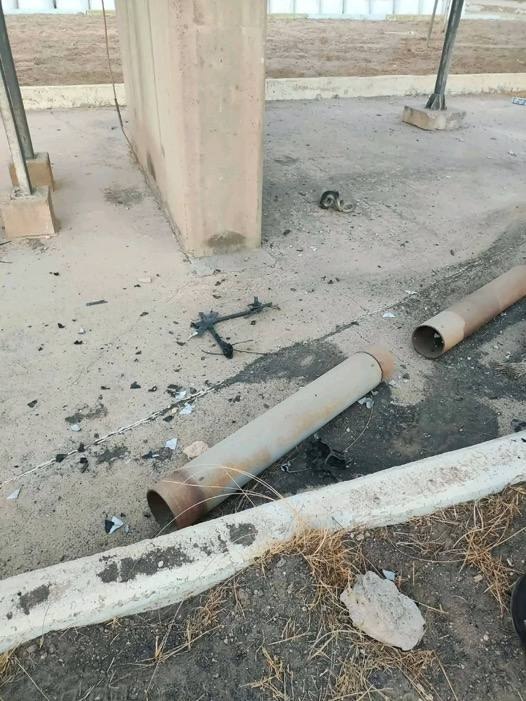
In western Libya, a one‑way drone launched by an unidentified actor attempted to strike a Government of National Unity (GNU)‑controlled oil processing site in Tripoli. The drone missed its target and crashed near Tripoli International Airport. The incident, reported by rnintel at 14:24 UTC, highlights the proliferation of low‑cost, expendable drones in the North African theatre. No casualties were reported, and the facility remained operational. The source included a photograph of the crashed drone and can be reviewed at https://t.me/rnintel/66043.
Russian Mi‑28 Intercepts Ukrainian Drone
At 12:13 UTC, intelslava posted video footage showing a Russian Aerospace Forces (VKS) Mi‑28 attack helicopter engaging and destroying a Ukrainian‑operated UAV. The engagement demonstrates the continued contest for airspace over contested front‑line zones, with both sides employing a mix of manned and unmanned platforms. The footage, labeled with national flags and an electric‑bolt emoji, underscores the symbolic nature of the encounter. No further details on the UAV’s payload or mission were provided. The video is available via https://t.me/intelslava/93860.
Saudi Oil Tankers Reroute Around Africa
Six Saudi‑owned oil tankers—SALAM, HAZM, LAYNAH, DILAM, BURQAN, and GHINAH—began a trans‑African voyage through the Mozambique Channel to avoid the Yemeni naval blockade in the Gulf of Aden. The decision, reported by monitor_the_situation at 11:11 UTC, reflects the broader impact of Yemen’s Houthi‑led maritime restrictions on global energy logistics. The vessels, returning from East Asia, opted for the longer route to ensure cargo safety and maintain supply continuity to international markets. No incidents were reported during the reroute. Full details are posted at https://t.me/monitor_the_situation/29265.
IRGC Rocket Strikes on Kuwait and UAE Military Sites
Iran’s Islamic Revolutionary Guard Corps (IRGC) announced at 09:09 UTC that it launched rocket attacks against military installations in Kuwait and the United Arab Emirates. The claim, disseminated by rnintel, did not include casualty figures or damage assessments, and the specific rocket types were not identified. The statement aligns with Tehran’s stated policy of responding to perceived regional threats, and it may be interpreted as a signal to Gulf Cooperation Council (GCC) members amid ongoing tensions over Iran’s missile program. The source can be consulted at https://t.me/rnintel/66039.
Collectively, these events illustrate a multi‑layered kinetic environment in which state and non‑state actors employ a spectrum of weapons—from high‑technology air platforms to low‑cost drones—to achieve strategic objectives. While the U.S.–Iran pilot fatalities represent the most severe personnel loss, the concurrent UAV operations, naval maneuvering, and rocket launches demonstrate the persistent volatility across the region’s land, air, and maritime domains.