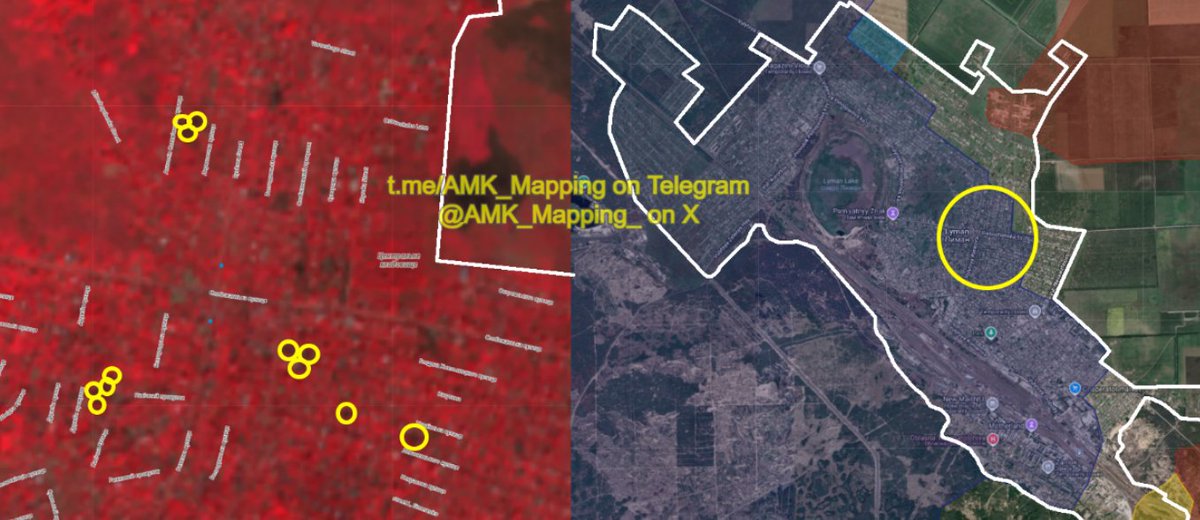
On 3 September 2026, satellite imagery confirmed a concentrated Russian glide‑bomb attack on Lyman in Donetsk Oblast, producing at least twelve distinct craters and reaffirming Ukrainian control of the eastern sector despite Moscow’s claims. The strike, executed with KAB glide bombs, represents the most significant kinetic event recorded today and highlights the continued use of precision‑guided munitions in the protracted conflict.
Airstrike on Lyman: Tactical Impact and Evidence
Between 30 August and 2 September, Russian forces deployed KAB glide bombs against targets in Lyman, creating a pattern of twelve craters documented by open‑source satellite analysis. No civilian casualties were reported in the immediate aftermath, and Ukrainian defensive positions remained intact, indicating that the bombardment was likely aimed at degrading logistical nodes rather than massed troop formations. The monitor_the_situation channel provided the primary visual evidence, posting a series of photographs that illustrate the crater field and confirm the weapon type.
🟠 Russian Glide Bombs Hit Lyman, Ukraine Holds East – Satellite imagery shows at least 12 craters from Russian KAB glide‑bomb strikes on Lyman, Donetsk Oblast, between Aug 30 and Sep 2, confirming continued Ukrainian control over the eastern part despite Russian claims. (Source: https://t.me/monitor_the_situation/29229)
The deployment of glide‑bombs, which combine aerodynamic lift with a conventional warhead, reflects a shift toward stand‑off weapons that can be launched from beyond the range of most short‑range air defenses. This development may compel Ukrainian forces to adjust their air‑defence posture, allocating additional resources to radar and interceptor coverage in the Donetsk sector.
Ukrainian Drone Activity Over Kyiv
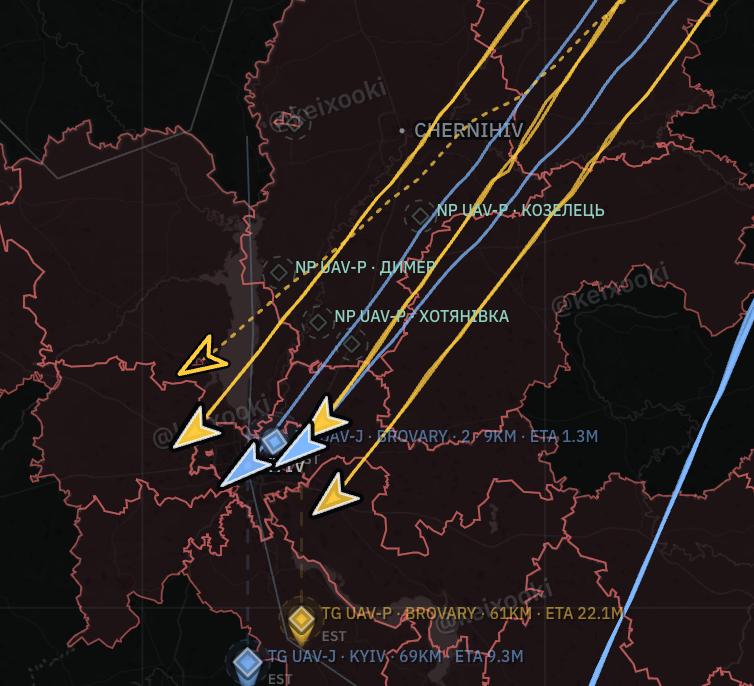
At 02:34 UTC, the GeoPWatch channel reported multiple Russian unmanned aerial vehicles (UAVs) approaching Kyiv. Both jet‑powered and piston‑powered drones were observed, prompting Ukrainian air‑defence units to engage. Interceptions were confirmed, though the exact number of drones shot down was not disclosed. No damage or casualties were reported within the capital.
Multiple Russian jet powered and piston powered drones are currently flying towards Kyiv. Interceptions have been reported. (Source: https://t.me/GeoPWatch/39443)
The mixed composition of the UAV swarm suggests a layered approach by Russian forces, employing high‑speed jet drones for rapid penetration and slower piston‑driven platforms for loitering and surveillance. Ukrainian response indicates a functional, albeit strained, integrated air‑defence system capable of handling heterogeneous threats.
Ukrainian Drone Boat Strikes Gelendzhik
In a novel maritime operation, a Ukrainian uncrewed surface vessel launched multiple multiple‑launch rocket system (MLRS) rockets at the Russian Black Sea resort city of Gelendzhik at 01:10 UTC. The attack, documented by monitor_the_situation, marks the first known use of a drone boat to deliver MLRS fire against a coastal target. Video footage shows the vessel approaching the shoreline before firing a salvo that impacted the urban area.
Ukrainian Drone Boat Fires Rockets at Gelendzhik – A Ukrainian uncrewed surface vessel launched MLRS rockets at Gelendzhik, Krasnodar Krai, Russia from the eastern Black Sea, marking the first known use of a drone boat for such an attack. (Source: https://t.me/monitor_the_situation/29224)
While Russian authorities have not released casualty figures, local reports indicate minor property damage and no reported injuries. The incident demonstrates Ukraine’s expanding asymmetric capabilities, leveraging autonomous platforms to strike beyond its traditional land‑based front lines.
Ukrainian Drone Raid Over Moscow
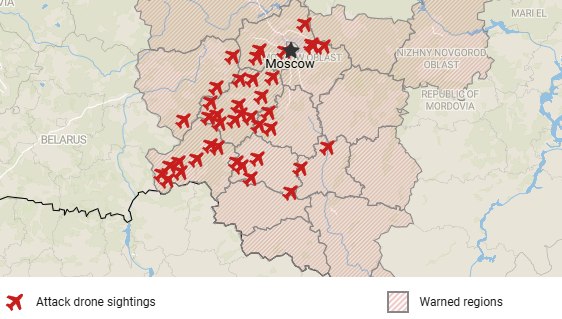
At 00:16 UTC, a Ukrainian‑operated drone penetrated Russian airspace and conducted a raid over Moscow, temporarily disrupting flight operations at the capital’s airports. The raid, reported by monitor_the_situation, involved a single UAV that was observed over the city before being neutralised by Russian air‑defence assets.
Ukrainian Drone Raid Disrupts Moscow Flights – Ukrainian forces launch a drone raid into Moscow, disrupting Russian flight operations in the capital. (Source: https://t.me/monitor_the_situation/29221)
Although the incursion did not result in physical damage, the psychological impact of a hostile UAV reaching the heart of Russia underscores the increasing reach of Ukrainian reconnaissance and strike capabilities. It also raises concerns about air‑space security protocols on both sides of the conflict.
Analytical Overview
The events of 3 September illustrate a multi‑domain escalation, with Russian forces employing glide‑bombs to reinforce pressure on contested eastern territories, while Ukrainian forces respond with a diversified set of unmanned platforms targeting strategic Russian locations on land, sea, and air. The convergence of these actions suggests a deliberate intensification of kinetic exchanges, potentially aimed at testing each side’s defensive resilience and signaling resolve.
Key observations include:
- Russia’s continued reliance on precision glide‑bombs to strike fortified positions without exposing aircraft to dense air‑defence zones.
- Ukraine’s expanding UAV portfolio, encompassing high‑speed jet drones, low‑speed piston drones, and maritime drone boats capable of delivering rocket fire.
- The strategic value of high‑visibility attacks on Russian urban centers, which serve both operational and propaganda purposes.
Both parties appear to be calibrating their force postures in anticipation of forthcoming operational cycles, with air‑defence readiness and autonomous weapon systems emerging as critical determinants of future engagements.