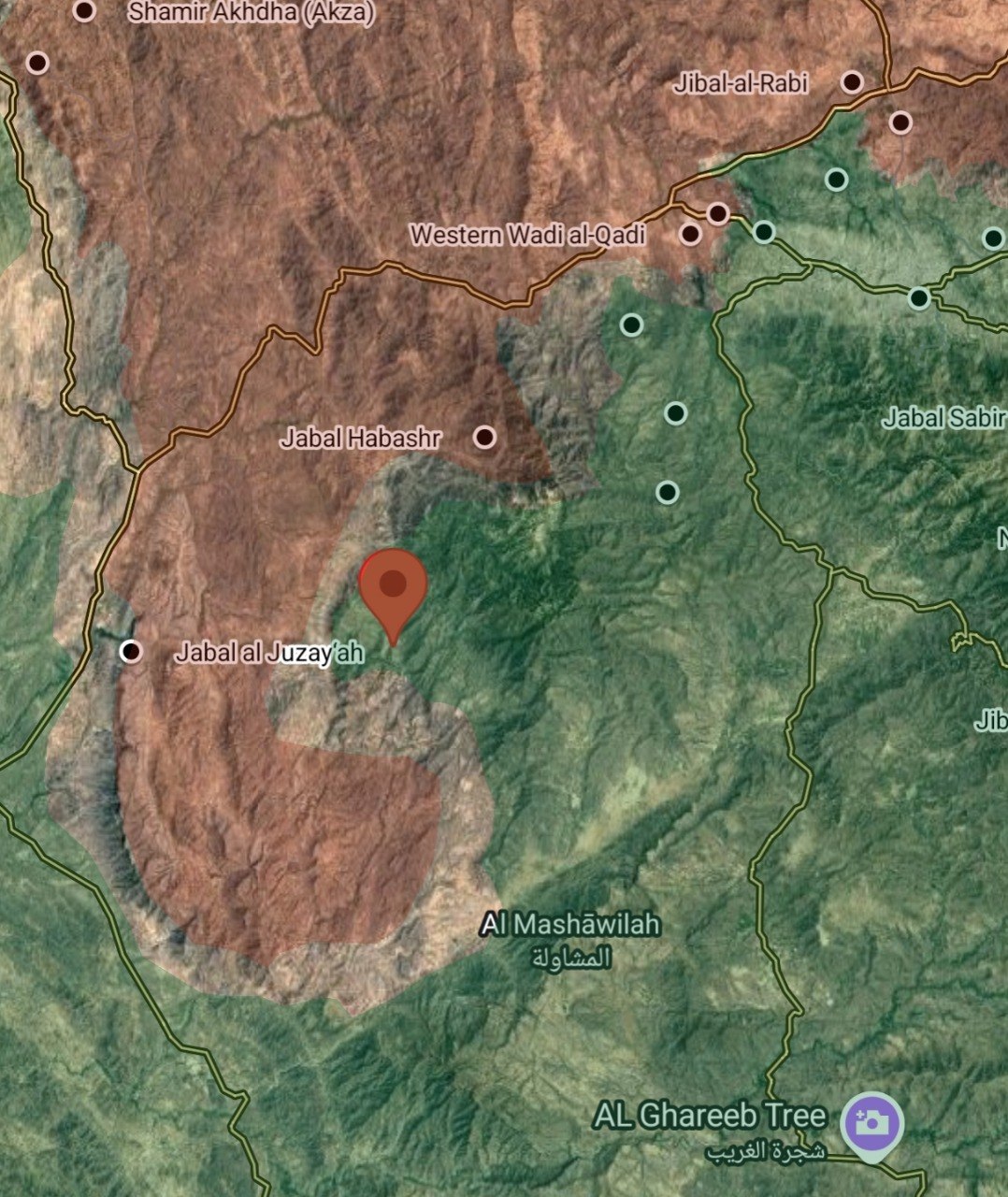
On September 3, 2026, Ansarullah forces seized the high ground west of the Bani Bakari area in Ta’izz Governorate, forcing the Tareq Salah brigades to withdraw after a brief but decisive engagement. The capture, reported by rnintel, marks a notable shift in control of the western approaches to Ta’izz, a city that has long served as a logistical hub for both the Presidential Leadership Council (PLC) and Houthi‑aligned factions.
Bani Bakari Heights Capture
According to a telegram post from rnintel (source https://t.me/rnintel/66048), Ansarullah “captured the heights west the Bani Bakari areas, Ta'izz direction, southwest Yemen” and the Tareq Salah brigades “retreated from the area.” No casualties were reported in the brief, and the engagement involved no heavy weapons, indicating a rapid infantry maneuver that leveraged terrain advantage.
Potential Breach of PLC Defensive Line in Hays
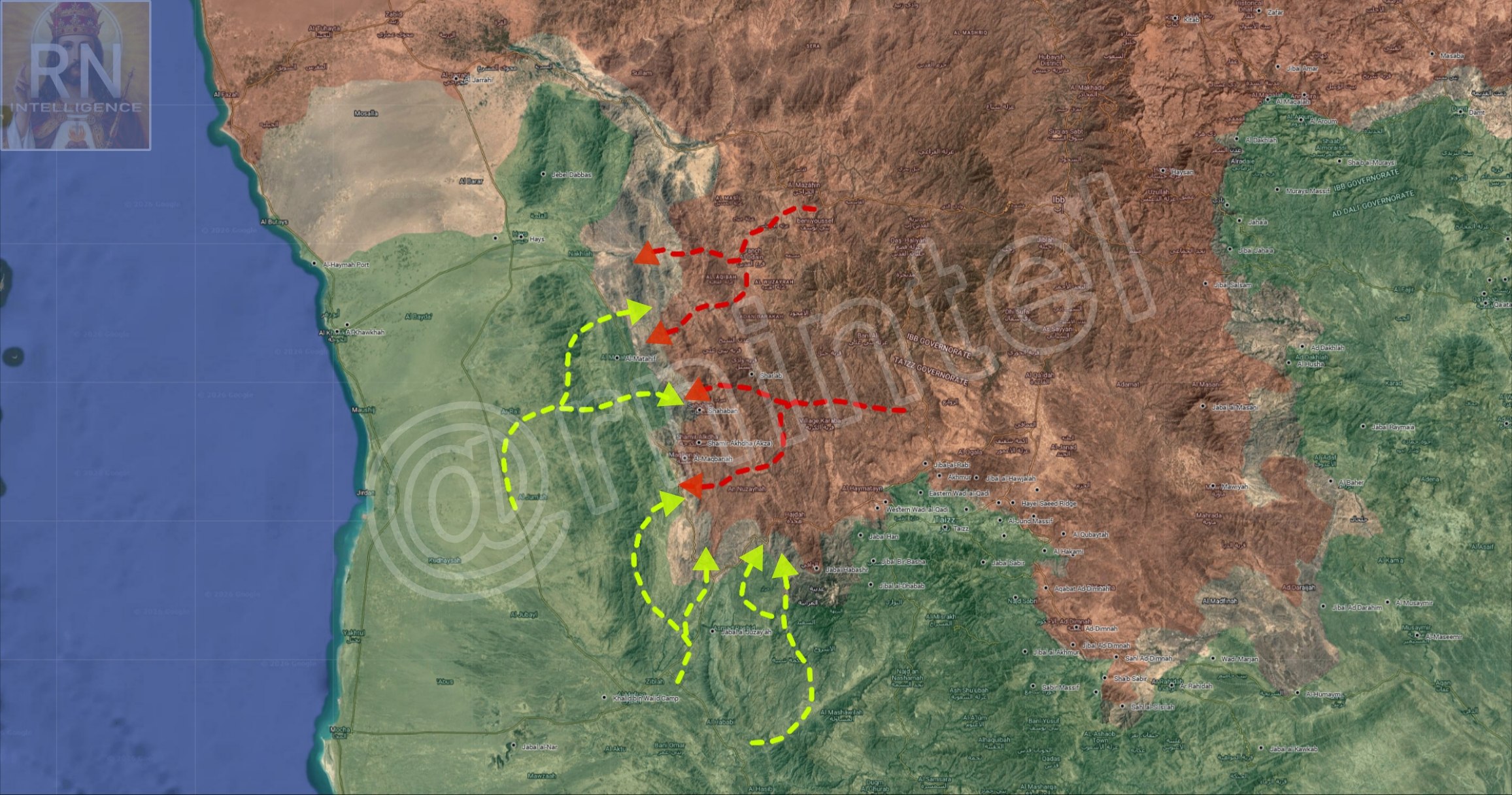
Earlier in the day, rnintel reported that Ansarullah forces may have penetrated the PLC defensive line along the Hays corridor, a critical supply route linking the Red Sea port of Al‑Hudaydah with interior strongholds. The post (source https://t.me/rnintel/66047) noted “intense fighting… for well over 18 hours,” suggesting a protracted clash that has exhausted both sides but has not yet produced a clear victor.
“Fierce fighting has been ongoing for well over 18 hours,” – rnintel, 03 Sep 2026
Houthis Attempt to Cut Taiz‑Al Makha Road
Al Jazeera documented a separate confrontation in Taiz where Houthi fighters clashed with Yemeni government forces attempting to sever the road linking Taiz to al‑Makha. The road is a strategic artery for the government’s supply chain to the southern coast. While the report (source Al Jazeera) did not provide casualty figures, it confirmed that the Houthis aimed to “cut the road” as part of a broader effort to disrupt PLC logistics.
Escalation Along the Hays Corridor: Artillery, Missiles and Drones
Two independent telegram channels, CIG_telegram and rnintel, described a rapid escalation of hostilities around al‑Khawkhah, al‑Kudnah and al‑Maqbanah. Both sources reported that the Tihamah Brigades, aligned with the PLC, launched heavy artillery barrages against Ansarullah positions, prompting a retaliatory salvo of fourteen ballistic missiles. One missile failed to launch, and another malfunctioned, landing in the Ibb region under Ansarullah control.
According to CIG_telegram (source https://t.me/CIG_telegram/83249), the exchange also involved combat drones, though the exact numbers were not disclosed. The rnintel account (source https://t.me/rnintel/66041) echoed these details, emphasizing “intense fighting” and “no strategic gains” despite the heavy firepower.
“Both sides reinforcing positions but no strategic gains,” – CIG_telegram, 03 Sep 2026
Shar‘ab Heights Clashes Near Al‑Kudnah and Al‑Maqbanah
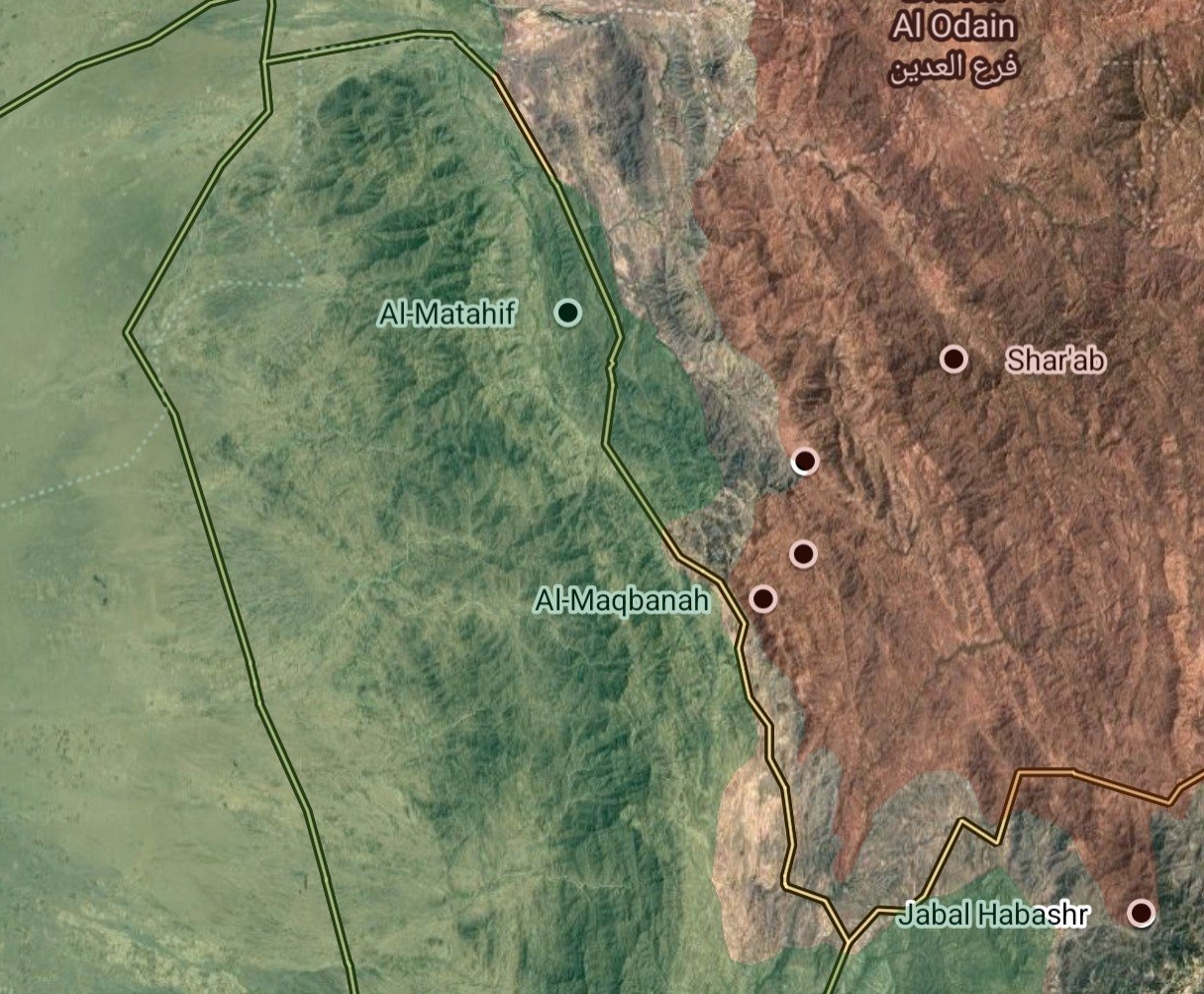
At 07:32 UTC, rnintel reported that Ansarullah forces attempted to advance west of al‑Kudnah and al‑Maqbanah in the Shar‘ab heights. The two‑hour clash saw “major reinforcements arriving on both sides,” indicating that the area remains contested despite earlier artillery exchanges.
While no casualties or weapon systems were specified, the presence of “heavy clashes” suggests continued infantry engagement supported by indirect fire.
Analytical Assessment
The series of engagements on September 3 demonstrates a coordinated push by Ansarullah to exploit terrain and pressure PLC supply corridors. The capture of the Bani Bakari heights provides a forward observation point that could facilitate further operations toward Taiz and the Hays corridor. Simultaneously, the PLC’s reliance on artillery and ballistic missiles reflects an attempt to blunt Ansarullah’s momentum, yet the lack of decisive territorial change indicates a stalemate in the short term.
Key factors shaping the conflict dynamics include:
- Terrain advantage: High ground in Bani Bakari and Shar‘ab offers observation and artillery spotting capabilities.
- Logistical pressure: Control of the Hays corridor and the Taiz‑Al Makha road directly impacts the PLC’s ability to move supplies from the Red Sea ports to interior fronts.
- Escalation of firepower: The deployment of ballistic missiles and drones marks an intensification beyond traditional small‑arms engagements, raising the risk of collateral damage.
Overall, the events of 3 September suggest a fluid front line in southwest Yemen, with both sides capable of rapid advances but constrained by the need to secure supply routes and avoid overextension.