The most consequential kinetic event reported on 2 September 2026 was a coordinated strike claimed by Iran’s Islamic Revolutionary Guard Corps (IRGC) against Prince Hassan Air Base in Jordan and United States installations in Iraq, Bahrain, and Kuwait. According to the Telegram channel monitor_the_situation, the IRGC announced the operation at 01:27 UTC, describing it as retaliation for recent U.S. strikes in the region. No independent verification of damage or casualties has been released, and the IRGC did not specify the weapon systems employed, stating only that the attacks were conducted by “rocket” forces.
"IRGC Claims Strikes on Multiple US Bases in Gulf" – monitor_the_situation, 2026‑09‑02T01:27:25, source
Scope of the IRGC Operation
The claimed targets span four sovereign states: Jordan’s Prince Hassan Air Base, a strategic airfield near Amman; U.S. forward operating sites in Iraq; and American facilities in Bahrain and Kuwait, both key nodes for Gulf security. While the IRGC narrative emphasizes a broad, synchronized strike, open‑source intelligence has not yet identified missile types, launch platforms, or confirmed impact assessments. The absence of reported casualties suggests either limited physical effects or a strategic information operation aimed at signaling capability.
US Response and Regional Escalation
Within hours of the IRGC announcement, a separate high‑severity report emerged from GeoPWatch indicating that a U.S. official told Axios the United States had attacked at least 100 targets inside Iran the previous night. The statement, posted at 01:06 UTC, underscores a rapid escalation cycle, though details of the U.S. strikes remain classified.
"U.S. Official to AXIOS claimed that the U.S. attacked at least 100 targets in Iran last night." – GeoPWatch, 2026‑09‑02T01:06:47, source
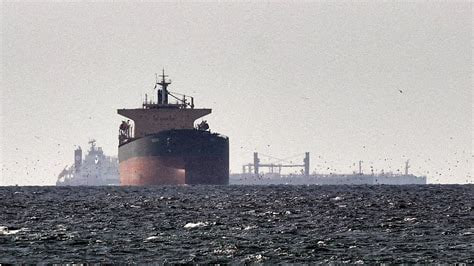
Concurrently, the United States conducted a naval operation targeting two Iranian government‑owned oil tankers, described by CIG_telegram as part of a new “tanker for tanker” policy. This action, reported at 00:28 UTC, reflects a broader U.S. strategy of applying economic pressure alongside kinetic measures.
"The U.S. struck two Iranian oil tankers owned by the government under a new 'tanker for tanker' policy." – CIG_telegram, 2026‑09‑02T00:28:40, source
Additional High‑Intensity Rocket and Drone Attacks
Multiple high‑severity rocket and drone incidents were recorded across the Middle East on the same day. At 04:39 UTC, OSINTdefender reported that Iran launched missile and drone strikes on U.S. positions in Bahrain and Iraq, while the Houthi movement publicly expressed support for Tehran. The report cites missile and drone weaponry but provides no casualty figures.
"Iran has launched attacks against Bahrain. President Trump stated... Iran conducted missile and drone strikes on US military positions in Bahrain and Iraq." – OSINTdefender, 2026‑09‑02T04:39:24, source
Earlier, at 03:46 UTC, GeoPWatch relayed a claim from Mehr News that an IRGC strike on Titin Camp in Jordan resulted in a “massive” U.S. troop death toll and the destruction of drones and helicopters. Satellite imagery was promised to verify the damage, but no independent confirmation has been made.
"Mehr News claimed a 'massive' number of U.S. troops were killed in the strike against Titin Camp in Jordan..." – GeoPWatch, 2026‑09‑02T03:46:22, source
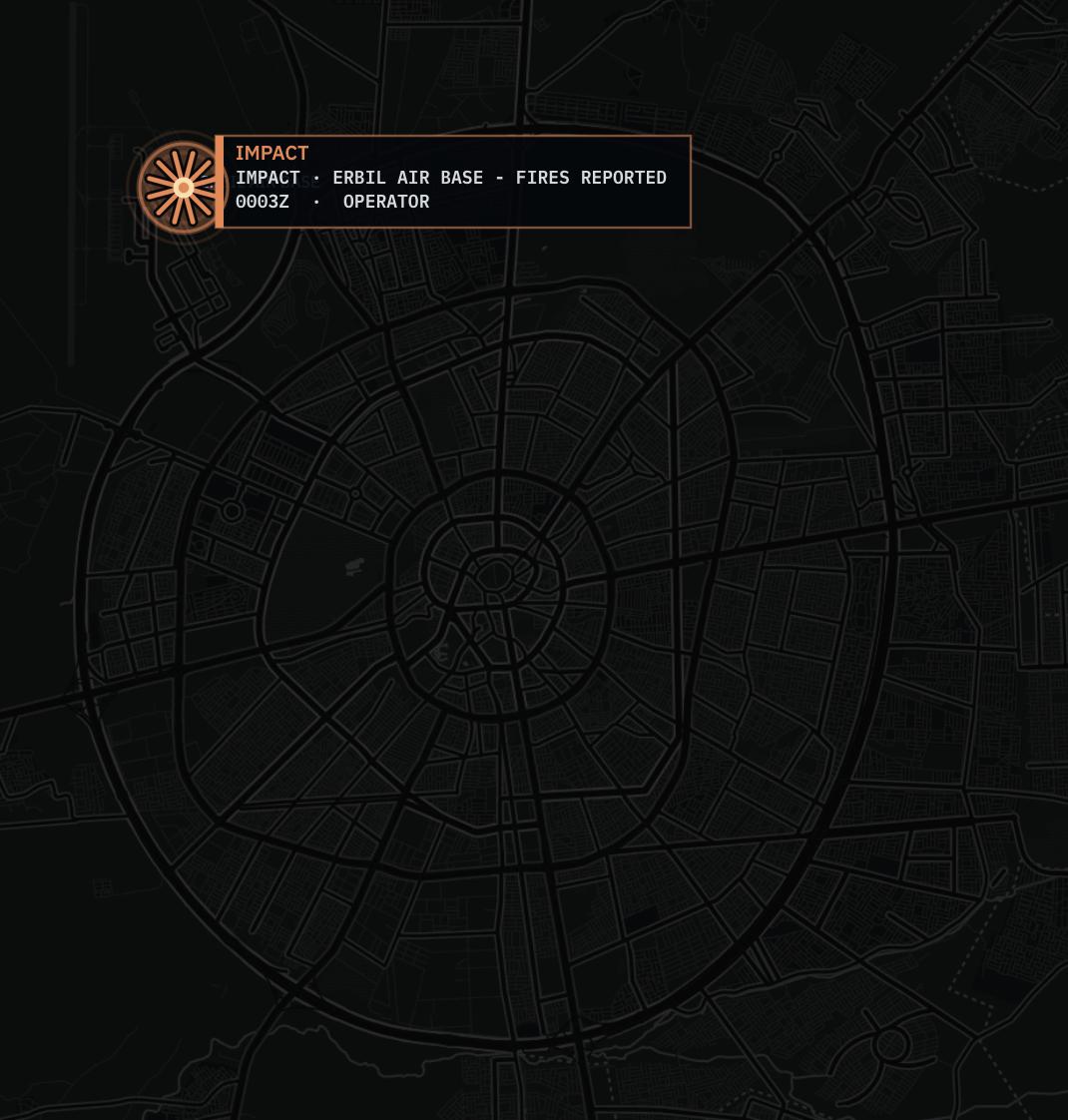
In Iraq’s Kurdistan Region, the IRGC announced a combined ballistic missile and UAV attack on U.S. bases in Erbil at 00:08 UTC, asserting the destruction of a maintenance facility, a surveillance‑balloon guidance system, warehouses, fuel tanks, and the killing of U.S. soldiers. Again, no external verification is available.
"Iran's IRGC announces conducting a joint ballistic missile and UAV strike against U.S. bases in Erbil..." – CIG_telegram, 2026‑09‑02T00:08:38, source
Airstrikes and Drone Interceptions in Lebanon and Syria
Israel’s Air Force conducted multiple strikes against Hezbollah tunnel complexes on Ali Al‑Taher Hill in southern Lebanon at 01:10 UTC, as reported by monitor_the_situation. The operation targeted underground infrastructure and nearby towns, with no casualty figures disclosed.
"Israeli Air Force bombed Hezbollah tunnel complexes and nearby towns in southern Lebanon." – monitor_the_situation, 2026‑09‑02T01:10:02, source
At 04:51 UTC, the Israeli Defense Forces intercepted a drone launched from southern Lebanon over northern Israel, preventing any damage. The incident, covered by JPost, triggered sirens but resulted in no reported injuries.
"The IDF successfully intercepted the drone launched from Lebanon without any casualties being reported." – JPost, 2026‑09‑02T04:51:14, source
Non‑State Actor Activity and Airspace Safety Concerns
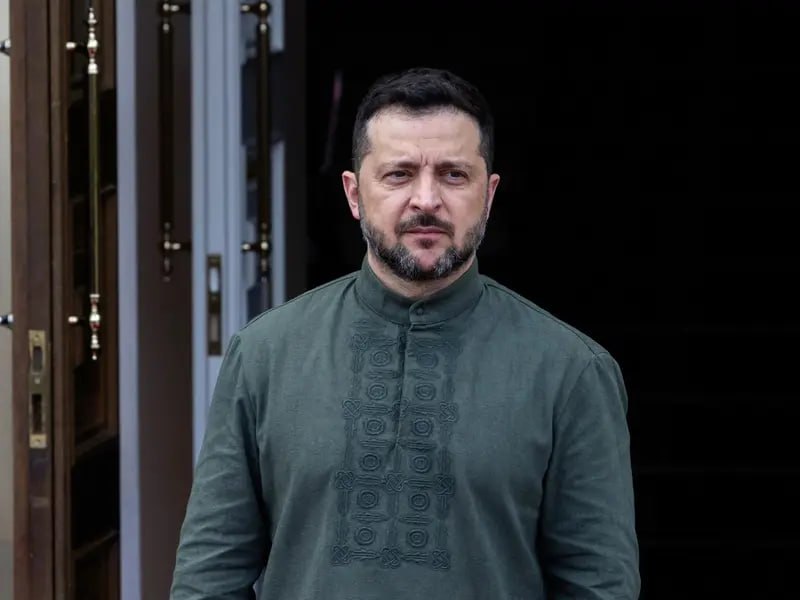
Beyond state‑to‑state exchanges, non‑state actors contributed to the kinetic environment. The Houthis issued statements supporting Iran’s actions, while Ukrainian President Volodymyr Zelensky warned that increased Ukrainian drone activity was rendering Russian airspace unsafe for commercial aviation, as reported by OSINTdefender at 04:42 UTC.
"Ukrainian President Volodymyr Zelensky has warned that Russian airspace is becoming completely unsafe due to increased Ukrainian drone activity." – OSINTdefender, 2026‑09‑02T04:42:49, source
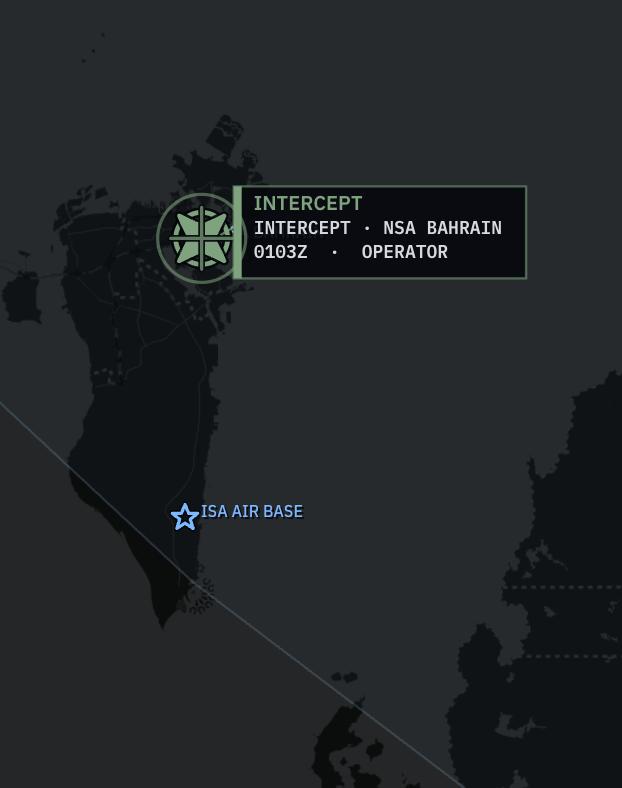
In the Gulf, a drone intercepted near the NSA facility in Bahrain was documented by GeoPWatch at 01:04 UTC, indicating heightened surveillance and potential electronic warfare activity in the area.
"Interceptions reported near the NSA Bahrain." – GeoPWatch, 2026‑09‑02T01:04:23, source
Nuclear Monitoring Developments
While not a kinetic event, the International Atomic Energy Agency (IAEA) released a critical report on 02 September 2026 stating that Syria had constructed a nuclear reactor in Deir ez‑Zor and failed to disclose nuclear material under President Bashar al‑Assad. The report, covered by AlJazeera, raises concerns about proliferation risks amid the broader regional conflict.
"IAEA says Syria built a nuclear reactor in Deir Az Zor under al‑Assad." – AlJazeera, 2026‑09‑02T01:21:06, source
Although the nuclear development does not involve immediate kinetic action, its disclosure adds a strategic dimension to the ongoing hostilities, potentially influencing future military calculations by regional and global powers.
Assessment
The cascade of reported rocket, missile, drone, and airstrike incidents on 2 September 2026 illustrates a rapid escalation cycle between Iran and the United States, with secondary effects on allied Gulf states and non‑state actors. The lack of independent casualty verification for many claims underscores the information‑war component of the conflict, while the simultaneous nuclear disclosure in Syria highlights the multi‑layered security challenges facing the region.