On September 2 2026, Iran-linked attacks on commercial tankers in the Strait of Hormuz marked the most significant kinetic event of the day, threatening a critical oil transit chokepoint and escalating US‑Iran tensions. The incidents, reported by monitor_the_situation, involved unidentified projectiles striking vessels in international waters, prompting immediate alerts from regional navies and commercial operators.
Naval Confrontations in the Strait of Hormuz
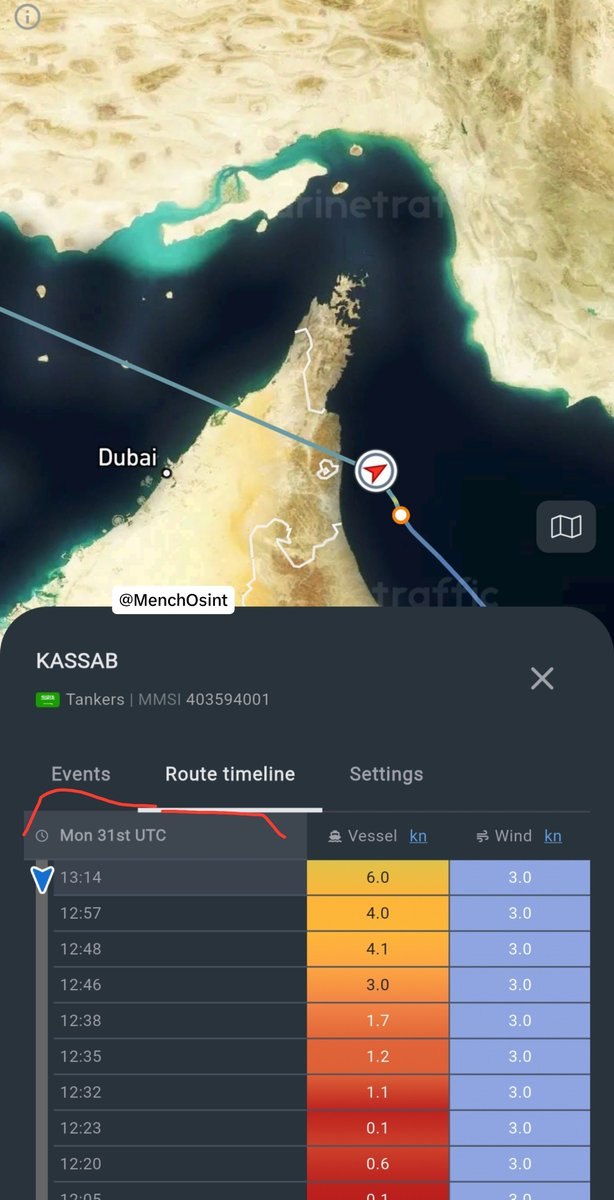
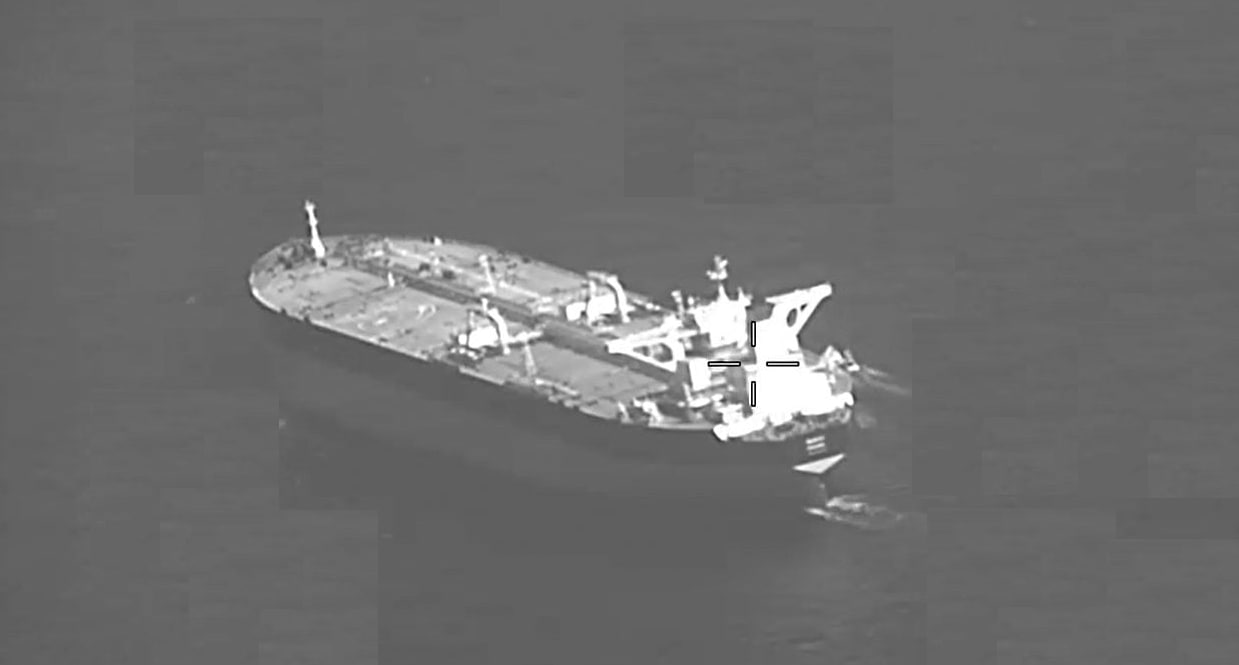
At 03:16:49 UTC, two tankers navigating the narrow waterway between Oman and Iran were targeted by what analysts describe as “Iran‑linked” attacks. While no weapons were identified on the attackers, the assaults resulted in temporary suspensions of traffic and heightened alert levels for US naval forces operating in the area. The same day, at 05:48:29 UTC, the Saudi oil tanker KASSAB successfully transited the strait despite the surrounding hostilities, underscoring the persistence of commercial flow amid the danger.
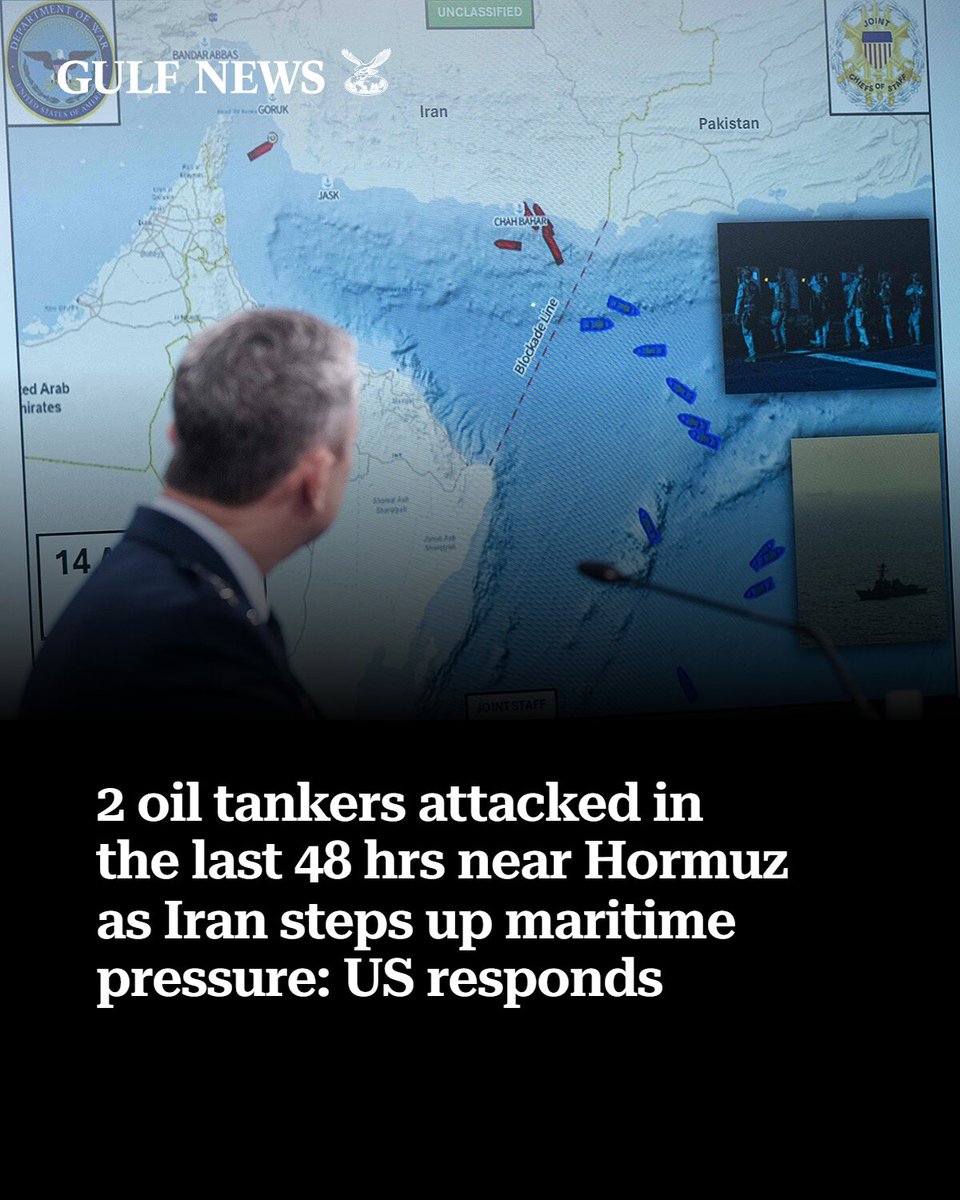
Later, at 01:46:00 UTC, the United States executed its first direct retaliatory naval strikes against Iranian vessels in the strait, a policy shift described by the JPost as a “tanker for tanker” response. The strikes were framed as a deterrent against further Iranian aggression and marked a notable escalation in the maritime dimension of the conflict.
"The US launched direct strikes on Iranian ships for the first time, signaling a new threshold in naval engagement," reported JPost.
In a separate but related development, at 04:48:43 UTC, US forces targeted Iranian tankers in the Persian Gulf, according to OSINTdefender. The operation was presented as retaliation for a series of Iranian attacks on US bases across the region.
Missile Strikes in Khuzestan Province
At 01:50:59 UTC, missile attacks struck areas near Ahvaz and Aghajari in Iran’s oil‑rich Khuzestan Province. The strikes, attributed to a joint effort by United States forces and the Iranian-backed news outlet AJENews, employed conventional missiles and resulted in undisclosed damage to infrastructure. No civilian casualties were reported in the immediate aftermath, but the attacks heightened security concerns for the province’s critical energy facilities.
Airstrikes on Sirik and the Southern Coast
Multiple airstrikes were reported along Iran’s southern coastline. At 00:47:41 UTC, United States air operations near Sirik, Hormozgan Province, hit a wedding party, killing at least four civilians and wounding dozens, according to AlJazeera. The following hour, at 01:34:55 UTC, Iran claimed that a separate US bombing of the same area resulted in five deaths and at least 63 injuries, including women and children in the nearby city of Kuhestak.
"Iran says US bombed a wedding party in Sirik, killing five and wounding at least 63," AlJazeera reported.
At 01:06:19 UTC, US forces conducted additional airstrikes on Iran’s southern coast, reporting explosions in several locations while denying any hits on US bases in Jordan. The lack of disclosed weapon types for these strikes suggests the use of precision‑guided munitions, though official statements remained vague.
Retaliatory and Defensive Naval Actions
The sequence of events illustrates a rapid escalation from maritime harassment to direct kinetic engagement. US naval policy shifted from interdiction to active retaliation, as evidenced by the strikes on Iranian tankers and the “tanker for tanker” doctrine. Conversely, Iran’s alleged involvement in the initial tanker attacks and the missile launches in Khuzestan demonstrate a willingness to project power both at sea and inland.
Overall, the day’s kinetic activities underscore a heightened risk of broader confrontation in the Persian Gulf, with civilian populations bearing the immediate cost of the conflict.