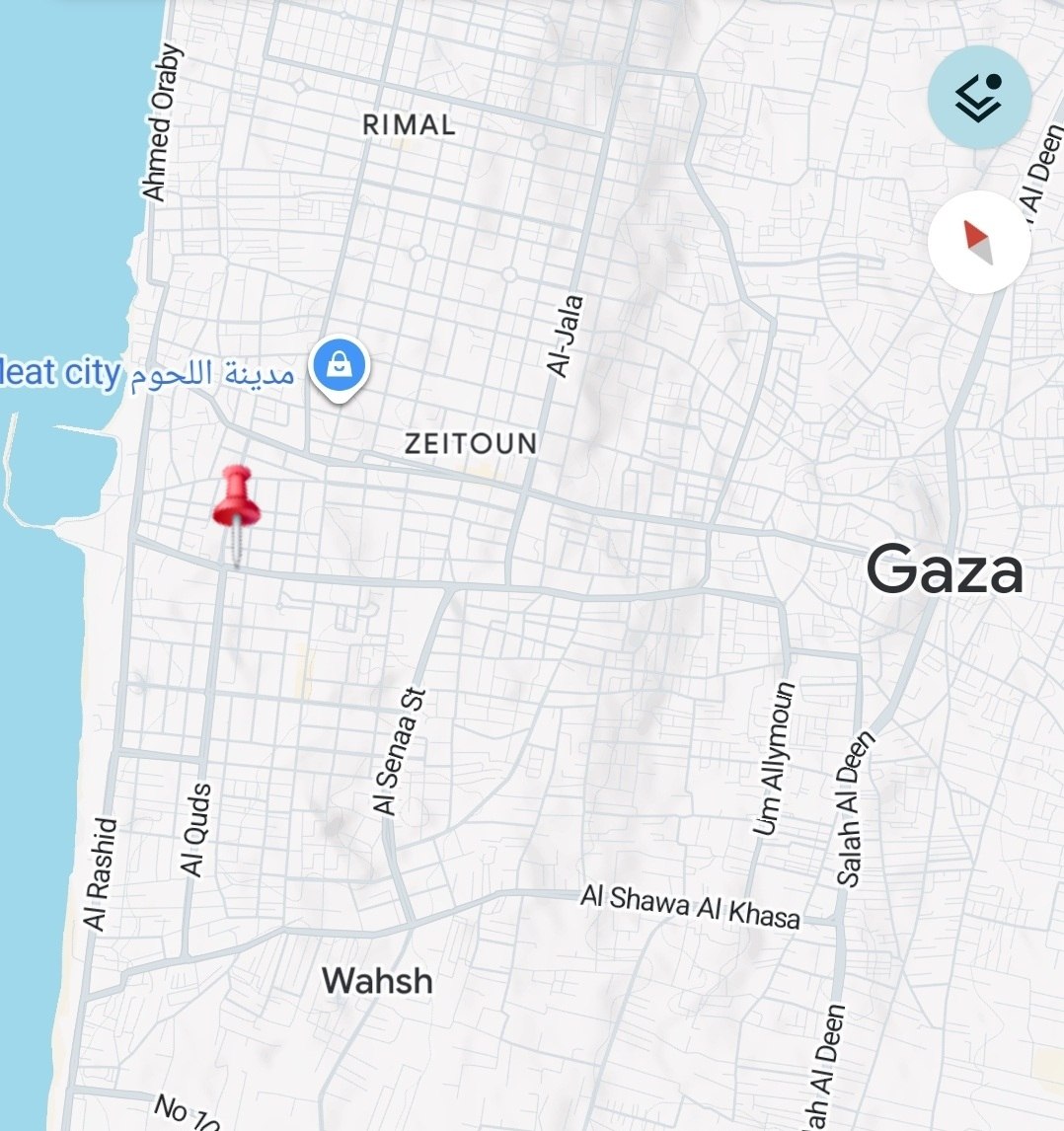
On September 2, 2026 Israeli forces launched a coordinated series of kinetic operations that began with a high‑intensity air campaign over the Shati refugee camp in western Gaza City, followed by ground incursions, tunnel demolitions, and targeted strikes against Hamas commanders. The operations, reported by BellumActaNews, involved more than a dozen aircraft sorties, heavy gunfire, and the use of smoke grenades to support the capture of a senior Hamas internal‑security official.
Airstrike on Shati Refugee Camp
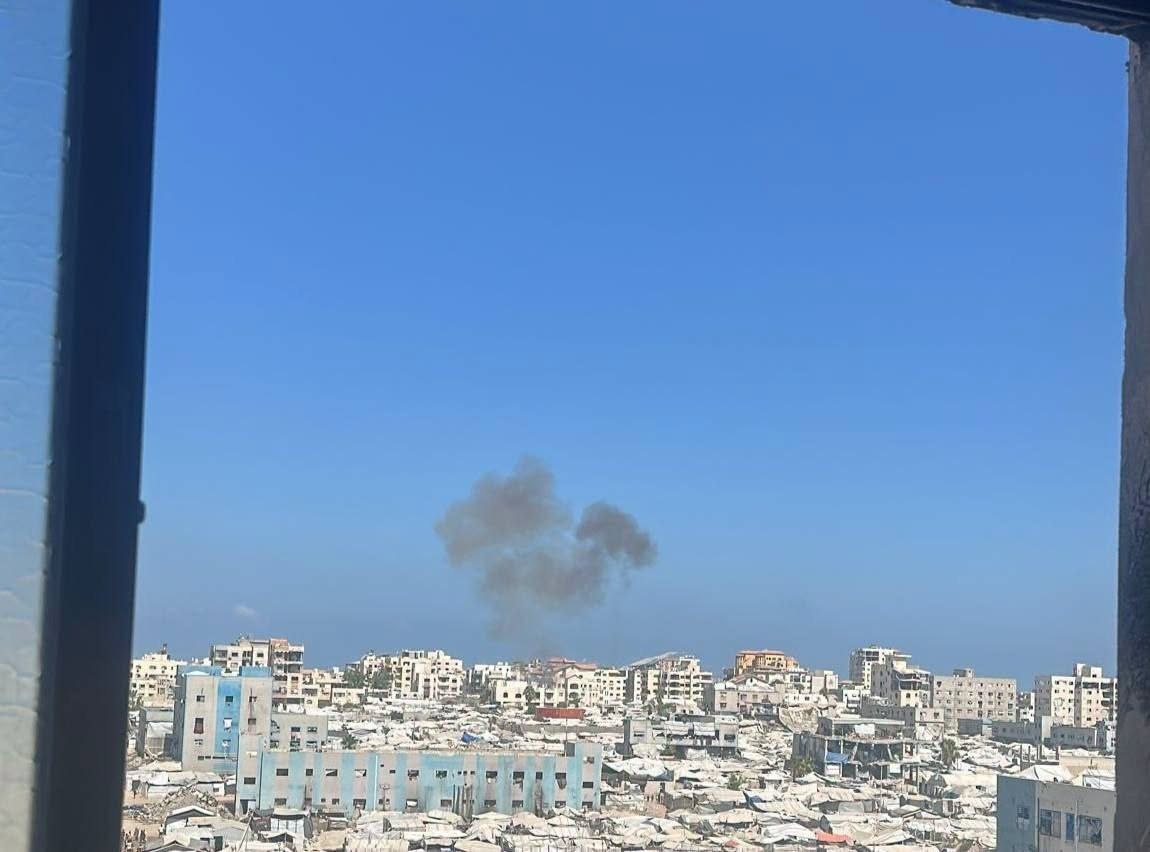
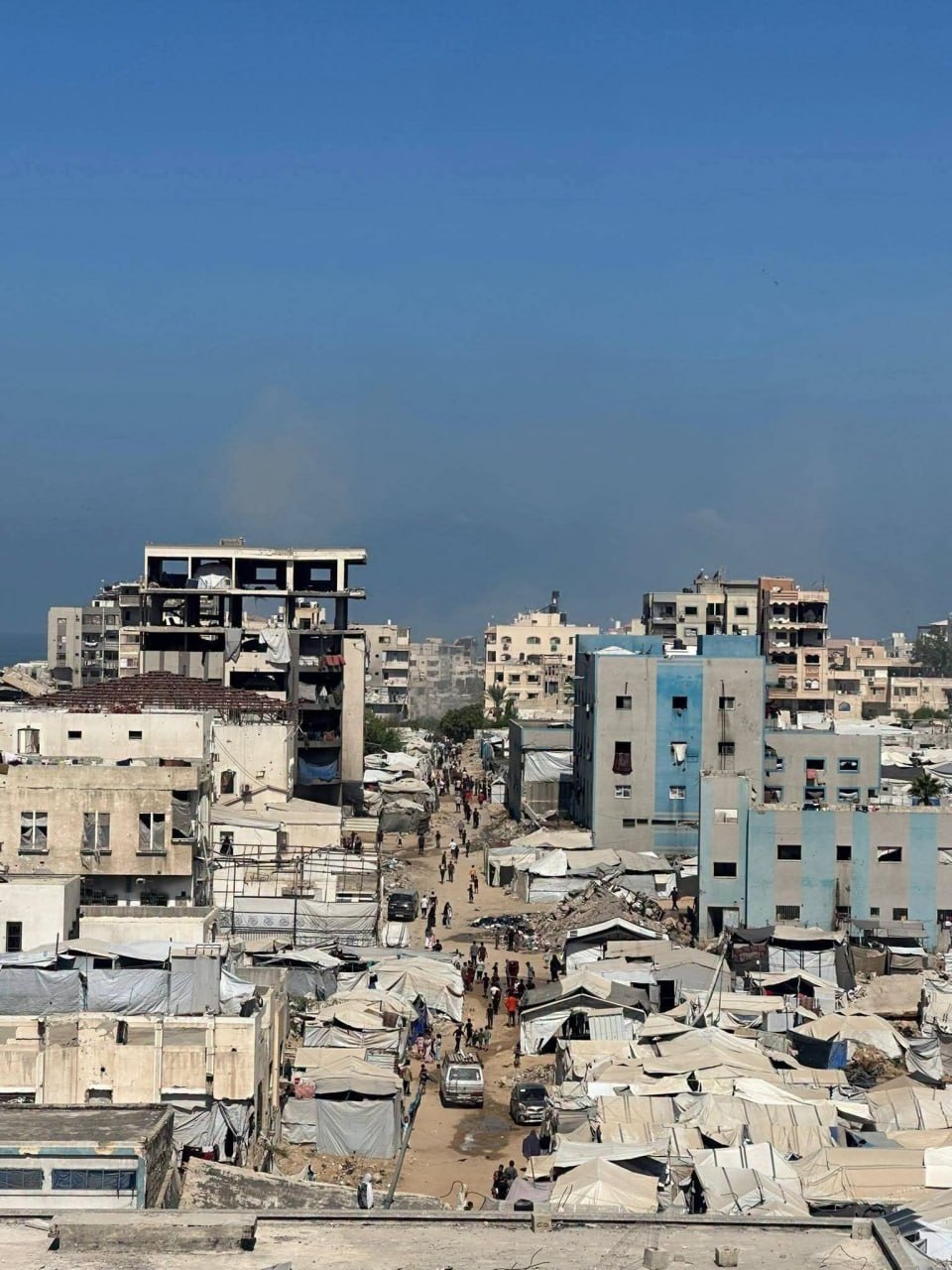
At 06:19 local time, Israeli aircraft conducted over twelve precision strikes across the Shati refugee camp and surrounding neighborhoods of Al‑Katiba. The strikes were timed to coincide with a ground maneuver aimed at apprehending the head of Hamas’s Internal Security apparatus. Israeli Defense Forces (IDF) units engaged in close‑quarter combat with Hamas militants, exchanging heavy gunfire before extracting the captured official. While casualty figures have not been independently verified, local reports indicate significant civilian displacement and damage to residential structures. Weapons employed included guided munitions from fighter jets, smoke grenades for visual concealment, and sustained small‑arms fire from ground troops. The operation was documented in eight media items (video and photo) released by BellumActaNews (source: https://t.me/BellumActaNews/176856).
"More than 12 Israeli strikes were carried out in western Gaza City in northern Gaza amid a ground operation operating against Hamas. The incident began after a force was detected while attempting to capture the head of Hamas’s Internal Security," BellumActaNews reported.
Destruction of Hamas Tunnel Network
Later in the day, at 16:26, the IDF announced the demolition of two Hamas tunnels east of the Yellow Line, collectively extending two kilometers. The operation, conducted during a temporary ceasefire, involved the use of specialized demolition equipment to collapse the tunnel entrances and render the passages unusable. No direct combat was reported, and the action was presented as a preventive measure to impede future infiltration attempts. The JPost confirmed the operation (source: https://www.jpost.com/israel-news/defense-news/article-907355).
Capture of Senior Hamas Official in Central Gaza
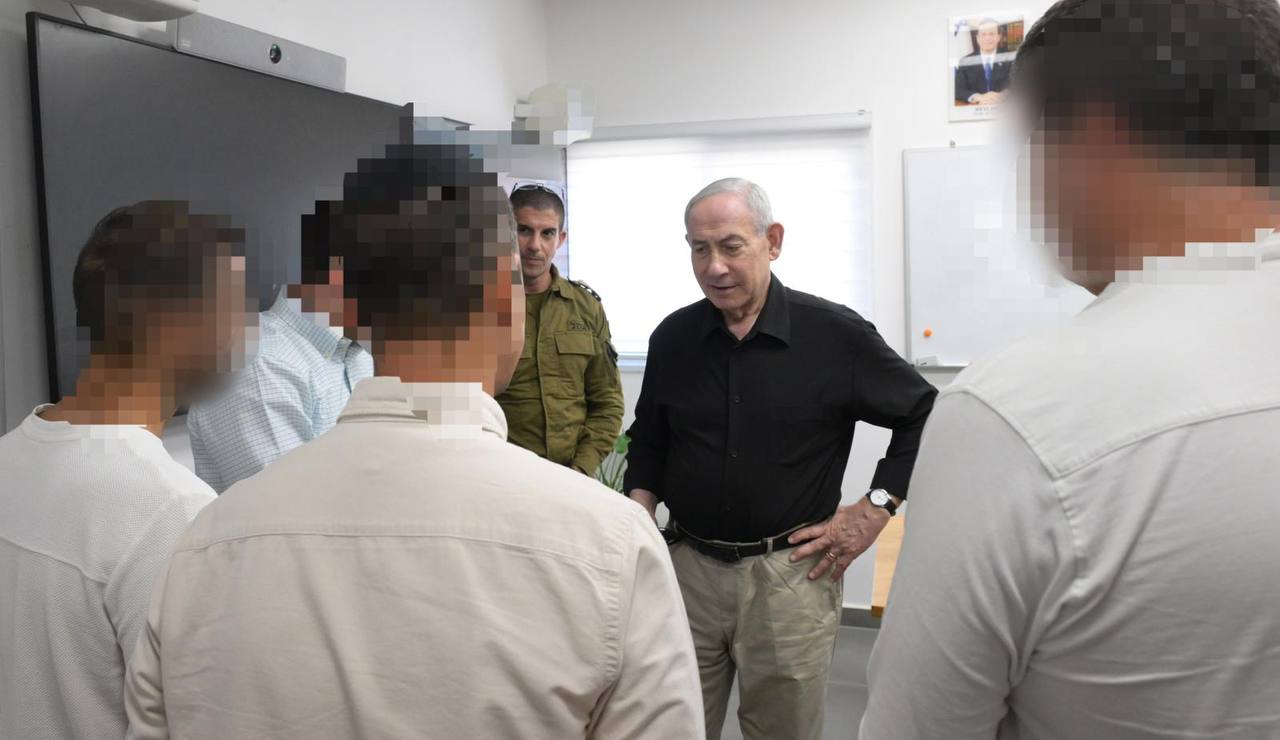
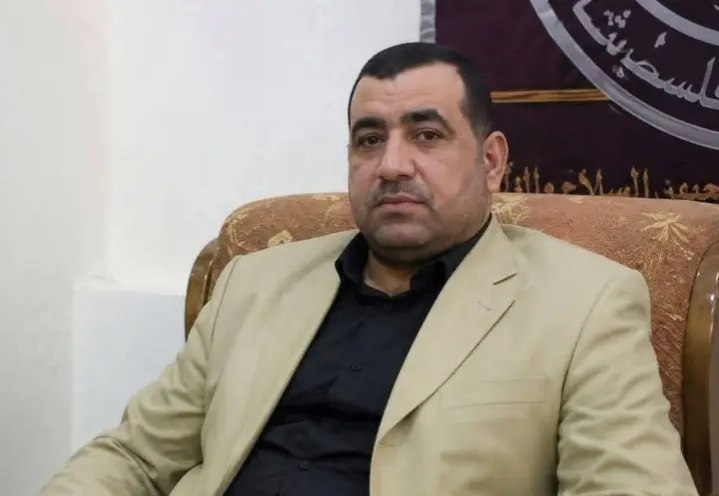
At 13:56, Israeli internal security agency Shabak forces successfully apprehended a senior Hamas operative in the heart of Gaza City. The capture was achieved without reported resistance or casualties. Photographic evidence of the operation was circulated by the Israeli outlet idkunim_il (source: https://t.me/idkunim_il/63076). The identity of the official was not disclosed, but the operation underscores the breadth of Israeli intelligence activities within densely populated urban areas.
Targeted Killing of Hamas Commanders
In a separate airstrike at 08:11, the IDF confirmed the elimination of two Hamas terrorists, including Talal Mustafa Saleh Badawi, a commander within the Military Security Department of Hamas’s Gaza City Brigade. The strike, conducted by an unmanned aerial system, also killed Momo Saeed Mohammed, identified as a lower‑level operative. No civilian casualties were reported in the immediate vicinity. The JPost provided details of the operation (source: https://www.jpost.com/middle-east/article-907306).
Coordinated Attacks on West Bank Mosques
Parallel to the Gaza‑focused operations, Israeli forces and settler groups carried out coordinated assaults on two mosques in the occupied West Bank. At 07:40, Israeli troops deployed tear‑gas canisters into one mosque while settlers set fire to and vandalised another. The incidents, documented by Al Jazeera, resulted in property damage and heightened fear among the local Palestinian population, though no fatalities were reported. Weapons used included tear‑gas grenades and incendiary devices (source: https://www.aljazeera.com/news/2026/9/2/israeli-forces-settlers-attack-two-west-bank-mosques?traffic_source=rss).
Further Mosque Assaults and Community Impact
Later, at 14:14, Al Jazeera reported additional coordinated attacks by Israeli army units and settlers on mosques across the West Bank. The assaults involved the use of tear gas and arson, reinforcing a pattern of intimidation directed at religious sites. Palestinian witnesses described the events as “pogroms,” emphasizing the psychological impact on the civilian population. No casualty numbers were released, but the attacks contributed to a broader climate of insecurity (source: https://www.aljazeera.com/features/2026/9/2/palestinians-in-fear-as-israeli-forces-mount-pogroms-on-west-bank-mosques?traffic_source=rss).
Overall Assessment: The September 2 kinetic events illustrate a multi‑theater Israeli strategy that combines high‑intensity airpower, precision ground operations, and targeted intelligence actions against Hamas leadership and infrastructure, while simultaneously exerting pressure on civilian populations in the West Bank through coordinated assaults on religious sites. The convergence of these tactics signals an escalation in both the scale and scope of Israeli military activity across the occupied territories.