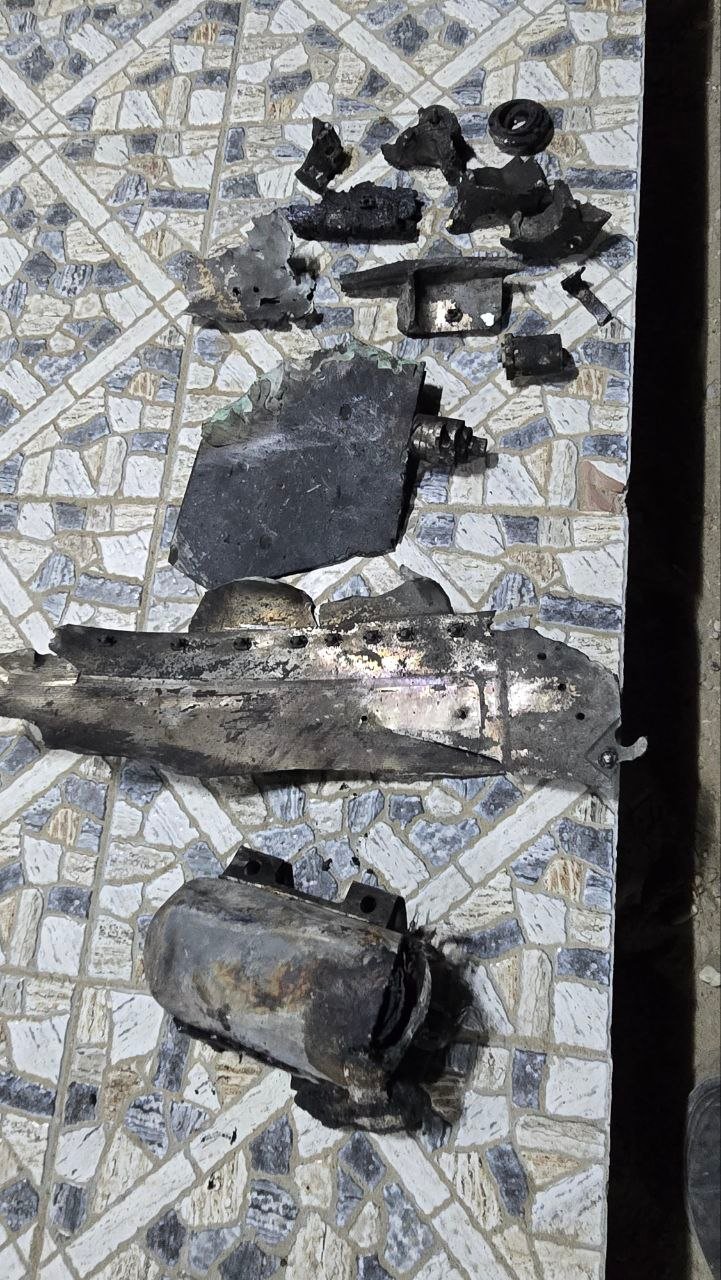
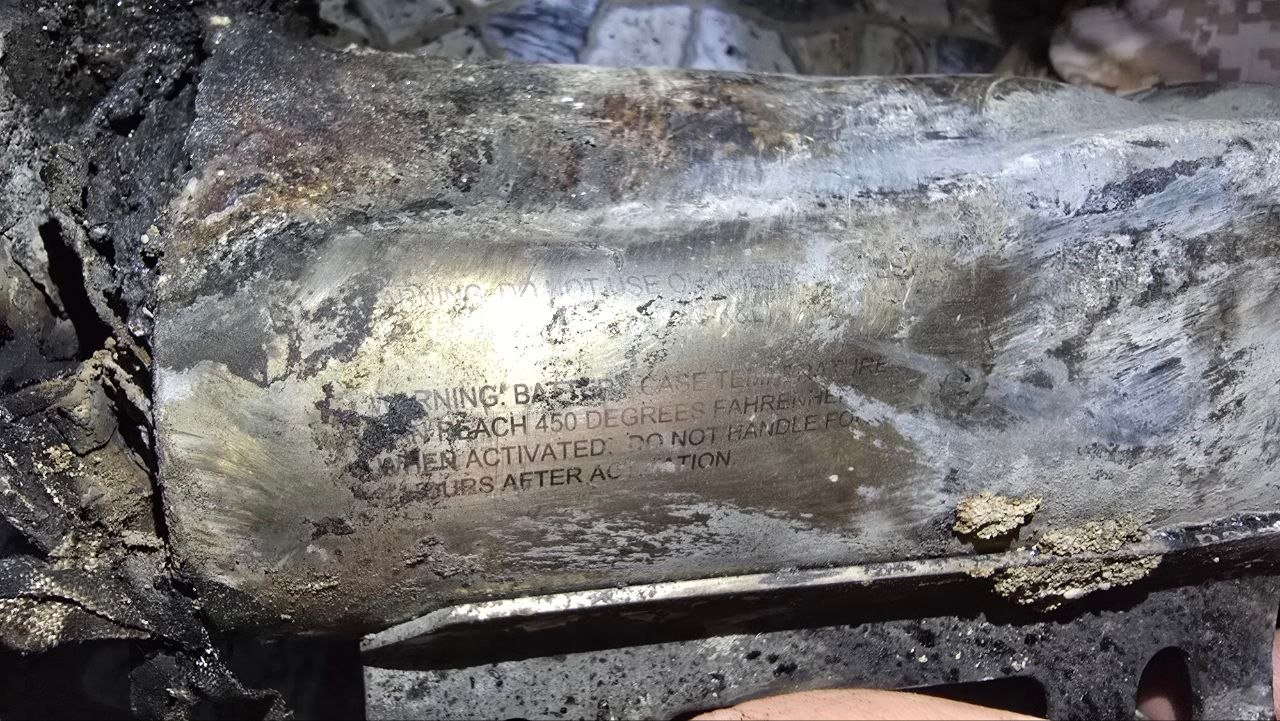
On 2 September 2026 a U.S.‑launched AGM‑84 SLAM‑ER cruise missile struck a wedding ceremony in Kuhestak, Sirik County, Hormozgan Province, killing five civilians and wounding 68 others. The weapon’s wreckage was recovered and identified by Boeing as components of the most accurate air‑launched munition in the U.S. Navy’s inventory. The attack, reported by intelslava, marks the deadliest single kinetic event on Iranian soil this week and underscores the intensifying direct confrontation between Washington and Tehran.
U.S. Airstrikes in Western Iran
Earlier that morning, a separate U.S. operation targeted the IRGC Air and Space Force in Kermanshah, western Iran, killing four guard members, according to the Telegram channel idkunim_il. The strike was described as a precision attack on a command facility, though the exact weapon system was not disclosed. The loss of four senior IRGC personnel represents a notable escalation in the United States’ campaign against Iranian military infrastructure.
Iranian Drone Operations Beyond Its Borders
In a parallel development, the Islamic Revolutionary Guard Corps (IRGC) claimed to have launched drone strikes against U.S. bases in the United Arab Emirates. The assertion, posted by monitor_the_situation, cited the use of armed unmanned aerial systems (UAS) to target undisclosed installations. No independent verification of damage or casualties was available at the time of reporting.
Later the same day, Iranian state‑affiliated outlets reported a drone infiltration in north‑western Iran, suggesting heightened domestic air‑space activity. The source rnintel provided limited details, noting that the drones were intercepted without reported injuries.
Maritime Threats in the Strait of Hormuz
The Persian Gulf’s strategic chokepoint saw multiple kinetic incidents. The IRGC announced that two oil tankers were disabled after striking naval mines while transiting the Strait of Hormuz, as reported by monitor_the_situation. The mines, allegedly laid by Iranian forces, caused temporary loss of propulsion but no crew fatalities.
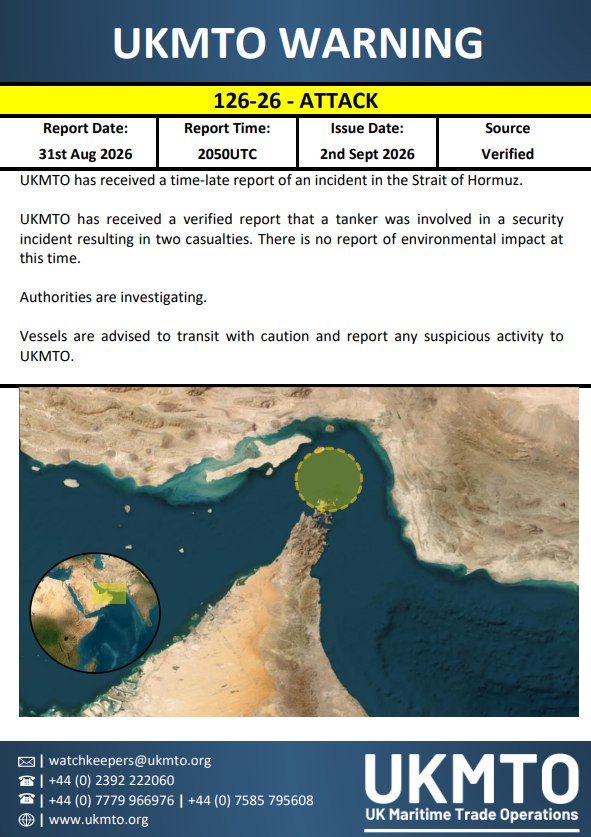
Concurrently, the United Kingdom Maritime Trade Operations (UKMTO) confirmed a separate security incident involving a Saudi‑flagged VLCC, the “SIDR,” which struck an unknown object—presumed to be a mine—resulting in the deaths of two Filipino crew members. The incident, first reported by GeoPWatch, aligns with Iran’s claim of a “rogue supertanker” hitting a mine on 31 August, suggesting a pattern of mine‑related hazards in the waterway.
Saudi Arabia publicly condemned the Iranian‑linked attack, emphasizing the loss of Filipino seafarers and warning of broader regional destabilisation (monitor_the_situation).
Missile Barrage Against Kuwait
Iranian media outlets, including GeoPWatch and CIG_telegram, reported that the IRGC launched a missile barrage targeting Kuwait’s Ali al‑Salem Airbase. The claimed effects included damage to a command post, destruction of multiple drones, and the alleged killing of American soldiers. Independent verification of these claims remains absent, and the statements are presented as part of Iran’s broader retaliatory narrative following U.S. strikes on Iranian territory.
Drone Strike on U.S. 5th Fleet Base in Bahrain
According to rnintel, an Iranian drone struck a warehouse at the U.S. Navy’s 5th Fleet base in Manama, Bahrain, leaving a fresh burn scar. No casualties were reported, but the incident demonstrates the expanding reach of Iranian UAS capabilities into Gulf Cooperation Council (GCC) states hosting U.S. forces.
Other Notable Kinetic Incidents Within Iran
A car rammed into a pro‑government gathering in Mashhad, Razavi Khorasan Province, killing at least four people and injuring ten (JPost). While not a conventional weapon attack, the incident contributes to the overall pattern of violence within Iran’s borders during this period.
"The United States bombed a wedding near the Strait of Hormuz, prompting Iranian retaliation against Kuwait, Bahrain, and Jordan," reported by AlJazeera on 2 September.
Collectively, these events illustrate a multi‑theater kinetic escalation, with both state and non‑state actors employing missiles, drones, mines, and conventional explosives across land, sea, and air domains.