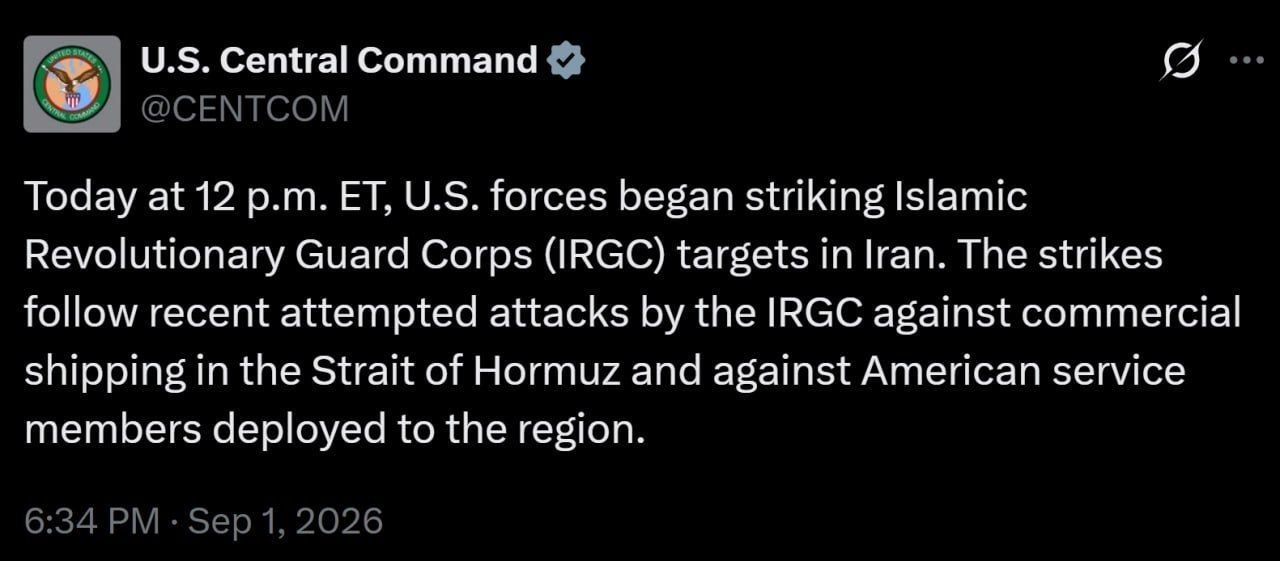
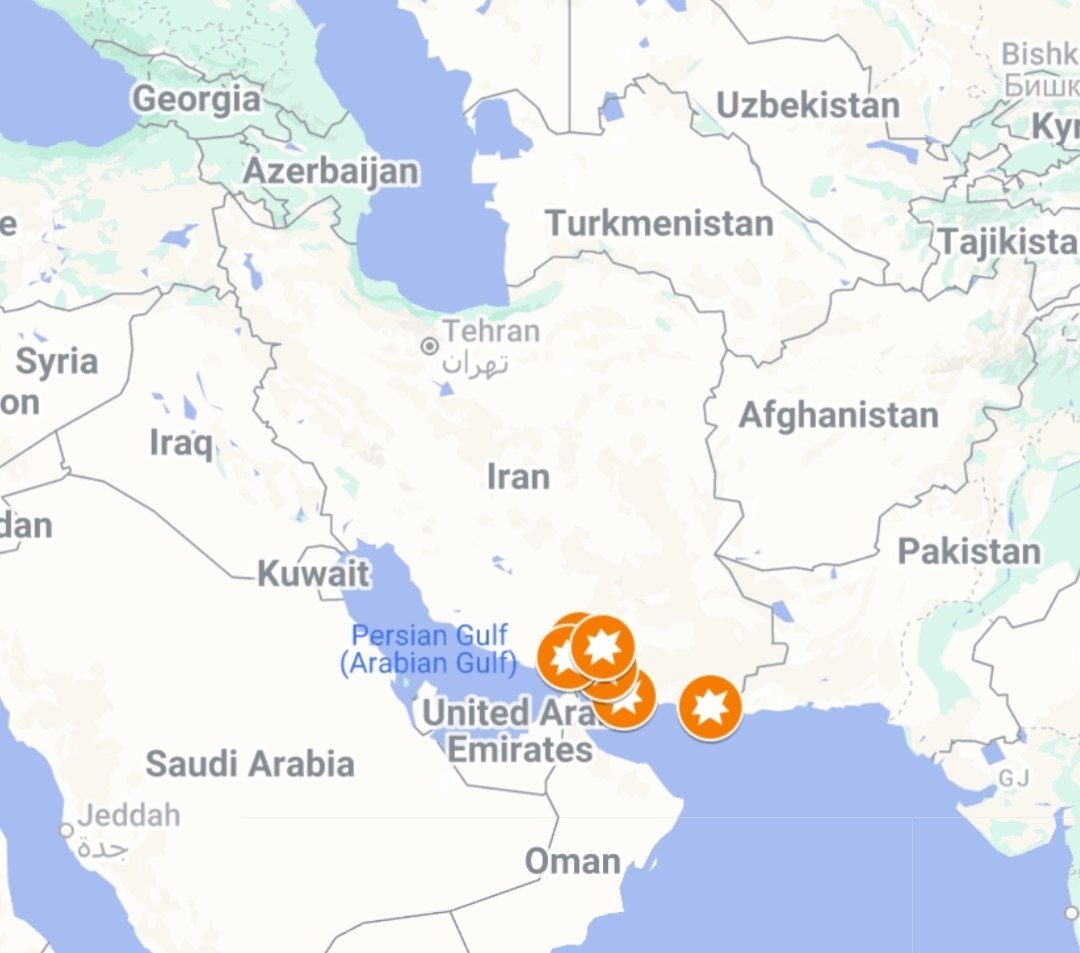
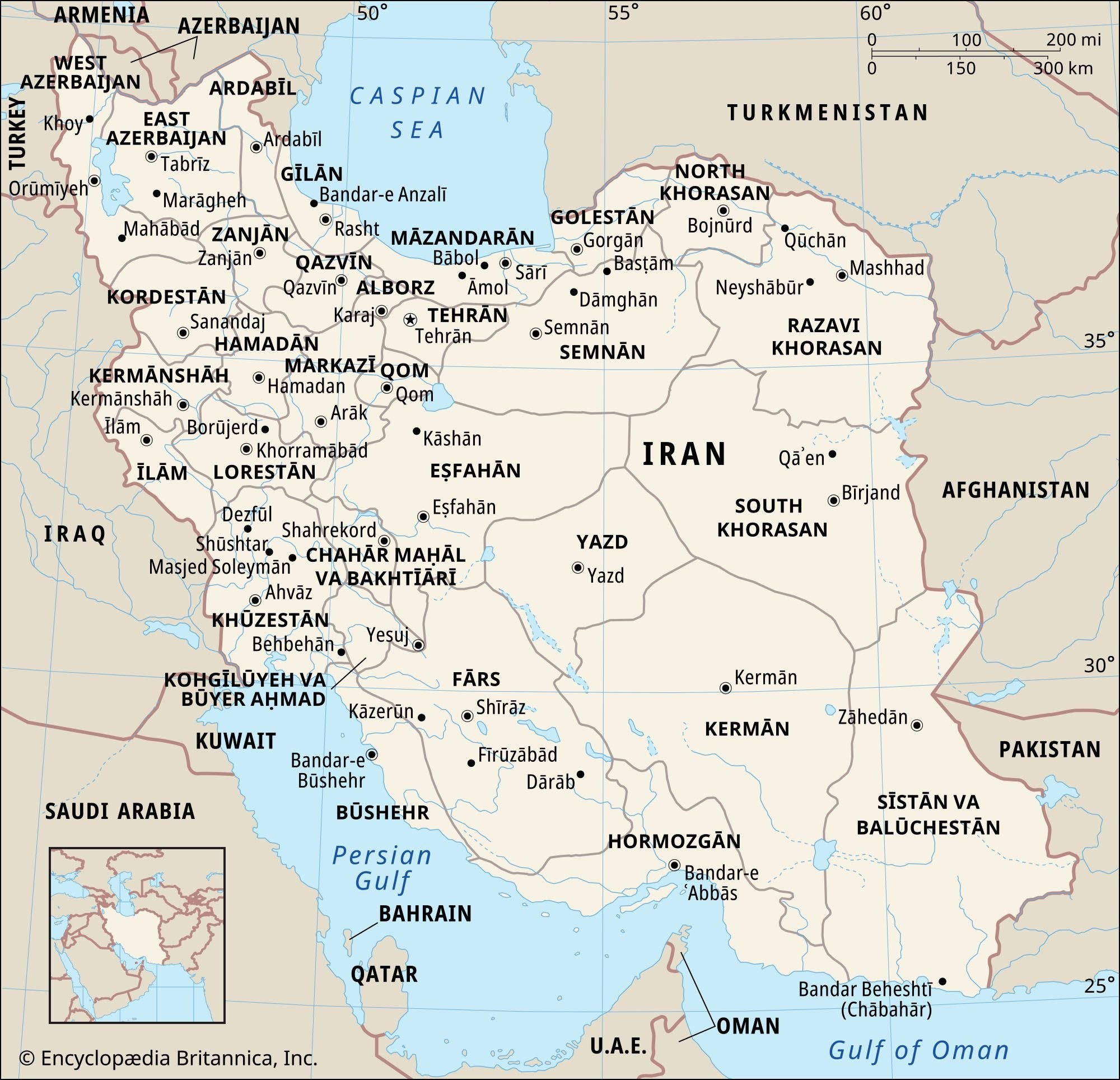
The most extensive kinetic action recorded on 1 September 2026 was a coordinated United States air campaign that struck several locations along Iran's Persian Gulf coastline. According to the Telegram channel intelslava, the strikes began at 17:27 UTC and covered a broad swath of coastal infrastructure, including Bandar Abbas, Jask, Sirik, Minab, Qeshm Island, and Chabahar. No casualty figures have been released, and the specific weapon systems employed were not disclosed in the source material.
Chronology of Air Operations
Between 16:10 and 17:27 UTC, multiple Telegram feeds documented a rapid succession of air attacks:
- 16:10 UTC – Chabahar: rnintel reported seven to ten airstrikes on the southeastern port city of Chabahar.
- 16:16 UTC – Qeshm Island and Bandar Abbas: BellumActaNews described heavy strikes on Qeshm Island, Bandar Abbas, and Chabahar, noting the involvement of United States Air Force (USAF) assets.
- 16:17 UTC – Sirik: rnintel confirmed multiple airstrikes on Sirik, a strategic port in Hormozgan Province.
- 16:18 UTC – Bandar Abbas: A second wave of strikes hit Bandar Abbas, as reported by rnintel.
- 16:21 UTC – Qeshm Island: Two additional attacks on Qeshm Island were logged by rnintel.
- 16:24 UTC – Southern Iran: BellumActaNews described a series of heavy, repeated strikes on naval and land bases across southern Iran.
- 16:28 UTC – Strait of Hormuz: rnintel noted Iranian rocket launches toward the strait, indicating a possible retaliatory response.
- 16:30 UTC – Konarak: BellumActaNews reported a USAF bombing of Konarak in Sistan and Baluchestan Province, specifying the use of conventional bombs.
- 16:35 UTC – Sirik, Minab, Qeshm Island: GeoPWatch recorded additional explosions in these locations, suggesting secondary effects of earlier strikes.
- 17:10 UTC – Multi‑city Map Release: GeoPWatch published a map indicating USAF strikes on Bandar Abbas, Jask, Sirik, Minab, Qeshm, and Chabahar, confirming the geographic breadth of the operation.
- 17:25 UTC – Bandar Abbas Explosion: GeoPWatch reported a fresh explosion in Bandar Abbas, consistent with ongoing kinetic activity.
- 17:27 UTC – Coast‑wide Airstrike: The intelslava feed announced the culmination of the campaign, describing a “large‑scale series of strikes across Iran's Persian Gulf coast.”
Rocket and Missile Deployments
Concurrent with the air campaign, Iranian forces launched rockets toward the Strait of Hormuz at 16:28 UTC, as reported by rnintel. The same channel later confirmed that the United States responded with Tomahawk cruise missiles launched from naval vessels positioned off the Iranian coast, and alleged HIMARS rockets fired from Bahrain, according to CIG_telegram. The Tomahawk launches were described as “far away from the Iranian coast,” indicating a stand‑off engagement strategy.
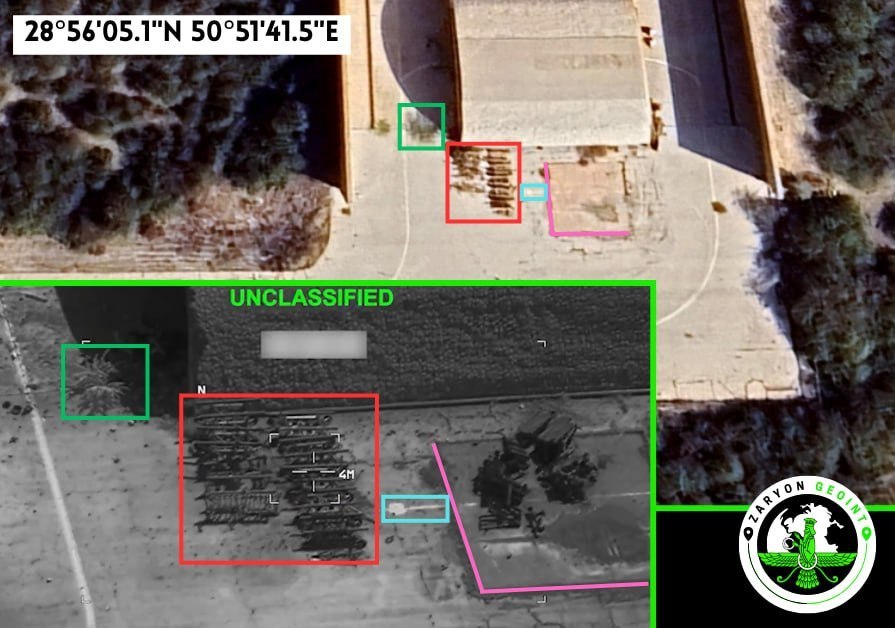
At 07:58 UTC, the United States Central Command (CENTCOM) released video evidence of a missile strike on the military section of Bushehr Airport, as documented by monitor_the_situation. The target was identified as a “military section” of the airport, with analysts suggesting the strike may have aimed at stored bomb casings rather than active aircraft.
Naval Incidents in the Strait of Hormuz
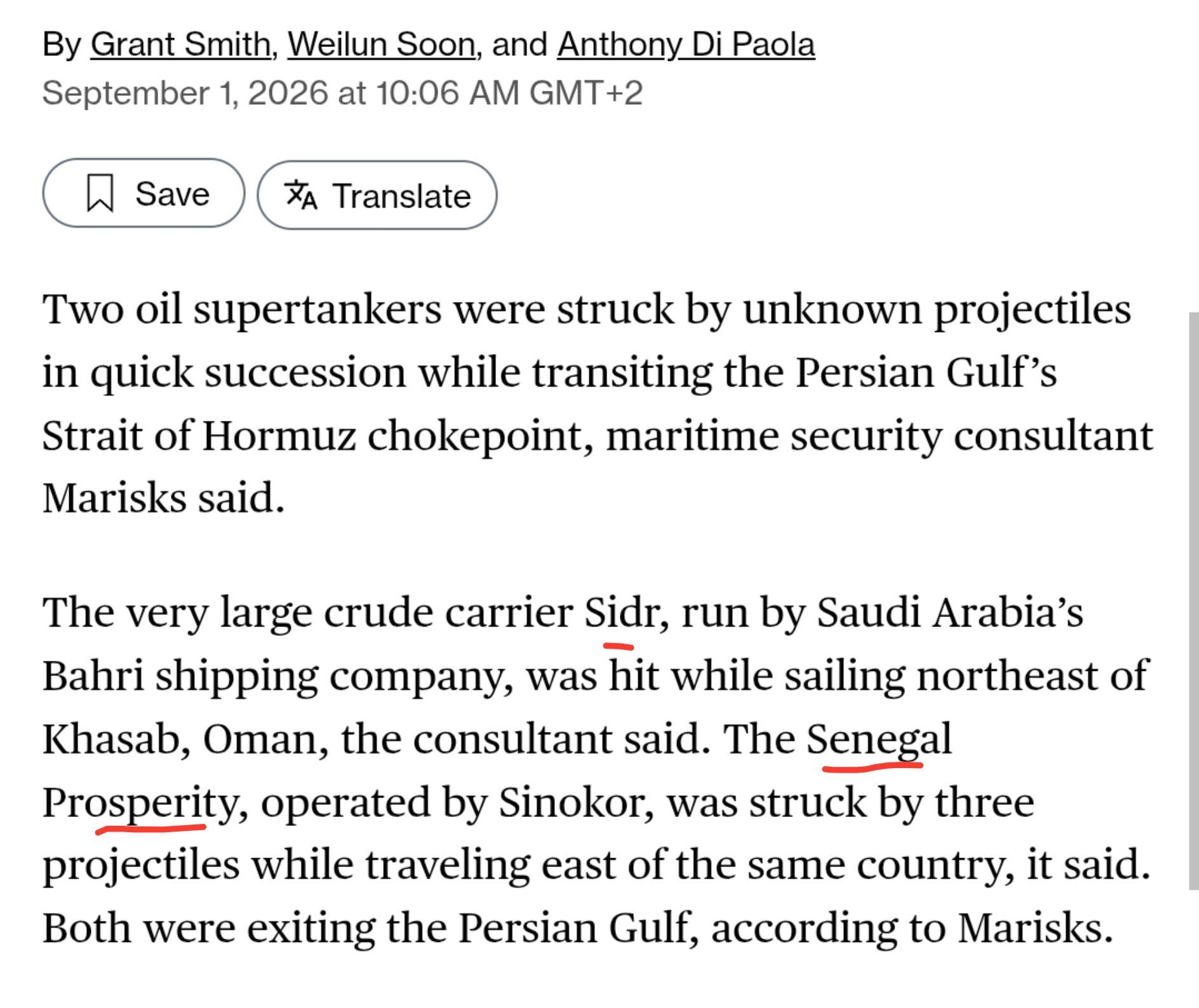
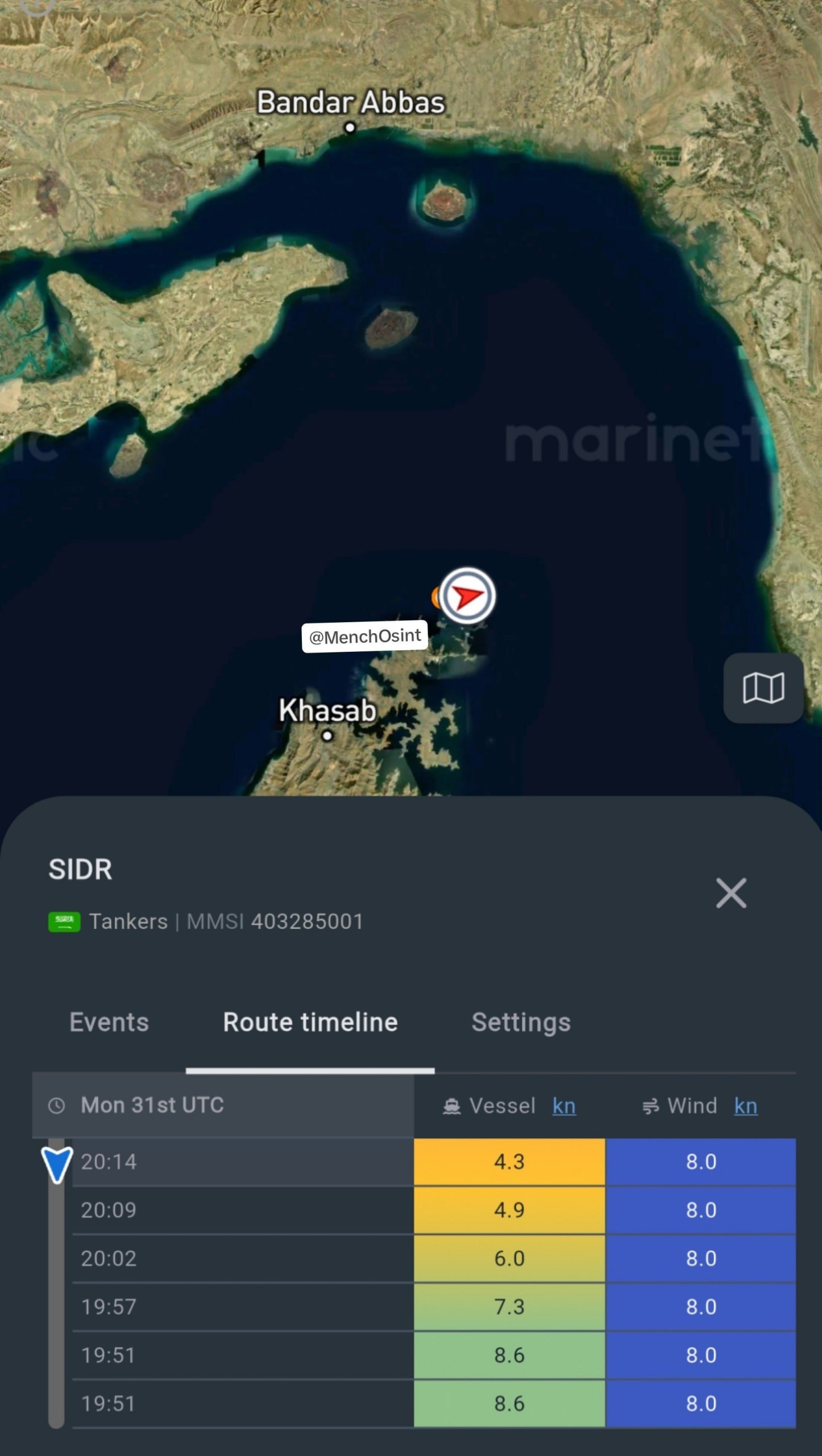
Two separate naval incidents were recorded on 1 September. The first, at 09:14 UTC, involved the missile‑based targeting of two supertankers—Saudi‑owned “SIDR” and South Korean‑owned “SENEGAL PROSPERITY”—while transiting the Strait of Hormuz under U.S. escort. The attacks were attributed to launch sites in Sirik, Iran, and were reported by CIG_telegram citing Bloomberg and United States Navy sources.
A second incident, reported by the JPost at 11:21 UTC, described “unknown projectiles” striking Saudi‑laden supertankers in the same corridor. Shipping intelligence firm Marisks confirmed the events, labeling them a “further escalation in the threat environment within the Omani corridor.” No attribution was provided for the projectiles, and casualty or damage assessments remain pending.
Operational Context and Strategic Implications
The coordinated air and missile strikes represent the most intensive kinetic engagement between the United States and Iran since the 2023 escalation over the Gulf region. The breadth of targets—spanning major ports, naval bases, and airfields—suggests an intent to degrade Iran’s maritime and logistical capabilities along the Persian Gulf. The simultaneous launch of Iranian rockets toward the Strait of Hormuz indicates a reciprocal escalation, aimed at threatening the critical oil transit lane.
While official casualty figures have not been released, the absence of reported civilian deaths in the open‑source feeds may reflect either limited impact on populated areas or a delay in verification. The use of Tomahawk cruise missiles and potential HIMARS rockets underscores the United States’ reliance on precision‑strike platforms capable of long‑range engagement without exposing aircraft to Iranian air defenses.
Iran’s public statements, referenced in the CIG_telegram feed, warn of “disproportionate retaliation” if U.S. attacks resume. The documented rocket launches and the targeting of oil‑laden tankers could be interpreted as early manifestations of that warning, though the precise chain of command for the naval attacks remains unclear.
Source Attribution
All event details are drawn from open‑source Telegram channels and news outlets as listed below:
- intelslava: Large‑scale Persian Gulf coast airstrike (17:27 UTC) – source
- GeoPWatch: Multiple explosions and map of USAF strikes – 39312, 39315, 39303, 39299
- rnintel: Rocket launches, Qeshm Island attacks, Bandar Abbas strikes – 65961, 65962, 65964
- CIG_telegram: Tomahawk/HIMARS launches, supertanker missile attacks – 83102, 83074
- BellumActaNews: Heavy airstrikes across southern Iran, Konarak bombing – 176828, 176829, 176830, 176827
- monitor_the_situation: Bushehr Airport missile strike – 28982
- JPost: Supertanker attacks in Strait of Hormuz – article