In the early hours of 1 September 2026, Russian forces launched an unprecedented missile salvo against the Ukrainian capital, marking the most significant escalation of the conflict to date. According to intelslava, eight Kalibr cruise missiles, four hypersonic Zircon missiles and twenty‑two Iskander‑M ballistic missiles were fired toward Kyiv at 01:34 UTC, overwhelming air‑defence systems and underscoring Russia’s intent to saturate Ukrainian defenses.
Massive Missile Launch Against Kyiv
The coordinated strike involved three distinct weapon families. Kalibr cruise missiles, typically sea‑launched, were repurposed for land‑attack, while Zircon hypersonic missiles, capable of Mach 8 speeds, were employed to challenge detection windows. The Iskander‑M missiles, with a range of up to 500 km, added a conventional ballistic component. The sheer volume—thirty‑four missiles—constituted a “massive” operation, as described by the source, and represented the highest concentration of high‑precision munitions launched in a single wave since the conflict began.
Casualties in Kyiv
At 02:31 UTC, a separate Russian missile strike on Kyiv resulted in at least four fatalities and “over a dozen” injuries, according to GeoPWatch. The report noted that dozens of missiles were involved, though exact numbers were not disclosed. Emergency services reported multiple blast sites across residential districts, with hospitals activating mass‑casualty protocols. The casualty figures, while lower than anticipated given the scale of the attack, highlight the continued vulnerability of civilian populations in the capital.
Odesa Under Drone and Cruise Missile Attack
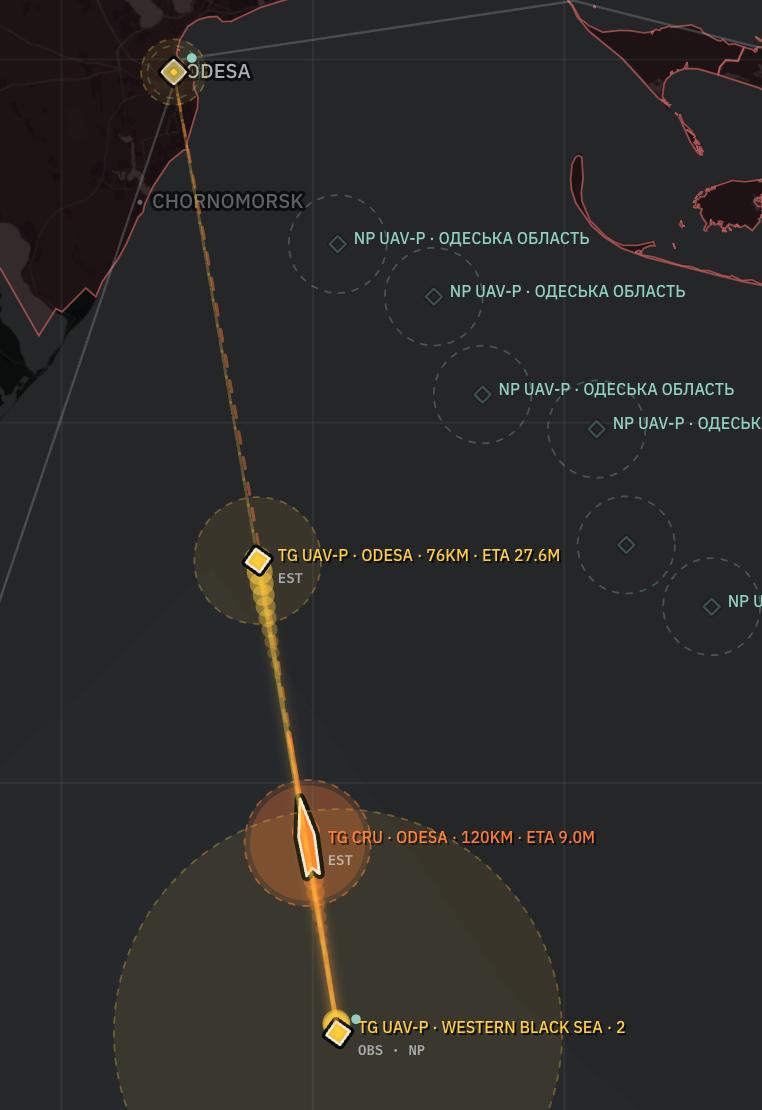
Simultaneously, the southern port city of Odesa faced a combined aerial assault. At 03:01 UTC, Russian forces deployed unmanned aerial vehicles (UAVs) and two Banderol cruise missiles, as documented by GeoPWatch. Explosions were reported throughout the city, and the second Banderol missile was confirmed to be en‑route at the time of reporting. No casualty figures were released, but the attack disrupted port operations and heightened security alerts along the Black Sea coastline.
"Russia launched drones and two Banderol cruise missiles against Odesa, with explosions reported." – GeoPWatch, 03:01 UTC
Ukrainian Counterstrike in Crimea
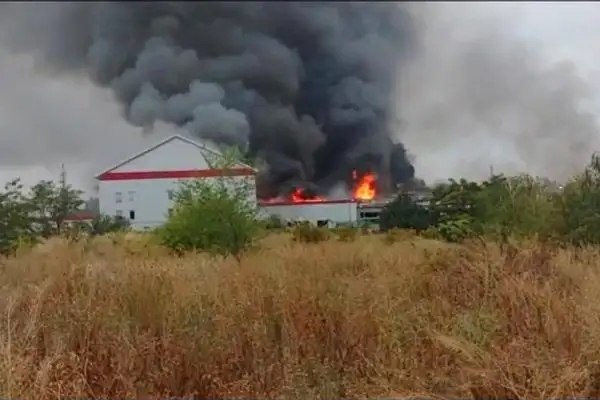
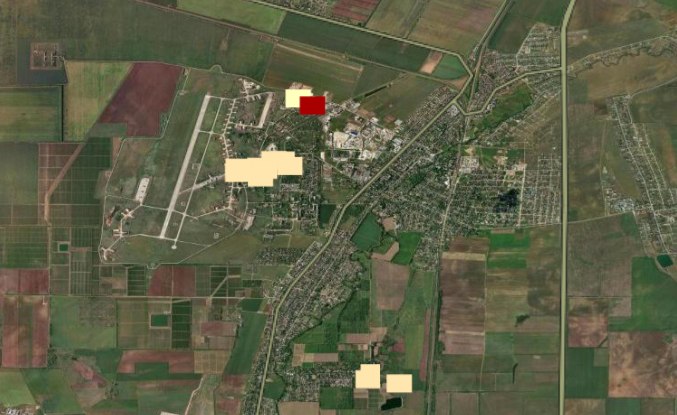
In a notable reversal of initiative, Ukrainian forces struck a strategic airfield in Crimea at 03:14 UTC. Projectiles fired from Ukrainian positions ignited a fire that was detected by NASA’s FIRMS satellite system within an hour of impact, according to GeoPWatch. This follows a larger fire at the same airfield the previous day, also attributed to Ukrainian attacks. The repeated targeting of the airfield suggests a concerted effort to degrade Russian air‑operational capabilities on the occupied peninsula.
Industrial Damage: Global Spirits Vodka Factory
At 03:55 UTC, a Russian attack destroyed the Global Spirits vodka factory, a major producer of a globally recognized vodka brand. The strike rendered the facility unusable and eliminated approximately four million bottles of product, as reported by idkunim_il. The company issued a brief statement confirming the loss:
"It cannot be restored"The destruction of this commercial asset underscores the broader economic toll of the conflict, extending beyond military targets to civilian industry.
Geran‑4 Drone Strike in Dnipropetrovsk Oblast
Further north, a Russian Geran‑4 jet‑drone struck a target near the village of Ternove in Dnipropetrovsk Oblast at 05:25 UTC, as recorded by monitor_the_situation. The incident, captured on video, is part of an ongoing campaign of UAV attacks aimed at Ukrainian infrastructure and military positions in the region. While no casualties were reported, the strike illustrates the persistent use of low‑cost, expendable drones to maintain pressure on Ukrainian defenses.
Assessment
The coordinated attacks of 1 September demonstrate a clear Russian strategy of simultaneous, multi‑theater pressure designed to stretch Ukrainian air‑defence resources and inflict both military and economic damage. The use of high‑value missile systems—Kalibr, Zircon and Iskander‑M—against Kyiv represents a qualitative escalation, while the concurrent strikes on Odesa, Crimea and industrial sites reveal a broader objective of disrupting logistics, morale and economic output. Ukrainian counter‑actions, notably the strike on the Crimean airfield, indicate a willingness to target Russian‑held assets despite the heightened risk of retaliation.
Overall, the events of today highlight an intensifying conflict landscape, with both sides employing a mix of conventional and unconventional weapons across a wide geographic spectrum. Continued monitoring of casualty reports, infrastructure impacts and the effectiveness of air‑defence systems will be essential for assessing the evolving balance of power.