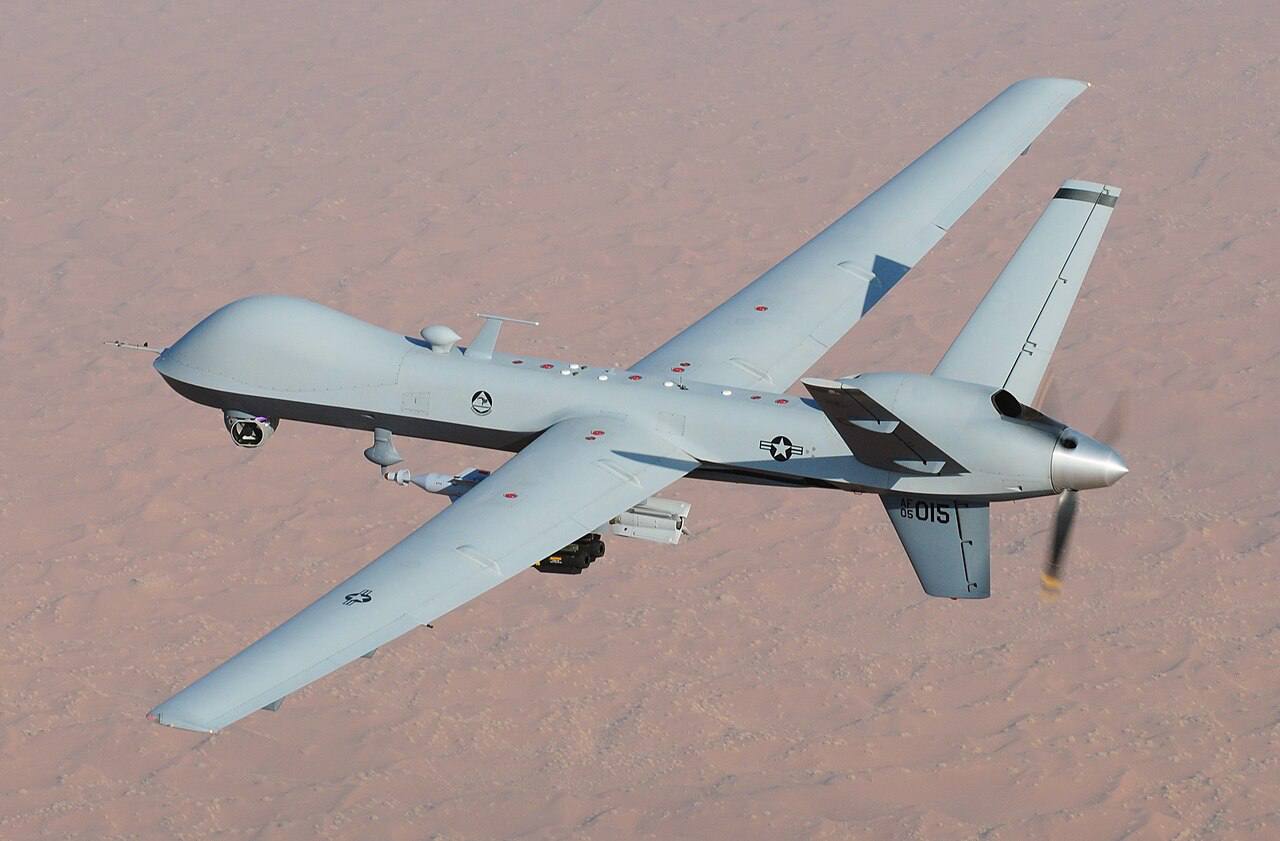
On 31 August 2026, Iran’s Islamic Revolutionary Guard Corps (IRGC) confirmed the downing of a second U.S. MQ‑9 Reaper drone over the Strait of Hormuz, marking a rapid escalation in aerial confrontations in the strategically vital waterway.
Second MQ‑9 Reaper shot down – 16:34 UTC
The IRGC reported that its air‑defense units engaged and destroyed a United States Air Force MQ‑9 Reaper UAV at 16:34:17 local time, approximately midway between the Iranian and Omani coasts. The incident is the second drone shoot‑down recorded within a 24‑hour period, following an earlier engagement at 13:45 UTC. The IRGC attributed the action to “unauthorised surveillance” and cited the use of surface‑to‑air missile systems, though specific weapon types were not disclosed. The United States has not yet issued an official statement.
“We have defended our airspace against hostile UAVs,” the IRGC statement read. – GeoPWatch, 31 Aug 2026, source
Earlier MQ‑9A Reaper shoot‑down – 13:45 UTC
At 13:45, the IRGC announced the destruction of a U.S. MQ‑9A Reaper over the same corridor. The claim was corroborated by a photo released on the intelslava channel, showing debris in the water. This event marked the first of the two drone interceptions reported on 31 August.
“Iran’s forces have neutralised a U.S. MQ‑9A Reaper UAV,” intelslava, source
Naval engagements – bulk carrier and supertanker
In parallel with the aerial incidents, the IRGC engaged maritime targets. At 15:39, the IRGC fired upon the bulk carrier MINOAN PIONEER as it transited the Strait, creating a visible oil slick. The vessel, which had previously been struck three weeks earlier, sustained hull damage but remained afloat. No casualties were reported among the crew.
“The bulk carrier was hit, resulting in an oil spill,” monitor_the_situation, source
Earlier, at 09:12, a supertanker navigating Omani territorial waters detonated two Iranian naval mines. The explosions disabled the vessel and ignited a fire that burned for several hours before containment efforts began. While the crew evacuated safely, the incident underscored the IRGC’s expanded use of asymmetric maritime weapons.
“Two mines triggered, supertanker disabled and on fire,” rnintel, source
Additional UAV interception – 09:11 UTC
Just minutes before the mine incident, Iranian air‑defence systems shot down another U.S. MQ‑9 drone at 09:11. The brief report from rnintel confirmed the engagement but provided no further technical details.
“Iranian air defenses down a U.S. MQ‑9 over the Strait of Hormuz,” rnintel, source
Operational context and implications
The clustering of aerial and naval confrontations within a single day reflects heightened tension between Iran and the United States over freedom of navigation in the Persian Gulf. The repeated targeting of MQ‑9 platforms suggests a focused Iranian effort to deny U.S. ISR (intelligence, surveillance, reconnaissance) capabilities in the region. Simultaneously, the deployment of naval mines and direct attacks on commercial shipping indicates an escalation in asymmetric maritime tactics aimed at disrupting global oil transit routes.
All incidents occurred within the internationally recognised boundaries of the Strait of Hormuz, a chokepoint through which approximately 20 % of the world’s petroleum passes. The IRGC’s actions, if sustained, could trigger broader diplomatic responses, including potential naval escorts by allied powers and heightened alert levels for commercial vessels.
To date, casualty figures remain limited to the supertanker fire, with no confirmed injuries among crew members. However, the environmental impact of the oil slick from the bulk carrier and the risk of further mine‑related incidents pose ongoing hazards to maritime traffic.