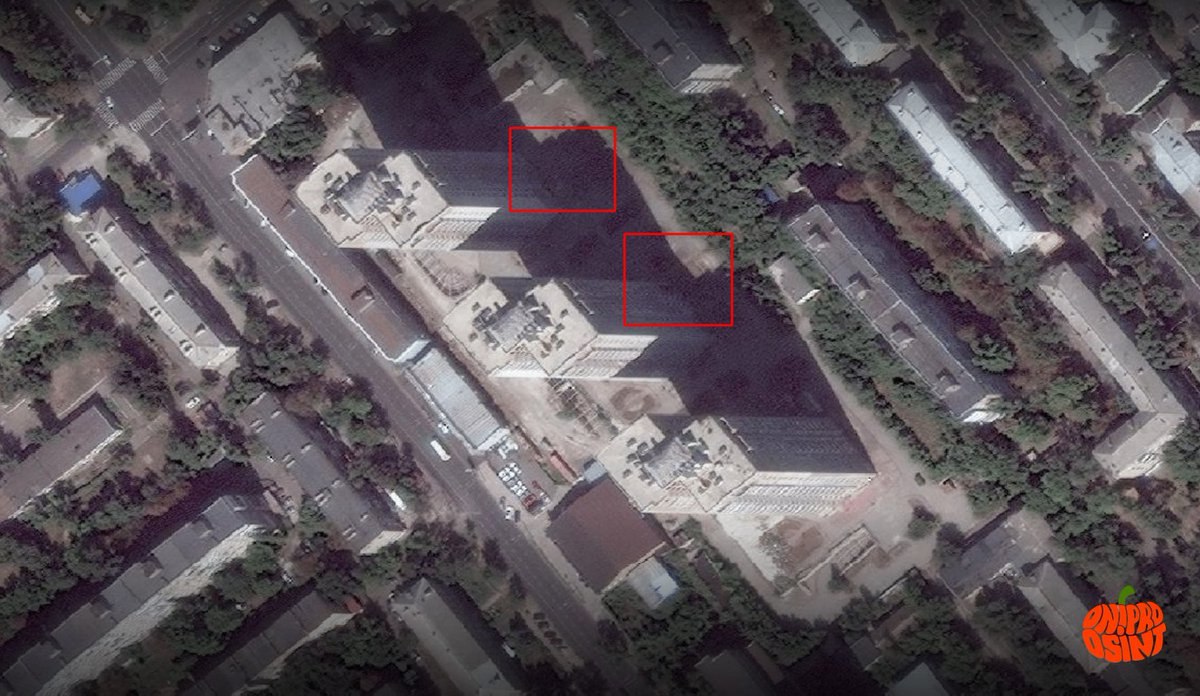
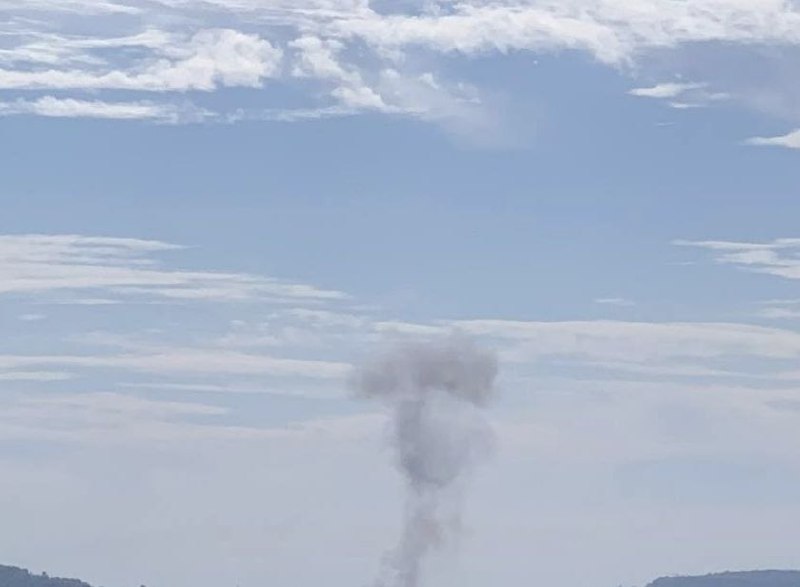
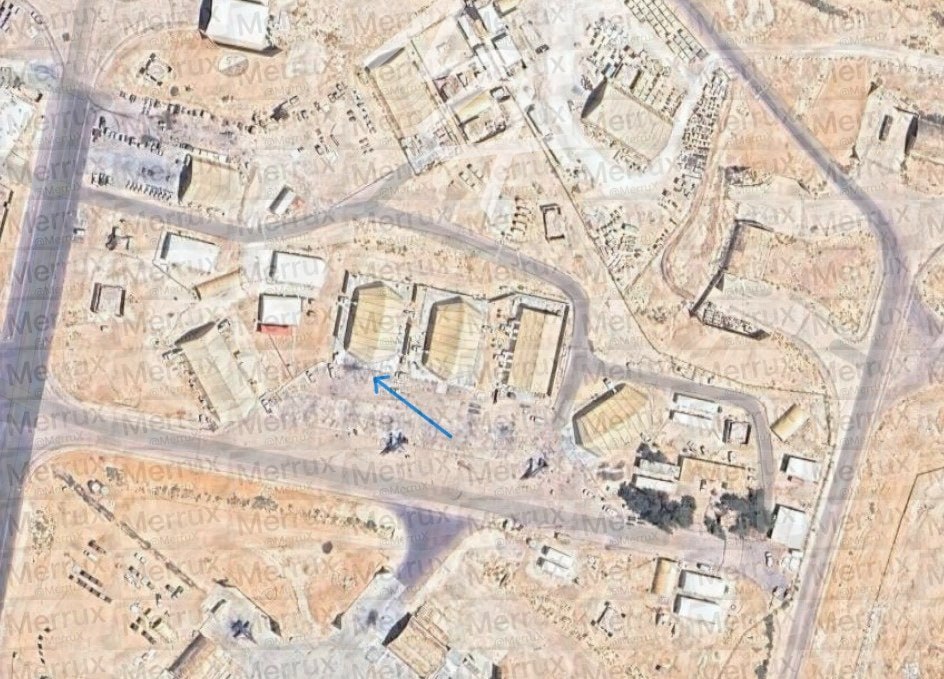
On 31 August 2026, the most consequential kinetic event in the Ukrainian theatre was the confirmed impact of British‑supplied Storm Shadow cruise missiles on Donetsk’s industrial zone and an unfinished residential complex. Satellite imagery and on‑the‑ground reports verified that at least 27 Russian personnel were killed in the strikes, underscoring the growing effectiveness of long‑range precision weapons supplied to Kyiv.
"Storm Shadow Strikes Kill 27 in Donetsk" – monitor_the_situation, 2026‑08‑31
High‑Impact Russian Airstrikes in the South
In the Kherson region, the Russian Aerospace Forces (VKS) deployed a mixed payload of heavy ordnance on 31 August. Four FAB‑500 bombs targeted a UAV control site belonging to the Ukrainian 81st Separate Airmobile Brigade in Mykolaivka, while a FAB‑3000 bomb struck a logistics warehouse of the 414th Separate Brigade of Unmanned Systems in Kherson city. The attacks damaged critical command‑and‑control infrastructure and material‑technical support assets, though casualty figures were not disclosed.
Source: intelslava, 2026‑08‑31
Ukrainian Counter‑Strikes on Russian Radar and Air‑Defence Assets
Ukraine’s General Staff reported a coordinated missile campaign against multiple Russian strategic nodes on 31 August. Targets included a radar installation at Desnyanske (Bryansk), an S‑400 command‑and‑staff vehicle near Ploskobukreivka (Bryansk), a communications node at Zimovne (Belgorod), a UAV command post near Huliaipole, and logistics depots in Kyr‑Bailar (Crimea) and Verkhnokamianka (Luhansk). The strikes employed a variety of missile types, demonstrating Kyiv’s expanding strike depth into Russian‑held territory.
Source: monitor_the_situation, 2026‑08‑31
Ukrainian Drone Operations Over Kyiv and Donetsk
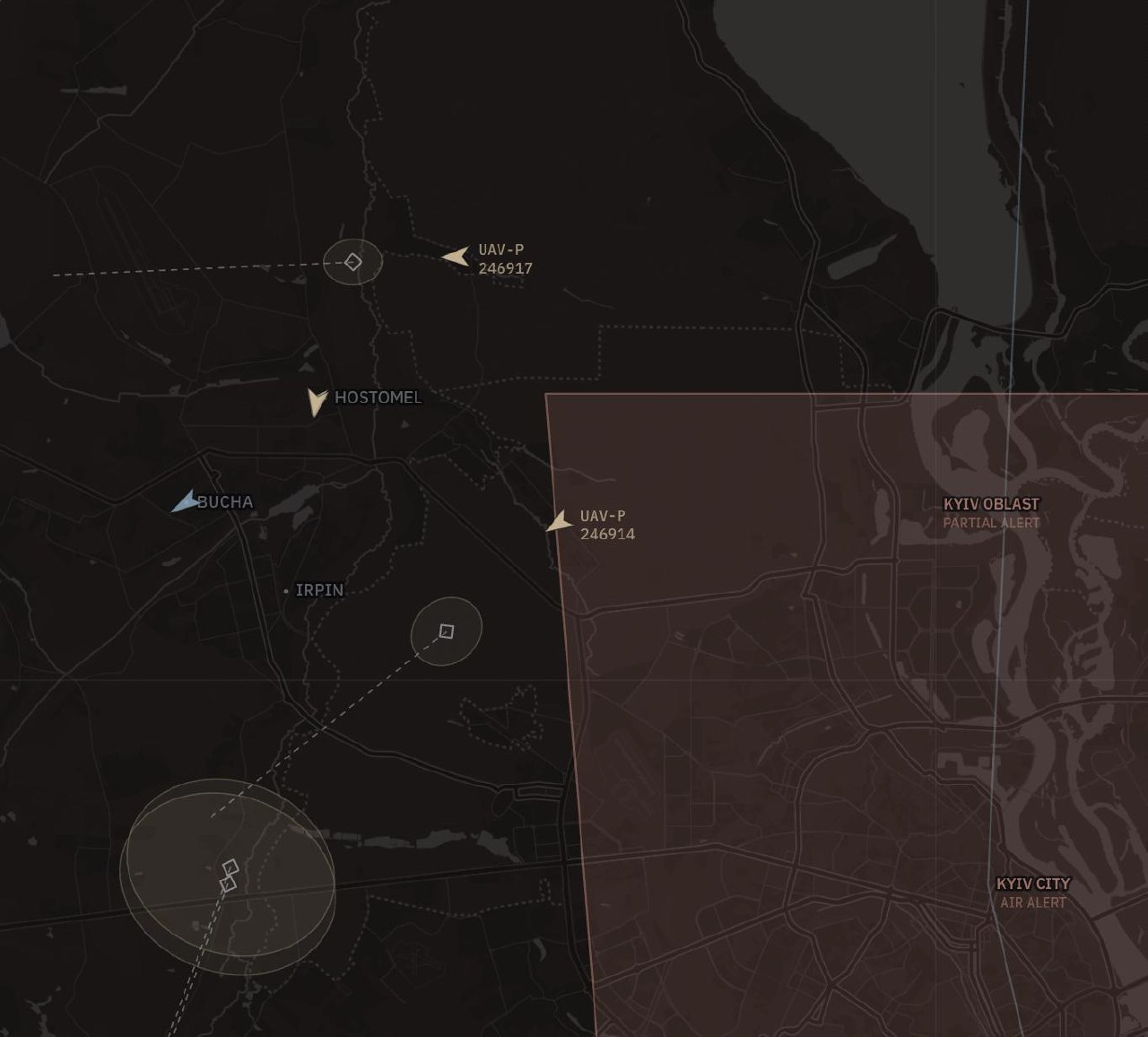
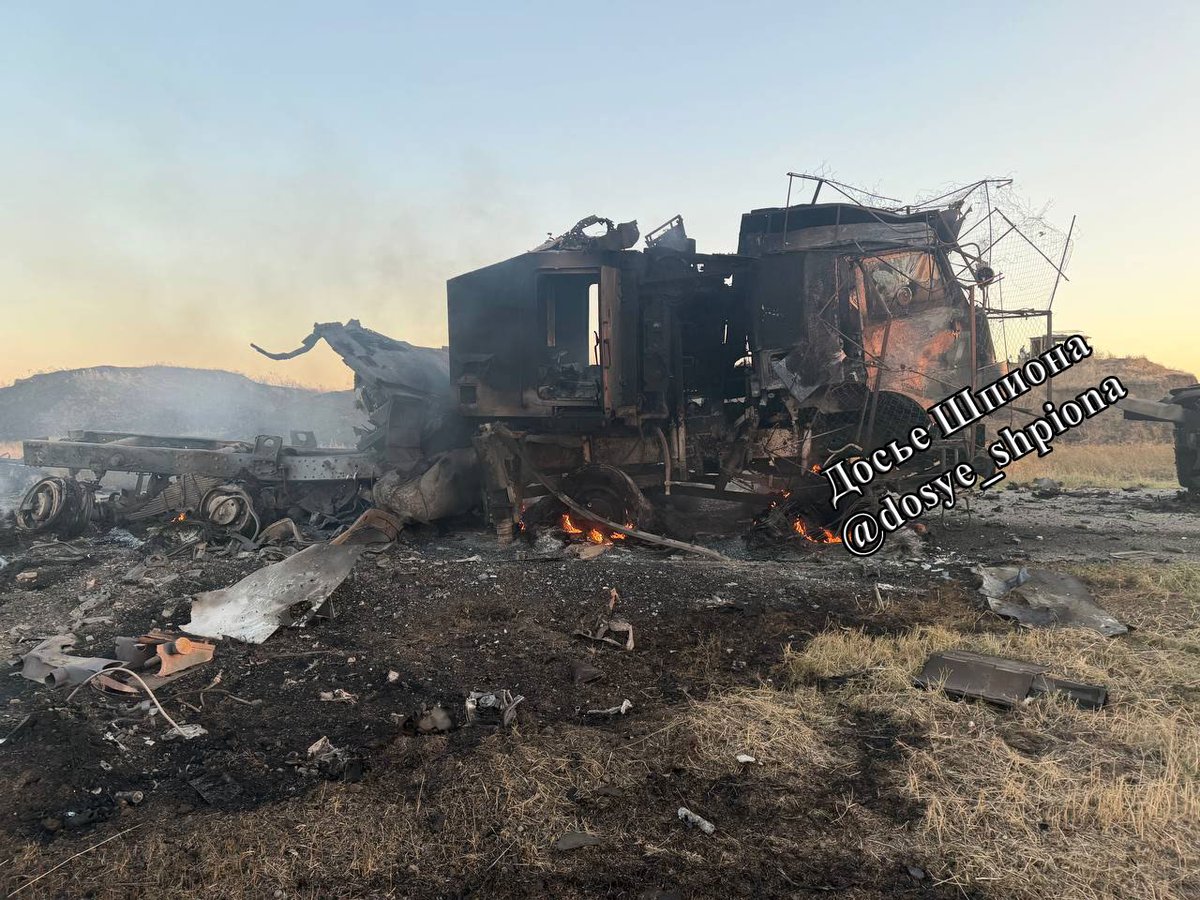
Multiple unmanned aerial systems (UAS) were observed over the Kyiv region throughout the day. GeoPWatch documented explosions in western Kyiv, the presence of jet‑powered kamikaze drones, and Russian reconnaissance drones, all of which were neutralised without reported casualties. In Donetsk Oblast, Ukrainian drones, supported by artillery and mortar fire, destroyed Russian logistics vehicles along a frontline axis, disrupting supply lines to front‑line units.
Source: GeoPWatch, 2026‑08‑31
Russian Drone Attacks on Ukrainian Infrastructure
Russian Geran‑4 jet‑drones conducted several strikes across Ukrainian territory. At least two drones hit an unknown target near Shryoke in Dnipropetrovsk Oblast, igniting a fire. Another Geran‑4 drone struck a Nova Poshta logistics terminal near Odesa, causing a large blaze but no injuries. These attacks illustrate the continued use of expendable loitering munitions by Russian forces to target logistical hubs.
Source: monitor_the_situation, 2026‑08‑31
Ukrainian Ground Gains and Russian Counter‑Movements
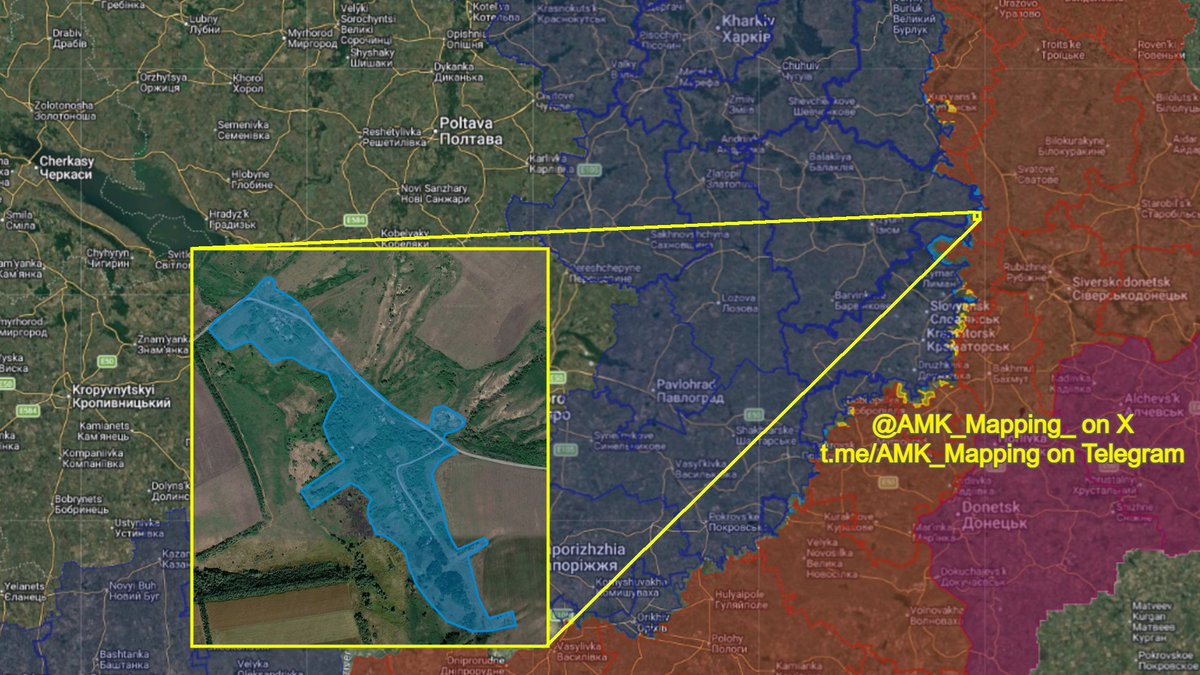
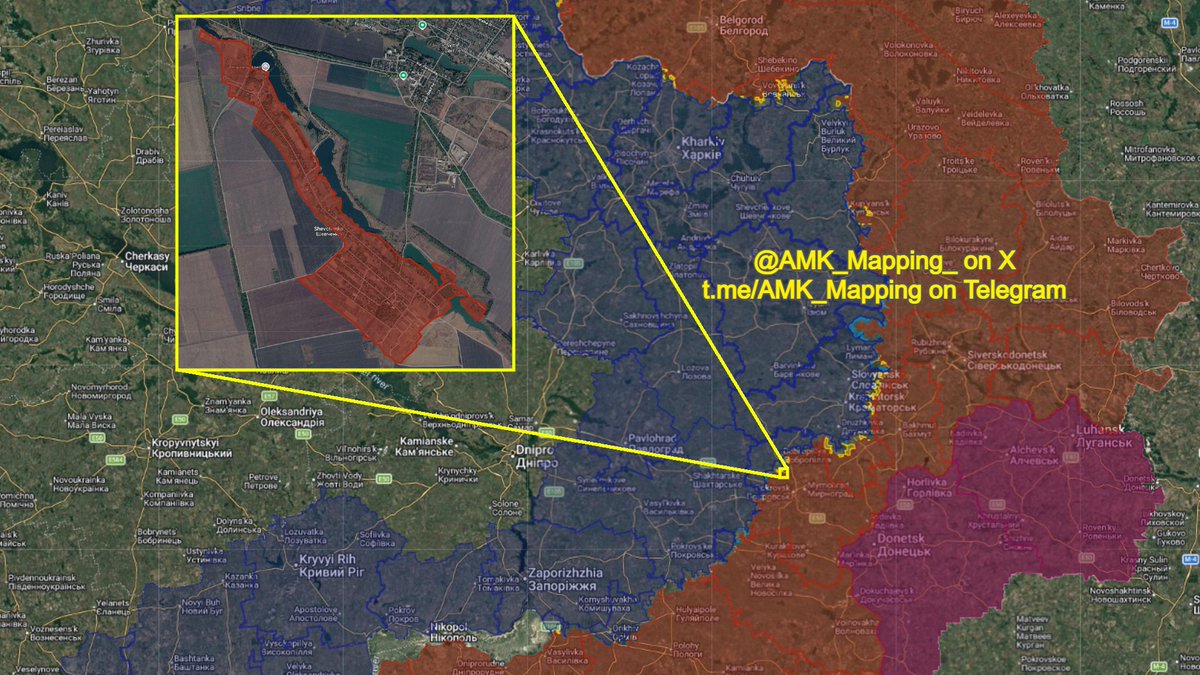
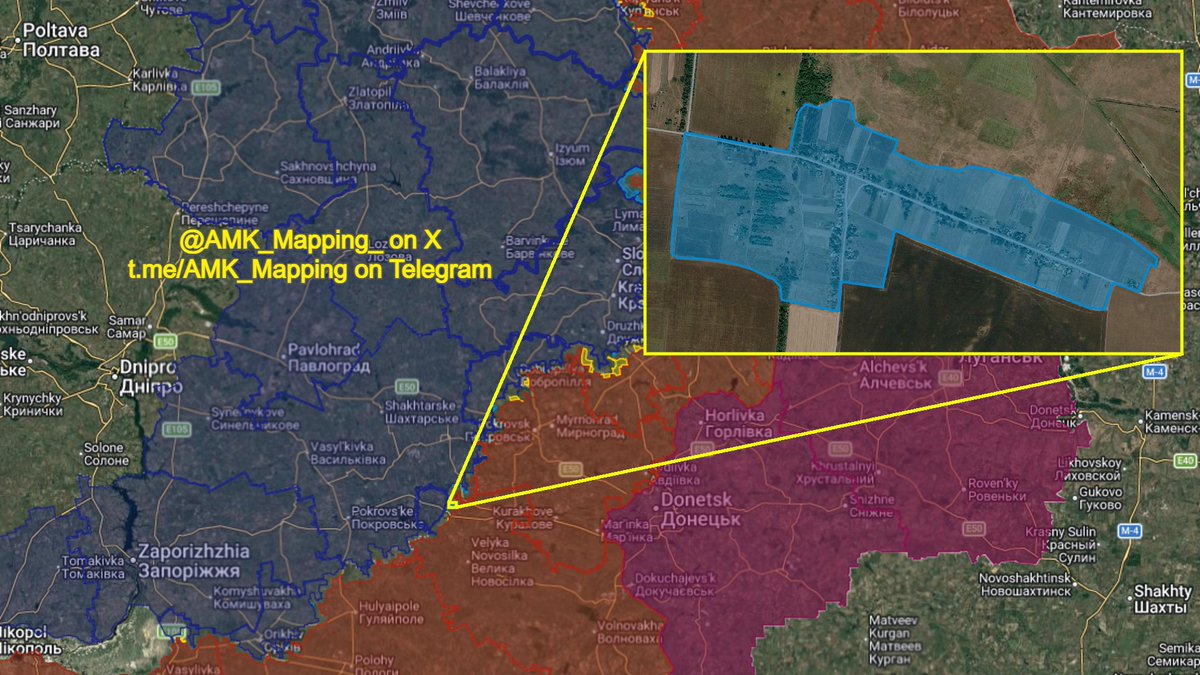
Ukrainian forces reclaimed the village of Hrekivka in Luhansk Oblast after eight months of contested fighting, marking a strategic gain in the Borova direction. Conversely, Russian forces captured the village of Shevchenko in Donetsk Oblast after two months of combat, indicating ongoing fluidity along the front.
Source: monitor_the_situation, 2026‑08‑31
Additional Kinetic Activity Across the Conflict Zone
In the broader region, Ukrainian K‑2 drones attacked Russian logistics corridors between Mariupol and Horlivka, destroying fuel tankers and cargo vehicles. Meanwhile, Russian forces continued to employ conventional artillery and mortars, as evidenced by the destruction of Russian vehicles on a logistics route in Donetsk Oblast by Ukrainian drones and indirect fire.
Collectively, these events reflect a marked escalation in both the intensity and the geographic spread of kinetic operations, with both sides leveraging advanced missile systems, UAVs, and heavy bombers to shape the battlefield.