An independent media investigation released on 31 August 2026 claims that more than 242,000 Russian soldiers have been killed in Ukraine, a figure that far exceeds official Russian admissions and underscores the mounting human cost of the conflict. The tally, compiled by KyivIndependent and posted on the Telegram channel monitor_the_situation, lists named servicemen killed across multiple fronts, suggesting a sustained attrition rate that could influence both operational planning and diplomatic calculations.
"Media Investigation Identifies 242,000 Russian Soldiers Killed in Ukraine" – KyivIndependent, 31 Aug 2026, https://t.me/monitor_the_situation/28873
While the exact methodology of the investigation has not been independently verified, the claim adds to a series of recent high‑intensity actions by Ukrainian forces targeting Russian military infrastructure both inside occupied territories and within the Russian Federation itself. The following sections detail the most significant incidents reported on 31 August, providing a factual snapshot of the evolving battlefield dynamics.
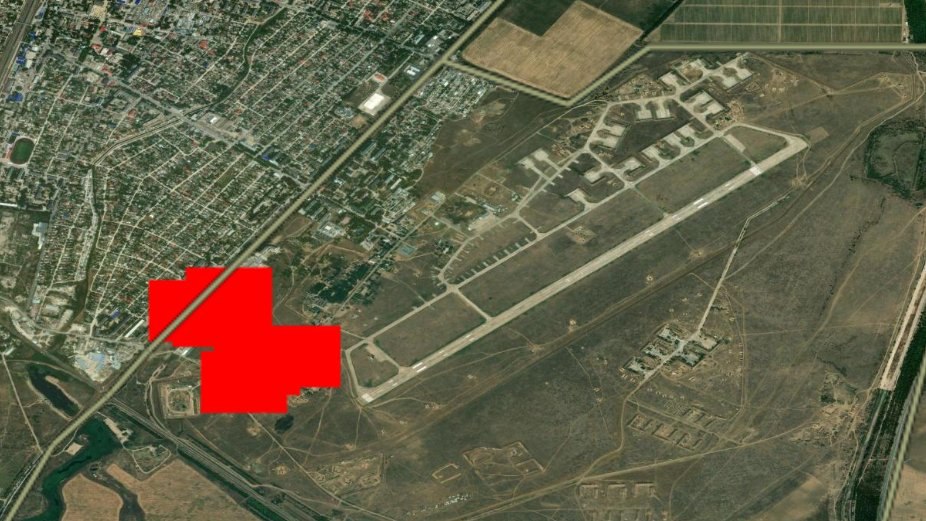
Ukrainian Drone Strike Ignites Dzhankoi Airbase Depot in Crimea
At approximately 05:52 UTC, Ukrainian attack drones struck the Dzhankoi airbase in occupied Crimea, setting fire to an equipment and lubricant depot. The operation, reported by monitor_the_situation, marks the fourth Russian airbase hit by Ukrainian UAVs since the war began, highlighting the growing effectiveness of Ukraine’s loitering‑munitions and drone capabilities.
Location: Dzhankoi Airbase, Dzhankoi, Crimea (occupied Ukraine)
Weapons: Attack drones
Actors: Ukrainian forces (unspecified unit), Russian airbase personnel
Source: https://t.me/monitor_the_situation/28892
Ukrainian Rocket Barrage Targets Multiple Russian Sites
Ukraine’s General Staff confirmed a coordinated rocket campaign on 29–30 August that struck several Russian‑controlled locations:
- Drone warehouse in Khartsyzk, Donetsk Oblast
- UAV command post near Chumatske
- Command posts in Sukhodilsk
- Logistics depots across the Donetsk region
The strikes employed precision‑guided rockets, according to the staff statement posted on the same Telegram channel.
Location: Khartsyzk, Donetsk Oblast, Ukraine
Weapons: Rockets
Actors: Ukrainian General Staff, Russian military installations
Source: https://t.me/monitor_the_situation/28888
In a separate statement, President Volodymyr Zelenskyy announced that Ukrainian forces also hit Russian territory on 30 August, targeting:
- Drone storage facilities in Oryol and Rostov regions
- Yeysk military airfield (Rostov Oblast)
- A Black Sea maritime target
- A refinery in the Leningrad region
These attacks were described as “rocket strikes” and were said to have caused fires at the airfield and refinery.
Locations: Yeysk (Rostov Oblast) and Leningrad region, Russia
Weapons: Rockets
Actors: Ukrainian Armed Forces, Russian military sites
Source: https://t.me/monitor_the_situation/28887
Ukrainian Strikes on Russian Oil Refinery, Drone Site and Airfield
Further corroborating the cross‑border offensive, the Ukrainian General Staff reported overnight strikes on three Russian facilities:
- Kirish oil refinery (Kropyvnytskyi region)
- Drone site in Millerovo, Rostov Oblast
- Yeysk airfield, Rostov Oblast
All three locations reportedly suffered fires, indicating successful penetration of Russian air defenses.
Locations: Kirish oil refinery, Millerovo and Yeysk, Russia
Weapons: Unspecified (likely rockets or missiles)
Actors: Ukrainian General Staff, Russian military installations
Source: https://t.me/monitor_the_situation/28886
Russian UAV Attack Sparks Fire in Kyiv
At 05:38 UTC, a Russian drone strike ignited a fire in the Ukrainian capital. Video evidence shared by the Telegram channel GeoPWatch shows flames erupting near a residential block, prompting an immediate emergency response.
Location: Kyiv, Ukraine
Weapons: Drone (likely Shahed‑type)
Actors: Russian UAV operators, Ukrainian civil defense
Source: https://t.me/GeoPWatch/39201
Air Raid Alert Issued for Kyiv
Earlier in the day, at 02:14 UTC, Kyiv’s air defense command issued an air‑raid alert, warning residents of incoming aerial threats. The alert was posted by the same GeoPWatch channel that later reported the drone‑induced fire.
Location: Kyiv, Ukraine
Weapons: None (alert only)
Actors: Ukrainian air defense authorities
Source: https://t.me/GeoPWatch/39175
Extended Bombardment of Kyiv Reaches 115 Hours
According to the Telegram channel intelslava, Kyiv has endured continuous bombardment for 115 hours, a period spanning nearly five days. While the post does not specify weapon types, the sustained nature of the attacks suggests a mix of artillery, rockets and aerial munitions.
Location: Kyiv, Ukraine
Weapons: Unspecified (multiple systems)
Actors: Russian forces, Ukrainian defenders
Source: https://t.me/intelslava/93586
Russian Loitering Munitions Hit Mykolaiv Infrastructure
At 01:26 UTC, Russian Geran‑2 and Geran‑4 loitering munitions struck an electrical substation near Trykhati in Mykolaiv Oblast, as well as a sea transshipment terminal and a logistics center in the same region. Video footage posted by intelslava confirms the damage.
Location: Trykhati, Mykolaiv Oblast, Ukraine
Weapons: Geran‑2/4 loitering munitions
Actors: Russian forces, Ukrainian infrastructure operators
Source: https://t.me/intelslava/93594
Russian Tornado‑S MLRS Targets Ukrainian Deployment Point
At 00:32 UTC, a Russian Southern Group of Forces artillery crew employed a Tornado‑S multiple‑launch rocket system (MLRS) to strike a temporary Ukrainian deployment point in Druzhkivka, Donetsk Oblast. Video evidence posted by intelslava shows the impact and subsequent smoke plume.
Location: Druzhkivka, Donetsk Oblast, Ukraine
Weapons: Tornado‑S MLRS
Actors: Russian Southern Group of Forces, Ukrainian Armed Forces
Source: https://t.me/intelslava/93587
The aggregation of these incidents illustrates a pattern of intensified Ukrainian offensive operations, both within occupied territories and across the Russian border, coupled with a reported surge in Russian personnel losses. While the casualty figure remains unverified by independent third parties, its magnitude—if accurate—signals a potentially decisive shift in the war’s attrition dynamics.