On 30 August 2026, aerial warfare between Ukraine and Russia escalated dramatically, with high‑intensity drone operations on both sides. The most consequential development was a coordinated Russian Geran‑2 drone attack on Kyiv’s energy grid, prompting an immediate air‑raid alert and disrupting power supplies in the capital.
“Air Raid Alert in Kyiv.” – GeoPWatch, 01:51 UTC, 30 Aug 2026.
Russian Geran‑2 Assault on Kyiv
At 01:24 UTC, BellumActaNews reported that a swarm of Russian‑manufactured Geran‑2 drones penetrated Kyiv’s airspace, targeting the city’s critical energy infrastructure. The primary objective was the CHP‑5 combined‑heat‑power plant in the southeast district, a facility that supplies both electricity and heating to a substantial portion of the metropolitan area. According to the source, multiple drones struck the plant, causing localized fires and temporary loss of output. No casualties were confirmed in the immediate aftermath, but the incident forced the activation of emergency response teams and a city‑wide alert that lasted several hours.
GeoPWatch corroborated the alert, issuing a separate notice at 01:51 UTC that an air‑raid warning had been declared for Kyiv. The combined reports underscore a deliberate Russian effort to undermine Ukraine’s energy resilience during the early‑morning hours, when residential demand peaks.
Ukrainian Drone Campaign Across Russian Territory
Simultaneously, Ukrainian forces launched a series of UAV strikes against Russian military and industrial sites. The operations spanned a wide geographic corridor, from the north‑western city of St. Petersburg to the southern Krasnodar region.
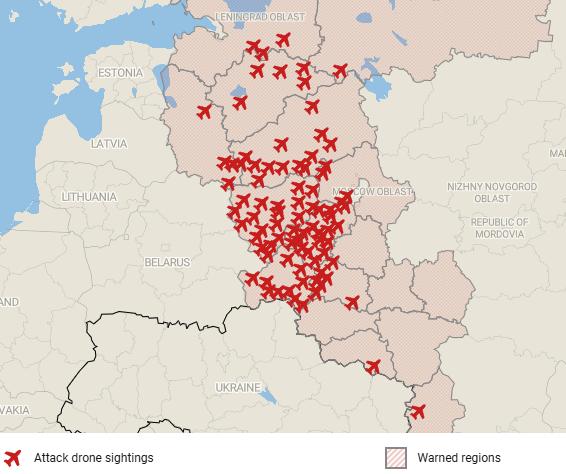
GeoPWatch documented at 00:46 UTC that Ukrainian drones were detected near St. Petersburg, with ten aircraft reportedly shot down while en route to Moscow. The same source later noted, at 00:01 UTC, that Ukrainian UAVs were targeting St. Petersburg, Leningrad Oblast, Tver Oblast and Krasnodar, indicating a coordinated multi‑theater approach.
In Bryansk, a Russian city only 380 km from the Ukrainian border, intelslava reported a “powerful” Ukrainian drone strike at 00:08 UTC. While the exact damage assessment remains pending, the report highlighted the ability of Ukrainian UAVs to reach deep into Russian heartland.
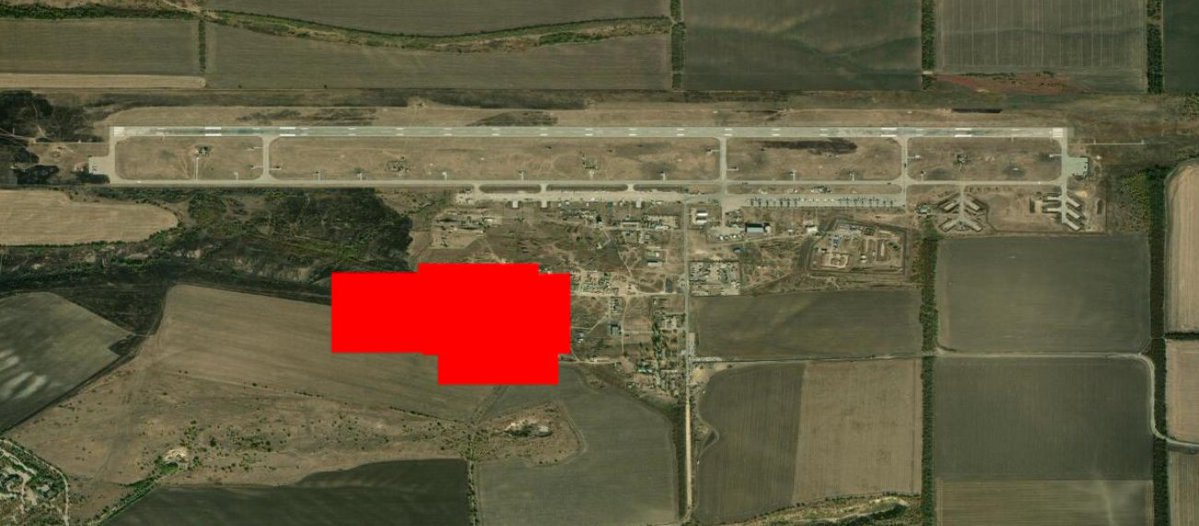
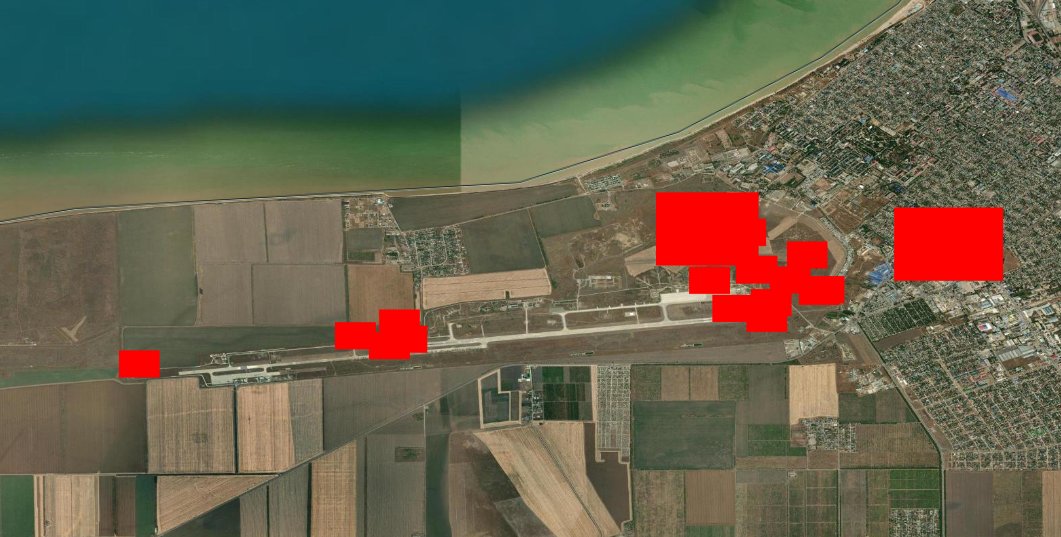
Further south, Ukrainian drones struck the Millerovo Airbase in Rostov Oblast at 05:50 UTC, igniting the base’s munitions storage, according to monitor_the_situation. Satellite data from NASA’s FIRMS confirmed the fire, and on‑site footage showed secondary explosions. A similar raid hit Yeysk airbase in Krasnodar Krai at 04:41 UTC, also resulting in fires and secondary detonations.
Collectively, these attacks demonstrate a broadened Ukrainian UAV strategy that targets Russian airfields, ammunition depots, and logistical hubs, aiming to degrade the Russian Air Force’s operational capacity.
Russian Drone Activity Over Ukrainian Cities
GeoPWatch’s tracking data revealed a massive surge of Russian UAVs heading toward Ukrainian territory. Between 00:00 and 02:30 UTC, more than 92 distinct Russian drone trails were recorded, comprising 50 piston‑powered and 42 jet‑powered platforms. The drones were directed at multiple Ukrainian cities, including Dnipro, Kyiv, Yuriyivka, Pereyaslav, Zelenodolsk and Samarskyi Lis, as well as one Russian city.
The sheer volume of aircraft suggests a coordinated offensive designed to overwhelm Ukrainian air‑defence systems. While specific casualty figures have not been released for most of these flights, the earlier Geran‑2 strike on Kyiv resulted in infrastructure damage and a city‑wide alert, underscoring the operational impact of the Russian UAV wave.
Key Incidents at Energy and Industrial Sites
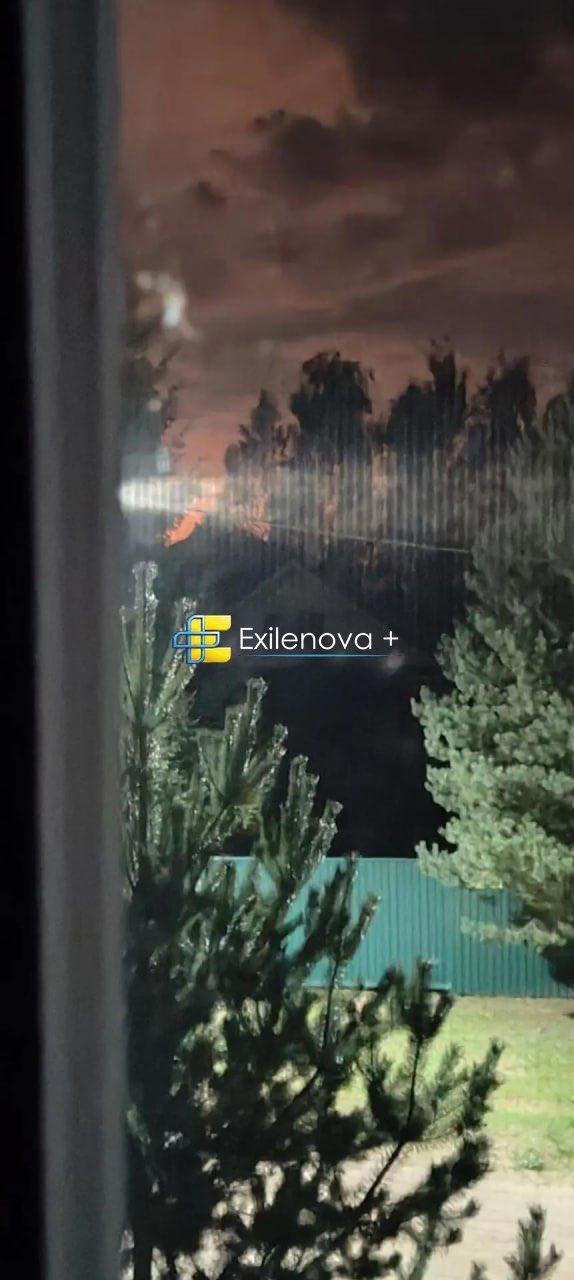
The Kirish Oil Refinery in Leningrad Oblast, Russia, experienced an impact at 00:53 UTC, reported by GeoPWatch. Although the source did not specify the weapon used, the timing aligns with heightened UAV activity in the region and raises the possibility of a drone‑borne munition.
In Ukraine, the CHP‑5 plant attack represents the most significant energy‑sector strike of the day. The plant’s temporary shutdown affected an estimated 300,000 residents who rely on its output for heating and electricity, according to local utility statements.
Strategic Assessment
The events of 30 August illustrate a pronounced escalation in UAV‑centric warfare. Both sides are employing drones not only for tactical strikes but also as tools of strategic pressure. Russian Geran‑2 drones, adapted from commercial platforms, are being used to target civilian infrastructure, a tactic that seeks to erode public morale and strain emergency services.
Conversely, Ukrainian UAVs are demonstrating extended range and precision, reaching targets as far north as St. Petersburg and as far south as Krasnodar. The attacks on Millerovo and Yeysk airbases, which housed significant munitions stocks, indicate a focus on degrading Russian air‑operational logistics.
From an air‑defence perspective, the simultaneous influx of over 90 Russian drones and multiple Ukrainian UAVs challenges the capacity of existing radar and interceptor systems. Both Kyiv and Moscow are likely to accelerate the deployment of electronic‑warfare assets and point‑defence missiles to counter the growing threat.
Conclusion
The dual‑sided drone surge on 30 August marks a new phase in the conflict, where unmanned systems are central to offensive and defensive postures. The Russian Geran‑2 strike on Kyiv’s energy grid and the Ukrainian raids on Russian airbases underscore the increasing willingness of both parties to employ UAVs against high‑value targets, raising the risk of further civilian disruption and military attrition.