On 30 August 2026 a series of disparate yet interlinked incidents underscored the heightened security environment spanning Israel, the broader Middle East, and the Red Sea corridor. While each event unfolded in a distinct domain—road safety, covert operations, maritime security, and diplomatic posturing—their cumulative effect reflects a region grappling with multiple, simultaneous threats.
Fatal Highway 2 crash in Israel
At 03:40 GMT, a severe traffic collision occurred on Highway 2 between Zikhron Ya'akov and Atlit, Israel. The incident, reported by the Israeli channel idkunim_il, resulted in a single fatality. The ZAKA North volunteer emergency response team arrived promptly, confirming the death and securing the scene. No weapons were involved, and the only organization cited was ZAKA, which provides rapid mortuary services across Israel. The source URL for the report is https://t.me/idkunim_il/62958.
"ZAKA center: Highway 2 between Zikhron Ya'akov and Atlit. Fatal accident at the location. Being handled by ZAKA North team,"The crash, while not a conflict‑related violence, highlights domestic safety challenges that can strain emergency services already engaged in broader security tasks.
Alleged Iranian plot against Yair Netanyahu
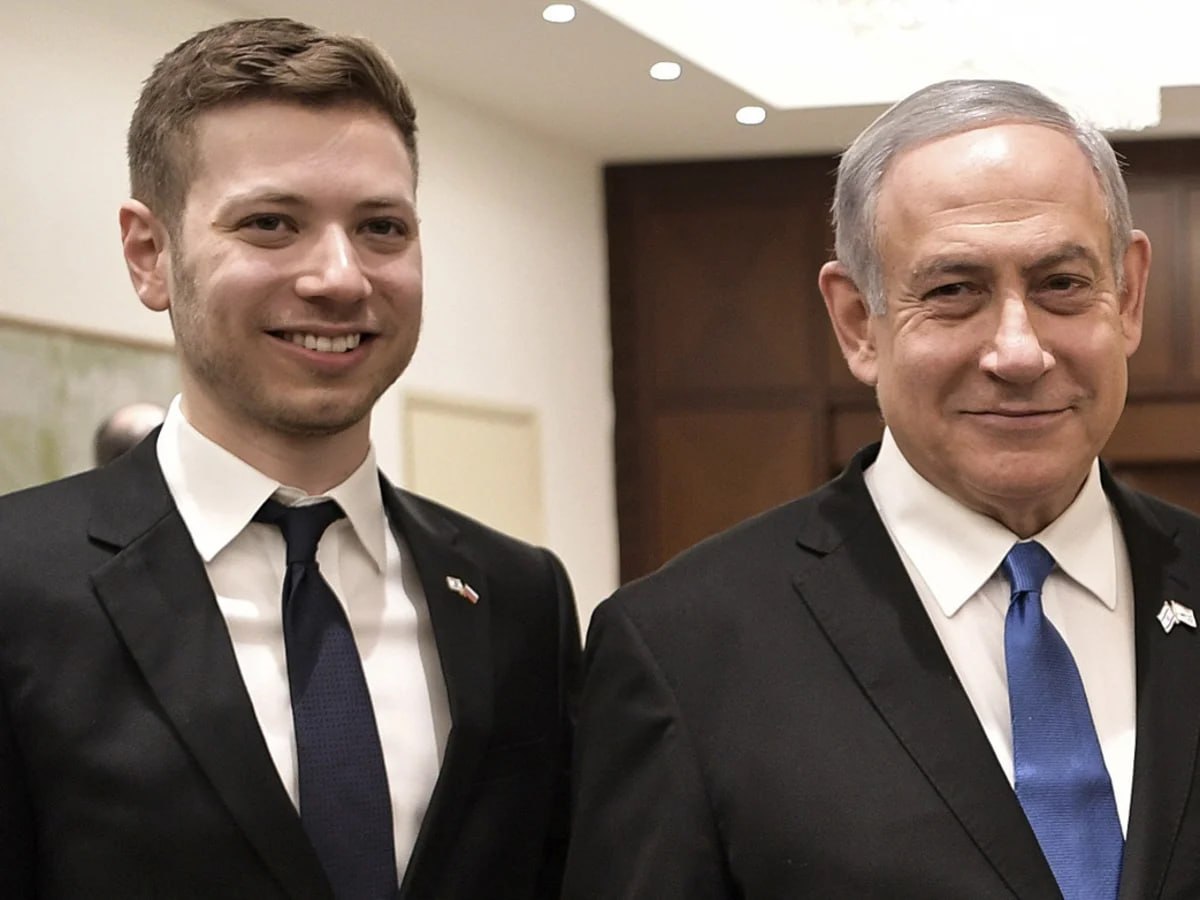
Earlier that morning, at 01:05 GMT, Israel’s internal security agency Shin Bet announced the urgent repatriation of Yair Netanyahu, son of Prime Minister Benjamin Netanyahu, from Florida, United States. According to the intelligence outlet rnintel, Shin Bet uncovered an alleged Iranian plot to assassinate Yair while he was residing in the United States in December 2025. The agency temporarily reassigned agents protecting President Isaac Herzo to focus on the emerging threat. No weapons were disclosed, and the only organization named was Shin Bet. The incident involved Iran and Israel, reflecting the ongoing covert rivalry between the two states. Source URL: https://t.me/rnintel/65872.
"Israel’s Shin Bet has confirmed that Prime Minister Benjamin Netanyahu’s son, Yair Netanyahu, was urgently brought back to Israel after authorities identified a significant threat to his life,"The rapid response underscores Israel’s heightened vigilance against foreign-sponsored assassination attempts, a pattern that has intensified since the 2023 escalation of Iranian proxy activities.
Turkish‑Somali anti‑piracy operation frees cargo vessel
At 00:16 GMT, Turkish naval forces in cooperation with Somali authorities concluded a ten‑day operation to liberate a Cameroon‑flagged cargo ship seized by pirates off the Horn of Africa. The operation, reported by Al Jazeera, resulted in the death of 14 pirates. No specific weapons were listed in the source, though standard anti‑piracy engagements typically involve small arms and boarding equipment. The organizations involved were the Turkish Armed Forces and Somali maritime authorities, representing Turkey and Somalia respectively. Source URL: https://www.aljazeera.com/news/2026/8/30/turkiye-somalia-forces-frees-cargo-vessel-hijacked-by-pirates?traffic_source=rss.
"Somali authorities say 14 pirates were killed in the 10‑day operation to free a Cameroon‑flagged cargo vessel,"The successful rescue demonstrates continued multinational efforts to secure vital maritime trade routes that are vulnerable to piracy, a threat that can have cascading economic impacts on the region.
Iranian rhetoric amid West Bank settlement activity
Simultaneously, a live‑blog update from Al Jazeera at midnight highlighted Iran’s reaffirmation of its opposition to United States sanctions while noting that Israeli settlers were laying siege to the West Bank village of Qusra. The report placed the statements in Tehran, emphasizing Iran’s dual strategy of diplomatic engagement and defensive readiness. No weapons or organizations were directly cited in the excerpt, but the narrative involved Iran, the United States, and Israel. Source URL: https://www.aljazeera.com/news/liveblog/2026/8/30/iran-war-live-iran-pledges-to-stand-firm-against-unjust-us-sanctions?traffic_source=rss.
"Iran says it will rely equally on diplomacy and defence to protect its interests,"The juxtaposition of Iranian diplomatic posturing with on‑ground settlement tensions underscores the layered nature of regional disputes.
Collectively, these events illustrate a spectrum of security challenges: domestic accidents that test emergency response capacity, covert assassination threats that heighten intelligence cooperation, maritime piracy that demands coordinated naval action, and geopolitical rhetoric that fuels ongoing diplomatic friction. While each incident is distinct, they converge on a common theme of escalating regional tensions that require vigilant monitoring and multi‑layered response strategies.